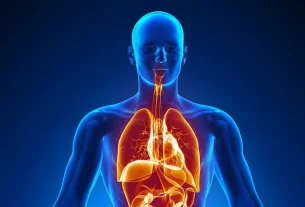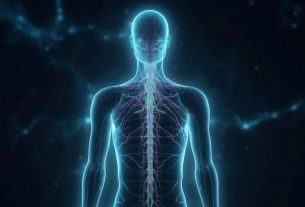
Human behaviour helps us discover why people think, feel, and act the way they do. It explains why certain memories stay with us, why emotions affect our choices, and why relationships influence our mental health.
Human beings are complex creatures. Every day, we make thousands of decisions, experience emotions, communicate with others, and respond to the world around us. These actions may seem simple, but they are influenced by a combination of psychology, biology, memories, experiences, and social environments.
From the way we communicate to the habits we develop, human behaviour reveals the hidden patterns behind everyday life. Psychological research has shown that small details—such as body language, facial expressions, and communication styles—can provide valuable insights into personality and emotions.
In this article, we explore fascinating facts about human behaviour, the science behind our actions, and how understanding ourselves can improve relationships, emotional well-being, and personal growth.
What Is Human Behaviour?
Human behaviour refers to the way people think, feel, and act in response to internal and external influences.
It includes:
- Emotional reactions
- Communication patterns
- Social interactions
- Decision-making
- Habits
- Personality traits
Human behaviour is shaped by many factors, including:
Biological Factors
The brain, hormones, genetics, and nervous system influence how people respond to situations.
For example, stress hormones can affect mood, focus, and decision-making.
Psychological Factors
Thoughts, memories, beliefs, and emotions strongly influence behaviour.
A person’s past experiences can affect how they react to similar situations in the future.
Social and Environmental Factors
Family, culture, friendships, and surroundings also shape human behaviour.
People often learn behaviours by observing others.

The Connection Between Thoughts and Human Behaviour
Our thoughts have a powerful impact on our actions.
The way people interpret events often determines how they respond.
Overthinking Can Affect Emotional Health
One interesting aspect of human behaviour is the tendency to overanalyze situations.
Overthinking often involves repeatedly thinking about possible problems, mistakes, or future outcomes.
When excessive, it may increase:
- Stress
- Anxiety
- Emotional exhaustion
- Difficulty making decisions
Learning to recognize negative thought patterns can help people develop healthier responses.
Memories Influence Our Preferences
Many human choices are connected to memories.
For example, people often enjoy certain songs, foods, or places because they remind them of meaningful moments.
A familiar song may create strong emotions because the brain connects it with past experiences.
This shows how memory plays an important role in shaping behaviour.
Emotional Behaviour and Human Feelings
Emotions are one of the strongest influences on human behaviour.
They affect:
- Relationships
- Communication
- Motivation
- Decision-making
Hidden Emotions Can Impact Mental Well-Being
Some people avoid expressing sadness, anger, or loneliness.
However, emotions that remain unrecognized may affect stress levels and overall well-being.
Healthy emotional expression can help people process experiences and maintain better mental balance.
Crying Is a Natural Emotional Response
Crying is often seen as a sign of weakness, but it is actually a normal human response.
People may cry when experiencing:
- Sadness
- Stress
- Relief
- Strong happiness
Crying can help the body release emotional tension and communicate feelings when words are difficult to express.
Human Behaviour in Relationships
Relationships reveal many interesting patterns in human psychology.
The way people interact with others often shows their emotions, personality, and values.
Humor Creates Connection
People often feel closer to those who make them laugh.
Humor can:
- Reduce stress
- Increase comfort
- Strengthen social bonds
A shared laugh can create positive emotional experiences between people.
Emotional Connection Can Affect Mood
When people deeply care about someone, they may become sensitive to that person’s emotions.
For example, seeing a loved one feeling happy or upset can influence their own mood.
This emotional connection is a natural part of human relationships.
People Remember Information Connected to Meaning
The human brain remembers meaningful information better than random facts.
People are more likely to remember something when it connects to:
- Personal experiences
- Strong emotions
- Important events
This is why storytelling is often more powerful than simply sharing information.

Body Language and Human Behaviour
Communication is not only about words.
Body language plays a major role in how people understand each other.
Walking Speed and Confidence
The way people move can influence how others perceive them.
A confident posture and purposeful movement are often associated with confidence and energy.
However, body language can vary greatly depending on personality and culture.
Facial Expressions Reveal Emotions
Smiling, eye movement, and other facial expressions provide clues about feelings.
Humans are naturally skilled at recognizing emotional signals from faces.
This ability helps people build relationships and respond appropriately.
Fascinating Facts About Personality and Behaviour
Personality influences how people react to the world.
Different personality traits can affect communication, friendships, and decision-making.
People Who Blush Easily May Show Strong Emotional Awareness
Blushing is a physical reaction connected to emotional responses.
Some research suggests that people who blush easily may display strong social awareness because they are sensitive to social situations.
Confidence Can Influence the Brain
Acting confidently may affect how people feel and behave.
Positive self-perception can encourage:
- Better communication
- More motivation
- Greater willingness to take action
Building confidence often begins with small behavioural changes.
Human Behaviour and Habits
Habits are repeated behaviours that become automatic over time.
They can influence health, productivity, and lifestyle.
Eating Speed Can Affect Eating Patterns
The speed at which people eat may influence how their body recognizes fullness.
Eating slowly can help people become more aware of hunger signals and develop mindful eating habits.
Sleep and Emotional States Are Connected
Mood and sleep often influence each other.
Stress or sadness may affect sleeping patterns, while poor sleep can influence emotions and concentration.
Maintaining healthy sleep habits supports both physical and psychological well-being.

Social Behaviour and Communication
Humans are naturally social beings.
Communication helps people create connections, solve problems, and share experiences.
Silence Can Communicate Emotions
Sometimes people choose silence when they feel overwhelmed or hurt.
Silence may express:
- Discomfort
- Reflection
- Need for space
Understanding the reason behind silence is important because different people communicate emotions differently.
The Words We Hear Shape Our Inner Voice
Communication during childhood can influence how people talk to themselves later in life.
Supportive and respectful communication may encourage confidence and emotional strength.
Negative communication can affect self-image and beliefs.
This demonstrates how powerful human interaction can be.
The Science Behind Attraction and Connection
Human behaviour also influences attraction and social bonding.
Positive Emotions Strengthen Relationships
People often feel closer to those who create positive experiences.
Kindness, humor, trust, and respect are important foundations of strong relationships.
Shared Experiences Create Strong Bonds
People usually develop deeper connections through meaningful moments.
Shared challenges, achievements, and memories can strengthen relationships over time.
How Understanding Human Behaviour Improves Life
Learning about human behaviour can help people improve many areas of life.
Better Relationships
Understanding emotions and communication styles can reduce misunderstandings.
People become better at:
- Listening
- Showing empathy
- Resolving conflicts
Better Self-Awareness
Recognizing personal patterns helps people understand:
- Their triggers
- Their habits
- Their emotional responses
Self-awareness is the first step toward positive change.
Better Decision-Making
Understanding psychological influences helps people make more thoughtful choices.
Instead of reacting automatically, people can pause and consider different perspectives.
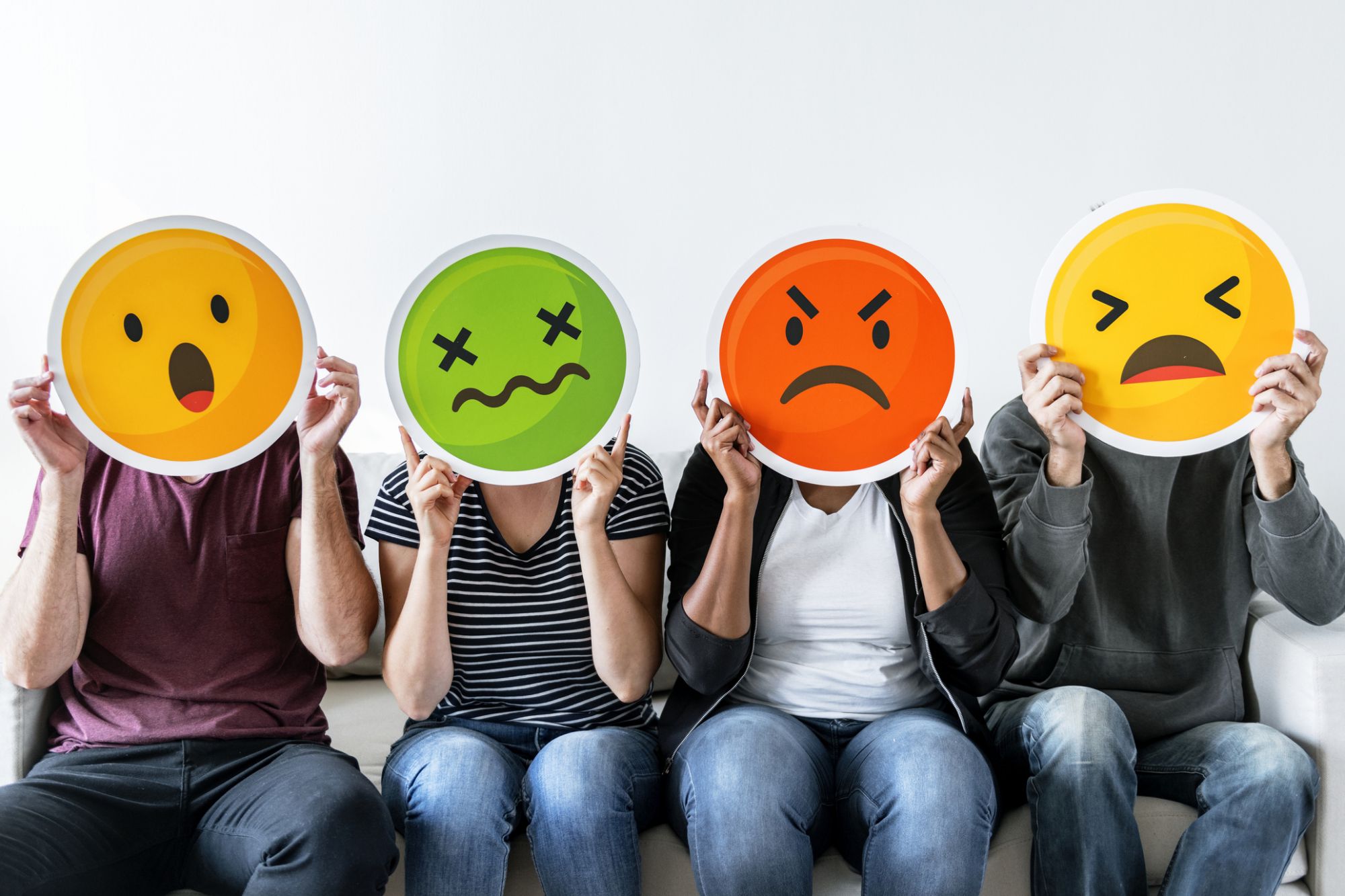
Conclusion: The Endless Discovery of Human Behaviour
Human behaviour is one of the most fascinating subjects because it reveals the complexity of being human.
Our thoughts, emotions, memories, relationships, and experiences all work together to shape who we are.
From the way we communicate to the choices we make every day, behaviour tells a story about our inner world.
By understanding human behaviour, we can improve our relationships, manage emotions, and develop greater awareness of ourselves and others.
The human mind is constantly learning, adapting, and changing. The more we explore psychology and behaviour, the better we understand the incredible complexity of human life.
Sources
- American Psychological Association (APA) – Psychology and Human Behaviour Research
- National Institute of Mental Health (NIMH) – Mental Health and Human Psychology
- Harvard University Psychology Research Resources
- Encyclopaedia Britannica – Human Behaviour and Psychology
- World Health Organization (WHO) – Mental Well-Being Resources