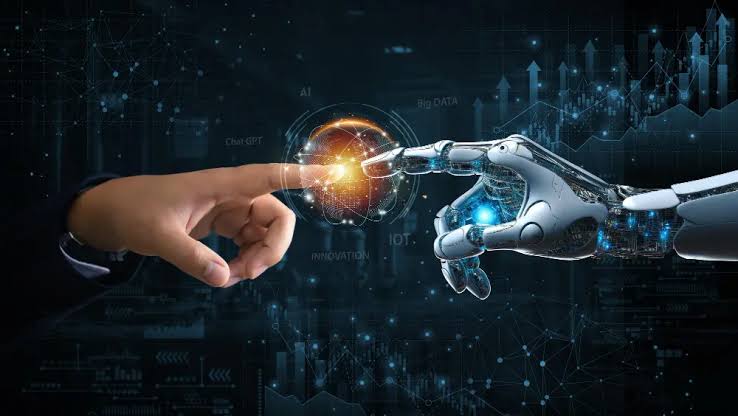
Future technologies are emerging innovations that have the potential to significantly change industries, economies, and everyday life over the coming years or decades.
Every generation witnesses technological breakthroughs that redefine what is possible. From the invention of the wheel and the printing press to the internet and smartphones, innovation has consistently reshaped civilization. Today, we stand at the beginning of another technological revolution—one driven by future technologies that promise to transform nearly every aspect of our lives.
Artificial intelligence is becoming a trusted assistant in homes and workplaces. Robots are taking on dangerous tasks, while biotechnology is opening new possibilities for personalized medicine. Virtual worlds are becoming increasingly immersive through Extended Reality (XR), and quantum computers are beginning to solve problems beyond the reach of traditional machines. At the same time, advances in renewable energy, autonomous transportation, and 3D printing are changing how we produce, travel, and consume.
These innovations offer remarkable opportunities, but they also raise important questions about ethics, privacy, employment, and sustainability. Understanding future technologies allows individuals, businesses, and governments to prepare for a rapidly evolving world.
In this comprehensive guide, we’ll explore the most influential future technologies, how they work, where they’re already making an impact, and what challenges they may bring in the years ahead.
What Are Future Technologies?
Unlike experimental concepts that exist only in laboratories, many future technologies are already being tested, commercialized, or gradually integrated into society.
Common characteristics include:
- Rapid innovation
- High scalability
- Broad real-world applications
- Significant economic impact
- Potential to solve complex global problems
These technologies often build upon one another, creating powerful ecosystems that accelerate progress.
Why Future Technologies Matter
Technological innovation influences nearly every aspect of modern life.
Future technologies have the potential to:
- Improve healthcare outcomes
- Increase workplace productivity
- Enhance education
- Reduce environmental impact
- Improve transportation
- Personalize consumer experiences
- Strengthen cybersecurity
- Accelerate scientific discoveries
- Create entirely new industries
At the same time, they require thoughtful governance to ensure that benefits are widely shared and risks are responsibly managed.
1. Artificial Intelligence (AI): The Engine of Future Innovation
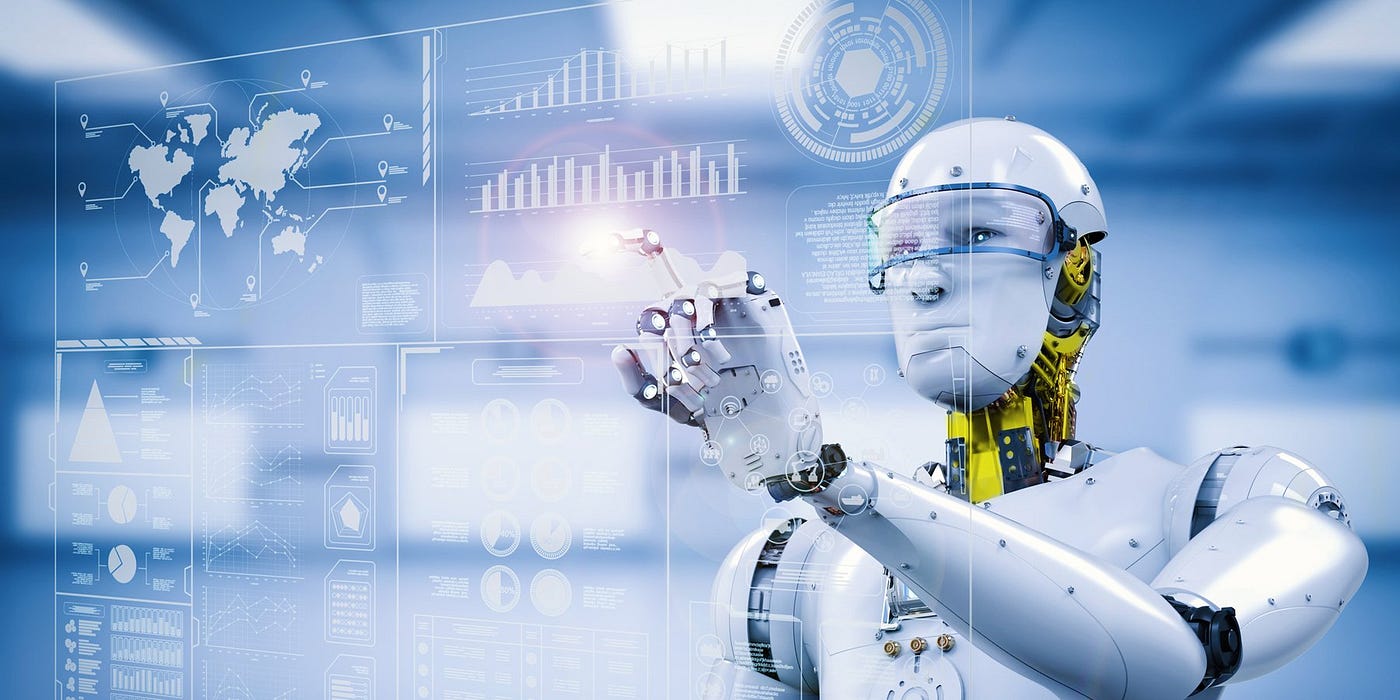
Artificial Intelligence (AI) is widely regarded as the most transformative technology of the 21st century.
AI enables computers to analyze data, recognize patterns, solve problems, generate content, and make predictions with increasing accuracy.
Current Applications
AI is already used in:
- Virtual assistants
- Recommendation systems
- Medical diagnosis support
- Fraud detection
- Language translation
- Customer service chatbots
- Autonomous vehicles
- Smart manufacturing
Future Possibilities
As AI continues to evolve, it may help:
- Accelerate scientific research
- Personalize education
- Improve climate modeling
- Optimize energy use
- Assist doctors with complex diagnoses
- Enhance accessibility for people with disabilities
Challenges
Despite its benefits, AI raises concerns regarding:
- Data privacy
- Algorithmic bias
- Job displacement
- Security
- Responsible governance
The future of AI will depend on balancing innovation with ethical oversight.
2. Biotechnology and Gene Editing
Biotechnology is transforming medicine, agriculture, and environmental science.
One of its most exciting developments is gene editing, which allows scientists to modify DNA with remarkable precision.
Potential Applications
Researchers are exploring ways to:
- Treat inherited diseases
- Develop personalized medicine
- Improve crop resilience
- Reduce food insecurity
- Create disease-resistant plants
Healthcare Impact
Advances in genomics may lead to:
- Earlier disease detection
- Tailored treatments
- More effective therapies
- Improved preventive healthcare
Ethical Considerations
Gene editing also raises important questions about:
- Safety
- Accessibility
- Genetic privacy
- Long-term effects
- Responsible regulation
International collaboration will be essential to guide these technologies responsibly.
3. Quantum Computing
Traditional computers process information using binary bits (0 or 1).
Quantum computers use qubits, which can exist in multiple states simultaneously, enabling them to solve certain problems much faster.
Future Applications
Quantum computing could revolutionize:
- Drug discovery
- Financial modeling
- Weather forecasting
- Logistics optimization
- Materials science
- Cryptography
Current Limitations
Although promising, quantum computers remain expensive and technically challenging to build and maintain.
Researchers continue working to improve stability and reduce error rates before widespread adoption becomes practical.
4. Human-Computer Interfaces (HCI)
Human-computer interfaces are becoming increasingly seamless.
Instead of simply interacting with screens and keyboards, future systems may respond naturally to gestures, eye movements, voice, or even neural signals.
Examples
Emerging technologies include:
- Smart glasses
- Wearable health devices
- Brain-computer interfaces
- Advanced prosthetics
- Gesture-controlled systems
Benefits
These innovations may:
- Improve accessibility
- Enhance workplace efficiency
- Support rehabilitation
- Expand communication options
- Enable more intuitive digital experiences
As these interfaces mature, they may fundamentally change how humans interact with technology.
5. Extended Reality (XR)
Extended Reality combines:
- Virtual Reality (VR)
- Augmented Reality (AR)
- Mixed Reality (MR)
Together, these technologies create immersive digital experiences that blend physical and virtual environments.
Business Applications
Organizations use XR for:
- Employee training
- Product design
- Remote collaboration
- Customer engagement
- Virtual tourism
Education
Students can:
- Explore historical sites virtually
- Conduct science simulations
- Practice technical skills safely
- Experience interactive learning environments
Entertainment
Gaming remains a major driver of XR adoption, but immersive storytelling, live events, and virtual social spaces continue to expand rapidly.
6. Robotics and Intelligent Automation
Modern robots are becoming more adaptable, collaborative, and intelligent.
Powered by AI, sensors, and machine learning, they can perform increasingly complex tasks.
Industries Benefiting
Robotics is transforming:
- Manufacturing
- Healthcare
- Agriculture
- Warehousing
- Construction
- Logistics
Collaborative Robots
Unlike traditional industrial robots, collaborative robots—or cobots—are designed to work safely alongside humans, improving productivity without fully replacing human workers.
7. 3D Printing
Also known as additive manufacturing, 3D printing creates objects layer by layer from digital designs.
Advantages
3D printing enables:
- Rapid prototyping
- Product customization
- Reduced material waste
- Faster production
- Localized manufacturing
Emerging Applications
Researchers are developing methods to print:
- Medical implants
- Prosthetics
- Construction materials
- Aircraft components
- Customized consumer products
Future advances may further improve affordability and scalability.
8. Renewable Energy Technologies
Future technologies are essential for addressing climate change.
Renewable energy innovations include:
- Advanced solar panels
- Offshore wind farms
- Green hydrogen
- Energy storage systems
- Smart electrical grids
Battery Innovation
Improved battery technology supports:
- Electric vehicles
- Renewable energy storage
- Portable electronics
- Grid stability
As energy storage becomes more efficient, renewable energy can become increasingly reliable.
9. Autonomous Transportation
Self-driving technology continues to evolve through advances in AI, sensors, and connectivity.
Potential Benefits
Autonomous transportation could:
- Reduce traffic accidents
- Improve fuel efficiency
- Enhance mobility for older adults
- Optimize logistics
- Lower transportation costs
Challenges
Widespread adoption requires progress in:
- Safety validation
- Infrastructure
- Regulation
- Public trust
- Cybersecurity
Human oversight is likely to remain important during the transition.
10. Internet of Things (IoT)
The Internet of Things connects everyday devices to the internet, enabling them to collect and exchange data.
Smart Home Examples
IoT devices include:
- Smart thermostats
- Security cameras
- Voice assistants
- Connected appliances
- Lighting systems
Industrial Applications
Businesses use IoT for:
- Predictive maintenance
- Inventory management
- Environmental monitoring
- Energy optimization
- Supply chain visibility
As connectivity expands, IoT will become an even larger part of daily life.
How Future Technologies Will Transform Key Industries
Healthcare
Emerging technologies will support:
- AI-assisted diagnostics
- Remote patient monitoring
- Personalized treatments
- Robotic surgery
- Faster drug development
Education
Future classrooms may feature:
- AI tutors
- Adaptive learning platforms
- Virtual laboratories
- Immersive simulations
- Personalized curricula
Manufacturing
Factories will increasingly adopt:
- Robotics
- AI optimization
- Digital twins
- Predictive maintenance
- Additive manufacturing
Finance
Financial institutions are using AI and automation for:
- Fraud detection
- Investment analysis
- Customer support
- Risk management
- Personalized financial planning
Agriculture
Technology-driven farming includes:
- Precision agriculture
- Drone monitoring
- Smart irrigation
- AI-powered crop analysis
- Autonomous machinery
Challenges of Future Technologies
Despite their enormous potential, future technologies also introduce complex challenges.
Privacy
Increasing data collection raises concerns about personal information and surveillance.
Cybersecurity
Connected systems require stronger protection against cyber threats.
Workforce Transformation
Automation will change many jobs while creating demand for new skills.
Continuous learning and workforce development will become increasingly important.
Digital Divide
Ensuring equal access to technology remains essential for reducing inequality.
Ethical Governance
Governments, businesses, researchers, and communities must work together to establish responsible standards for developing and deploying emerging technologies.
Preparing for a Technology-Driven Future
Individuals can prepare by developing skills that complement technology rather than compete with it.
Valuable future-ready skills include:
- Critical thinking
- Creativity
- Communication
- Emotional intelligence
- Digital literacy
- Data analysis
- Adaptability
- Lifelong learning
Technical knowledge is important, but uniquely human abilities will remain essential.
Frequently Asked Questions
What are future technologies?
Future technologies are emerging innovations with the potential to significantly transform industries, economies, and daily life over the coming years.
Which future technology will have the biggest impact?
Artificial Intelligence is widely considered one of the most influential technologies because it enables and enhances many other innovations, from healthcare and robotics to transportation and education.
Will future technologies replace human jobs?
Automation will likely change many roles, particularly repetitive tasks. However, history suggests that technological advances also create new occupations and increase demand for skills such as creativity, collaboration, critical thinking, and problem-solving.
What industries will benefit most?
Healthcare, education, manufacturing, agriculture, finance, transportation, and renewable energy are among the sectors expected to experience significant transformation.
Are future technologies safe?
Most emerging technologies offer substantial benefits, but they also require careful regulation, cybersecurity protections, ethical oversight, and public trust to ensure responsible use.
Conclusion
The rise of future technologies marks one of the most exciting periods in human history. From Artificial Intelligence and quantum computing to biotechnology, Extended Reality, robotics, and renewable energy, these innovations are reshaping how we live, work, communicate, and solve global challenges. Many of these technologies are no longer distant concepts—they are already influencing industries and everyday experiences.
While the opportunities are immense, thoughtful implementation is just as important as innovation itself. Addressing issues such as privacy, cybersecurity, ethics, workforce adaptation, and equitable access will help ensure that technological progress benefits society as a whole. By staying informed, embracing lifelong learning, and developing skills that complement emerging technologies, individuals and organizations can confidently navigate a future where humans and technology work together to build a smarter, healthier, and more sustainable world.
Sources
- Forbes – The 5 Technologies That Will Change The Future Of The Human Race by Bernard Marr
- World Economic Forum (WEF)
- MIT Technology Review
- McKinsey & Company – Technology Trends Outlook
- IEEE Spectrum
- World Health Organization (WHO)
- National Institute of Standards and Technology (NIST)
- United Nations (UN) Sustainable Development Goals
- IBM Research
- Gartner – Emerging Technology Trends