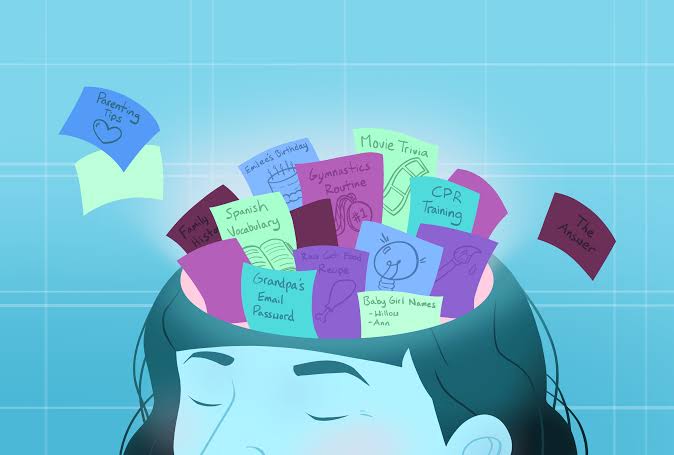
Improve memory isn’t just about remembering facts for exams. A strong memory helps you perform better at work, make smarter decisions, communicate effectively, build relationships, and maintain cognitive health throughout life.
Have you ever walked into a room and forgotten why you were there? Struggled to remember someone’s name just moments after being introduced? Or spent hours studying for an exam only to forget key information the next day?
Memory lapses happen to everyone. Fortunately, forgetting isn’t always a sign of aging or poor intelligence. In many cases, memory can be strengthened with the right habits and scientifically supported techniques.
Modern neuroscience shows that the brain remains adaptable throughout adulthood. This remarkable ability, known as neuroplasticity, means your brain can build stronger neural connections through consistent practice, healthy lifestyle choices, and effective learning strategies.
In this comprehensive guide, you’ll discover research-based methods that can help improve memory, increase concentration, boost learning efficiency, and protect your brain for years to come.
What Is Memory?
Memory is the brain’s ability to encode, store, and retrieve information.
Rather than functioning like a computer hard drive, memory is dynamic. Every experience slightly reshapes neural connections inside the brain.
Memory consists of three major stages:
1. Encoding
Receiving and processing new information.
2. Storage
Keeping information in short-term or long-term memory.
3. Retrieval
Accessing stored information when needed.
Problems can occur during any of these stages, which is why improving memory requires strengthening the entire learning process.
Why Improving Memory Matters
A stronger memory benefits nearly every aspect of life.
Some of the biggest advantages include:
- Faster learning
- Better academic performance
- Increased workplace productivity
- Improved decision-making
- Greater creativity
- Better communication
- Stronger problem-solving skills
- Reduced mental fatigue
- Healthier aging
Memory is also closely connected to confidence. The easier it becomes to remember information, the more capable and productive you feel.
Common Causes of Poor Memory
Before improving memory, it’s helpful to understand what commonly weakens it.
Several factors can interfere with memory performance, including:
- Lack of sleep
- Chronic stress
- Poor nutrition
- Dehydration
- Multitasking
- Information overload
- Sedentary lifestyle
- Anxiety
- Depression
- Certain medications
- Vitamin deficiencies
- Aging-related cognitive decline
Fortunately, many of these factors are reversible.
1. Focus Your Full Attention
Attention is the gateway to memory.
If your brain never fully processes information, it cannot store it effectively.
Whenever learning something important:
- Put away your phone.
- Turn off notifications.
- Work in a quiet environment.
- Avoid multitasking.
- Give one task your complete attention.
Research consistently shows that focused attention dramatically improves memory formation.
2. Avoid Cramming
Many students spend hours memorizing information the night before an exam.
Unfortunately, cramming produces only temporary retention.
Instead, use spaced repetition, where learning is divided into shorter sessions over several days or weeks.
For example:
- Study for 30–45 minutes.
- Review again the next day.
- Review again after three days.
- Review again after one week.
Repeated exposure strengthens long-term memory far better than marathon study sessions.
3. Organize Information Logically
Your brain naturally remembers organized information more efficiently.
Instead of memorizing random facts, group similar ideas together.
Useful techniques include:
- Mind maps
- Bullet lists
- Categories
- Flowcharts
- Outlines
- Color coding
Organized information creates stronger mental connections.
4. Use Mnemonic Techniques
Mnemonics help transform difficult information into memorable patterns.
Popular mnemonic methods include:
Acronyms
Example:
HOMES = Great Lakes
- Huron
- Ontario
- Michigan
- Erie
- Superior
Rhymes
Rhythm makes information easier to recall.
Memory Palace
Imagine placing information inside familiar locations, such as rooms in your home.
Professional memory champions frequently use this method.
Visualization
Turn abstract concepts into vivid mental images.
The more unusual or humorous the image, the easier it becomes to remember.
5. Connect New Knowledge to Existing Knowledge
The brain learns by building networks.
Whenever learning something new, ask:
- What does this remind me of?
- How does this connect with what I already know?
- Can I compare it to something familiar?
These associations strengthen long-term memory.
For example, remembering historical events becomes easier when connected to timelines you already understand.
6. Read Information Aloud
Reading silently engages fewer areas of the brain than speaking.
Reading aloud activates:
- Visual processing
- Auditory processing
- Speech production
- Motor coordination
This “production effect” significantly improves recall.
Try explaining concepts aloud as though teaching another person.
If you can teach it clearly, you’ve probably learned it well.
7. Visualize What You’re Learning
The brain processes images much faster than text.
When studying:
- Draw diagrams.
- Sketch simple illustrations.
- Create mental pictures.
- Use colorful notes.
- Watch educational animations.
Visualization transforms abstract information into memorable experiences.
8. Spend Extra Time on Difficult Material
Research on the serial position effect suggests people remember information at the beginning and end of study sessions better than material in the middle.
To overcome this:
- Review difficult topics multiple times.
- Break them into smaller sections.
- Mix easier topics with harder ones.
Extra repetition strengthens weak memory pathways.
9. Change Your Study Environment
Surprisingly, studying in different environments can improve recall.
Changing locations introduces novelty, encouraging stronger memory formation.
Try studying in:
- Libraries
- Coffee shops
- Parks
- Different rooms at home
A fresh environment can stimulate attention and improve learning.
10. Prioritize High-Quality Sleep
Sleep is one of the most powerful memory enhancers.
During deep sleep, the brain consolidates information learned throughout the day.
Without adequate sleep:
- Concentration declines.
- Learning slows.
- Recall becomes less accurate.
Adults should generally aim for 7–9 hours of quality sleep each night.
Helpful sleep habits include:
- Maintaining a regular bedtime
- Limiting screen time before bed
- Avoiding caffeine late in the day
- Keeping the bedroom cool and dark
Even short naps after learning can improve memory consolidation.
11. Exercise Regularly
Physical activity benefits the brain as much as the body.
Exercise increases blood flow to the brain and stimulates the release of brain-derived neurotrophic factor (BDNF), a protein that supports learning and memory.
Excellent exercises include:
- Walking
- Cycling
- Swimming
- Strength training
- Dancing
- Yoga
Experts generally recommend at least 150 minutes of moderate exercise per week.
12. Eat Foods That Support Brain Health
Your brain requires proper nutrition to function efficiently.
Several eating patterns have been linked with better cognitive health, including the Mediterranean Diet and the MIND Diet.
Brain-friendly foods include:
Fatty Fish
Rich in omega-3 fatty acids.
Examples:
- Salmon
- Sardines
- Mackerel
Leafy Greens
Contain nutrients that support brain function.
Examples:
- Spinach
- Kale
- Broccoli
Berries
Packed with antioxidants that help protect brain cells.
Nuts
Especially walnuts, which provide healthy fats and vitamin E.
Whole Grains
Provide steady energy for the brain.
Eggs
Excellent source of choline, an important nutrient for memory.
Dark Chocolate
Contains flavonoids that may support cognitive performance when consumed in moderation.
13. Manage Stress Effectively
Chronic stress can impair memory by increasing cortisol levels.
High cortisol interferes with the hippocampus—the brain region responsible for forming memories.
Effective stress-management techniques include:
- Meditation
- Mindfulness
- Deep breathing
- Walking outdoors
- Yoga
- Journaling
- Listening to calming music
- Gratitude practice
Reducing stress benefits both mental and physical health.
14. Stay Mentally Active
Your brain strengthens through regular use.
Challenge yourself with activities such as:
- Reading books
- Learning a language
- Playing chess
- Solving puzzles
- Practicing music
- Taking online courses
Continuous learning builds cognitive reserve, helping protect the brain as you age.
15. Maintain Strong Social Connections
Conversations stimulate multiple brain functions simultaneously.
Social interaction requires:
- Listening
- Memory
- Language
- Emotional processing
- Decision-making
Studies suggest socially active individuals may experience slower cognitive decline than those who are isolated.
Spend time with:
- Family
- Friends
- Community groups
- Volunteer organizations
Healthy relationships benefit both memory and emotional well-being.
Daily Habits That Improve Memory
Small daily routines can make a significant difference over time.
Consider adopting these habits:
- Review important information before bed.
- Drink enough water throughout the day.
- Limit excessive alcohol consumption.
- Take regular breaks while working.
- Practice mindfulness for 10 minutes daily.
- Keep a consistent sleep schedule.
- Exercise most days of the week.
- Learn something new every day.
Consistency is more important than perfection.
Memory Improvement Techniques for Students
Students can maximize learning by combining several strategies.
A highly effective routine includes:
- Preview the material.
- Study in focused 30–45 minute sessions.
- Take short breaks.
- Explain concepts aloud.
- Use flashcards with spaced repetition.
- Review before sleeping.
- Get adequate rest.
This approach promotes deeper understanding and longer-lasting retention.
Memory Improvement for Older Adults
Some memory changes occur naturally with age, but many can be slowed through healthy habits.
Older adults should focus on:
- Regular exercise
- Nutritious eating
- Social engagement
- Lifelong learning
- Managing chronic conditions
- Quality sleep
- Routine medical checkups
While occasional forgetfulness is common, persistent or worsening memory problems should be discussed with a healthcare professional.
Foods and Lifestyle Habits to Avoid
Certain habits may negatively affect memory over time.
Try to limit:
- Chronic sleep deprivation
- Smoking
- Excessive alcohol
- Highly processed foods
- Chronic stress
- Physical inactivity
- Excessive screen time
- Constant multitasking
Replacing these habits with healthier alternatives supports long-term brain health.
Frequently Asked Questions
Can memory really improve with practice?
Yes. Thanks to neuroplasticity, the brain can strengthen neural connections through repetition, learning, exercise, and healthy lifestyle choices.
How long does it take to improve memory?
Some strategies, such as focused attention or mnemonic techniques, can produce immediate benefits. Lifestyle changes like regular exercise and improved sleep often show noticeable cognitive improvements over several weeks to months.
What is the best exercise for memory?
Aerobic exercises such as brisk walking, swimming, cycling, and jogging have consistently been linked to improved memory and overall brain health.
Does sleep improve memory?
Absolutely. During sleep, the brain consolidates newly learned information into long-term memory, making adequate rest essential for learning and recall.
Which diet is best for brain health?
Research suggests that the Mediterranean Diet and the MIND Diet—both rich in vegetables, fruits, whole grains, fish, nuts, and healthy fats—may support memory and help reduce the risk of cognitive decline.
Conclusion
Learning how to improve memory is not about finding a single miracle technique—it is about building a collection of healthy, evidence-based habits that work together over time. From giving your full attention and using mnemonic devices to getting enough sleep, exercising regularly, eating brain-friendly foods, and managing stress, every positive choice strengthens your brain’s ability to learn and remember.
Memory is a skill that can be trained throughout life. Whether you’re a student preparing for exams, a professional managing complex projects, or an older adult aiming to maintain cognitive health, consistent practice and a healthy lifestyle can lead to meaningful improvements. By applying the strategies outlined in this guide, you’ll not only enhance your ability to recall information but also support lifelong brain health, sharper thinking, and greater confidence in your everyday activities.
Sources
- Verywell Mind – How to Improve Memory Based on Research
- National Institute on Aging (NIA)
- Harvard Medical School – Harvard Health Publishing
- American Psychological Association (APA)
- Centers for Disease Control and Prevention (CDC)
- Alzheimer’s Association
- Mayo Clinic
- National Institutes of Health (NIH)