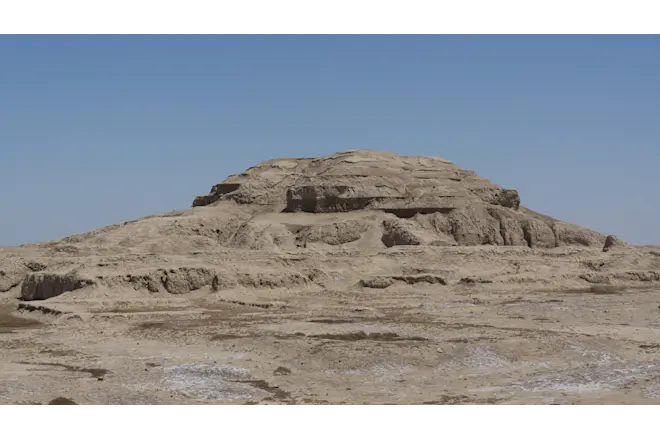
Ancient civilizations demonstrated extraordinary creativity and resilience from the fertile plains of Mesopotamia to the pyramids of Egypt, from the bustling cities of the Indus Valley to the philosophical academies of Greece.
Thousands of years before skyscrapers, smartphones, and artificial intelligence, humanity experienced one of its greatest transformations—the birth of ancient civilizations. These remarkable societies laid the foundations of agriculture, writing, architecture, government, science, mathematics, and philosophy. Their innovations changed the course of history and continue to influence nearly every aspect of our daily lives.
They built monumental cities without modern machinery, developed sophisticated legal systems, observed the stars with remarkable accuracy, and created cultural traditions that have survived for millennia.
This article explores seven of history’s most groundbreaking ancient civilizations, highlighting their greatest achievements, lasting contributions, and fascinating legacies that continue to shape the modern world.
What Defines an Ancient Civilization?
Before exploring each civilization, it’s important to understand what historians mean by the term ancient civilization.
A civilization generally possesses several defining characteristics:
- Permanent settlements
- Organized government
- Social hierarchy
- Agriculture capable of producing food surpluses
- Writing systems
- Specialized occupations
- Religious institutions
- Trade networks
- Monumental architecture
These characteristics allowed societies to move beyond simple survival and develop complex cultures, technologies, and institutions.
Why Ancient Civilizations Matter Today
Although thousands of years separate us from these early societies, many aspects of modern civilization originated during ancient times.
Their contributions include:
- Written language
- Mathematics
- Astronomy
- Engineering
- Medicine
- Legal systems
- Democracy
- Urban planning
- Literature
- Philosophy
Without these innovations, modern civilization would look dramatically different.
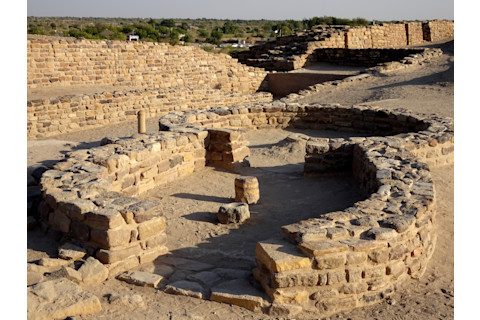
1. Sumerian Civilization: The Cradle of Civilization
Time Period
Approximately 4500 B.C. – 1900 B.C.
Location
Southern Mesopotamia (modern Iraq)
The Sumerians established what many historians recognize as the world’s first urban civilization. Located between the Tigris and Euphrates Rivers, this fertile region became the birthplace of cities, organized governments, and written history.
Major Achievements
The First Cities
Sumerians transformed farming villages into thriving cities such as:
- Ur
- Uruk
- Eridu
- Lagash
These cities featured temples, marketplaces, administrative buildings, and residential neighborhoods.
Invention of Writing
Perhaps their greatest contribution was cuneiform, one of humanity’s earliest writing systems.
Initially developed for recording trade and taxes, cuneiform later documented:
- Literature
- Laws
- Religious texts
- Scientific observations
- Historical events
Writing allowed knowledge to be preserved across generations.
Mathematics and Timekeeping
The Sumerians also introduced:
- Base-60 mathematics
- The 60-minute hour
- The 60-second minute
- Early geometry
- Astronomical observations
Even today, we divide time using their mathematical system.
Other Innovations
- Irrigation systems
- Bronze tools
- Wheeled vehicles
- Early schools
- Legal codes
2. Indus Valley Civilization: Masters of Urban Planning
Time Period
Approximately 3300 B.C. – 1300 B.C.
Location
Present-day Pakistan and northwestern India
The Indus Valley Civilization was one of the largest and most advanced civilizations of the ancient world.
Its greatest strength was not massive monuments but exceptional city planning.
Famous Cities
The best-known cities include:
- Harappa
- Mohenjo-daro
- Dholavira
These cities demonstrated remarkable engineering.
Advanced Urban Design
Features included:
- Grid-pattern streets
- Brick houses
- Covered drainage systems
- Public baths
- Water wells
- Waste management systems
Many modern cities still use similar planning principles.
Standardization
The Indus people developed standardized:
- Bricks
- Weights
- Measurements
- Construction methods
This consistency supported efficient trade across vast distances.
Mystery of the Script
The civilization created a unique writing system that remains undeciphered despite decades of research.
Its symbols appear on:
- Seals
- Pottery
- Jewelry
- Trade goods
Unlocking this script remains one of archaeology’s greatest challenges.
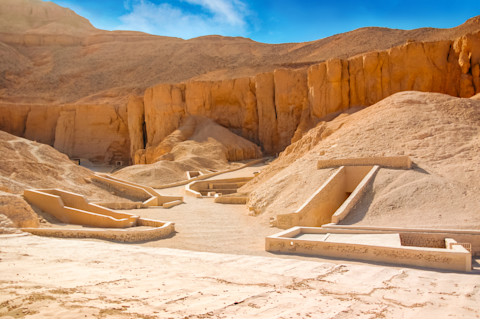
3. Ancient Egypt: Masters of Engineering and Medicine
Time Period
Approximately 3100 B.C. – 30 B.C.
Location
Along the Nile River
Few ancient civilizations capture the imagination like Ancient Egypt.
Protected by deserts and sustained by the Nile River, Egypt flourished for over 3,000 years.
Monumental Architecture
The Egyptians built some of history’s most iconic structures:
- The Great Pyramid of Giza
- The Great Sphinx
- Luxor Temple
- Karnak Temple
- Valley of the Kings
These achievements continue to amaze engineers today.
Hieroglyphics
Egyptians developed an elaborate writing system using:
- Symbols
- Pictures
- Phonetic characters
Hieroglyphics recorded everything from religious beliefs to royal decrees.
Medical Knowledge
Ancient Egyptian physicians possessed advanced understanding of:
- Surgery
- Bone fractures
- Dentistry
- Anatomy
- Herbal medicine
Mummification also improved their anatomical knowledge.
Engineering Excellence
Egyptian builders mastered:
- Quarrying stone
- Monument construction
- Irrigation
- Geometry
- Surveying
Many structures have survived over 4,000 years.
4. Ancient China: Innovation Through Dynasties
Time Period
Approximately 2070 B.C. – A.D. 220
Location
Yellow River Valley
Ancient China developed one of the world’s longest continuous civilizations.
Successive dynasties refined governance, technology, and philosophy over thousands of years.
The Mandate of Heaven
Chinese rulers governed under the belief that Heaven granted authority only to just leaders.
This concept encouraged responsible governance and influenced Chinese political thought for centuries.
Great Innovations
Ancient China introduced:
- Silk production
- Early paper
- Block printing
- Compass technology
- Advanced metallurgy
These inventions transformed global civilization.
Philosophy
Chinese philosophy remains influential today.
Major thinkers include:
- Confucius
- Laozi
- Mencius
Their teachings emphasized:
- Respect
- Education
- Family
- Ethical leadership
- Social harmony
Engineering
The Great Wall, begun during ancient times and expanded over centuries, remains one of humanity’s greatest engineering achievements.
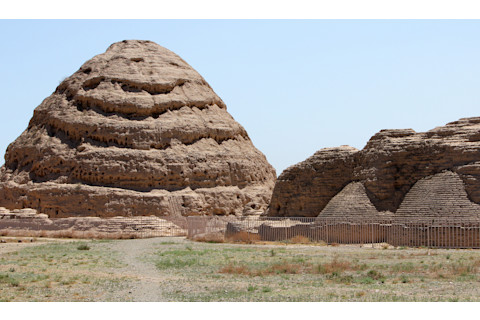
5. Maya Civilization: Astronomers of the Ancient Americas
Time Period
Approximately 1000 B.C. – A.D. 1520
Location
Mexico, Guatemala, Belize, Honduras, and El Salvador
The Maya built one of the most intellectually sophisticated civilizations in the Americas.
Rather than creating a unified empire, they developed powerful independent city-states.
Extraordinary Astronomy
The Maya carefully observed:
- Venus
- Mars
- The Moon
- Solar cycles
- Lunar eclipses
Their astronomical calculations remain remarkably accurate.
Calendar Systems
The Maya developed multiple interconnected calendars for:
- Agriculture
- Religious ceremonies
- Government
- Astronomy
Their Long Count calendar became famous worldwide.
Writing System
Unlike many ancient American cultures, the Maya possessed a fully developed writing system capable of recording:
- History
- Royal genealogies
- Scientific knowledge
- Religious beliefs
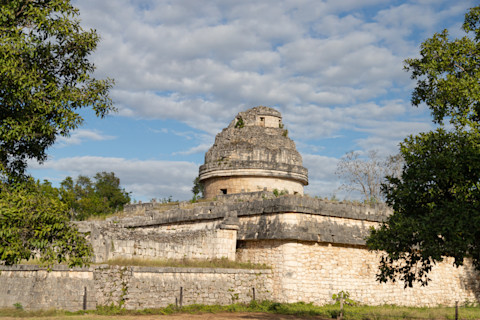
Architecture
Magnificent Maya cities featured:
- Step pyramids
- Observatories
- Ball courts
- Palaces
- Ceremonial plazas
Examples include Chichen Itza, Tikal, and Palenque.
6. Ancient Greece: Birthplace of Western Philosophy
Time Period
Approximately 1100 B.C. – 140 A.D.
Location
The Aegean region
Ancient Greece profoundly influenced politics, science, philosophy, literature, and education.
Its legacy extends throughout the modern Western world.
Democracy
Athens introduced one of history’s earliest forms of democracy.
Although limited compared with modern democracies, it established revolutionary ideas about citizen participation.
Philosophy
Greek philosophers transformed human thought.
Among the most influential were:
- Socrates
- Plato
- Aristotle
Their work explored:
- Ethics
- Logic
- Politics
- Education
- Science
Their ideas remain foundational in universities worldwide.
Science and Mathematics
Greek scholars made advances in:
- Geometry
- Astronomy
- Medicine
- Physics
- Biology
Figures such as Euclid, Archimedes, and Hippocrates shaped scientific thinking for centuries.
Literature
Greek literature introduced enduring works such as:
- The Iliad
- The Odyssey
- Greek tragedies
- Comedies
These stories continue to inspire modern literature and film.
7. Ancient Rome: Builders of an Empire
Time Period
Approximately 750 B.C. – A.D. 476
Location
Italian Peninsula and Mediterranean
Rome transformed from a small settlement into one of history’s greatest empires.
Its influence stretched across Europe, North Africa, and the Middle East.
Engineering Marvels
Roman engineers perfected:
- Roads
- Aqueducts
- Bridges
- Amphitheaters
- Concrete construction
Many Roman structures remain standing today.
Roman Law
Roman legal principles influenced countless modern legal systems.
Concepts including:
- Contracts
- Property rights
- Civil law
- Legal procedures
still appear in contemporary courts.
Architecture
Roman architecture emphasized both beauty and practicality.
Famous examples include:
- The Colosseum
- The Pantheon
- Roman forums
- Public baths
Their engineering techniques inspired later civilizations.
Knowledge Preservation
Romans collected and organized knowledge from across their empire, helping preserve Greek science, philosophy, and literature for future generations.
Shared Characteristics of Great Ancient Civilizations
Although separated by geography and culture, these civilizations shared several remarkable traits.
Agricultural Success
Reliable food production enabled population growth and specialization.
Innovation
Necessity encouraged inventions in engineering, writing, transportation, and medicine.
Organized Government
Centralized leadership supported infrastructure, defense, and law.
Trade
Extensive trade routes spread ideas, technologies, religions, and goods across continents.
Cultural Development
Art, literature, religion, and philosophy flourished alongside economic growth.
Lessons Modern Society Can Learn from Ancient Civilizations
Ancient civilizations continue to offer valuable lessons.
Long-Term Planning
Many monumental projects required decades—or even centuries—to complete.
Sustainable Water Management
Ancient irrigation and water systems demonstrate the importance of resource management.
Investment in Knowledge
Schools, libraries, writing, and scholarship ensured knowledge survived generations.
Community Cooperation
Large public works required collaboration among thousands of people.
Adaptation
Civilizations that adapted to environmental and political challenges often survived longer than those that resisted change.
Why Did Many Ancient Civilizations Decline?
Even the greatest civilizations eventually faced decline.
Common contributing factors include:
- Climate change
- Drought
- Disease
- Warfare
- Political instability
- Economic inequality
- Resource depletion
- Foreign invasions
Their rise and fall remind us that civilizations require resilience, adaptability, and responsible leadership.
The Lasting Legacy of Ancient Civilizations
Today, traces of ancient civilizations surround us.
Every time we:
- Read and write
- Tell time
- Vote
- Build roads
- Study mathematics
- Practice medicine
- Debate philosophy
- Observe the stars
we benefit from discoveries made thousands of years ago.
Museums, archaeological sites, and ongoing excavations continue revealing new insights into these remarkable societies. Modern technologies such as satellite imaging, DNA analysis, and artificial intelligence are helping researchers uncover secrets that remained hidden for centuries.

Frequently Asked Questions (FAQ)
What is the oldest known ancient civilization?
The Sumerian Civilization of Mesopotamia is generally regarded as the world’s earliest known urban civilization, dating back to around 4500 B.C.
Which ancient civilization invented writing?
The Sumerians developed cuneiform, one of the earliest known writing systems. Ancient Egypt independently developed hieroglyphics.
Which ancient civilization built the pyramids?
The ancient Egyptians constructed the famous pyramids, including the Great Pyramid of Giza.
Why are ancient civilizations important?
They established the foundations of modern society through advances in government, science, writing, engineering, medicine, mathematics, philosophy, and urban planning.
Which ancient civilization had the best city planning?
The Indus Valley Civilization is widely admired for its sophisticated grid-based cities, sanitation systems, and standardized construction.
Conclusion
The story of ancient civilizations is ultimately the story of humanity’s remarkable capacity for innovation, cooperation, and creativity. Long before modern technology, these societies developed writing systems, monumental architecture, mathematical principles, philosophical traditions, and engineering feats that continue to influence our lives today.
From the pioneering cities of Sumer and the monumental achievements of Ancient Egypt to the urban sophistication of the Indus Valley, the enduring philosophies of China and Greece, the astronomical brilliance of the Maya, and the engineering mastery of Rome, each civilization contributed a unique chapter to the history of human progress.
Studying these civilizations not only deepens our understanding of the past but also offers timeless lessons about resilience, governance, sustainability, and the pursuit of knowledge. Their achievements remind us that many of the ideas shaping the modern world have roots stretching back thousands of years. As archaeology and historical research continue to uncover new discoveries, the legacy of these extraordinary societies will remain an enduring source of inspiration for generations to come.
Sources
- Discover Magazine – 7 Groundbreaking Ancient Civilizations That Influence Us Today
- UNESCO World Heritage Centre
- Smithsonian Institution
- Encyclopaedia Britannica
- World History Encyclopedia
- The British Museum
- National Geographic History