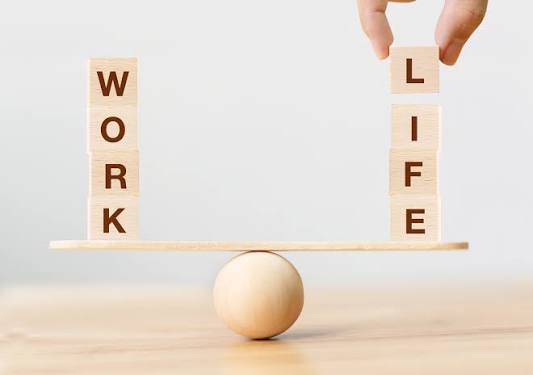
Work-life balance has become one of the most important aspects of modern wellbeing. Achieving the right balance doesn’t mean working fewer hours or neglecting your career. Instead, it means creating a healthy relationship between your professional responsibilities and your personal life so that both can thrive.
In today’s fast-paced world, work has become more connected than ever before. Emails arrive after office hours, instant messages demand immediate replies, and smartphones make it possible to stay connected 24/7. While technology has made work more flexible, it has also blurred the line between professional responsibilities and personal life.
Many people find themselves answering emails during dinner, thinking about deadlines before going to sleep, or sacrificing weekends to catch up on unfinished tasks. Over time, this constant pressure can lead to stress, exhaustion, burnout, and strained relationships.
A healthy work-life balance allows you to be fully engaged while working and fully present when spending time with family, friends, hobbies, or simply relaxing. It supports better physical health, stronger mental wellbeing, improved productivity, and greater overall happiness.
In this comprehensive guide, you’ll learn what work-life balance really means, why it matters, what causes poor balance, and practical strategies you can use to create a healthier and more fulfilling life.
What Is Work-Life Balance?
Work-life balance refers to maintaining a healthy distribution of time and energy between your professional responsibilities and your personal life.
It doesn’t necessarily mean splitting your time equally between work and leisure. Instead, it means finding a balance that allows you to:
- Meet work responsibilities effectively
- Enjoy meaningful personal time
- Maintain physical and mental health
- Build strong relationships
- Pursue hobbies and interests
- Rest and recharge regularly
Perhaps the most important aspect of work-life balance is the ability to “switch off” from work. When you’re away from work, you should be mentally present with your family, friends, and personal activities instead of constantly worrying about emails, meetings, or deadlines.
Everyone’s ideal balance looks different. For some, it means working flexible hours to care for children. For others, it may involve remote work, shorter commutes, or simply protecting evenings and weekends for personal time.
Why Work-Life Balance Is More Important Than Ever
The modern workplace has evolved dramatically over the past decade. Remote work, digital communication, and flexible schedules have brought many benefits, but they have also made it easier for work to spill into personal life.
Without clear boundaries, employees may experience:
- Longer working hours
- Constant availability
- Increased stress
- Difficulty disconnecting
- Reduced time for self-care
- Less quality time with loved ones
Maintaining work-life balance helps prevent these challenges while supporting long-term career success and personal wellbeing.
Common Causes of Poor Work-Life Balance
Many factors contribute to an unhealthy work-life balance. Understanding these causes is the first step toward making positive changes.
1. Constant Connectivity Through Technology
Technology has transformed the way we work. Smartphones, laptops, cloud platforms, and messaging apps allow employees to work from almost anywhere.
While this flexibility is valuable, it also creates the expectation of being available at all times.
Many people find themselves:
- Replying to emails after work
- Checking Slack or Microsoft Teams at night
- Answering work calls during vacations
- Reading messages before bed
This constant connection makes it difficult to truly relax and recover.
2. Long or Irregular Working Hours
Not every job follows a traditional 9-to-5 schedule.
Many industries require:
- Shift work
- Night shifts
- Weekend work
- Overtime
- On-call responsibilities
Irregular schedules can disrupt sleep, family routines, and social activities, making it harder to maintain balance.
3. High Job Demands
Heavy workloads, tight deadlines, and ambitious performance goals often increase workplace stress.
Employees may feel pressure to:
- Work late
- Skip breaks
- Cancel vacations
- Continue working while sick
Over time, these habits increase the risk of burnout.
4. Lack of Workplace Flexibility
Some organizations offer little flexibility regarding work schedules or locations.
Employees may struggle to manage:
- Family emergencies
- Medical appointments
- Childcare
- Personal responsibilities
Greater flexibility often leads to improved wellbeing and productivity.
Signs You May Have Poor Work-Life Balance
Recognizing the warning signs early can help prevent more serious problems.
Common symptoms include:
- Constant fatigue
- Chronic stress
- Difficulty sleeping
- Frequent illness
- Trouble concentrating
- Irritability
- Loss of motivation
- Declining job satisfaction
- Less time with family and friends
- No time for hobbies
- Feeling guilty when taking breaks
If several of these signs sound familiar, it may be time to reassess your priorities.
Benefits of Maintaining a Healthy Work-Life Balance
Creating healthier boundaries benefits every aspect of your life.
1. Reduced Stress and Burnout
One of the biggest advantages of work-life balance is lower stress.
Taking time away from work allows your mind and body to recover.
Regular downtime helps reduce:
- Mental exhaustion
- Emotional fatigue
- Anxiety
- Burnout risk
Even short breaks throughout the day can improve focus and energy.
2. Better Physical Health
A balanced lifestyle makes healthy habits easier to maintain.
You’ll have more time for:
- Exercise
- Meal preparation
- Quality sleep
- Outdoor activities
- Medical appointments
These habits lower the risk of chronic diseases while improving overall wellbeing.

3. Improved Mental Health
Mental health is closely connected to lifestyle balance.
Having time for relaxation, hobbies, and social connections helps reduce:
- Stress
- Depression
- Anxiety
- Emotional exhaustion
Activities that bring joy can significantly improve resilience and life satisfaction.
4. Higher Productivity
Many people assume working longer hours leads to better results.
In reality, excessive work often reduces productivity.
Well-rested employees typically:
- Think more clearly
- Make fewer mistakes
- Solve problems faster
- Stay motivated longer
Working smarter is usually more effective than working longer.
5. Increased Job Satisfaction
Employees who maintain balance often enjoy their work more.
When work doesn’t dominate every aspect of life, people tend to experience:
- Greater motivation
- Stronger engagement
- Higher morale
- Better workplace relationships
Satisfied employees are also more likely to remain with their organizations.
6. Stronger Relationships
Healthy work-life balance creates opportunities to spend quality time with:
- Partners
- Children
- Parents
- Friends
Strong relationships provide emotional support and contribute significantly to happiness.
Whether it’s family dinners, weekend trips, or simply being present during conversations, these moments strengthen meaningful connections.
Practical Strategies to Improve Work-Life Balance
Improving work-life balance requires intentional daily habits.
Set Clear Boundaries
Separate work time from personal time whenever possible.
Helpful boundaries include:
- Defining work hours
- Turning off work notifications after hours
- Avoiding work emails before bed
- Creating a dedicated workspace when working remotely
Boundaries help your brain transition between work and relaxation.
Prioritize Your Tasks
Not every task deserves equal attention.
Use methods such as:
- To-do lists
- Digital calendars
- Priority matrices
- Time blocking
Focusing on high-impact work first improves efficiency while reducing unnecessary stress.
Learn Effective Time Management
Good time management creates more freedom.
Consider:
- Breaking large projects into smaller tasks
- Avoiding multitasking
- Scheduling focused work sessions
- Planning tomorrow’s priorities today
Working efficiently leaves more time for personal life.
Take Regular Breaks
Short breaks improve concentration and reduce fatigue.
Ideas include:
- Stretching
- Walking outside
- Drinking water
- Practicing deep breathing
- Taking lunch away from your desk
Stepping away periodically helps maintain productivity throughout the day.
Make Self-Care a Priority
Self-care isn’t a luxury—it’s essential.
Protect time for activities that recharge your energy.
Examples include:
- Exercise
- Reading
- Meditation
- Gardening
- Music
- Creative hobbies
Consistent self-care improves both physical and emotional health.
Communicate With Your Employer
If your workload becomes overwhelming, honest communication can help.
Discuss possibilities such as:
- Flexible schedules
- Adjusted deadlines
- Remote work
- Reduced overtime
- Additional support
Many employers value proactive conversations about employee wellbeing.
Use Flexible Work Options
When available, flexible arrangements can greatly improve balance.
Examples include:
- Remote work
- Hybrid schedules
- Flexible hours
- Compressed workweeks
- Job sharing
These options often reduce commuting time while increasing personal flexibility.
Delegate Responsibilities
You don’t have to do everything yourself.
Delegating appropriate tasks:
- Reduces stress
- Builds teamwork
- Improves efficiency
- Develops leadership skills
Learning to trust others benefits both individuals and organizations.
Make Time for Hobbies
Hobbies provide a healthy mental break from work.
Popular choices include:
- Sports
- Painting
- Cooking
- Photography
- Hiking
- Playing music
- Volunteering
Personal interests contribute to creativity, confidence, and overall happiness.
Ask for Support
Sometimes balancing work and life becomes difficult despite your best efforts.
Don’t hesitate to seek help from:
- Family
- Friends
- Mentors
- Managers
- Counselors
- Employee assistance programs
Seeking support is a sign of strength, not weakness.
How Employers Can Support Work-Life Balance
Organizations also play a critical role in employee wellbeing.
Effective employers often:
- Encourage reasonable workloads
- Respect personal time
- Offer flexible work arrangements
- Promote regular breaks
- Support mental health initiatives
- Discourage excessive overtime
- Recognize employee achievements
A positive workplace culture benefits both employees and business performance.
Can Technology Help or Hurt Work-Life Balance?
Technology is a double-edged sword.
Benefits
Technology enables:
- Remote work
- Flexible schedules
- Faster communication
- Better collaboration
- Increased efficiency
Challenges
However, technology may also lead to:
- Constant notifications
- Always being “on”
- Difficulty disconnecting
- Digital fatigue
The key is using technology intentionally by establishing healthy digital boundaries.
Common Challenges to Achieving Work-Life Balance
Many professionals struggle because of:
- Long working hours
- Heavy workloads
- Long commutes
- Shift work
- Family responsibilities
- Financial pressure
- Workplace expectations
- Constant digital communication
Recognizing these obstacles helps you develop practical solutions.
How to Assess Your Current Work-Life Balance
Ask yourself the following questions:
- Do I regularly feel exhausted?
- Can I disconnect from work after hours?
- Do I spend enough time with loved ones?
- Do I have hobbies outside work?
- Am I sleeping well?
- Do I often skip meals or exercise because of work?
- Am I happy with my current lifestyle?
If you answered “no” to several of these questions, small adjustments can make a meaningful difference.
Building Sustainable Work-Life Balance Habits
Long-term success comes from consistency rather than perfection.
Start with simple changes:
- Leave work on time once a week.
- Turn off work notifications after hours.
- Schedule exercise three times per week.
- Eat lunch away from your desk.
- Plan family or personal activities each weekend.
- Take your vacation days.
- Protect your sleep schedule.
These small habits gradually create healthier routines that become easier to maintain over time.
Conclusion
Achieving a healthy work-life balance is one of the most valuable investments you can make in your overall wellbeing. In an age of constant connectivity and increasing workplace demands, setting boundaries between work and personal life has never been more important. Balance is not about working less—it is about working smarter while making time for the people, activities, and moments that enrich your life.
When you prioritize work-life balance, you reduce stress, prevent burnout, improve your physical and mental health, and strengthen your relationships with family and friends. At the same time, you become more focused, productive, and engaged at work. Employers also benefit from happier, healthier employees who are more motivated and resilient.
Remember that work-life balance is not a one-time achievement but an ongoing process. Your priorities may shift as your career and personal life evolve, and your approach to balance should evolve with them. By setting clear boundaries, managing your time effectively, embracing self-care, and seeking support when needed, you can build a lifestyle that supports both professional success and personal fulfillment.
Ultimately, true success is not measured solely by career achievements but by the ability to enjoy a meaningful, healthy, and balanced life.
Frequently Asked Questions (FAQs)
What is work-life balance?
Work-life balance is the ability to maintain a healthy relationship between work responsibilities and personal life, allowing enough time for rest, family, hobbies, and self-care while meeting professional commitments.
What causes poor work-life balance?
Common causes include constant digital connectivity, long working hours, demanding workloads, irregular schedules, long commutes, and limited workplace flexibility.
Why is work-life balance important?
A healthy work-life balance reduces stress and burnout, improves physical and mental health, increases productivity, strengthens relationships, and enhances overall life satisfaction.
How can I improve my work-life balance?
You can improve your work-life balance by setting clear boundaries, managing your time effectively, taking regular breaks, prioritizing self-care, using flexible work options when available, delegating tasks, and communicating openly with your employer.
Can technology improve work-life balance?
Yes. Technology can improve work-life balance by enabling flexible and remote work. However, without clear boundaries, it can also blur the line between work and personal life. Using technology mindfully and limiting after-hours work communication can help maintain a healthier balance.
Sources
- SEEK New Zealand. How to Improve Work-Life Balance.
- World Health Organization (WHO)
- American Psychological Association (APA)
- Harvard Business Review
- Mayo Clinic
- National Institute for Occupational Safety and Health (NIOSH)