There are many benefits of a sustainable lifestyle, practical ways to get started, common misconceptions, and how sustainable living ultimately leads to greater happiness and fulfillment.
Imagine waking up every day knowing that the choices you make are improving not only your own life but also the future of our planet. That is the heart of a sustainable lifestyle.
In recent decades, environmental challenges such as climate change, pollution, and the depletion of natural resources have become increasingly visible. While governments and businesses play major roles in addressing these issues, individuals also have tremendous power. Every reusable shopping bag, every home-cooked meal, every bike ride instead of a short car trip, and every conscious purchasing decision contributes to a healthier world.
However, a sustainable lifestyle is much more than recycling or switching off lights. It is a mindset that encourages thoughtful decisions in every aspect of life—from the food we eat and the clothes we wear to how we travel, shop, and consume energy.
The good news is that sustainable living doesn’t require perfection. Instead, it encourages continuous improvement through practical habits that benefit both people and the planet. Even the smallest actions, when adopted consistently by millions of people, can create meaningful environmental and social change.
What Is a Sustainable Lifestyle?
A sustainable lifestyle refers to living in ways that minimize negative impacts on the environment while supporting personal well-being, social responsibility, and economic stability.
Rather than consuming resources without considering future consequences, sustainable living focuses on balancing today’s needs with those of future generations.
Key principles include:
- Reducing waste
- Conserving energy
- Saving water
- Supporting ethical businesses
- Choosing reusable products
- Reducing carbon emissions
- Consuming mindfully
- Protecting biodiversity
Sustainability is not about giving up comfort. Instead, it’s about making smarter choices that improve quality of life while preserving natural resources.
Why Sustainable Living Matters More Than Ever
The world faces unprecedented environmental challenges, including:
- Rising global temperatures
- Extreme weather events
- Plastic pollution
- Deforestation
- Water shortages
- Biodiversity loss
Population growth and increasing consumption place enormous pressure on Earth’s limited resources.
By adopting sustainable habits, individuals collectively help:
- Lower greenhouse gas emissions
- Reduce landfill waste
- Preserve forests
- Protect oceans
- Improve air quality
- Conserve freshwater supplies
Although one person’s actions may seem small, widespread behavioral change can create remarkable global impact.
1. Environmental Preservation
Perhaps the greatest benefit of leading a sustainable lifestyle is protecting the environment.
Every product we purchase requires raw materials, energy, transportation, and packaging. Reducing unnecessary consumption directly lowers environmental impact.
Lower Carbon Footprint
Simple changes can significantly reduce carbon emissions:
- Walking instead of driving
- Using public transportation
- Cycling
- Purchasing local products
- Eating more plant-based meals
- Using renewable energy
Collectively, these actions reduce greenhouse gases that contribute to climate change.
Less Pollution
Reducing single-use plastics helps decrease:
- Ocean pollution
- Landfill waste
- Wildlife harm
- Microplastic contamination
Reusable alternatives such as water bottles, shopping bags, and food containers make a significant difference over time.
Protecting Wildlife
Responsible consumption reduces pressure on natural habitats.
Choosing sustainably sourced products helps protect:
- Forests
- Marine ecosystems
- Endangered species
- Biodiversity
Healthy ecosystems are essential for clean water, fertile soil, and stable climates.
2. Significant Cost Savings
Contrary to popular belief, sustainable living often saves money.
Many eco-friendly habits naturally reduce household expenses.
Lower Energy Bills
Energy-efficient practices include:
- LED lighting
- Smart thermostats
- Better home insulation
- Energy-efficient appliances
- Turning off unused electronics
These changes can reduce electricity costs throughout the year.
Reduced Transportation Costs
Walking, cycling, and public transit lower expenses related to:
- Fuel
- Parking
- Vehicle maintenance
- Insurance
Even carpooling occasionally can create noticeable savings.
Buying Less, Saving More
Mindful shopping encourages people to purchase only what they truly need.
Instead of buying inexpensive items repeatedly, many sustainable consumers invest in durable, higher-quality products that last much longer.
Over time, spending decreases while satisfaction often increases.
3. Improved Physical Health
Many sustainable habits naturally encourage healthier lifestyles.
Eating Healthier Foods
A sustainable diet often emphasizes:
- Fruits
- Vegetables
- Whole grains
- Legumes
- Seasonal produce
These foods provide essential nutrients while requiring fewer natural resources than many highly processed products.
Buying locally grown food may also support fresher meals with shorter transportation distances.
More Physical Activity
Choosing active transportation offers health benefits.
Examples include:
- Walking to work
- Riding bicycles
- Hiking
- Gardening
Regular physical activity reduces the risk of:
- Heart disease
- Diabetes
- Obesity
- High blood pressure
4. Better Mental Well-Being
Sustainability is closely connected to emotional wellness.
Spending More Time in Nature
Research consistently shows that time outdoors can:
- Lower stress
- Improve mood
- Reduce anxiety
- Increase creativity
- Boost concentration
Activities such as hiking, gardening, or simply relaxing in a park reconnect people with nature.
Living More Mindfully
Modern consumer culture often encourages endless buying.
Sustainable living shifts attention toward:
- Experiences
- Relationships
- Gratitude
- Purpose
Many people discover that happiness comes from meaningful experiences rather than accumulating possessions.
5. Conservation of Natural Resources
Earth’s resources are finite.
Responsible consumption helps preserve them for future generations.
Reduce
Buying fewer unnecessary products decreases demand for raw materials.
Reuse
Reusable products dramatically reduce waste.
Examples include:
- Cloth shopping bags
- Stainless steel water bottles
- Glass food containers
- Rechargeable batteries
Recycle
Proper recycling conserves valuable materials including:
- Paper
- Aluminum
- Glass
- Plastic
Recycling also reduces the energy required to manufacture new products.
6. Greater Personal Fulfillment
Many people discover unexpected emotional rewards through sustainable living.
Living according to personal values creates a stronger sense of purpose.
Rather than constantly pursuing more possessions, sustainable lifestyles encourage:
- Simplicity
- Appreciation
- Gratitude
- Community involvement
- Environmental responsibility
This mindset often leads to lasting satisfaction rather than temporary excitement from unnecessary purchases.

Easy Ways to Start Living Sustainably
Beginning a sustainable lifestyle doesn’t require major sacrifices.
Small, consistent actions are often the most effective.
Reduce Single-Use Plastics
Carry:
- Reusable water bottles
- Cloth shopping bags
- Metal straws
- Reusable coffee cups
Save Energy at Home
Remember to:
- Turn off lights
- Unplug chargers
- Use LED bulbs
- Air-dry clothes when possible
- Choose energy-efficient appliances
Conserve Water
Simple habits include:
- Taking shorter showers
- Fixing leaks
- Turning off taps while brushing teeth
- Collecting rainwater for gardens
Shop More Thoughtfully
Before purchasing, ask yourself:
- Do I really need this?
- Will I use it often?
- Can I buy secondhand?
- Is there a reusable alternative?
Mindful purchasing reduces clutter while lowering environmental impact.
Sustainable Food Choices
Food production significantly affects the environment.
Making smarter food choices supports both personal health and sustainability.
Helpful practices include:
- Buying seasonal produce
- Supporting local farmers
- Reducing food waste
- Planning meals
- Composting food scraps
- Eating more plant-based meals
Even replacing a few meat-based meals each week with plant-based alternatives can reduce environmental impact.
Creating a Sustainable Home
Your home offers many opportunities to practice sustainability.
Consider:
- Installing LED lighting
- Improving insulation
- Using natural cleaning products
- Recycling properly
- Growing herbs or vegetables
- Purchasing durable furniture
- Repairing instead of replacing
These changes improve efficiency while reducing long-term expenses.
Sustainable Fashion
The fashion industry consumes enormous amounts of water and energy.
A more sustainable wardrobe focuses on quality rather than quantity.
Helpful habits include:
- Buying fewer clothes
- Choosing durable fabrics
- Shopping secondhand
- Repairing damaged clothing
- Donating unwanted items
- Supporting ethical brands
Building a timeless wardrobe reduces waste and saves money over time.
Common Myths About Sustainable Living
Myth 1: Sustainable Living Is Expensive
Many sustainable habits actually reduce spending through lower energy bills and less unnecessary shopping.
Myth 2: One Person Cannot Make a Difference
Every social movement begins with individual actions.
Millions of people making small changes collectively create enormous environmental benefits.
Myth 3: Sustainable Living Means Giving Up Comfort
Modern sustainable products often improve convenience, efficiency, and quality of life.
Many people find sustainable living more enjoyable because it emphasizes health, simplicity, and meaningful experiences.
The Long-Term Impact of Sustainable Choices
The benefits of sustainable living extend beyond individual households.
Communities embracing sustainability often experience:
- Cleaner neighborhoods
- Improved public health
- Stronger local economies
- Better air quality
- More resilient ecosystems
Future generations inherit healthier environments, preserved natural resources, and more stable communities.
How Families Can Practice Sustainability Together
Teaching children sustainable habits creates lifelong environmental awareness.
Family activities include:
- Recycling together
- Planting trees
- Growing vegetables
- Walking instead of driving short distances
- Conserving electricity
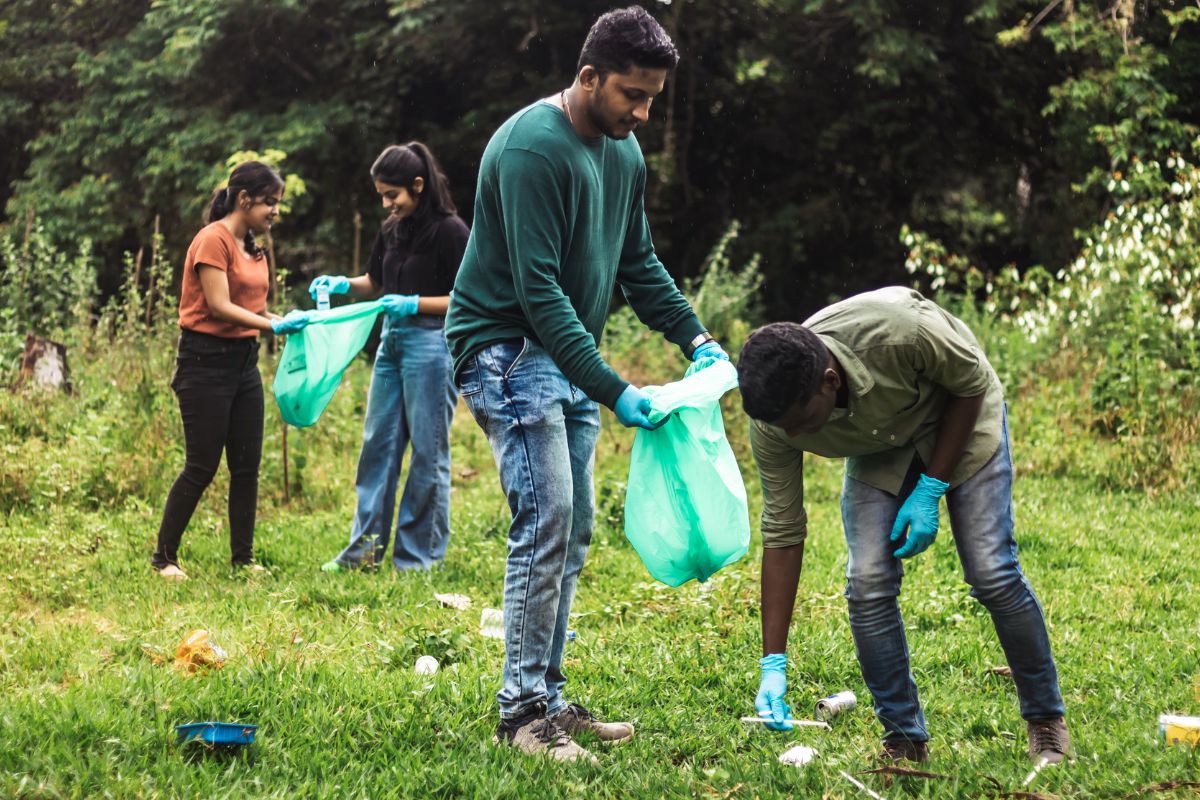
- Cleaning local parks
- Donating unused items
These experiences help children understand responsibility while strengthening family bonds.
Building Sustainable Habits That Last
The secret to long-term success is focusing on progress rather than perfection.
Start with one habit at a time:
- Carry a reusable water bottle.
- Switch to LED light bulbs.
- Reduce food waste.
- Walk short distances.
- Buy only what you truly need.
Once one habit becomes automatic, gradually add another.
Consistency matters far more than making dramatic changes overnight.

Conclusion
Choosing a sustainable lifestyle is one of the most meaningful investments you can make—for yourself, your community, and future generations. It is not about achieving perfection or eliminating every environmental impact. Instead, it is about making thoughtful decisions that collectively create lasting positive change.
From protecting natural ecosystems and conserving precious resources to improving your health, reducing household expenses, and fostering greater personal fulfillment, sustainable living offers benefits that reach every aspect of life. Even simple actions—using reusable products, reducing food waste, conserving energy, or supporting local businesses—can have a significant cumulative effect when practiced consistently.
The journey toward sustainability begins with awareness and grows through everyday habits. As more people embrace mindful consumption and environmentally responsible choices, communities become stronger, healthier, and more resilient. Ultimately, living sustainably is about recognizing that our daily actions shape the world we leave behind.
Start with one small change today. Over time, those small steps will become lasting habits that not only enrich your own life but also contribute to a cleaner, healthier, and more sustainable future for everyone.
Frequently Asked Questions (FAQ)
What is a sustainable lifestyle?
A sustainable lifestyle is a way of living that minimizes environmental impact by conserving resources, reducing waste, and making responsible choices that support both personal well-being and the health of the planet.
What are the benefits of sustainable living?
Sustainable living helps protect the environment, saves money, improves physical and mental health, conserves natural resources, and provides a greater sense of purpose and fulfillment.
Is sustainable living expensive?
Not necessarily. While some eco-friendly products may have higher upfront costs, many sustainable habits—such as reducing energy use, buying fewer items, and preventing food waste—can save money over time.
How can beginners start living sustainably?
Begin with simple habits like using reusable bags and bottles, conserving electricity and water, recycling properly, reducing food waste, walking or cycling for short trips, and purchasing only what you truly need.
Why is a sustainable lifestyle important?
A sustainable lifestyle helps address global challenges such as climate change, pollution, and resource depletion while creating healthier communities and ensuring a better future for generations to come.
Sources
- Sustain Your Style. 6 Life Changing Benefits of Leading a Sustainable Lifestyle.
- United Nations Environment Programme (UNEP)
- World Health Organization (WHO)
- Intergovernmental Panel on Climate Change (IPCC)
- U.S. Environmental Protection Agency (EPA)
- World Resources Institute (WRI)