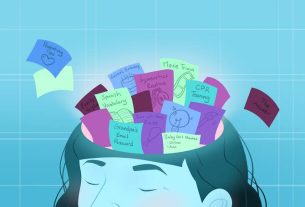
Survival skills are not only about finding food, building shelters, or navigating through forests. They include a wide range of physical, mental, and practical abilities that help people respond effectively to emergencies, unexpected challenges, and stressful situations.
In an unpredictable world, knowing how to protect yourself, solve problems, and remain calm during difficult situations has become increasingly important. While many people associate survival skills with wilderness adventures, camping, or extreme environments, these abilities are useful in everyday life as well.
A sudden natural disaster, a power outage, a medical emergency, or even a personal crisis can happen without warning. In these moments, preparation and knowledge can make a significant difference.
Developing survival skills helps individuals become more confident, independent, adaptable, and resilient. These skills teach us how to think clearly under pressure, make better decisions, and use available resources wisely.
This article explores the most important survival skills everyone should learn, why they matter, and how they can improve safety and quality of life.
What Are Survival Skills?
Survival skills are practical abilities, knowledge, and strategies that allow people to stay alive and function effectively during challenging situations.
Traditionally, survival skills focused on outdoor environments, including:
- Finding safe shelter
- Creating fire
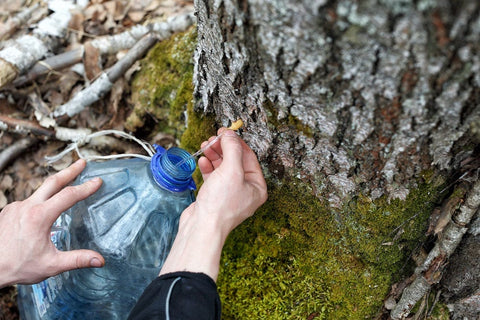
- Locating clean water
- Finding food sources
- Navigating unfamiliar areas
However, modern survival skills have expanded beyond wilderness situations. Today, they include:
- Emergency preparation
- First aid knowledge
- Stress management
- Problem-solving
- Communication skills
- Financial planning
- Emotional resilience
In many ways, survival skills are about being prepared for uncertainty and having the ability to adapt when circumstances change.

Why Are Survival Skills Important?
1. Survival Skills Improve Personal Safety
One of the biggest benefits of learning survival skills is increased safety.
During emergencies, people often experience fear and confusion. Without preparation, they may make poor decisions or waste valuable time.
A person with survival knowledge can:
- Assess risks quickly
- Identify dangers
- Protect themselves and others
- Find solutions using available resources
For example, during a natural disaster such as flooding or an earthquake, someone familiar with emergency planning can quickly organize essential supplies, choose safer locations, and communicate effectively.
Preparation creates confidence.
2. Survival Skills Build Independence
Modern society provides many conveniences, but unexpected situations can interrupt access to normal resources.
A person who knows basic survival techniques does not immediately depend on outside assistance.
Simple abilities such as:
- Creating temporary shelter
- Purifying water
- Managing injuries
- Starting a fire
- Reading directions
can become extremely valuable during emergencies.
Independence does not mean avoiding help. It means having the ability to handle challenges while waiting for support.
3. Survival Skills Strengthen Mental Resilience
Survival is not only physical. The mind plays a major role in overcoming difficult situations.
A calm and focused mindset helps people:
- Control panic
- Analyze problems
- Make logical decisions
- Stay motivated
Mental resilience is one of the most powerful survival skills because many emergency situations require patience and emotional control.
Someone who stays calm can often find solutions that others may overlook.
Essential Outdoor Survival Skills
Outdoor survival skills are some of the most recognized survival abilities. Whether hiking, camping, or facing unexpected conditions, these skills can provide protection and comfort.
Shelter Building
Shelter is one of the first priorities in survival situations.
Exposure to extreme weather can lead to serious health risks such as hypothermia or heat exhaustion.
A basic shelter can help protect against:
- Rain
- Wind
- Cold temperatures
- Sun exposure
- Insects
Natural materials such as branches, leaves, and bark can be used to create temporary structures.
For example, a simple lean-to shelter made from branches and covered with leaves can provide protection during unexpected overnight situations outdoors.
The goal is not comfort but safety.
Fire Starting Skills
Fire has been essential to human survival for thousands of years.
A fire provides:
- Warmth
- Light
- Protection from some animals
- Ability to cook food
- A way to signal for help
Understanding how to create and maintain a fire is an important survival skill.
Good preparation includes knowing:
- How to find dry materials
- How to protect flames from wind
- How to maintain fuel sources
Modern survival tools such as fire starters can make the process easier, but understanding the basic principles remains valuable.
Finding and Purifying Water
Water is one of the most important survival needs.
The human body can survive much longer without food than without water.
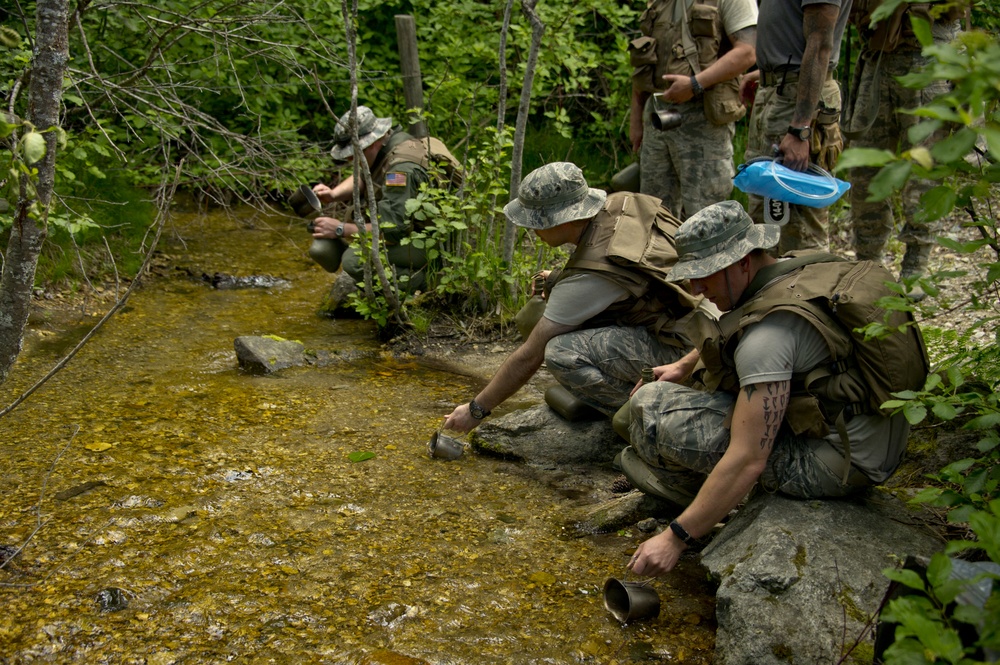
In emergency situations, people must know how to locate and safely consume water.
Possible water sources include:
- Streams
- Rain collection
- Natural springs
- Plants
However, untreated water may contain harmful microorganisms.
Safe purification methods include:
- Boiling
- Filtering
- Using purification tablets
Clean water knowledge is essential for preventing illness during survival situations.
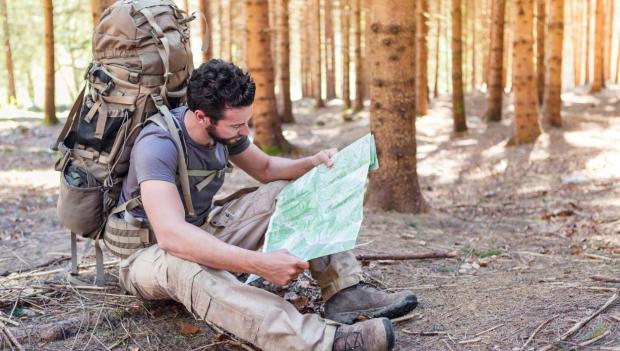
Navigation and Direction Skills
Getting lost is one of the most common outdoor emergencies.
Navigation skills help people understand their surroundings and move safely.
Map Reading
Maps provide valuable information about:
- Terrain
- Distance
- Landmarks
- Routes
Learning how to read a map allows people to plan journeys and avoid dangerous areas.
Even in the age of smartphones, traditional navigation skills remain useful because technology can fail due to:
- Dead batteries
- Poor signals
- Equipment damage
Using a Compass
A compass is a simple but powerful survival tool.
It helps identify directions:
- North
- South
- East
- West
Combined with map reading, a compass allows people to create a reliable route.
Basic navigation skills can prevent panic when someone becomes lost.
Natural Navigation
Before modern tools existed, humans used nature to navigate.
Examples include:
- Observing the sun’s movement
- Studying stars
- Recognizing natural landmarks
These traditional techniques show how human observation can become a powerful survival resource.
First Aid and Emergency Health Skills
Health knowledge is one of the most important categories of survival skills.
Medical emergencies can happen anywhere, and basic first aid knowledge can help reduce harm.
Treating Injuries
Common emergency injuries include:
- Cuts
- Burns
- Sprains
- Bleeding
Basic first aid involves:
- Cleaning wounds
- Protecting injuries
- Controlling bleeding
- Seeking medical assistance
A simple first aid kit can become extremely valuable during emergencies.
CPR and Emergency Response
Cardiopulmonary resuscitation (CPR) is a life-saving technique used when someone’s heart stops beating effectively.
Knowing CPR can help provide immediate assistance before professional medical help arrives.
Training is recommended because proper technique is important for safety and effectiveness.
Communication and Emergency Signaling
Communication is a critical survival skill.
In emergencies, people need ways to:
- Ask for help
- Share information
- Coordinate actions
Useful signaling methods include:
- Emergency whistles
- Flashlights
- Mirrors
- Visible signals
Clear communication can reduce confusion and improve teamwork.
Food and Resource Management
Finding food is important, but managing resources wisely is equally essential.
Survival situations often require careful decisions about:
- Energy use
- Supplies
- Time
- Available materials
Smart resource management means avoiding waste and prioritizing important needs.
For example, preserving energy and staying hydrated may be more important than searching for food immediately.
Emotional Survival Skills
Many people underestimate the importance of emotional strength during difficult situations.
Fear and stress can affect judgment.
Important emotional survival skills include:
Staying Calm Under Pressure
Controlled breathing and focused thinking can help reduce panic.
A calm person can:
- Evaluate options
- Make better decisions
- Support others
Problem-Solving Ability
Survival often requires creativity.
Unexpected situations may not have perfect solutions, so people must adapt.
Problem-solving involves:
- Identifying the challenge
- Considering available options
- Choosing the safest action
Teamwork
Many survival situations involve groups.
Effective teamwork requires:
- Communication
- Trust
- Cooperation
- Leadership
Different people have different strengths, and combining abilities improves the chance of success.

Survival Skills for Everyday Modern Life
Survival skills are not limited to extreme situations.
They are useful in normal daily life too.
Financial Preparedness
Managing money is a modern survival skill.
Important habits include:
- Saving emergency funds
- Creating budgets
- Planning expenses
Financial preparation helps people handle unexpected challenges.
Time Management
Time is a valuable resource.
Good time management helps people:
- Prioritize tasks
- Reduce stress
- Respond faster during emergencies
Adaptability
The ability to adjust to change is one of the most important survival skills today.
Technology, careers, environments, and lifestyles continue changing.
People who can learn and adapt are better prepared for uncertainty.
How to Improve Your Survival Skills
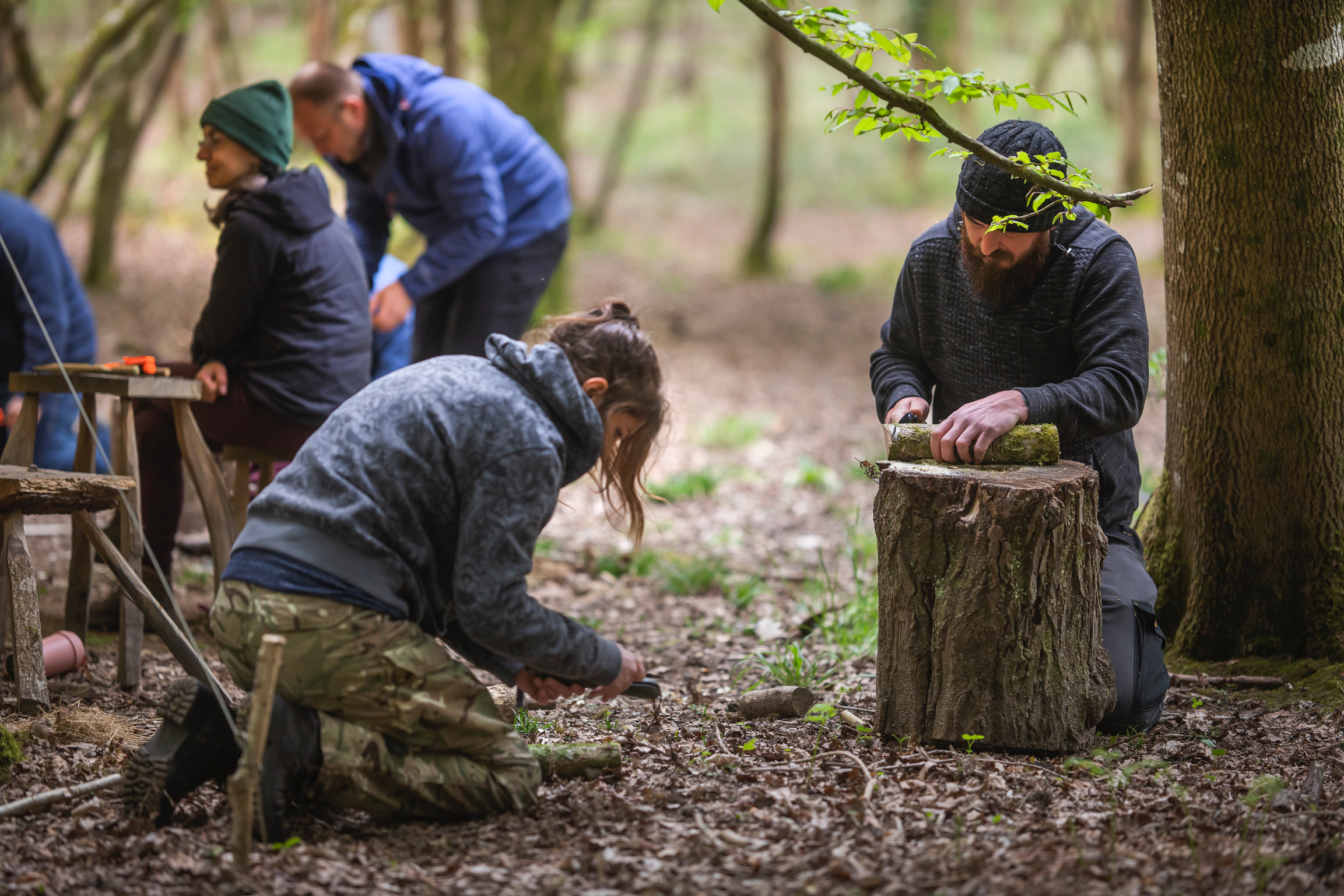
Developing survival skills requires practice.
Useful ways to improve include:
Practice Regularly
Skills become reliable through repetition.
Examples:
- Practicing first aid techniques
- Learning navigation
- Preparing emergency plans
Learn From Experts
Professional training can provide practical experience.
Experts can teach:
- Safety techniques
- Emergency response
- Outdoor skills
Prepare an Emergency Kit
A basic emergency kit may include:
- Water supplies
- First aid items
- Flashlights
- Communication tools
- Basic survival equipment
Preparation reduces stress during unexpected situations.

Conclusion: Survival Skills Create Confidence and Resilience
Survival skills are valuable abilities that help people stay safe, healthy, and prepared in an unpredictable world.
They are not only for explorers or outdoor adventurers. Everyone can benefit from learning how to respond to emergencies, solve problems, and remain calm under pressure.
From building shelters and finding clean water to managing stress and communicating effectively, survival skills combine practical knowledge with mental strength.
The most important survival tool is not always equipment—it is awareness, preparation, and the ability to adapt.
By developing survival skills today, individuals can become more confident, independent, and ready to face whatever challenges come tomorrow.
Sources
- World Health Organization (WHO) – Emergency Preparedness and Health Information
- Centers for Disease Control and Prevention (CDC) – Emergency Safety Resources
- American Red Cross – First Aid and Emergency Training
- National Geographic – Survival and Outdoor Science
- Smithsonian Institution – Human Adaptation and Natural Science