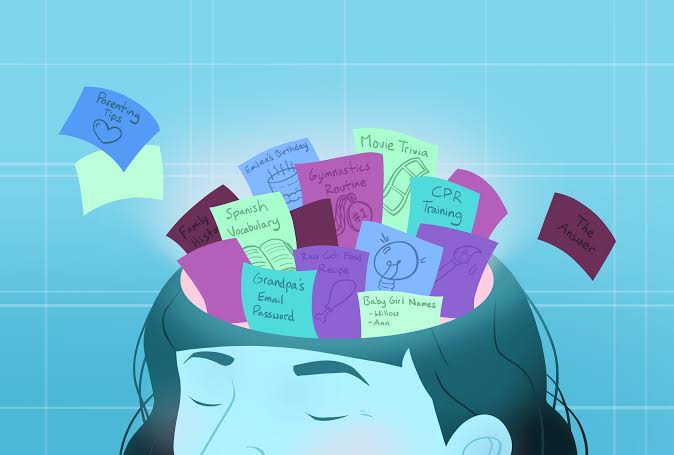
Improve memory is one of the most fascinating abilities of the human brain. It allows us to learn new skills, maintain relationships, make decisions, and remember the experiences that shape our lives. However, as people grow older, many begin to notice changes in their ability to recall names, details, or daily tasks.
Have you ever walked into a room and suddenly forgotten why you were there? Have you searched everywhere for your keys, only to discover them in the place you always leave them? These small moments of forgetfulness happen to almost everyone.
The good news is that memory is not a fixed ability. While aging and certain health conditions can influence brain function, many daily habits can support cognitive health and help improve memory naturally.
Experts in healthcare and neuroscience suggest that improving memory is closely connected to overall well-being. Physical activity, mental stimulation, quality sleep, healthy nutrition, social connection, and stress management all play important roles in keeping the brain active and resilient.
This article explores practical, science-supported ways to improve memory, strengthen brain health, and develop habits that may help protect your mind throughout life.
Understanding Memory: How Does the Brain Store Information?
Before learning how to improve memory, it helps to understand how memory works.
Memory is the brain’s ability to encode, store, and retrieve information. Scientists generally describe memory in three main stages:
1. Encoding
Encoding happens when your brain receives new information. For example, when you meet someone for the first time, your brain processes their name, appearance, and conversation.
The quality of encoding depends on attention. If you are distracted, your brain may never fully record the information.
2. Storage
After information is encoded, the brain stores it. Some memories remain briefly, while others become long-term memories through repeated exposure and emotional connection.
3. Retrieval
Retrieval is the process of accessing stored information. Forgetting often happens because information was not stored strongly enough or because the brain has difficulty finding the memory.
The ability to improve memory comes from strengthening these processes through healthy lifestyle choices and mental exercises.
1. Stay Physically Active to Improve Memory
One of the most powerful ways to support brain health is regular physical activity.
Exercise does much more than strengthen muscles and improve cardiovascular health. It also increases blood circulation throughout the body, including the brain. Better blood flow helps deliver oxygen and nutrients that support healthy brain cells.
Regular movement may also encourage the release of chemicals that support communication between neurons.
How Exercise Supports Brain Function
Physical activity can help:
- Improve concentration and attention
- Support mood regulation
- Reduce stress hormones
- Encourage healthy brain aging
- Strengthen learning ability
Activities such as brisk walking, cycling, swimming, dancing, and jogging can all contribute to better cognitive function.
Health organizations commonly recommend that adults aim for regular aerobic activity each week, spread across multiple days.
Even small amounts of movement can make a difference. Taking short walks during the day, choosing stairs instead of elevators, or stretching between tasks can help create a more active lifestyle.
2. Challenge Your Brain With Mental Activities
The brain behaves like a muscle: it benefits from regular exercise.
Mental stimulation encourages the brain to create new connections and maintain cognitive flexibility. Activities that require thinking, learning, and problem-solving can help keep the mind active.
Brain Exercises That May Help Improve Memory
Consider adding activities such as:
- Reading books or articles
- Solving crossword puzzles
- Learning a new language
- Playing strategy games
- Practicing a musical instrument
- Writing or journaling
- Learning a new skill
Trying something unfamiliar can be especially valuable because it forces your brain to adapt.
For example, learning photography, cooking a new recipe, or studying a new subject requires attention, memory, and problem-solving.
The goal is not perfection. The goal is to keep your brain engaged.
3. Build Strong Social Connections
Human beings are naturally social creatures, and relationships play an important role in mental health.
Spending time with family members, friends, and communities can help reduce loneliness, stress, and emotional challenges that may negatively affect memory.
Social activities require the brain to:
- Remember conversations
- Understand emotions
- Respond creatively
- Pay attention
- Process information quickly
These interactions provide natural mental stimulation.
Simple Ways to Stay Connected
You can strengthen social connections by:
- Meeting friends regularly
- Joining community activities
- Volunteering
- Participating in group hobbies
- Calling loved ones
A meaningful conversation can be a powerful workout for the brain.
:max_bytes(150000):strip_icc()/156263734-56a7926d5f9b58b7d0ebcb51.jpg)
4. Improve Memory by Staying Organized
A disorganized environment can increase stress and make remembering tasks more difficult.
When your surroundings are cluttered, your brain has to process more unnecessary information, which can reduce focus.
Organization helps your brain spend energy on what matters.
Memory-Friendly Organization Habits
Try these simple strategies:
Use a Planner
Write down appointments, goals, and important tasks. A calendar or digital planner can reduce the mental burden of remembering everything.
Keep Important Items in the Same Place
Create consistent locations for:
- Keys
- Wallet
- Glasses
- Phone
- Documents
This reduces daily frustration and saves mental energy.
Avoid Multitasking
Many people believe multitasking improves productivity, but constant switching between tasks can reduce attention.
When learning new information:
- Focus on one thing at a time
- Repeat important details
- Remove distractions
Better attention creates stronger memories.
5. Prioritize Quality Sleep
Sleep is essential for memory formation.
During sleep, the brain processes and organizes information from the day. Poor sleep can interfere with this process and may contribute to difficulty concentrating or remembering details.
Adults generally benefit from getting enough consistent, high-quality sleep each night.
How Sleep Helps Memory
Healthy sleep supports:
- Learning
- Problem-solving
- Emotional balance
- Brain recovery
Tips for Better Sleep
To improve sleep quality:
- Maintain a regular sleep schedule
- Limit screen exposure before bedtime
- Create a relaxing nighttime routine
- Keep your bedroom comfortable
- Avoid excessive caffeine late in the day
If sleep problems continue, especially if breathing interruptions or loud snoring occur, discussing them with a healthcare professional may be helpful.
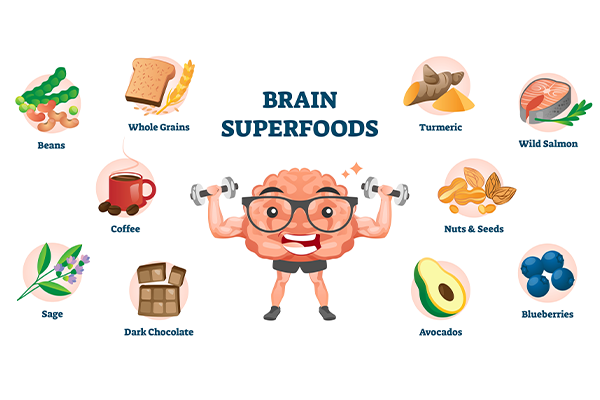
6. Eat Foods That Support Brain Health
Nutrition plays a major role in overall health, including brain function.
The brain requires a steady supply of nutrients to maintain healthy cells and communication between neurons.
A balanced eating pattern rich in natural foods may support memory and cognitive performance.
Brain-Friendly Foods Include:
Fruits and Vegetables
Colorful fruits and vegetables provide antioxidants and nutrients that help protect cells from damage.
Examples include:
- Berries
- Leafy greens
- Broccoli
- Tomatoes
Whole Grains
Whole grains provide steady energy for the brain.
Examples include:
- Oats
- Brown rice
- Whole-grain bread
Healthy Protein Sources
Protein supports many body functions.
Good choices include:
- Fish
- Beans
- Eggs
- Skinless poultry
Healthy Fats
Certain fats, such as those found in fish and nuts, are associated with brain health.
A balanced diet is more important than any single “memory food.”
7. Manage Stress to Protect Your Memory
Stress affects the entire body, including the brain.
Short-term stress can sometimes improve focus, but long-term stress may make concentration and recall more difficult.
When the mind is constantly overwhelmed, it becomes harder to pay attention and store new memories.
Stress-Reducing Activities
Helpful practices include:
- Deep breathing exercises
- Meditation
- Walking outdoors
- Creative hobbies
- Physical activity
- Spending time with supportive people
Creating moments of relaxation allows the brain to recover.
8. Take Care of Your Overall Health
Many health conditions can influence memory and cognitive function.
Taking care of your body supports your brain.
Important areas include:
- Managing blood pressure
- Maintaining healthy blood sugar levels
- Treating depression or anxiety
- Protecting hearing health
- Maintaining a healthy weight
Regular health checkups can help identify problems early.
It is also important to review medications with a healthcare professional because some medicines may affect memory or alertness.
9. Practice Memory Techniques
In addition to lifestyle habits, specific memory strategies can improve recall.
Repeat Information
Repeating names, numbers, or important details helps strengthen memory pathways.
Create Associations
Connect new information with something familiar.
For example, linking a person’s name with a meaningful detail can make it easier to remember.
Use Visualization
Turning information into a mental image can improve recall.
Break Information Into Smaller Parts
The brain remembers smaller groups of information more easily.
For example, phone numbers are easier to remember when divided into sections.
10. Know When to Seek Help for Memory Problems
Occasional forgetfulness is common. However, some memory changes should be discussed with a healthcare professional.
Seek medical advice if memory problems:
- Affect daily activities
- Become noticeably worse
- Cause confusion
- Concern family members or friends
- Interfere with work or relationships
Memory problems can have many causes, including stress, sleep problems, medication effects, nutritional issues, or medical conditions.
Early evaluation can help identify the cause and find appropriate support.

Conclusion: Small Daily Habits Can Help Improve Memory
Memory is one of the most valuable functions of the human brain, and protecting it requires consistent care.
While no method can guarantee perfect memory forever, healthy lifestyle choices can support brain function and improve the ability to learn, focus, and remember.
Regular exercise, mental challenges, meaningful relationships, good sleep, balanced nutrition, organization, and stress management all contribute to stronger cognitive health.
The journey to improve memory does not require dramatic changes. Small actions repeated every day can create long-term benefits for your brain and overall quality of life.
Your brain continues to adapt throughout life. By giving it the right environment, you can help it remain active, flexible, and resilient.
Sources
- Mayo Clinic – Memory Loss: 7 Tips to Improve Your Memory
- National Institute on Aging – Cognitive Health and Aging
- Harvard Medical School – Improving Memory: Understanding Age-Related Memory Loss
- World Health Organization – Risk Reduction of Cognitive Decline and Dementia