Human body facts reveal just how extraordinary our biology truly is. Some facts show the incredible strength of our organs, while others highlight the hidden connections between different systems. From the powerful communication network inside our gut to the surprising relationship between music and our heartbeat, the human body is full of wonders that many people never notice.
Every day, the human body performs thousands of complex tasks without requiring conscious effort. From the moment we wake up until we fall asleep, our organs, cells, nerves, and biological systems work together to keep us alive, healthy, and adaptable. We breathe without thinking, our hearts beat continuously, our brains process countless signals, and our immune system constantly protects us from outside threats.
The human body is often described as one of nature’s greatest masterpieces. Although modern science has uncovered many secrets about human anatomy and physiology, researchers continue to discover fascinating details about how our bodies function.
Understanding these facts can help us appreciate our health, make better lifestyle choices, and recognize the amazing processes happening inside us every moment.

1. The Human Gut Has Its Own “Second Brain”
One of the most fascinating human body facts is that the digestive system contains its own complex nervous system. The gut, which includes the stomach, intestines, liver, pancreas, and related organs, is sometimes called the “second brain” because of the large number of nerve cells it contains.
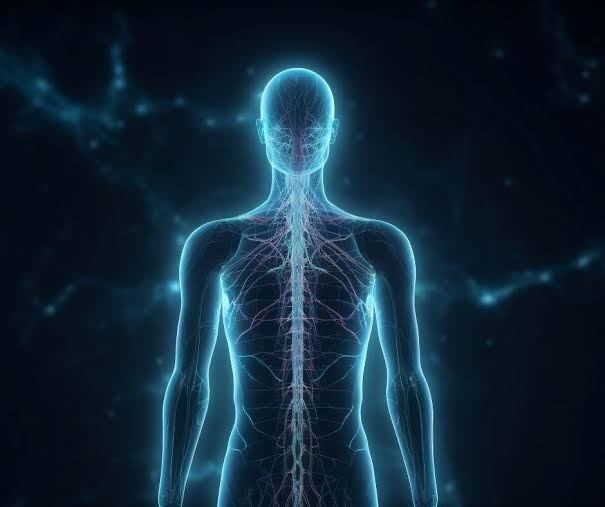
The digestive tract has a network known as the enteric nervous system, which includes millions of neurons embedded in the walls of the intestines. These neurons help control digestion, regulate movement, and coordinate the absorption of nutrients.
Unlike many other organs, the gut can continue performing important functions even without direct instructions from the brain. Although it communicates constantly with the brain through pathways such as the vagus nerve, the digestive system has a level of independence that makes it unique.
Scientists have also discovered that the gut and brain influence each other through the gut-brain connection. This communication network affects digestion, emotions, stress responses, and even certain aspects of mental well-being.
The bacteria living inside the digestive system, known as the gut microbiome, also play an important role. These microorganisms help break down food, support the immune system, and produce substances that interact with the nervous system.
This connection explains why maintaining a healthy digestive system is important not only for physical health but also for overall balance.
2. Your Blood Vessels Form an Incredible Transportation Network
Another remarkable human body fact is the enormous length of the blood vessel system. If all the arteries, veins, and capillaries in the human body were placed end to end, they could stretch for tens of thousands of miles.
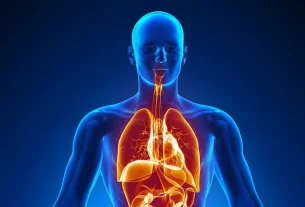
The circulatory system acts like a massive transportation network. The heart pumps blood through arteries, which carry oxygen-rich blood throughout the body. Veins return blood back to the heart, while tiny capillaries connect these two systems and allow nutrients and oxygen to reach individual cells.
Capillaries are especially impressive because they are extremely small, yet they make up a large portion of the body’s total blood vessel network. These tiny vessels deliver essential materials and remove waste products from cells.
The heart beats continuously to keep this system moving. Every cell in the body depends on this circulation to receive oxygen and nutrients.
This complex network demonstrates how every part of the body is connected. A healthy circulatory system supports energy levels, organ function, and the body’s ability to repair itself.

3. Your Skin Constantly Rebuilds Itself
The skin is the largest organ in the human body and serves as a protective barrier between us and the outside world. One of the most interesting human body facts is how quickly the skin renews itself.
Every day, millions of old skin cells naturally fall away while new cells are created beneath the surface. This continuous renewal process helps maintain the strength and protective function of the skin.
The outer layer of skin, called the epidermis, constantly replaces damaged or aged cells. Specialized cells also produce melanin, the pigment responsible for skin color and helping protect against environmental factors.
Although people often think of dead skin cells as useless, they are part of a natural biological cycle. These cells combine with other materials to become part of household dust, and scientists have explored how certain compounds from skin-related materials interact with indoor environments.
The structure of skin cells is also fascinating. Researchers have studied how skin cells fit tightly together, forming a protective barrier despite being constantly replaced.
This ability allows the skin to remain strong while adapting to daily wear and environmental changes.
4. The Human Eye Has a Unique Transparent Tissue
Vision is possible because of one extraordinary structure: the cornea. The cornea is the clear outer layer of the eye that allows light to enter and helps focus images.
A fascinating human body fact is that the cornea does not contain blood vessels. Most tissues require blood vessels to deliver oxygen and nutrients, but the cornea remains transparent because of its special design.
Instead of receiving nutrients through traditional blood circulation, the cornea receives oxygen and support from surrounding fluids.
This transparency is essential because even small changes in the cornea can affect vision. Injuries, infections, or abnormal changes may interfere with the way light enters the eye.
The cornea’s unique structure continues to interest scientists. Understanding how it maintains clarity may contribute to future approaches for protecting vision and treating certain eye conditions.
The eye is a perfect example of how the human body balances complexity and precision.
5. The Gut Microbiome Can Influence Mood and Behavior
The human body contains trillions of microorganisms, especially inside the digestive system. These communities of bacteria, fungi, and other microbes are collectively called the microbiome.
A surprising human body fact is that these tiny organisms can influence more than digestion. Scientists have found evidence that the gut microbiome communicates with the brain and may affect mood, stress responses, and emotional balance.
The gut produces various chemical compounds that interact with the nervous system. Some of these substances are involved in processes related to relaxation, motivation, and overall well-being.
The relationship between the gut and brain is a growing area of scientific research. While scientists continue exploring exactly how these connections work, it is clear that nutrition, lifestyle, and gut health are closely linked.
Eating a balanced diet, staying active, and maintaining healthy habits can support a diverse microbiome, which plays an important role in the body’s internal environment.
6. Music Can Affect Your Heart Rate and Breathing
Music is more than entertainment. Another fascinating human body fact is that the rhythm and intensity of music can influence physical responses.
When people listen to music, their heart rate, breathing patterns, and even blood pressure can change. Faster rhythms may encourage faster breathing and increased alertness, while slower music may help the body relax.
This happens because the nervous system responds to sound patterns. The brain processes music and sends signals that can affect the cardiovascular system.
Many people notice this naturally. A powerful song may increase energy during exercise, while calming music may create a feeling of relaxation.
Researchers have studied how music-based approaches may support wellness, including helping people manage stress and improve recovery experiences.
The connection between sound and the body shows how closely our senses and biological systems interact.
7. Pregnancy Can Change the Brain
The human body is constantly adapting, and pregnancy demonstrates this incredible ability. One surprising human body fact is that pregnancy can cause measurable changes in the brain.
During pregnancy, hormonal changes influence the structure and function of the brain. Some research has found changes in areas associated with social understanding, emotional processing, and recognizing the needs of others.
These changes are believed to help support bonding between parents and babies. The brain adapts to new responsibilities and experiences, creating adjustments that may improve sensitivity to emotional signals.
The phrase “pregnancy brain” is often used casually, but the science behind pregnancy-related brain changes is much more complex. These changes are part of the body’s natural adaptation process.
The human brain is not a fixed structure. It continues changing throughout life based on experiences, learning, and biological influences.
8. The Human Body Has an Incredible Self-Repair System
One of the greatest human body facts is the ability of the body to repair and maintain itself. Every day, millions of cells are replaced, damaged tissues are repaired, and internal systems adjust to changing conditions.
The immune system identifies unusual substances and helps protect the body. Bones can rebuild after minor damage. The liver can regenerate parts of itself. The skin continuously restores its protective layer.
This repair ability depends on communication between cells, hormones, nutrients, and organs working together.
Although the body is powerful, it still needs support. Sleep, proper nutrition, physical activity, and stress management help these natural repair processes work effectively.

9. Your Brain Controls a Massive Information Network
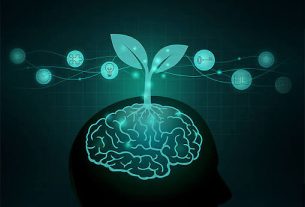
The brain is one of the most complex structures known. It contains billions of nerve cells that communicate through electrical and chemical signals.
Every movement, thought, memory, and sensation depends on this communication network. The brain processes information from the senses, coordinates body functions, and helps humans learn and adapt.
Even simple actions require complex cooperation between different brain regions.
Scientists continue studying the brain because many mysteries remain. Its ability to change, learn, and create new connections demonstrates the remarkable flexibility of the human body.
Conclusion: Appreciating the Wonders Inside Us
These human body facts reveal that the body is far more than a collection of organs. It is a living, interconnected system where every part works together in harmony.
From the independent activity of the gut and the enormous blood vessel network to the adaptability of the brain and the constant renewal of skin cells, the human body shows incredible complexity.
Science continues to uncover new discoveries about how we function, reminding us that even familiar biological processes can contain hidden wonders.
Learning about the human body is not only fascinating but also meaningful. It encourages us to respect our health, understand our biology, and appreciate the extraordinary system that allows us to experience life every day.
Sources
Integris Health – Human Body Facts and Health Education Resources
National Institutes of Health – Human Biology and Health Research
Harvard Medical School – Human Body and Wellness Research
American Chemical Society – Science and Environmental Studies
Nature Neuroscience – Brain and Human Biology Research