
Facts about dogs, including their history, evolution, scientific classification, behavior, working roles, and the responsibilities that come with owning one.
Dogs have been humanity’s faithful companions for thousands of years. From helping ancient hunters track prey to serving as therapy animals, police officers, and beloved family pets today, dogs have earned their reputation as “man’s best friend.” Their loyalty, intelligence, and ability to bond with humans make them one of the most remarkable animals on Earth.
If you’ve ever wondered where dogs came from, why there are hundreds of different breeds, or how their incredible sense of smell works, you’re in the right place. This guide explores the most interesting
Whether you’re a lifelong dog owner or simply curious about these amazing animals, you’ll discover why dogs continue to be one of the world’s most loved species.
What Is a Dog?
A dog is a domesticated mammal belonging to the canine family. The scientific name of the domestic dog is Canis lupus familiaris, making it a subspecies of the gray wolf.
Although modern dogs look dramatically different from wolves, genetic research shows they share a common ancestor. Scientists estimate that dogs separated from wolves somewhere between 14,000 and 29,000 years ago, though the exact timeline is still debated.
Today, dogs are found in nearly every country on Earth. They have adapted to countless environments thanks to their close relationship with humans and selective breeding over thousands of years.

What Is the Scientific Name of a Dog?
The scientific name for the domestic dog is:
Canis lupus familiaris
Breaking it down:
- Canis = the genus that includes wolves, dogs, coyotes, and jackals.
- lupus = gray wolf.
- familiaris = domesticated.
This scientific classification highlights an important fact: despite their enormous variety in appearance, all domestic dogs belong to the same subspecies.
The Evolution of Dogs
One of the most fascinating facts about dogs is their evolutionary journey.
Long before cities, agriculture, or civilizations existed, early wolves began following groups of hunter-gatherers. Instead of attacking people, some wolves scavenged leftovers near campsites.
The wolves that were less aggressive and more tolerant of humans had a better chance of survival. Over generations, natural selection favored friendlier wolves.
Eventually, humans realized these animals could help with:
- Hunting
- Protecting camps
- Guarding livestock
- Pulling sleds
- Herding animals
Humans then selectively bred dogs with desirable characteristics, gradually producing the incredible diversity of breeds we know today.
Dogs Come in Hundreds of Breeds
There are more than 400 recognized dog breeds worldwide.
Despite their differences, every breed belongs to the same species.
Dogs vary enormously in:
- Size
- Weight
- Coat type
- Color
- Intelligence
- Energy level
- Personality
For example:
- A Chihuahua may weigh only 4 pounds (1.8 kg).
- A Mastiff can exceed 230 pounds (104 kg).
This remarkable diversity is almost entirely the result of selective breeding by humans.
Major Dog Breed Groups
Different breeds were developed to perform specific tasks.
Sporting Dogs
Sporting breeds were developed to assist hunters by locating and retrieving birds.
Popular examples include:
- Labrador Retriever
- Golden Retriever
- Cocker Spaniel
These dogs are energetic, intelligent, and love outdoor activities.
Hound Dogs
Hounds were bred to chase fast-moving prey using either sight or scent.
Examples include:
- Greyhound
- Bloodhound
- Beagle
Many hounds possess extraordinary endurance and tracking abilities.
Working Dogs
Working breeds perform physically demanding jobs.
Examples include:
- Great Dane
- Rottweiler
- Siberian Husky
- Boxer
These dogs often assist with guarding, pulling sleds, or protecting livestock.
Terrier Dogs
Terriers were originally bred to hunt rodents and other small animals hiding underground.
Popular terriers include:
- Scottish Terrier
- Bull Terrier
- Jack Russell Terrier
They are known for being fearless, energetic, and determined.
Toy Dogs
Toy breeds were developed primarily as companions.
Popular examples include:
- Chihuahua
- Pug
- Pomeranian
- Maltese
Although small, many toy breeds have surprisingly bold personalities.
Herding Dogs
These highly intelligent dogs were bred to manage sheep, cattle, and other livestock.
Examples include:
- Border Collie
- German Shepherd
- Australian Shepherd
Many herding dogs excel in obedience competitions due to their exceptional intelligence.
Non-Sporting Dogs
This category includes breeds that don’t fit into the other groups.
Examples include:
- Dalmatian
- Bulldog
- Poodle
- Chow Chow
These breeds display an incredible variety of appearances and personalities.
Amazing Facts About Dog Intelligence
Dogs are among the smartest domesticated animals.
Research has shown that many dogs can:
- Learn over 150 words.
- Understand human gestures.
- Recognize facial expressions.
- Solve simple problems.
- Remember routines.
Some exceptional dogs can learn more than 1,000 object names.
Border Collies consistently rank among the world’s most intelligent breeds due to their problem-solving abilities and eagerness to learn.

Dogs Have an Incredible Sense of Smell
One of the most astonishing facts about dogs is their nose.
Dogs possess approximately 300 million scent receptors, while humans have only around 6 million.
Additionally, the area of a dog’s brain devoted to analyzing smells is far larger than ours.
This allows dogs to:
- Detect hidden people
- Locate missing persons
- Find drugs and explosives
- Detect diseases
- Track wildlife
Their noses are among the most sensitive biological detection systems in nature.
Dogs Can Understand Human Emotions
Scientific studies suggest dogs are remarkably skilled at reading human emotions.
They can recognize:
- Happiness
- Sadness
- Fear
- Anger
- Excitement
Dogs often respond by changing their own behavior, offering comfort when owners are distressed or becoming excited during play.
This emotional intelligence helps explain why dogs form such deep bonds with people.
Dogs Improve Human Health
Owning a dog offers many physical and mental health benefits.
Research has linked dog ownership to:
- Reduced stress
- Lower blood pressure
- Increased daily exercise
- Less loneliness
- Better mental well-being
- Improved social interaction
Simply petting a dog can increase oxytocin, often called the “love hormone,” in both humans and dogs.
Working Dogs Continue to Serve Society
Although millions of dogs live as family pets, many continue to perform important jobs.
Therapy Dogs
Therapy dogs provide emotional support in hospitals, schools, nursing homes, and disaster recovery centers.
Their calming presence can reduce anxiety and improve emotional well-being.
Search and Rescue Dogs
Search and rescue dogs locate missing people after:
- Earthquakes
- Hurricanes
- Avalanches
- Wildfires
Their powerful noses can detect human scent even under rubble.
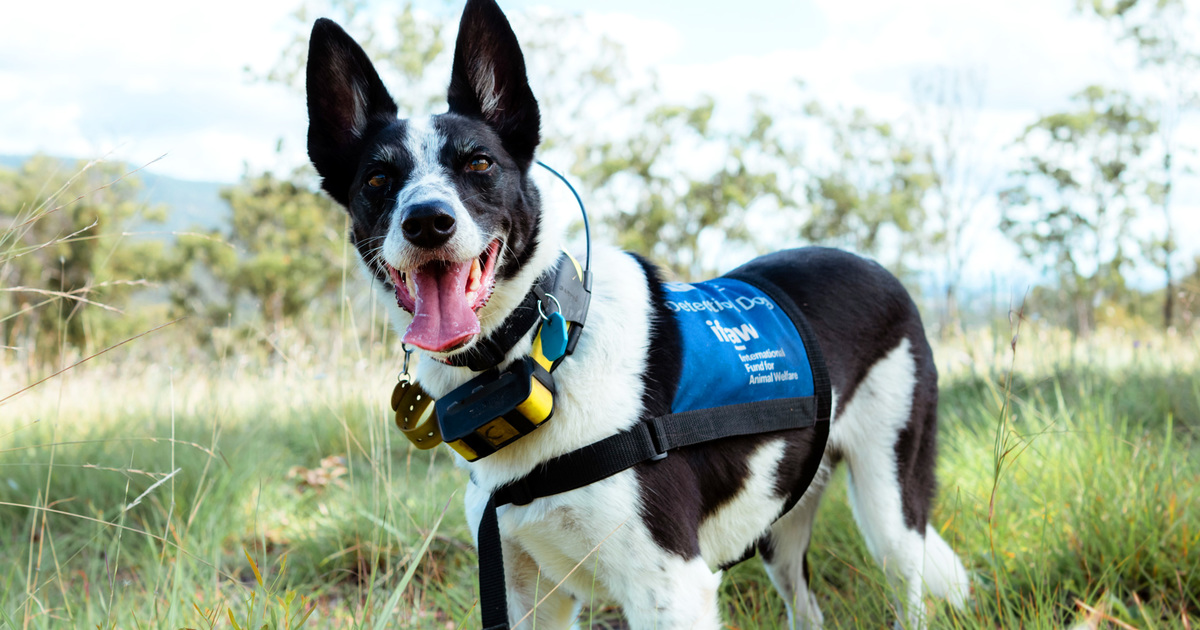
Medical Detection Dogs
Some specially trained dogs can detect illnesses, including:
- Diabetes
- Epileptic seizures
- Parkinson’s disease
- Certain cancers
Researchers continue studying how dogs identify subtle chemical changes in the human body.
Police and Military Dogs
Law enforcement agencies rely on dogs for:
- Detecting explosives
- Tracking suspects
- Finding evidence
- Border security
- Search operations
These highly trained animals save countless lives every year.
Guide Dogs
Guide dogs help people with visual impairments safely navigate daily life.
Other service dogs assist individuals with:
- Mobility challenges
- PTSD
- Autism
- Hearing impairments
These dogs dramatically improve independence and quality of life.
Caring for Your Dog During Emergencies
Responsible dog ownership includes preparing for disasters.
Every owner should ensure their dog has:
- Updated vaccinations
- A registered microchip
- Identification tags
- Proper training for transport crates
It’s also wise to prepare a pet emergency kit containing:
- Food for two weeks
- Fresh water
- Medical records
- Medications
- Leash and harness
- Food bowls
- Recent photographs
- Portable crate
Planning ahead can make a major difference during emergencies.
Dogs and Wildlife
Although dogs bring enormous benefits to humans, they can also affect wildlife.
Free-roaming and feral dogs may:
- Hunt native animals
- Spread diseases
- Compete for food
- Interbreed with wild canids
In some ecosystems, unmanaged dog populations threaten endangered species.
Responsible pet ownership helps reduce these risks.
Simple actions include:
- Keeping dogs on leashes in wildlife areas.
- Preventing pets from roaming freely.
- Vaccinating against infectious diseases.
- Supervising outdoor activities.
Protecting wildlife and caring for dogs can successfully go hand in hand.
Fun Facts About Dogs
Here are some quick facts about dogs that many people don’t know:
- Dogs dream during sleep, especially during REM cycles.
- Every dog’s nose print is unique, much like a human fingerprint.
- Puppies are born deaf and blind.
- Dogs can hear much higher frequencies than humans.
- Their whiskers help detect nearby objects.
- Dogs cool themselves primarily by panting.
- Tail wagging can communicate many different emotions.
- Some breeds can run over 40 miles per hour.
- Dogs have three eyelids, including one that protects and lubricates the eye.
- A dog’s sense of smell is estimated to be tens of thousands of times more sensitive than a human’s.
Why Dogs Remain Humanity’s Best Friend
Few animals have influenced human civilization as profoundly as dogs.
For thousands of years, they have hunted beside us, guarded our homes, protected livestock, rescued disaster victims, detected illnesses, and offered unconditional companionship.
Their remarkable intelligence, loyalty, adaptability, and emotional awareness have allowed them to become trusted partners in nearly every culture around the globe.
Whether serving as a guide dog, police officer, therapy companion, or cherished family pet, dogs continue to enrich human lives every single day.

Conclusion
Learning these fascinating facts about dogs helps us better appreciate one of humanity’s oldest companions. From their ancient origins as wolves to the hundreds of breeds we know today, dogs have evolved alongside people through a unique partnership unlike any other in the animal kingdom.
Modern dogs perform extraordinary roles, from detecting diseases and assisting people with disabilities to comforting families and protecting communities. At the same time, responsible ownership remains essential for ensuring their well-being and minimizing their impact on wildlife.
Whether you share your home with a playful puppy or simply admire these incredible animals, one thing is certain: dogs have earned their place as one of the most intelligent, loyal, and beloved species on Earth.
Frequently Asked Questions (FAQ)
What is the scientific name of a dog?
The scientific name of the domestic dog is Canis lupus familiaris.
How many dog breeds are there?
There are more than 400 recognized dog breeds worldwide, all belonging to the same subspecies.
When were dogs first domesticated?
Scientists estimate that dogs were domesticated between 14,000 and 29,000 years ago, although some evidence suggests the process may have begun even earlier.
Why do dogs have such a strong sense of smell?
Dogs have around 300 million olfactory receptors, compared to about 6 million in humans, making their sense of smell extraordinarily powerful.
What jobs can dogs perform?
Dogs work as therapy animals, guide dogs, police dogs, military dogs, search-and-rescue specialists, medical detection dogs, livestock herders, and conservation assistants.
Sources
- International Fund for Animal Welfare (IFAW)
- American Kennel Club (AKC)
- American Veterinary Medical Association (AVMA)
- National Geographic
- Smithsonian Magazine
- The Kennel Club (UK)
- Merck Veterinary Manual