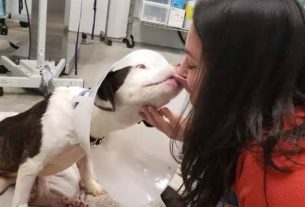
Dog Body Language is one of the most valuable skills any dog owner, pet lover, or animal enthusiast can develop. By recognizing signs of comfort, stress, excitement, fear, or uncertainty, you can build a stronger relationship with your dog while preventing misunderstandings that may lead to unwanted behavior.
Have you ever wondered what your dog is trying to tell you without making a sound?
Dogs communicate with us every day—not through words, but through a rich combination of body posture, facial expressions, tail movements, ear positions, and subtle behavioral cues. While barking and whining certainly play a role, the majority of canine communication happens silently through body language.
Every dog is unique. Two dogs may wag their tails for entirely different reasons, and what appears to be a friendly smile may sometimes indicate nervousness instead of happiness. That’s why it’s essential to interpret the entire body rather than focusing on just one signal.
In this comprehensive guide, you’ll learn how dogs communicate, what different body signals mean, how to recognize stress and fear early, and how to respond appropriately in everyday situations.
Why Understanding Dog Body Language Matters
Dogs evolved alongside humans for thousands of years, but they still communicate much like their wild ancestors. Instead of relying on spoken language, they use body posture to express their emotional state.
Understanding these signals helps you:
- Prevent misunderstandings
- Recognize stress before it escalates
- Improve training sessions
- Build trust with your dog
- Keep children and other pets safer
- Strengthen your lifelong bond
Rather than asking, “Is my dog happy?” it’s more useful to ask, “What is my dog’s whole body telling me right now?”
Looking at the complete picture provides far more accurate answers.
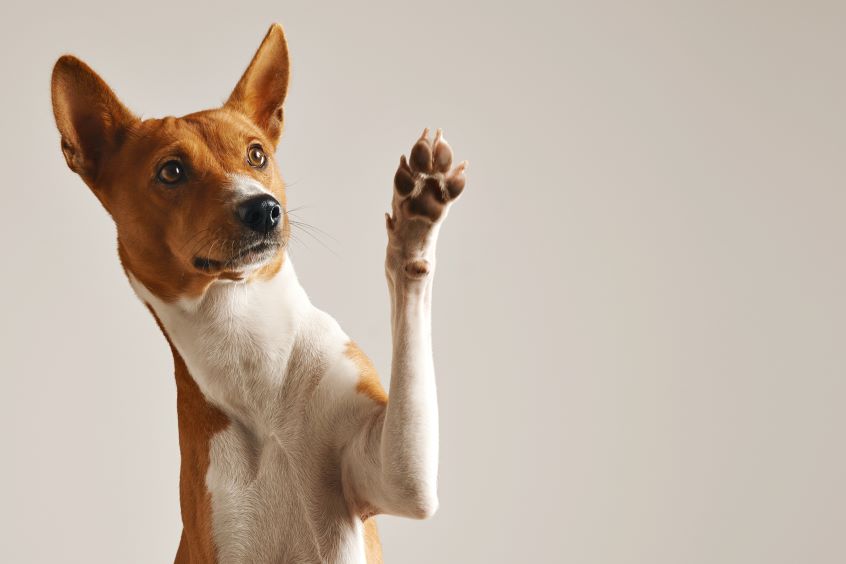
The Golden Rule: Observe the Entire Dog
One of the biggest mistakes people make is interpreting only one body part.
For example:
- A wagging tail doesn’t always mean happiness.
- Showing the belly isn’t always an invitation for a belly rub.
- Perked ears don’t always indicate friendliness.
Instead, observe:
- Tail
- Ears
- Eyes
- Mouth
- Head position
- Overall posture
- Movement
- Breathing
- Vocalizations
- Context
These signals work together to communicate emotions.
Understanding Tail Language
The tail is one of the most expressive parts of a dog’s body, but it’s also one of the most misunderstood.
Relaxed Tail Wag
A loose, sweeping wag usually indicates:
- Comfort
- Friendliness
- Curiosity
- Confidence
The rest of the body should also appear relaxed with soft muscles and natural movement.
Low Wagging Tail
A low tail that wags quickly often suggests:
- Uncertainty
- Nervousness
- Mild anxiety
- Submission
The dog may still be approachable, but it is carefully evaluating the situation.
High, Stiff Tail
A tail held high with stiff wagging generally means:
- High excitement
- Alertness
- Increased arousal
- Possible tension
This does not necessarily indicate aggression, but it suggests the dog is emotionally stimulated and should be given space.
Tail Tucked Between the Legs
This is one of the clearest signs of discomfort.
It often indicates:
- Fear
- Anxiety
- Insecurity
- Feeling overwhelmed
If combined with flattened ears and a lowered body posture, the dog is likely trying to avoid conflict.
Reading Ear Positions
A dog’s ears constantly change position depending on mood and attention.
Forward Ears
Forward ears generally mean:
- Interest
- Curiosity
- Focus
- Alertness
The dog has noticed something important.
Neutral Ears
Relaxed ears indicate:
- Comfort
- Calmness
- Confidence
This is often seen when dogs are resting or calmly exploring their surroundings.
Flattened Ears
Ears pinned back can indicate:
- Fear
- Stress
- Submission
- Discomfort
Look for additional signals before drawing conclusions.
What Your Dog’s Eyes Reveal
Eyes provide some of the most subtle communication.
Soft Eyes
Relaxed eyelids and gentle eye contact usually indicate:
- Happiness
- Trust
- Calmness
Wide Eyes
Eyes opened unusually wide may suggest:
- Surprise
- Fear
- Anxiety
Sometimes the whites of the eyes become visible.
Looking Away
Many people think avoiding eye contact means guilt.
In reality, dogs often look away to:
- Reduce tension
- Avoid conflict
- Show peaceful intentions
Looking away is frequently a calming signal.
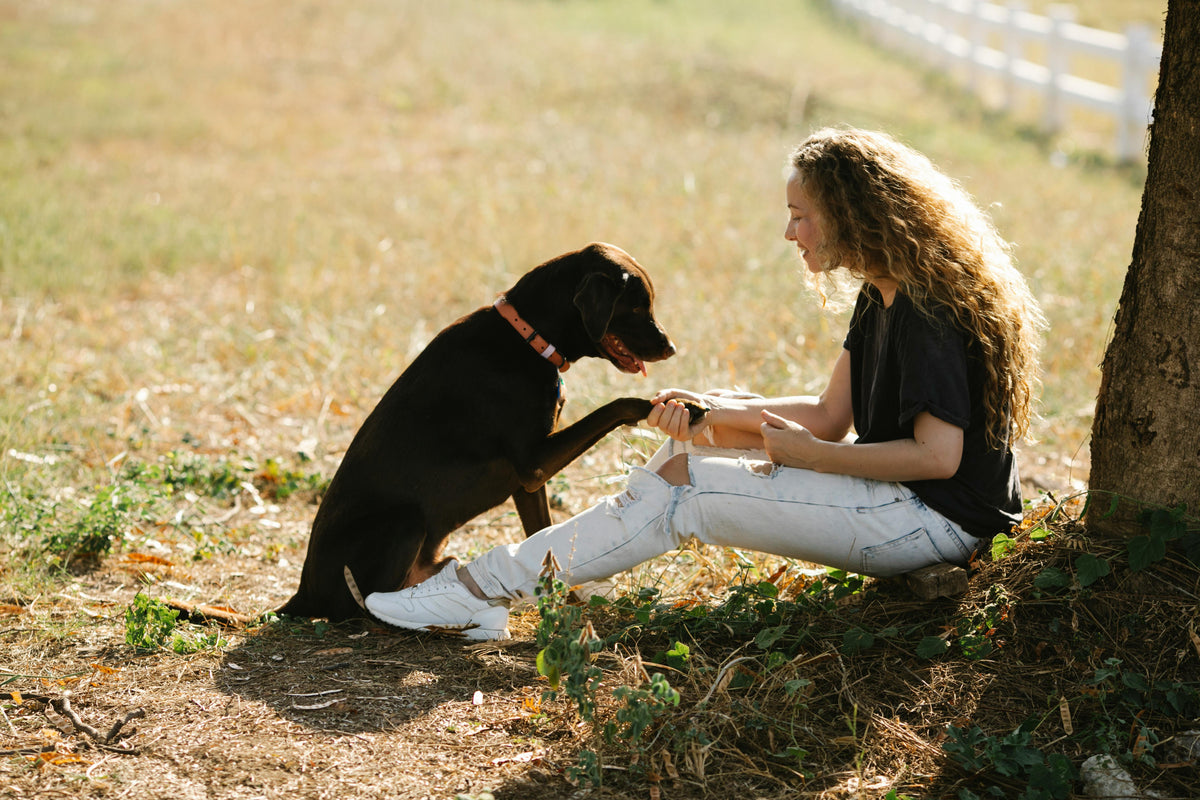
Understanding Facial Expressions
Dogs communicate extensively through their mouths and facial muscles.
Relaxed Mouth
A slightly open mouth with a relaxed tongue usually signals:
- Comfort
- Relaxation
- Safety
Closed Tight Mouth
A suddenly closed mouth may indicate:
- Concern
- Increased focus
- Uncertainty
This often appears before other body language changes.
Lip Licking
Dogs frequently lick their lips when:
- Feeling nervous
- Trying to calm themselves
- Experiencing uncertainty
If no food is present, repeated lip licking often signals emotional discomfort.
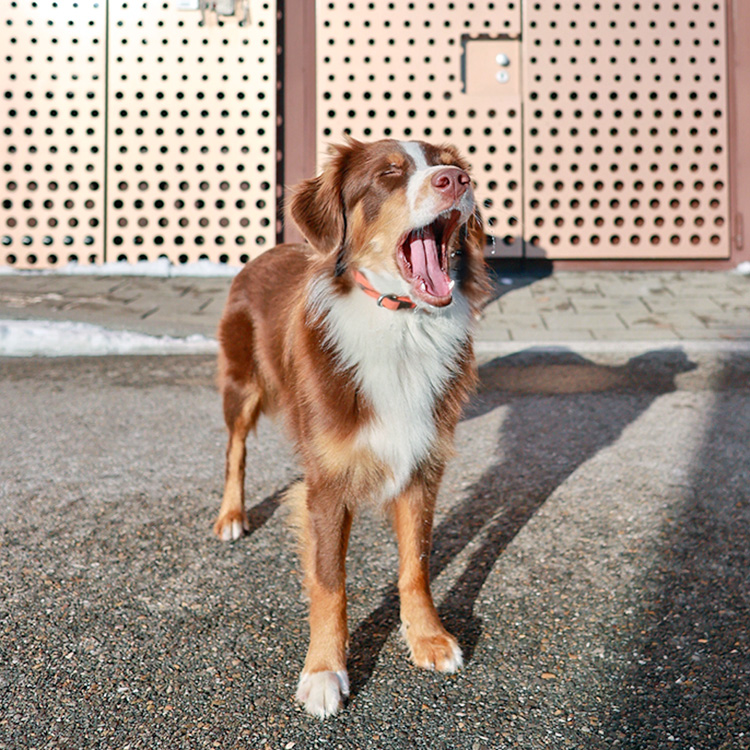
Yawning
Yawning is not always about being tired.
Dogs commonly yawn when:
- Stressed
- Overwhelmed
- Experiencing social pressure
- Trying to relax themselves
Understanding Body Posture
The body’s overall posture provides the clearest insight into emotional state.
Loose, Wiggly Body
A relaxed body usually means:
- Confidence
- Happiness
- Friendliness
Movement appears smooth and natural.
Frozen Body
A completely still dog deserves immediate attention.
Freezing often serves as an early warning signal that the dog feels uncomfortable.
Respecting this signal helps prevent further escalation.
Leaning Forward
A dog leaning forward may be:
- Curious
- Interested
- Highly focused
If accompanied by stiffness, caution is appropriate.
Leaning Away
Moving backward usually indicates:
- Uncertainty
- Fear
- Desire for more distance
Allowing the dog additional space often helps.

Rolling Onto the Back
Many people assume every belly-up dog wants a belly rub.
In reality, rolling over has multiple meanings.
Relaxed Belly Exposure
If the body remains loose and the tail gently wags, the dog likely feels comfortable and safe.
Defensive Belly Display
Sometimes dogs roll over because they feel threatened.
Signs include:
- Tight muscles
- Tail tucked
- Closed mouth
- Wide eyes
In these situations, avoid leaning over the dog.
The Meaning of the Play Bow
One of the happiest canine gestures is the play bow.
Characteristics include:
- Front legs lowered
- Rear raised
- Relaxed expression
- Loose tail
This usually communicates:
“I want to play.”
Dogs often use play bows before chasing games or wrestling.
Common Signs of Stress in Dogs
Stress often appears through subtle behaviors known as displacement or calming signals.
These behaviors help dogs regulate emotions.
Common examples include:
Excessive Panting
Panting without heat or exercise can indicate emotional stress.
Frequent Lip Licking
Repeated lip licking often occurs during uncomfortable social situations.
Yawning
Stress yawns are common during:
- Veterinary visits
- Grooming appointments
- Training
- Meeting strangers
Lifting One Front Paw
A raised paw often suggests hesitation or uncertainty.
Shaking Off
Dogs sometimes shake themselves after:
- A stressful interaction
- Rough play
- Being handled
This helps them release tension.
Scratching
Scratching without an obvious itch may simply be a stress response.
Looking Away
Turning the head away often serves as a polite request for space.
Stretching
Some dogs stretch when feeling conflicted rather than sleepy.
Recognizing Fear in Dogs
Fear signals are generally more obvious than mild stress.
Common signs include:
- Tail tucked tightly
- Body lowered
- Ears pinned back
- Excessive drooling
- Pacing
- Trembling
- Whining
- Refusing interaction
Fearful dogs should never be forced into uncomfortable situations.
Giving them time and distance helps rebuild confidence.
Recognizing Signs of Confidence
Confident dogs usually display:
- Balanced posture
- Relaxed muscles
- Natural movement
- Curious exploration
- Soft facial expressions
Confidence is calm—not overly excited.
Understanding Excitement Versus Overstimulation
Excitement is healthy.
However, excessive excitement can become overwhelming.
Signs include:
- Rapid movement
- Fast tail wagging
- Jumping
- Difficulty focusing
- Increased barking
- Dilated pupils
Helping your dog settle before excitement becomes excessive improves learning and self-control.

How Dogs Communicate with Other Dogs
Dogs constantly exchange information through body language.
Healthy interactions often include:
- Curved approaches
- Sniffing
- Looking away briefly
- Play bows
- Pauses during play
- Relaxed movement
These behaviors help avoid unnecessary conflict.
Common Body Language Mistakes People Make
Many misconceptions exist about canine communication.
Myth 1: Every Wagging Tail Means Happiness
Reality:
Tail movement reflects emotional arousal, not necessarily joy.
Myth 2: Belly Up Always Means “Pet Me”
Reality:
Sometimes it signals fear or submission.
Myth 3: Dogs Feel Guilty
What many people interpret as guilt is usually appeasement behavior in response to human body language.
Myth 4: Growling Is Bad
Growling is communication.
Rather than punishing it, determine what made the dog uncomfortable.
Helping Your Dog Feel Safe
You can improve your dog’s emotional well-being by:
- Respecting personal space
- Avoiding punishment-based training
- Rewarding calm behavior
- Allowing choice whenever possible
- Providing consistent routines
- Using positive reinforcement
- Watching for early stress signals
Dogs that feel safe communicate more openly.
Teaching Children to Read Dog Body Language
Children should learn that dogs deserve respect.
Teach them to:
- Avoid hugging unfamiliar dogs
- Never disturb sleeping dogs
- Let dogs approach first
- Recognize tucked tails
- Notice flattened ears
- Respect growling and avoidance
These simple habits improve safety for everyone.
When Should You Seek Professional Help?
If your dog frequently displays:
- Persistent fear
- Extreme anxiety
- Constant freezing
- Repeated defensive behavior
- Ongoing stress signals
consider consulting a qualified veterinarian or a certified positive reinforcement dog behavior professional.
Early intervention often leads to better long-term outcomes.
Conclusion
Understanding Dog Body Language opens an entirely new way of communicating with your canine companion. Every wag, glance, stretch, posture, and subtle movement tells part of a larger story. Rather than relying on a single behavior, successful interpretation comes from observing the dog’s entire body, the surrounding environment, and the situation at hand.
When owners learn to recognize early signs of comfort, curiosity, stress, or fear, they become better partners for their dogs. They can respond with patience instead of confusion, prevent unnecessary tension, and create an environment built on trust and mutual respect.
Remember that every dog has its own personality and communication style. Spending time quietly observing your dog’s daily behaviors is one of the best ways to strengthen your relationship. The more fluent you become in canine body language, the more confident, secure, and connected both you and your dog will feel.
Frequently Asked Questions (FAQ)
What does a wagging tail always mean?
No. A wagging tail can indicate happiness, excitement, nervousness, uncertainty, or heightened arousal. Always evaluate the dog’s complete body language.
Why does my dog yawn when meeting strangers?
Yawning is often a calming signal that helps dogs cope with mild stress or uncertainty rather than a sign of tiredness.
Is showing the belly always an invitation to rub it?
Not necessarily. Some dogs expose their belly because they feel relaxed, while others do so as a submissive or defensive gesture.
What are the earliest signs of stress in dogs?
Common early indicators include lip licking, yawning, looking away, panting without heat, lifting a front paw, and shaking off after an interaction.
How can I better understand my own dog’s body language?
Observe your dog in different environments, pay attention to the entire body instead of a single signal, and learn how your dog’s normal behavior changes when excited, relaxed, or uncomfortable.
Sources
- Best Friends Animal Society – Dog Body Language: Signs of Comfort, Stress, and More
- American Veterinary Medical Association (AVMA)
- American Kennel Club (AKC)
- Turid Rugaas – On Talking Terms With Dogs: Calming Signals
- Brenda Aloff – Canine Body Language: A Photographic Guide to Interpreting the Native Language of the Domestic Dog
- Barbara Handelman – Canine Behavior: A Photo Illustrated Handbook
- Roger Abrantes – Dog Language: An Encyclopedia of Canine Behavior