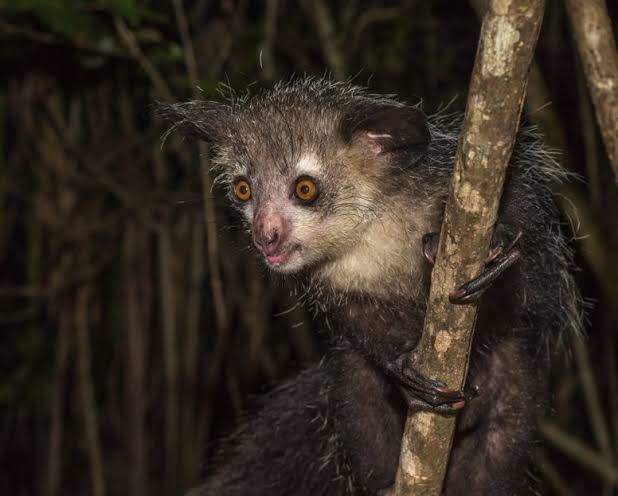
Mysterious animals remind us that the natural world still holds countless secrets waiting to be discovered. Across forests, oceans, deserts, and hidden ecosystems, nature has created creatures that seem almost unbelievable. Some animals look like they came from ancient legends, while others have abilities that continue to surprise scientists.
From creatures that can regenerate lost body parts to animals with unusual appearances and extraordinary survival skills, mysterious animals reveal the incredible creativity of evolution. Their unique features are not simply strange; they are adaptations developed over millions of years to help them survive in challenging environments.
Many cultures around the world have created stories about unusual creatures, often describing them as magical beings. While some legends may be exaggerated, they are often inspired by real animals with fascinating traits. Modern science continues to uncover the truth behind these creatures, showing that reality can sometimes be even more amazing than imagination.
In this article, we will explore some of the most interesting mysterious animals on Earth, including the amazing axolotl, armored pangolin, unusual tufted deer, beautiful leafy sea dragon, and the fascinating Sunda colugo. Each of these animals demonstrates how diverse and surprising life on our planet can be.
What Makes an Animal Mysterious?
When people hear the phrase “mysterious animals,” they often imagine rare creatures hidden deep in the wilderness. However, mystery does not always mean unknown. Many mysterious animals are already studied by scientists but still possess qualities that seem extraordinary.
An animal may be considered mysterious because of its unusual appearance, strange behavior, rare abilities, or hidden lifestyle. Some live in environments that are difficult for humans to explore, such as deep oceans, dense rainforests, or underground habitats.
For example, the deep sea contains many creatures that look completely different from familiar animals. Their strange shapes and survival methods developed because they live in extreme conditions where sunlight is limited and food can be scarce.
Other mysterious animals surprise us because they challenge what we expect from nature. A deer with sharp canine teeth, a mammal covered in scales, or a creature that keeps its youthful appearance throughout adulthood all show the incredible variety of evolution.
The Amazing Axolotl: Nature’s Regeneration Expert
One of the most famous mysterious animals is the axolotl, a unique amphibian native to lakes around Mexico. With its cute appearance, wide smile, and external gills, the axolotl has captured the attention of animal lovers and scientists around the world.
The axolotl is especially fascinating because of a biological phenomenon called neoteny. This means that it reaches adulthood while keeping features normally associated with its younger stage of life. Unlike many amphibians that transform from aquatic larvae into land animals, axolotls remain underwater throughout their lives.
Perhaps the most remarkable ability of the axolotl is its regeneration power. These animals can regrow lost limbs, parts of their nervous system, and other tissues. Scientists study axolotls to better understand how regeneration works and what lessons their biology might reveal about healing processes.
The axolotl’s mysterious appearance has even inspired fictional creatures in popular culture. Many people compare its look to fantasy characters because of its unusual shape and gentle expression.
Unfortunately, wild axolotls face serious challenges due to habitat changes and environmental pressures. Conservation efforts are important to protect this extraordinary animal and preserve one of nature’s most impressive examples of adaptation.

The Armored Pangolin: The World’s Only Scaled Mammal
Another incredible mysterious animal is the pangolin. Often described as a creature that looks like it belongs in a fantasy story, the pangolin is the only known mammal completely covered in protective scales.
These scales are made of keratin, the same natural material found in human fingernails. The armor-like covering helps protect pangolins from threats in their environment.
Pangolins are mostly active at night, making them difficult to observe. They spend much of their time searching for ants and termites, which they collect using their long, sticky tongues. Their feeding habits make them important for maintaining balance in their ecosystems.
When threatened, a pangolin can curl its body into a tight ball, using its tough scales as protection. This defense strategy is one of the reasons they appear so unusual compared with other mammals.
Despite their fascinating biology, pangolins are among the animals that need strong conservation attention. Protecting their habitats and increasing awareness about these unique creatures helps ensure that future generations can continue to learn about them.
The Majestic Tufted Deer: A Deer With Fangs
Deer are usually imagined as gentle forest animals with elegant antlers. However, the tufted deer offers a surprising twist. This small deer species from China has a distinctive appearance that makes it one of the most mysterious animals in the world.
The tufted deer gets its name from the noticeable tuft of dark hair on its forehead. This unusual feature gives it a unique look, almost as if it belongs to another era.
The most surprising characteristic belongs to the males. Instead of large antlers like many other deer species, male tufted deer have long, sharp canine teeth that extend from their mouths. These fang-like teeth are used during social interactions and competition.
Tufted deer are generally shy and prefer quiet environments. They are most active during dawn and dusk, when they move through forests searching for plants and vegetation.
Their mysterious appearance and rare sightings have made them a fascinating subject for wildlife enthusiasts. The tufted deer shows that even familiar animal groups can contain unexpected surprises.

The Strange Leafy Sea Dragon: A Master of Ocean Camouflage
The ocean is home to some of the most mysterious animals on Earth, and the leafy sea dragon is one of the most beautiful examples.
Native to waters around Australia, the leafy sea dragon has a body covered with leaf-like extensions that make it look almost exactly like floating seaweed. This incredible camouflage helps it blend into its underwater environment.
Unlike many marine animals that move quickly, the leafy sea dragon moves slowly and gracefully. Its transparent fins create gentle movements that allow it to drift through the water while remaining difficult for predators to notice.
Leafy sea dragons feed on tiny marine organisms. Their long snouts work like small underwater straws, allowing them to capture food efficiently.
Their unusual appearance has made them popular among divers and marine researchers. Many people describe seeing a leafy sea dragon as a magical underwater experience because the creature seems almost unreal.
However, these animals depend heavily on healthy marine habitats. Protecting ocean ecosystems is essential for ensuring that these mysterious animals continue to survive.

The Adorable Sunda Colugo: The Gliding Mammal of the Forest
The Sunda colugo, sometimes called the Sunda flying lemur, is another fascinating example of a mysterious animal. Despite its nickname, it is not actually a lemur and does not truly fly.
Instead, the colugo is a skilled glider. It uses a special membrane of skin that stretches between its limbs, allowing it to move from tree to tree.
Living high in the forests of Southeast Asia, colugos spend most of their lives above the ground. Their nighttime lifestyle and tree-based habitat make them difficult to observe.
Colugos mainly eat plant materials such as leaves, flowers, and fruit. Their ability to glide helps them travel efficiently through forests while avoiding many dangers on the ground.
Their unique movement style demonstrates how animals develop creative solutions for survival. The colugo may not have wings, but it has evolved its own remarkable way of moving through the world.

Why Mysterious Animals Matter
Mysterious animals are more than fascinating creatures. They represent the incredible diversity of life on Earth and help scientists understand evolution, adaptation, and ecosystems.
Every unusual feature has a story. The axolotl’s regeneration, the pangolin’s armor, the tufted deer’s unusual teeth, the leafy sea dragon’s camouflage, and the colugo’s gliding ability all developed because these animals adapted to their surroundings.
Studying these animals also teaches us about the importance of protecting biodiversity. Many mysterious animals depend on specific habitats, and changes to those environments can affect their survival.
By learning about these creatures, people can develop greater respect for nature. The more we understand the animal kingdom, the more we realize how much there is still left to discover.
Conclusion: The Endless Mystery of Nature
The world of mysterious animals shows us that nature is full of surprises. Creatures that seem magical often have real biological explanations that are even more fascinating than myths.
The axolotl, pangolin, tufted deer, leafy sea dragon, and Sunda colugo each demonstrate the creativity of evolution. Their unusual appearances and behaviors are reminders that every species has a unique role in the natural world.
As science continues to explore forests, oceans, and hidden environments, new discoveries will continue to expand our understanding of life on Earth. These mysterious animals inspire curiosity, encourage conservation, and remind us that our planet still holds many wonders waiting to be explored.
Sources
Tiny Tails to You. “5 Magical and Mysterious Animals You Should Know About.”
World Wildlife Fund. Pangolin conservation information.
National Geographic. Animal biology and wildlife research.
Smithsonian National Zoo. Species conservation resources.