
Mind-blowing general facts are not only entertaining but also educational. They help us understand how our bodies work, how nature adapts, and how science continues to reveal secrets about the world we live in.
The world around us is filled with fascinating mysteries, surprising discoveries, and incredible details that many people never notice. From the human body’s hidden abilities to the strange behaviors of animals and the wonders of nature, there are countless facts that can completely change the way we see everyday life.
Many things we experience daily have scientific explanations that are far more interesting than we imagine. A simple sneeze, a heartbeat, the growth of our body, or even the color of an animal can reveal fascinating information about biology, health, and evolution.
In this article, we will explore some of the most amazing general facts related to health, the human body, animals, and science. These discoveries may surprise you, inspire curiosity, and remind you that the world is full of extraordinary details waiting to be explored.
Mind-Blowing General Facts About the Human Body
The human body is one of the most complex systems in existence. Every second, millions of processes happen inside us without our awareness. From our brain activity to our immune system, the body constantly works to keep us alive and healthy.
Your Blood Vessels Could Stretch Around the Earth
One of the most incredible human body facts is the length of our blood vessel network.
If all the blood vessels in an adult human body were placed end to end, they could stretch for approximately 100,000 miles (around 160,000 kilometers). This network includes arteries, veins, and tiny capillaries that deliver oxygen and nutrients to every part of the body.
The circulatory system is like a transportation network. It carries oxygen from the lungs, removes waste products, regulates body temperature, and supports every organ.
This amazing system shows how carefully designed and interconnected the human body is.
Your Eyes Stay Almost the Same Size Throughout Life
Many parts of our body change as we grow, but our eyeballs are different.
Human eyes generally reach their full size early in life and remain almost the same size from childhood to adulthood. Meanwhile, other facial features continue growing and changing.
This is one reason why babies often appear to have large eyes compared to their faces.
You Cannot Sneeze With Your Eyes Open
Sneezing is a protective reflex designed to remove irritants from the nose and airways.
When you sneeze, your body automatically triggers several muscles, including those around your eyes. Most people naturally close their eyes during a sneeze.
Although some people wonder whether it is possible to keep their eyes open while sneezing, the body’s automatic reflex makes it extremely difficult.
Your Nose and Ears Continue Growing
Unlike many body parts that stop growing after adulthood, the cartilage in your ears and nose continues changing throughout life.
This does not mean they grow rapidly, but gradual changes happen because cartilage and surrounding tissues continue to alter as we age.
This explains why older adults may appear to have larger ears or noses compared with younger people.
Your Height Is Similar to Your Arm Span
A fascinating body proportion fact is that the distance between your fingertips when your arms are stretched outward is often close to your height.
This measurement, known as arm span, is commonly used in health science and physical assessments because it can provide clues about body proportions.
Amazing Facts About the Brain and Mind
The human brain is the control center of everything we do. It manages thoughts, emotions, memories, movements, and countless automatic functions.
Your Brain Uses a Large Amount of Energy
Although the brain makes up only a small percentage of body weight, it consumes a significant amount of the body’s energy.
The brain requires constant fuel from oxygen and glucose to maintain communication between billions of nerve cells.
This is why sleep, nutrition, and hydration are important for healthy brain function.

Memory Is More Complex Than We Think
Many people imagine memory as a perfect recording system, but the brain actually rebuilds memories every time we recall them.
Our experiences, emotions, and surroundings can influence how memories are stored and remembered.
This fascinating process shows how adaptable and creative the human mind can be.
Mind-Blowing General Facts About Animals
Animals have developed incredible abilities through millions of years of evolution. Their behaviors and adaptations often seem unbelievable, but science explains how they survive.
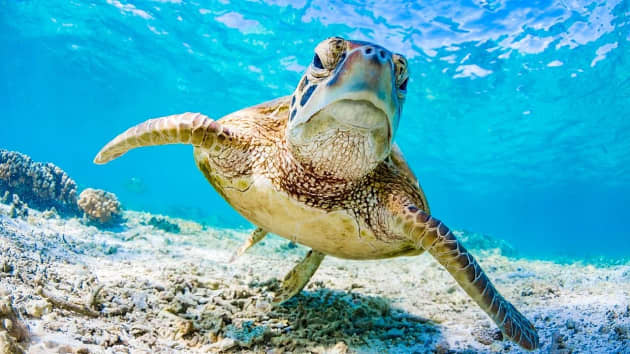
Sea Turtles Can Breathe Through Their Bodies
Some sea turtles have a unique ability called cloacal respiration.
During certain situations, especially when resting underwater for long periods, some species can absorb oxygen through specialized tissues near their rear opening.
This adaptation helps them survive in environments where they cannot easily reach the surface.
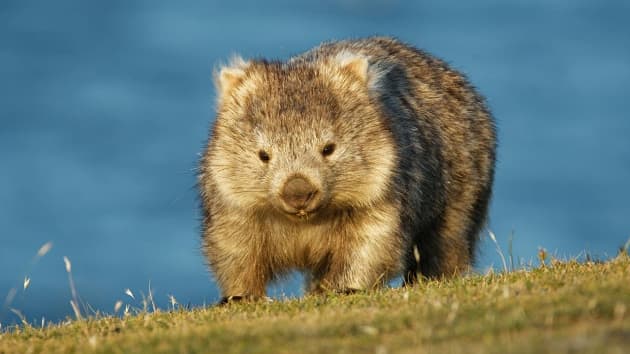
Wombats Produce Cube-Shaped Droppings
One of the strangest animal facts is that wombats produce cube-shaped poop.
Scientists discovered that this unusual shape comes from the structure of their intestines. Different areas of the intestine have varying elasticity, creating the distinctive cube form.
This may help wombats mark their territory because the cubes are less likely to roll away.
Flamingos Are Not Born Pink
Young flamingos are usually gray or pale in color.
Their famous pink feathers develop from their diet, especially foods containing pigments called carotenoids.
As flamingos consume certain algae and small aquatic creatures, their feathers gradually become pink.
Cheetahs Cannot Roar
Unlike lions and many other big cats, cheetahs cannot roar.
Instead, they communicate through sounds such as chirping, growling, and purring.
Cheetahs are also known as the fastest land animals, capable of reaching incredible speeds over short distances.
Male Seahorses Carry Babies
Seahorses have one of the most unusual reproductive systems in nature.
Male seahorses carry developing embryos inside a special pouch until they are ready to be born.
This unique role challenges the common idea that only females carry offspring.
Incredible Facts About Nature and Evolution
Nature is full of surprising examples of survival, adaptation, and change.
Magnolia Flowers Existed During the Dinosaur Era
Magnolia plants are among the oldest flowering plants on Earth.
These ancient flowers existed millions of years ago, meaning dinosaurs lived alongside them.
Their survival shows the incredible strength of plant evolution.
Some Animals Can Pause Pregnancy
Certain animals, including kangaroos, have the ability to delay embryo development when environmental conditions are unfavorable.
This process allows them to wait until food and survival conditions improve before continuing pregnancy.
It is a remarkable example of nature adapting to challenges.
Stick Insects Can Reproduce Without Males
Some stick insect species can reproduce through a process called parthenogenesis.
When males are unavailable, females can produce offspring without fertilization.
The resulting young may be genetically very similar to the mother.
This ability helps certain species survive in changing environments.
Surprising Everyday Facts You Probably Never Heard Before
Some of the most interesting facts are hidden in ordinary things around us.
The Plastic Tip of Shoelaces Has a Name
The small plastic or metal covering at the end of a shoelace is called an aglet.
Its purpose is to prevent the lace from fraying and make it easier to pass through holes.
A tiny everyday object has a scientific name that many people never learn.
A Nosebleed Has a Medical Name
The medical term for a nosebleed is epistaxis.
It happens when blood vessels inside the nose become damaged or irritated.
Most nosebleeds are harmless, but frequent or severe bleeding may require medical attention.
Your Stomach Sounds Have a Name
The rumbling noises from your stomach are sometimes called borborygmi.
They happen because muscles in your digestive system move gas and fluids through your intestines.
These sounds are a normal part of digestion.

Health Lessons Hidden Inside These Mind-Blowing Facts
While these facts are fascinating, they also teach us important lessons about health.
The human body is constantly working to maintain balance. Our heart pumps blood, our lungs exchange oxygen, our immune system protects us, and our brain coordinates everything.
Understanding how the body works can encourage healthier choices:
- Eating a balanced diet supports body functions.
- Regular movement keeps muscles and circulation healthy.
- Quality sleep helps the brain recover.
- Drinking enough water supports many biological processes.
- Learning new information keeps the mind active.
Science shows that even simple daily habits can have a major impact on long-term wellness.
Why Learning General Facts Is Good for Your Mind
Learning interesting facts is not only fun; it also benefits the brain.
Curiosity encourages mental activity and helps people develop stronger learning habits.
Discovering new information can:
- Improve memory.
- Increase creativity.
- Encourage critical thinking.
- Help people understand the world better.
Every new fact is a small piece of knowledge that builds a bigger picture of how life works.
Conclusion: The Endless Wonder of Mind-Blowing General Facts
The world is full of extraordinary discoveries, from the hidden abilities of the human body to the incredible adaptations of animals and nature.
These mind-blowing general facts remind us that there is always something new to learn. A simple sneeze, a flower, an animal behavior, or a small detail in everyday life can reveal a fascinating scientific story.
The more we explore, the more we realize that the world is far more amazing than we often imagine.
Curiosity is one of the greatest tools we have. By continuing to ask questions and discover new information, we can better understand ourselves, appreciate nature, and stay connected with the incredible planet we call home.
Sources
- National Institutes of Health (NIH) – Human Biology and Health Research
- World Health Organization (WHO) – Health Information Resources
- Smithsonian Institution – Animal and Natural History Research
- National Geographic – Science and Wildlife Education
- Encyclopaedia Britannica – Biology and General Knowledge References