Wine knowledge is the first step toward making confident choices, whether you’re exploring wine for casual enjoyment or hoping to develop a deeper appreciation. Wine has fascinated humanity for thousands of years. From ancient civilizations to modern fine dining, it has become much more than a beverage—it is a reflection of culture, geography, craftsmanship, and tradition.
Many beginners feel overwhelmed by wine labels, unfamiliar grape names, tasting terminology, and countless bottle options. Fortunately, understanding wine doesn’t require becoming a sommelier overnight. By learning a few essential concepts, you can discover your personal preferences, choose wines with confidence, and enjoy every glass more fully.
This comprehensive guide covers everything beginners need to know, including how wine is made, major wine styles, grape varieties, wine tasting techniques, serving temperatures, storage tips, wine glasses, food pairing principles, and practical advice for enjoying wine responsibly.
What Is Wine?
Wine is an alcoholic beverage produced by fermenting grapes. Unlike table grapes that people commonly eat, wine grapes belong primarily to the species Vitis vinifera, which contains higher concentrations of sugar, thicker skins, smaller berries, and more intense flavors. These characteristics make them ideal for fermentation and aging.
During fermentation, natural or cultivated yeast converts grape sugars into alcohol and carbon dioxide. The result is a beverage whose aroma, flavor, body, acidity, and complexity depend on several important factors, including:
- Grape variety
- Climate
- Soil conditions (terroir)
- Harvest timing
- Winemaking techniques
- Aging methods
Today, more than 1,200 grape varieties exist worldwide, although only around 100 dominate global wine production.

Understanding Vitis Vinifera
When discussing wine knowledge, you’ll frequently encounter the term Vitis vinifera. This species includes nearly all classic wine grapes grown around the world.
Unlike table grapes, wine grapes possess:
- Smaller fruit size
- Thicker skins
- Higher sugar concentration
- Lower water content
- Greater acidity
- Richer flavor compounds
These characteristics help create balanced wines with aging potential and distinctive aromas.
Some of the world’s most famous wine grapes include:
Popular Red Wine Grapes
- Cabernet Sauvignon
- Merlot
- Pinot Noir
- Syrah (Shiraz)
- Malbec
- Cabernet Franc
- Grenache
- Sangiovese
Popular White Wine Grapes
- Chardonnay
- Sauvignon Blanc
- Riesling
- Pinot Grigio (Pinot Gris)
- Chenin Blanc
- Viognier
- Gewürztraminer
Each grape contributes unique aromas, acidity levels, body, and aging characteristics.
The Five Main Types of Wine
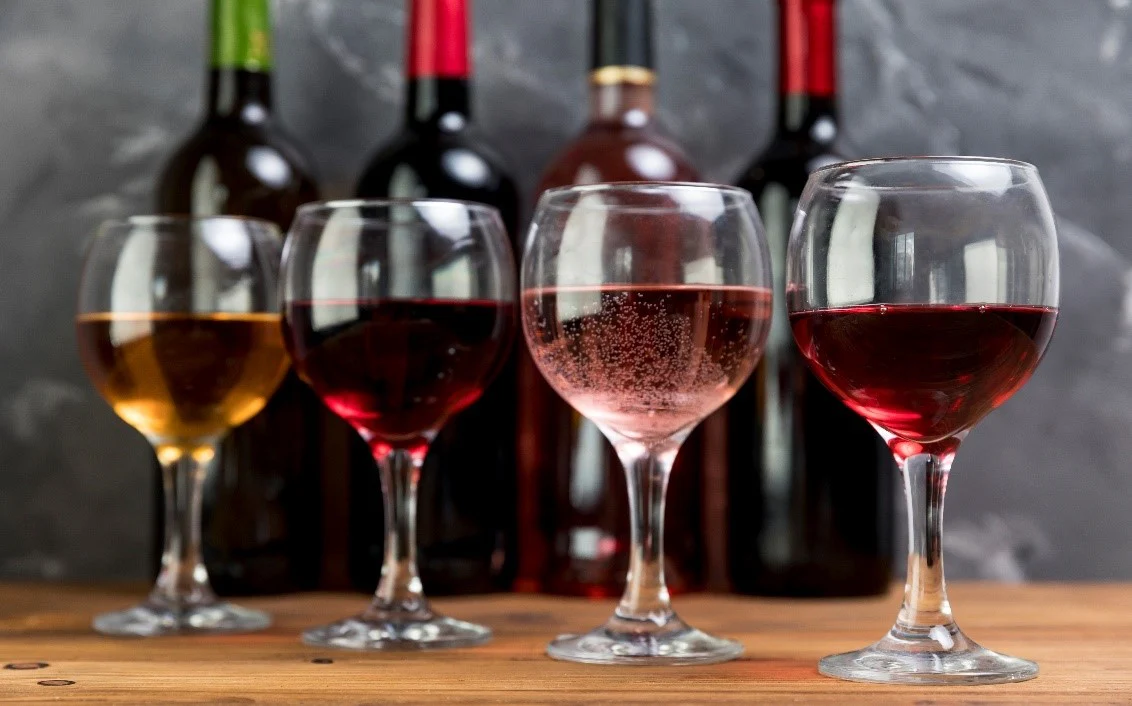
Although thousands of wines exist worldwide, they generally fall into five primary categories.
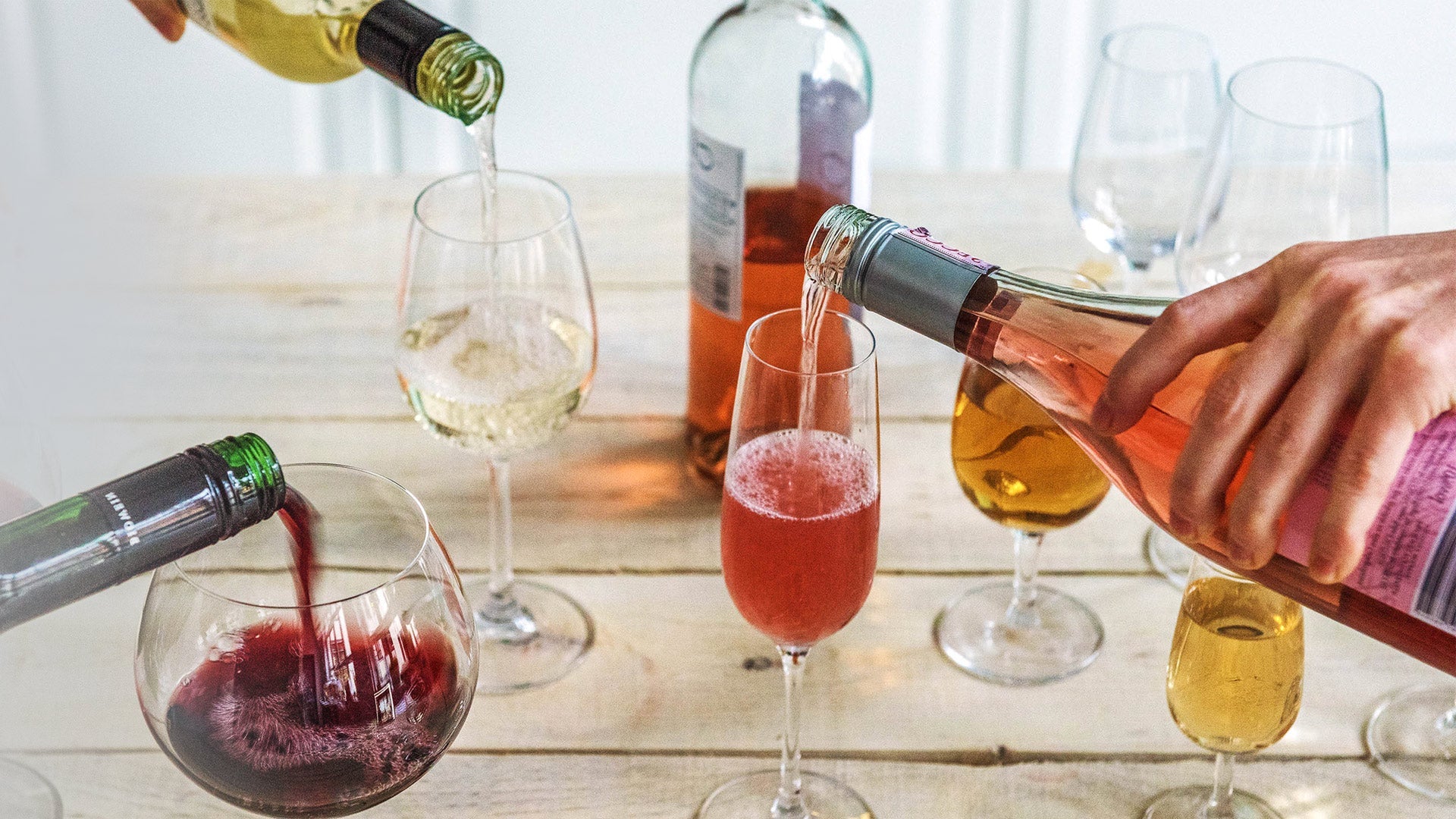
Red Wine
Red wine is produced using dark-skinned grapes. During fermentation, grape skins remain in contact with the juice, giving red wine its characteristic color and tannins.
Common flavor notes include:
- Blackberries
- Cherries
- Plums
- Spice
- Chocolate
- Tobacco
- Cedar
- Vanilla
Popular red wines include Cabernet Sauvignon, Merlot, Pinot Noir, Malbec, and Syrah.
Red wines range from light-bodied and elegant to full-bodied and powerful.
White Wine
White wines are usually made from green or golden grapes, although some are produced from dark grapes after removing the skins before fermentation.
Typical flavors include:
- Citrus
- Apple
- Pear
- Peach
- Tropical fruits
- Honey
- Flowers
- Minerals
Popular white wines include Chardonnay, Sauvignon Blanc, Riesling, and Pinot Grigio.
White wines may be dry, off-dry, or sweet.
Rosé Wine
Rosé occupies the middle ground between red and white wines.
It is commonly produced by allowing grape skins to remain with the juice for only a short period before removal. This creates its signature pink color.
Rosé wines often feature:
- Strawberry
- Raspberry
- Watermelon
- Cherry
- Citrus
They are refreshing, versatile, and particularly enjoyable during warm weather.
Sparkling Wine
Sparkling wine contains bubbles created through secondary fermentation.
Styles range from very dry to sweet and include:
- Champagne
- Prosecco
- Cava
- Sekt
Sparkling wines can be white, rosé, or even red, though white sparkling wines are most common.
Dessert and Fortified Wine
Dessert wines contain noticeable sweetness, while fortified wines have additional grape spirits added during production.
Popular examples include:
- Port
- Sherry
- Vermouth
- Sauternes
- Ice Wine
These wines are often enjoyed after meals or paired with desserts and cheeses.
What Does Vintage Mean?
One of the first details you’ll notice on a wine bottle is the vintage year.
Vintage refers to the year when the grapes were harvested—not necessarily when the wine was bottled.
Two main categories exist:
Vintage Wine
Produced primarily from grapes harvested in one specific year.
Non-Vintage (NV)
Made by blending wines from multiple harvest years to achieve a consistent house style.
Vintage matters because weather conditions greatly influence grape quality, affecting aroma, acidity, sweetness, and overall character.
Understanding Wine Labels
Reading a wine label becomes much easier once you know what to look for.
Important information often includes:
- Producer or winery
- Grape variety
- Wine region
- Vintage year
- Alcohol by Volume (ABV)
- Country of origin
- Bottle size
European labels sometimes emphasize the wine region rather than the grape variety, while many New World wines prominently display the grape name.
Essential Wine Tasting Knowledge
Professional wine tasting follows a structured process that helps identify a wine’s qualities.
Appearance
Observe the wine’s color, clarity, and intensity.
Young wines typically appear brighter, while older wines often develop amber or brick-colored hues.
Aroma
Swirl the wine gently to release aromatic compounds.
Common aroma categories include:
Fruity
- Apple
- Cherry
- Blackberry
- Peach
- Citrus
Floral
- Rose
- Violet
- Jasmine
Herbal
- Mint
- Basil
- Grass
Earthy
- Mushroom
- Forest floor
- Leather
Spicy
- Pepper
- Cinnamon
- Clove
Taste
Take a small sip and let the wine coat your palate.
Pay attention to:
Sweetness
Ranges from bone dry to very sweet.
Acidity
Provides freshness and crispness.
Tannins
Natural compounds from grape skins and seeds that create a drying sensation.
Alcohol
Usually ranges between 5.5% and 15%, although fortified wines may be higher.
Body
Describes the weight or richness of the wine.
- Light-bodied
- Medium-bodied
- Full-bodied
Flavor
Many flavors mirror the aromas while adding texture and depth.
Finish
The finish refers to how long pleasant flavors remain after swallowing.
Generally, higher-quality wines have longer, more complex finishes.

How to Taste Wine Properly
Following a simple tasting routine enhances appreciation.
Step 1
Read the bottle label.
Learn the grape variety, producer, vintage, and alcohol content.
Step 2
Choose the proper glass.
Different glasses help concentrate aromas and improve tasting.
Step 3
Hold the stem.
Holding the stem prevents warming the wine with your hands and keeps fingerprints off the bowl.
Step 4
Pour correctly.
Fill only about one-third of the glass to allow room for swirling.
Step 5
Swirl gently.
Swirling introduces oxygen, opening up aromas.
Step 6
Smell deeply.
Take several short sniffs before tasting.
Step 7
Sip slowly.
Allow the wine to move across your tongue before swallowing.
Notice how flavors evolve from the first sip through the finish.
Ideal Wine Serving Temperatures
Serving temperature dramatically affects aroma and flavor.
Red Wine
Serve between 15°C and 20°C (59°F–68°F).
Lighter reds benefit from slightly cooler temperatures.
White Wine
Serve chilled between 8°C and 12°C (46°F–54°F).
Sparkling Wine
Serve very cold between 5°C and 10°C (41°F–50°F).
Quick Cooling Tip
If you need to chill a bottle quickly, place it in a bucket filled with ice and water for approximately 20 minutes.
How Long Does Opened Wine Last?
Once opened, oxygen gradually changes wine.
Typical storage guidelines include:
Red Wine
Approximately 3–5 days when re-corked and stored in a cool, dark location.
White Wine
Typically 5–7 days in the refrigerator with the cork replaced.
Rosé Wine
Usually remains enjoyable for 5–7 days under refrigeration.
Sparkling Wine
Best consumed within 1–3 days using a sparkling wine stopper.
Dessert and Fortified Wines
Higher sugar and alcohol levels help preserve these wines for several weeks after opening.
Can You Drink Old Wine?
Older wine is not automatically unsafe.
Instead, it may lose fruit flavors, develop nutty or oxidized characteristics, and eventually resemble vinegar.
A wine that has aged beyond its optimal drinking window usually tastes less enjoyable rather than becoming dangerous.
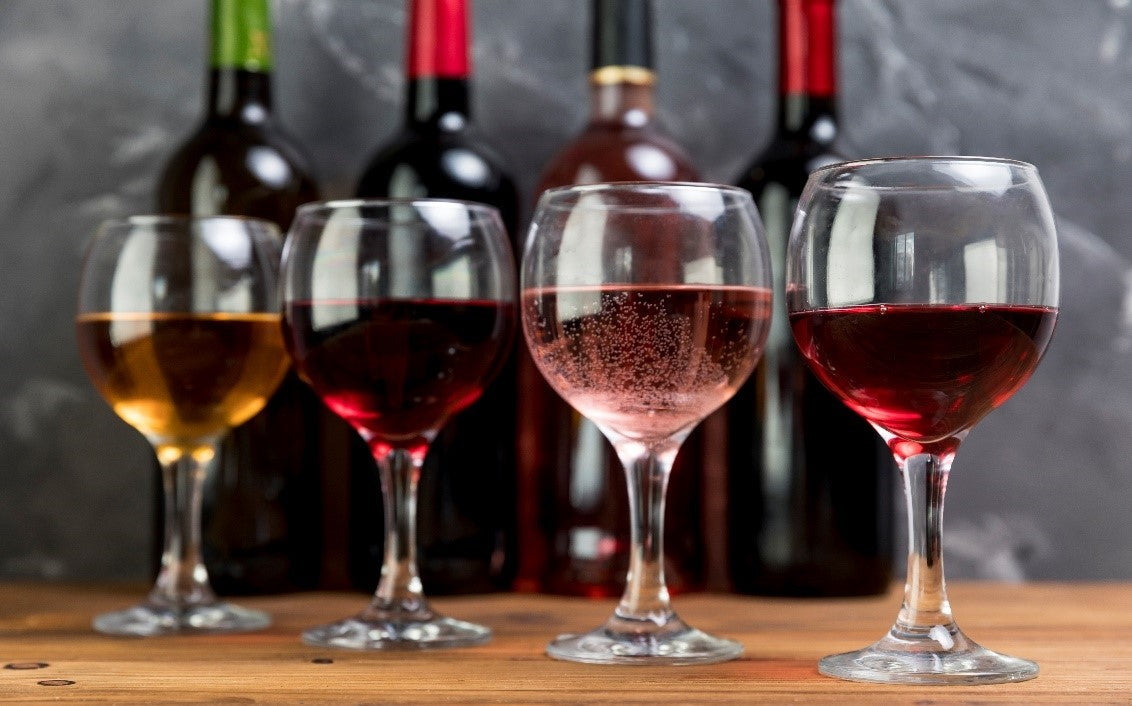
Choosing the Right Wine Glass
Glass shape influences aroma concentration and tasting experience.
Red Wine Glasses
Large bowls allow oxygen exposure, softening tannins.
White Wine Glasses
Smaller bowls preserve freshness and floral aromas.
Sparkling Wine Flutes
Tall, narrow glasses maintain bubbles longer.
Fortunately, beginners don’t need an expensive collection. A quality universal wine glass works well for most occasions.
Basic Wine and Food Pairing Principles
One of the most enjoyable aspects of wine knowledge is discovering food pairings.
Although personal preference always comes first, several guidelines consistently produce excellent combinations.
Match Weight
Light wines complement delicate dishes.
Full-bodied wines pair better with rich meals.
Match Flavor Intensity
Avoid overpowering subtle foods with bold wines.
Likewise, delicate wines may disappear beside intensely flavored dishes.
Balance Acidity
High-acid wines pair beautifully with tomato-based sauces, seafood, and fresh salads.
Watch Salt and Tannins
Very salty foods can make highly tannic wines seem more bitter.
Rich Foods Soften Tannins
Fatty meats and aged cheeses mellow the astringency of powerful red wines.
Balance Sweetness
Wine should generally be at least as sweet as the dessert it accompanies.
Pair Spice Carefully
Slightly sweet wines often balance spicy dishes better than heavily tannic reds.
Consider the Sauce
The sauce often determines the best wine pairing more than the main ingredient itself.
For example:
- Chardonnay complements creamy pasta.
- Sauvignon Blanc pairs well with herb-based dishes.
- Pinot Noir works beautifully with roasted poultry.
- Cabernet Sauvignon matches grilled steak.
Common Beginner Wine Mistakes
Learning wine is a journey, and mistakes are part of the experience.
Common errors include:
- Serving wine at the wrong temperature
- Filling glasses too full
- Ignoring food pairing
- Judging quality solely by price
- Drinking too quickly
- Storing opened wine improperly
- Being intimidated by complicated terminology
Remember that developing your palate takes time and repeated tasting.
Tips for Building Your Wine Knowledge
Expanding your understanding becomes easier with consistent exploration.
Helpful habits include:
- Try different grape varieties.
- Compare wines from different countries.
- Keep tasting notes.
- Learn basic wine terminology.
- Visit local wineries when possible.
- Attend guided tastings.
- Pair wines with various cuisines.
- Read wine books and educational resources.
The more wines you experience, the easier it becomes to identify your personal preferences.
Conclusion
Wine is one of the world’s most fascinating beverages, combining agriculture, science, tradition, and artistry in every bottle. While the sheer variety of grapes, regions, and styles may seem intimidating at first, mastering the fundamentals makes wine both approachable and enjoyable.
Understanding grape varieties, wine types, tasting techniques, serving temperatures, storage methods, and food pairing principles empowers you to make informed choices and appreciate wine on a deeper level. Whether you enjoy a crisp Sauvignon Blanc on a warm afternoon, a bold Cabernet Sauvignon with dinner, or a celebratory glass of sparkling wine, every bottle offers an opportunity to discover something new.
Ultimately, the best wine is the one that suits your own palate and the moment you choose to enjoy it. Continue exploring with curiosity, taste responsibly, and let each glass expand your wine knowledge one sip at a time.
Frequently Asked Questions (FAQs)
What is the best wine for beginners?
Many beginners enjoy approachable wines such as Pinot Grigio, Chardonnay, Merlot, or Pinot Noir because of their balanced flavors and moderate intensity.
Does expensive wine always taste better?
Not necessarily. Price often reflects rarity, production methods, aging potential, or brand reputation rather than personal enjoyment.
How should unopened wine be stored?
Store bottles horizontally in a cool, dark place with a consistent temperature between 10°C and 15°C (50°F–59°F) and moderate humidity.
Can red wine be refrigerated?
Yes. Chilling red wine for 15–20 minutes before serving can improve freshness, especially for lighter-bodied styles.
Why do people swirl wine?
Swirling introduces oxygen, allowing aromatic compounds to become more noticeable and enhancing the overall tasting experience.
Sources
- International Organisation of Vine and Wine (OIV)
- Wine & Spirit Education Trust (WSET)
- American Association of Wine Economists
- UC Davis Department of Viticulture and Enology
- Wine Folly – Educational Wine Guides
- TC Wine – Basic Wine Knowledge for Beginners