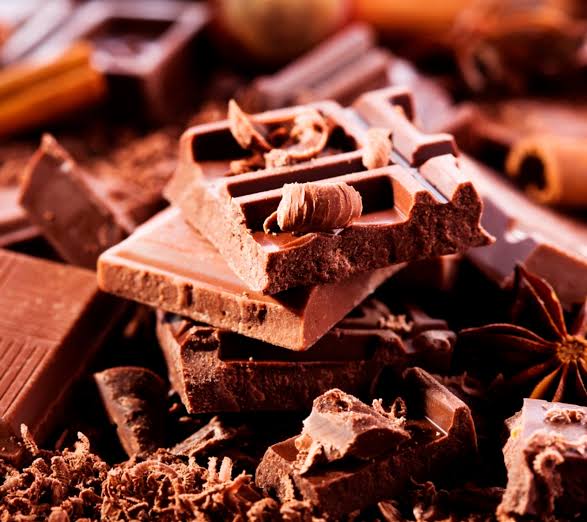
Facts about chocolate, explore where chocolate comes from, learn how it’s made, understand the differences between chocolate varieties, and uncover what modern research says about its potential health benefits.
Chocolate is one of the world’s most beloved foods. Whether enjoyed as a creamy milk chocolate bar, an intense dark chocolate square, or a comforting mug of hot cocoa, it has been cherished for thousands of years. But beyond its irresistible flavor lies an extraordinary history filled with ancient civilizations, scientific discoveries, cultural traditions, and impressive nutritional properties.
Many people think of chocolate as simply a dessert, yet it has played remarkable roles throughout human history. It served as currency, was considered sacred by ancient cultures, inspired explorers, and today continues to fascinate scientists studying its potential health effects.
What Is Chocolate?
Chocolate is produced from the seeds of the Theobroma cacao tree, whose scientific name means “food of the gods.” Native to Central and South America, cacao trees thrive in warm, humid tropical climates near the equator.
Chocolate production begins with harvesting cacao pods. Inside each pod are dozens of cacao beans surrounded by sweet pulp. The beans undergo fermentation, drying, roasting, cracking, grinding, and refining before eventually becoming the chocolate products we enjoy today.
Depending on the proportions of cocoa solids, cocoa butter, milk, and sugar, manufacturers create different varieties including dark chocolate, milk chocolate, and white chocolate.

The Fascinating History of Chocolate
Long before chocolate bars existed, cacao was consumed as a bitter beverage by the Olmec, Maya, and Aztec civilizations. Rather than being sweet, ancient chocolate was often mixed with chili peppers, spices, herbs, or corn.
European explorers introduced cacao to Spain during the 16th century. After sugar was added, chocolate quickly became a luxury enjoyed by European royalty before eventually spreading around the world.
Today, chocolate is produced in more than 50 countries and enjoyed by billions of people every year.
20 Incredible Facts About Chocolate
1. Chocolate Was Once Used as Money
One of the most surprising facts about chocolate is that cacao beans once functioned as currency.
The Maya and Aztec civilizations considered cacao extremely valuable. Historical records indicate people could purchase food, clothing, livestock, and even pay taxes using cacao beans.
In some regions, cacao was literally worth more than gold because of its rarity and importance.
2. The Name Theobroma Means “Food of the Gods”
Swedish botanist Carl Linnaeus named the cacao tree Theobroma cacao.
“Theobroma” comes from Greek words meaning food of the gods, reflecting how highly ancient cultures valued cacao.
For centuries, chocolate was associated with wealth, spirituality, and ceremonial rituals.
3. Chocolate Naturally Contains Caffeine
Many people are surprised to discover that chocolate contains caffeine.
Dark chocolate generally contains the highest amount because it has more cocoa solids, while milk chocolate contains much less.
White chocolate contains virtually no caffeine because it lacks cocoa solids.
Although chocolate provides a gentle energy boost, its caffeine content is significantly lower than coffee.
4. Chocolate Also Contains Theobromine
Besides caffeine, chocolate contains another natural stimulant called theobromine.
Theobromine contributes to chocolate’s mild stimulating effects without producing the stronger nervousness sometimes associated with coffee.
It also explains why chocolate can be dangerous for dogs and many other pets, whose bodies cannot metabolize the compound efficiently.
5. White Chocolate Isn’t Technically Chocolate
One of the most debated facts about chocolate concerns white chocolate.
Unlike dark or milk chocolate, white chocolate contains cocoa butter but no cocoa solids.
Its ingredients typically include:
- Cocoa butter
- Sugar
- Milk solids
- Vanilla
Because it lacks cocoa solids, many chocolate enthusiasts argue that white chocolate is not “true” chocolate.

6. Dark Chocolate Is Rich in Powerful Antioxidants
Dark chocolate contains plant compounds called flavanols, a type of antioxidant found naturally in cacao.
Antioxidants help protect cells from oxidative stress caused by unstable molecules known as free radicals.
Among common foods, high-quality dark chocolate ranks surprisingly high in antioxidant content.
The higher the cocoa percentage, the greater the concentration of beneficial plant compounds.
7. Dark Chocolate May Support Brain Function
Researchers have investigated whether cocoa flavanols can improve blood flow to the brain.
Several studies suggest flavanol-rich cocoa may temporarily enhance attention, memory, and cognitive performance, particularly in older adults.
Although chocolate isn’t a miracle brain food, enjoying moderate amounts of dark chocolate as part of a balanced diet may support healthy brain function.
8. Chocolate Can Improve Your Mood
Have you ever reached for chocolate after a stressful day?
There may actually be science behind this behavior.
Chocolate stimulates the release of compounds associated with pleasure and reward, including serotonin and endorphins.
Dark chocolate also contains phenylethylamine and other naturally occurring compounds that may contribute to feelings of happiness and emotional well-being.
9. Cocoa Powder and Cacao Powder Are Different
Although the names sound similar, they are produced differently.
Cacao Powder
- Made from minimally processed beans
- Lower processing temperatures
- More bitter flavor
- Higher levels of natural antioxidants
Cocoa Powder
- Made from roasted cacao beans
- Richer flavor
- Darker color
- Commonly used for baking
Both have culinary value depending on your recipe.
10. Chocolate Has Been Enjoyed for More Than 3,000 Years
Archaeological evidence suggests humans have consumed cacao for over three millennia.
Ancient pottery discovered in Central America contains cacao residues dating back approximately 1500 BCE.
Chocolate’s popularity has clearly stood the test of time.
11. Most Cocoa Comes from West Africa
Although cacao originated in Central and South America, today approximately two-thirds of the world’s cocoa supply comes from West Africa.
Major producing countries include:
- Côte d’Ivoire
- Ghana
- Nigeria
- Cameroon
These nations play a critical role in the global chocolate industry.
12. Chocolate Requires an Incredible Amount of Work
Making chocolate is far more complicated than many people realize.
The process involves:
- Harvesting cacao pods
- Removing the beans
- Fermentation
- Drying
- Roasting
- Cracking
- Winnowing
- Grinding
- Refining
- Tempering
- Molding
Each stage influences the final flavor, texture, and aroma.
13. Dark Chocolate Usually Contains Less Sugar
Compared with milk chocolate, dark chocolate generally contains:
- More cocoa solids
- Less added sugar
- More fiber
- Higher mineral content
Many nutrition experts recommend choosing chocolate with at least 70% cocoa if you’re looking for the greatest concentration of beneficial plant compounds.

14. Chocolate Contains Important Minerals
Cocoa naturally provides several essential minerals, including:
- Magnesium
- Iron
- Copper
- Manganese
- Potassium
- Zinc
While chocolate should not be relied upon as a primary nutrient source, dark chocolate can contribute small amounts of these minerals within a balanced diet.
15. Chocolate Melts Just Below Body Temperature
Chocolate melts at approximately 34°C (93°F), slightly below average body temperature.
This unique characteristic explains why chocolate melts so smoothly in your mouth while remaining solid at room temperature.
It is one reason premium chocolate provides such a luxurious eating experience.
16. The World’s Most Expensive Chocolate Costs Hundreds of Dollars
Luxury chocolatiers create handmade chocolates featuring rare ingredients like:
- French truffles
- Edible gold
- Exotic vanilla
- Premium cocoa
- Rare spices
Some gourmet chocolate truffles can cost hundreds of dollars each.
These creations combine culinary craftsmanship with luxury ingredients.
17. Chocolate Played an Important Role in Ancient Religious Ceremonies
For the Maya and Aztecs, cacao represented much more than food.
It was offered during weddings, religious festivals, royal ceremonies, and sacred rituals.
Some ancient cultures believed cacao connected humans with divine powers and symbolized prosperity and abundance.
18. Chocolate May Benefit Heart Health
Research suggests cocoa flavanols may support cardiovascular health by helping maintain healthy blood vessel function.
Some studies indicate moderate consumption of dark chocolate may contribute to:
- Improved blood flow
- Better endothelial function
- Healthy blood pressure within normal ranges
- Reduced oxidative stress
However, chocolate should complement—not replace—a healthy diet and lifestyle.
19. Chocolate Is One of the World’s Most Popular Foods
Chocolate is enjoyed on every continent.
It appears in:
- Cakes
- Cookies
- Ice cream
- Drinks
- Breakfast foods
- Energy bars
- Gourmet desserts
- Holiday treats
Billions of chocolate products are sold every year, making chocolate one of the world’s most successful food industries.
20. Quality Matters More Than Quantity
Not all chocolate is equally nutritious.
Many commercial chocolate products contain:
- Large amounts of added sugar
- Vegetable oils
- Artificial flavorings
- Emulsifiers
For greater nutritional value, look for chocolate with:
- 70% or higher cocoa content
- Short ingredient lists
- Minimal added sugar
- High-quality cocoa beans
Moderation remains the key to enjoying chocolate as part of a healthy eating pattern.
Is Chocolate Healthy?
Chocolate often receives mixed opinions, but the answer depends largely on the type and amount consumed.
Potential Benefits
- Rich in antioxidants
- Contains beneficial flavanols
- May improve mood
- May support brain health
- May contribute to heart health
- Provides important minerals
Things to Consider
Chocolate can also contain:
- Added sugar
- Saturated fat
- Extra calories
Choosing high-quality dark chocolate and consuming it in moderation offers the best balance between enjoyment and nutrition.
Frequently Asked Questions About Chocolate
Which chocolate is the healthiest?
Dark chocolate containing 70–85% cocoa generally offers the highest concentration of flavanols and antioxidants while containing less sugar than milk chocolate.
Does chocolate contain caffeine?
Yes. Dark chocolate naturally contains caffeine, although much less than coffee.
Why is dark chocolate bitter?
Dark chocolate contains more cocoa solids and less sugar, giving it a richer, more complex flavor.
Can chocolate improve mood?
Chocolate may contribute to positive mood through its taste, aroma, texture, and naturally occurring compounds that interact with the brain’s reward pathways.
Is white chocolate real chocolate?
White chocolate contains cocoa butter but no cocoa solids, so some experts consider it technically different from traditional chocolate.
Tips for Choosing Better Chocolate
When shopping for chocolate, consider these guidelines:
- Choose chocolate with at least 70% cocoa.
- Read ingredient labels carefully.
- Look for fewer added ingredients.
- Enjoy moderate portions.
- Pair chocolate with nuts or fruit for a balanced snack.
- Store chocolate in a cool, dry place away from sunlight.
Final Thoughts
Chocolate is far more than a sweet indulgence. Its story spans thousands of years, connecting ancient civilizations, global agriculture, culinary artistry, and modern nutritional science. From serving as currency in the Aztec Empire to becoming one of today’s most beloved foods, chocolate continues to captivate people around the world.
Modern research suggests that high-quality dark chocolate can provide valuable antioxidants, minerals, and flavanols that may support heart health, brain function, and emotional well-being when enjoyed in moderation. At the same time, understanding the differences between dark, milk, and white chocolate can help consumers make more informed choices.
The next time you unwrap a piece of chocolate, remember that you’re enjoying a food with an extraordinary journey through history. Every bite represents centuries of tradition, craftsmanship, and scientific discovery—making chocolate not only delicious but genuinely fascinating.
Sources
- Coe, S. D., & Coe, M. D. The True History of Chocolate. Thames & Hudson.
- Cornejo OE et al. (2018). Communications Biology.
- Lamport DJ et al. (2015). Psychopharmacology.
- Sumiyoshi E. et al. (2019). Nutrients.
- Shin JH et al. (2022). The Journal of Nutritional Biochemistry.
- Parker G. et al. (2006). Journal of Affective Disorders.
- Hernández-González T. et al. (2021). FASEB Journal.
- Harvard T.H. Chan School of Public Health – The Nutrition Source.
- Cleveland Clinic – Health Benefits of Dark Chocolate.
- National Institutes of Health (NIH) – Cocoa Flavanols and Human Health.