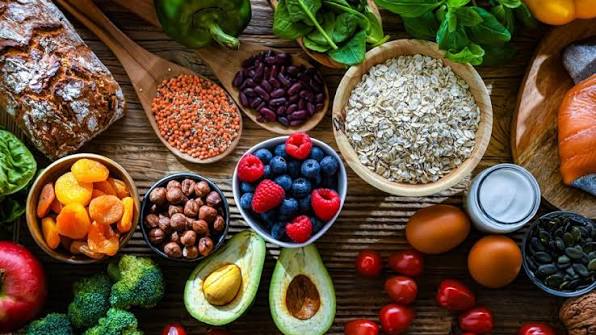
A balanced diet supplies essential vitamins, minerals, proteins, carbohydrates, healthy fats, and water in appropriate amounts to support growth, energy production, immune function, and overall well-being.
Many people focus on individual “superfoods” or trendy diets, but no single food contains everything your body requires. The healthiest eating pattern combines a variety of nutrient-rich foods from all major food groups while limiting highly processed foods, added sugars, and excessive sodium.
Inspired by expert nutritional guidance and supported by recommendations from leading health organizations, this guide explains what a balanced diet really means, why it matters, and how you can build healthier eating habits that last a lifetime.
What Is a Balanced Diet?
A balanced diet is an eating pattern that provides your body with all the nutrients it needs in the correct proportions. These nutrients include:
- Carbohydrates for energy
- Protein for growth and repair
- Healthy fats for hormone production and brain function
- Vitamins to support body processes
- Minerals for strong bones, muscles, and nerves
- Fiber for digestive health
- Water for hydration and countless body functions
Rather than eliminating entire food groups, a balanced diet emphasizes variety, moderation, and portion control. Eating different types of foods helps ensure you receive the full spectrum of nutrients your body needs every day.

Why Is a Balanced Diet Important?
Food is the body’s primary source of fuel. Every organ—from your heart and brain to your muscles and immune system—depends on nutrients to function properly.
Following a balanced diet offers numerous health benefits, including:
- Maintaining a healthy weight
- Supporting heart health
- Strengthening bones and muscles
- Improving digestion
- Boosting immune function
- Enhancing brain performance and concentration
- Increasing energy levels
- Reducing the risk of chronic diseases such as type 2 diabetes, heart disease, and certain cancers
Good nutrition also plays a vital role throughout every stage of life, from childhood growth and pregnancy to healthy aging.
The 7 Essential Components of a Balanced Diet
Although vitamins and minerals are important, a truly balanced diet begins with choosing foods from several key groups each day. These seven components work together to support overall health.
1. Fruits and Vegetables
Fruits and vegetables are among the most nutrient-dense foods available. They provide vitamins, minerals, antioxidants, fiber, and natural plant compounds that help protect the body from disease.
Health experts recommend filling at least half of your plate with fruits and vegetables at most meals.
Some excellent choices include:
- Broccoli
- Spinach
- Carrots
- Bell peppers
- Tomatoes
- Sweet potatoes
- Apples
- Oranges
- Berries
- Bananas
Different colors often indicate different nutrients. For example:
- Orange vegetables like carrots are rich in beta-carotene, which the body converts into vitamin A.
- Dark leafy greens provide vitamin K, folate, and iron.
- Citrus fruits are excellent sources of vitamin C.
- Berries contain antioxidants that help protect cells from damage.
Eating a variety of colorful produce each week helps ensure a broad intake of essential nutrients.
2. Whole Grains
Carbohydrates are the body’s preferred source of energy, especially for the brain and muscles. However, not all carbohydrates offer the same nutritional value.
Whole grains contain all parts of the grain kernel, providing more fiber, vitamins, and minerals than refined grains.
Healthy whole-grain options include:
- Brown rice
- Oats
- Quinoa
- Whole wheat bread
- Whole wheat pasta
- Barley
- Whole grain cereals
The fiber in whole grains supports digestive health, helps regulate blood sugar levels, and promotes longer-lasting fullness after meals.
Whenever possible, choose whole-grain products instead of refined white bread, pastries, or sugary breakfast cereals.

3. Lean Protein
Protein is essential for building and repairing tissues, producing enzymes and hormones, supporting immune function, and maintaining healthy muscles.
Good protein sources include:
- Chicken
- Turkey
- Fish
- Eggs
- Beans
- Lentils
- Chickpeas
- Tofu
- Greek yogurt
- Nuts and seeds
Fatty fish such as salmon, sardines, and mackerel provide high-quality protein along with heart-healthy omega-3 fatty acids.
Plant-based proteins also offer valuable fiber and beneficial plant compounds, making them an excellent addition to any balanced diet.
Experts recommend including a source of protein with every meal to help maintain muscle mass and keep you feeling satisfied.
4. Healthy Fats
For many years, dietary fat was viewed as something to avoid. Today, researchers know that healthy fats are essential for overall health.
Healthy fats help:
- Build healthy cells
- Support brain function
- Produce hormones
- Absorb fat-soluble vitamins such as vitamins A, D, E, and K
- Protect organs
- Provide long-lasting energy
Excellent sources of healthy fats include:
- Avocados
- Olive oil
- Almonds
- Walnuts
- Chia seeds
- Flaxseeds
- Sunflower seeds
- Fatty fish
In contrast, foods high in trans fats and excessive saturated fats—such as many fried foods and commercially baked snacks—should be eaten only occasionally.
Healthy fats are calorie-dense, so moderation remains important. Even nutritious foods should be enjoyed in appropriate portions.
5. Dairy or Calcium-Rich Alternatives
Calcium is one of the most abundant minerals in the body and plays a vital role in maintaining strong bones and teeth. It is also necessary for proper muscle contraction, nerve signaling, and normal heart function.
Good dietary sources of calcium include:
- Milk
- Yogurt
- Cheese
- Fortified plant-based milk
- Tofu made with calcium sulfate
- Kale
- Broccoli
- Sardines and canned salmon with edible bones
Vitamin D helps the body absorb calcium efficiently, making these two nutrients an important pair for bone health.
If you avoid dairy products, make sure to choose fortified alternatives or include other calcium-rich foods in your daily meals.
6. Water: The Most Overlooked Nutrient
Water is often forgotten when discussing nutrition, yet it is one of the most important components of a balanced diet.
The human body is made up of about 60% water, and every cell depends on it to function properly.
Water helps:
- Regulate body temperature
- Transport nutrients throughout the body
- Remove waste products
- Lubricate joints
- Support digestion
- Maintain healthy skin
- Prevent dehydration
Your hydration needs vary depending on age, activity level, climate, and overall health. While individual requirements differ, drinking water regularly throughout the day is generally the best way to stay hydrated.
Foods with high water content—such as watermelon, cucumber, oranges, strawberries, and lettuce—also contribute to your daily fluid intake.

7. Vitamins and Minerals
Vitamins and minerals are micronutrients, meaning your body needs them in smaller amounts than carbohydrates, proteins, and fats. However, they are essential for hundreds of biological processes and cannot be overlooked in a balanced diet.
Vitamin A: Supporting Vision and Immunity
Vitamin A is a fat-soluble vitamin that supports healthy vision, immune function, reproduction, and normal cell growth. It also acts as an antioxidant, helping protect cells from damage.
There are two main forms of vitamin A:
- Preformed vitamin A, found in animal foods such as liver, dairy products, eggs, and fish.
- Beta-carotene, found in colorful fruits and vegetables. Your body converts beta-carotene into vitamin A as needed.
Excellent food sources include:
- Carrots
- Sweet potatoes
- Pumpkin
- Mangoes
- Spinach
- Kale
- Red bell peppers
Including colorful produce in your meals is an easy way to increase your vitamin A intake naturally.
B Vitamins: Turning Food Into Energy
The B-vitamin family helps the body convert food into usable energy while supporting the nervous system, healthy skin, red blood cell production, and brain function.
Important B vitamins include:
Vitamin B1 (Thiamine)
Thiamine helps the body convert carbohydrates into energy and supports healthy nerve function.
Foods rich in thiamine include:
- Whole grains
- Brown rice
- Pork
- Fish
- Beans
- Fortified breakfast cereals
Vitamin B2 (Riboflavin)
Riboflavin plays an important role in energy production and supports healthy skin, eyes, and cells.
Good sources include:
- Eggs
- Milk
- Yogurt
- Lean meats
- Almonds
- Mushrooms
Vitamin B3 (Niacin)
Niacin supports healthy skin, digestion, and nervous system function while helping convert nutrients into energy.
Foods containing niacin include:
- Chicken
- Turkey
- Tuna
- Peanuts
- Brown rice
- Legumes
Vitamin B6
Vitamin B6 contributes to brain development, immune function, and the production of neurotransmitters that regulate mood.
Healthy food sources include:
- Bananas
- Potatoes
- Chickpeas
- Salmon
- Chicken
- Spinach
Vitamin B12
Vitamin B12 is essential for healthy red blood cells, nerve function, and DNA production.
It is naturally found in:
- Fish
- Meat
- Eggs
- Milk
- Cheese
- Fortified breakfast cereals
People following vegetarian or vegan diets may need fortified foods or supplements to meet their vitamin B12 needs.
Vitamin C: An Important Antioxidant
Vitamin C is well known for supporting immune health, but its benefits extend much further.
This vitamin helps:
- Produce collagen for healthy skin
- Support wound healing
- Improve iron absorption
- Protect cells from oxidative stress
- Maintain healthy blood vessels
Unlike some nutrients, vitamin C is water-soluble, meaning it isn’t stored in large amounts in the body. Regular intake through food is therefore important.
Excellent sources include:
- Oranges
- Kiwi
- Strawberries
- Bell peppers
- Broccoli
- Tomatoes
- Papaya
Although vitamin C does not prevent the common cold, regular intake may support normal immune function and slightly reduce the duration of cold symptoms in some people.
Vitamin D: Essential for Strong Bones
Vitamin D works closely with calcium to maintain healthy bones and teeth.
It also supports:
- Muscle function
- Immune health
- Normal cell growth
Unlike most vitamins, vitamin D can be produced by the skin after exposure to sunlight.
Dietary sources include:
- Salmon
- Mackerel
- Tuna
- Egg yolks
- Fortified milk
- Fortified cereals
People living in areas with limited sunlight or those who spend little time outdoors may have lower vitamin D levels, making fortified foods especially important.
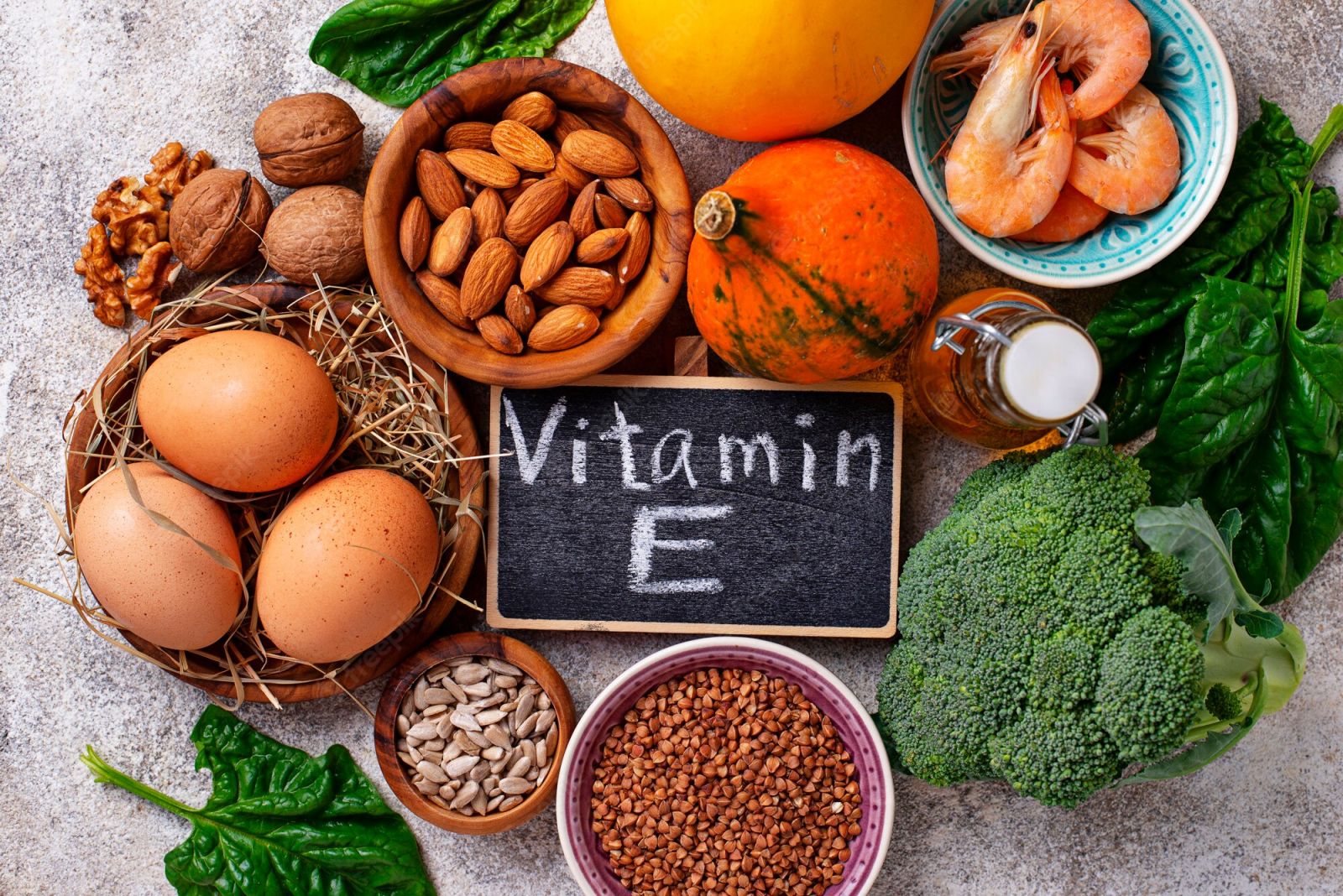
Vitamin E: Protecting Your Cells
Vitamin E is a powerful antioxidant that helps protect cells from damage caused by unstable molecules known as free radicals.
Healthy food sources include:
- Almonds
- Sunflower seeds
- Hazelnuts
- Peanut butter
- Spinach
- Avocados
A balanced diet containing nuts, seeds, and vegetables usually provides enough vitamin E for most healthy adults.
Vitamin K: Supporting Bone Health and Normal Blood Clotting
Vitamin K plays an essential role in helping blood clot normally after an injury. It also contributes to healthy bones by supporting proteins involved in bone metabolism.
Foods rich in vitamin K include:
- Spinach
- Kale
- Collard greens
- Broccoli
- Brussels sprouts
Because vitamin K can interact with certain blood-thinning medications, individuals taking these medicines should follow their healthcare provider’s dietary guidance rather than making sudden changes to their intake.