Cold remedies can help relieve symptoms while your immune system fights the virus. However, not every popular remedy actually works. Some are supported by scientific research, while others are simply myths that continue to circulate.
Catching a cold is almost unavoidable. Whether it’s the changing seasons, close contact with coworkers, or children bringing germs home from school, most adults experience two to three colds every year. While the common cold usually goes away on its own, its symptoms—including congestion, sore throat, coughing, sneezing, headaches, and fatigue—can make everyday life uncomfortable.
This guide explains the most effective cold remedies based on current medical evidence, including home treatments, over-the-counter medications, natural remedies, and important safety tips for children and older adults.
What Is the Common Cold?
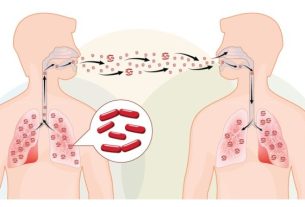
The common cold is a viral infection that affects the upper respiratory tract, including the nose and throat. More than 200 different viruses can cause a cold, with rhinoviruses being the most common.
Typical symptoms include:
- Runny or stuffy nose
- Sneezing
- Sore throat
- Mild cough
- Headache
- Mild body aches
- Fatigue
- Watery eyes
- Low-grade fever (occasionally)
Most people recover within 7 to 14 days, although a cough may linger for several weeks.
Why Cold Remedies Matter
Since antibiotics cannot treat viruses, the goal of cold remedies is to:
- Reduce discomfort
- Help you breathe more easily
- Stay hydrated
- Improve sleep
- Support the body’s natural healing process
Understanding which remedies actually help can save time, money, and unnecessary medication.
1. Stay Hydrated
One of the simplest yet most effective cold remedies is drinking plenty of fluids.
Hydration helps:
- Thin mucus
- Relieve nasal congestion
- Prevent dehydration caused by fever
- Soothe irritated throat tissues
Good choices include:
- Water
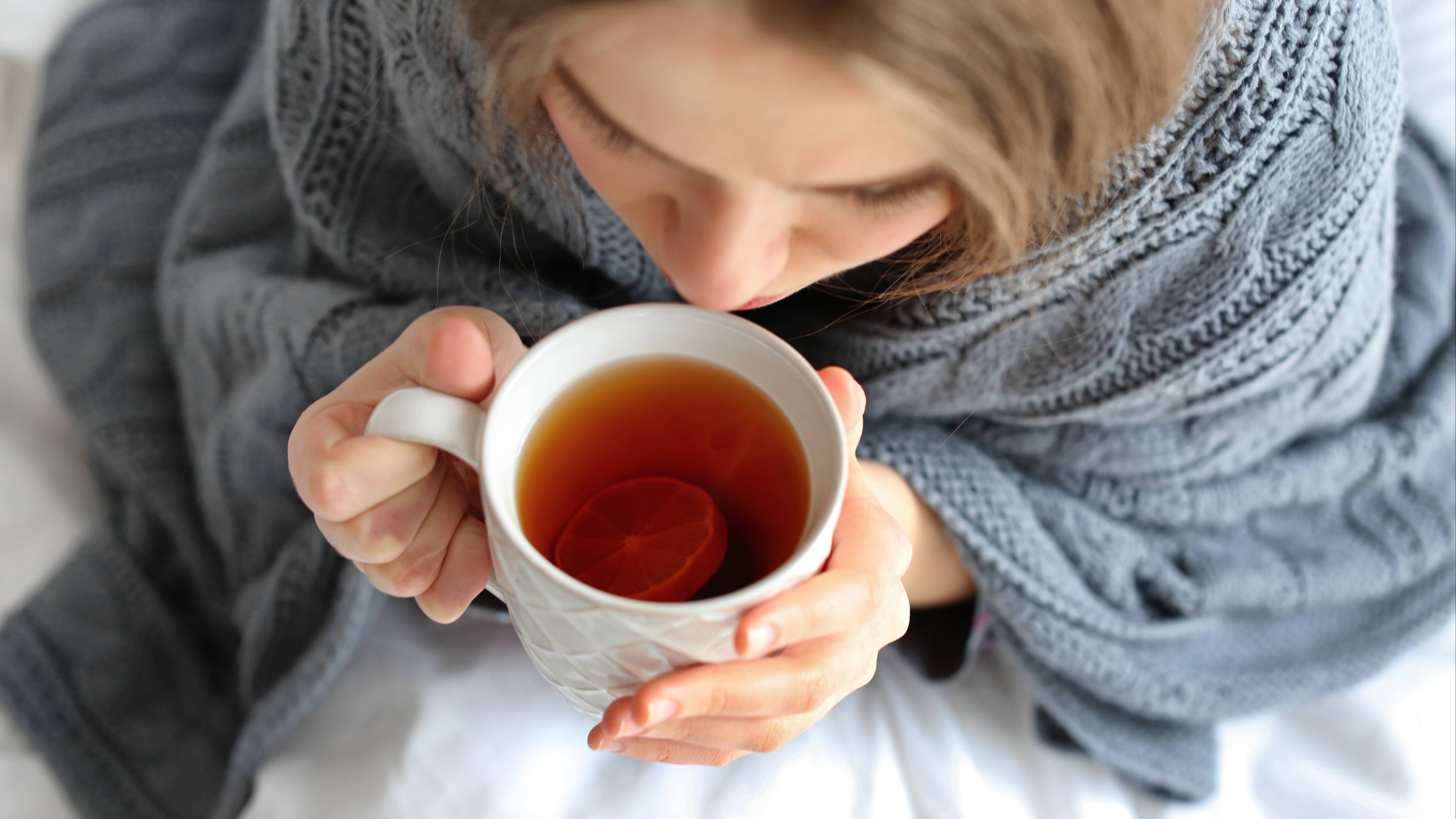
- Warm herbal tea
- Warm lemon water
- Clear broths
- Electrolyte drinks
- Diluted fruit juice
Avoid excessive:
- Alcohol
- Energy drinks
- Large amounts of coffee
- Sugary soft drinks
These beverages may contribute to dehydration or interfere with quality sleep.
2. Get Plenty of Rest
Your immune system works hardest while your body is resting.
During sleep, your body:
- Produces infection-fighting immune cells
- Repairs damaged tissues
- Reduces inflammation
- Conserves energy for recovery
Aim for:
- 7–9 hours of nighttime sleep
- Extra naps if you’re feeling exhausted
- Reduced physical activity during illness
Pushing yourself too hard may prolong recovery.
3. Drink Warm Liquids
Warm beverages have been used for generations as comforting cold remedies—and research suggests they really can help.
Benefits include:
- Loosening mucus
- Relieving nasal congestion
- Soothing sore throats
- Reducing coughing
- Promoting relaxation
Excellent options include:
- Chicken soup
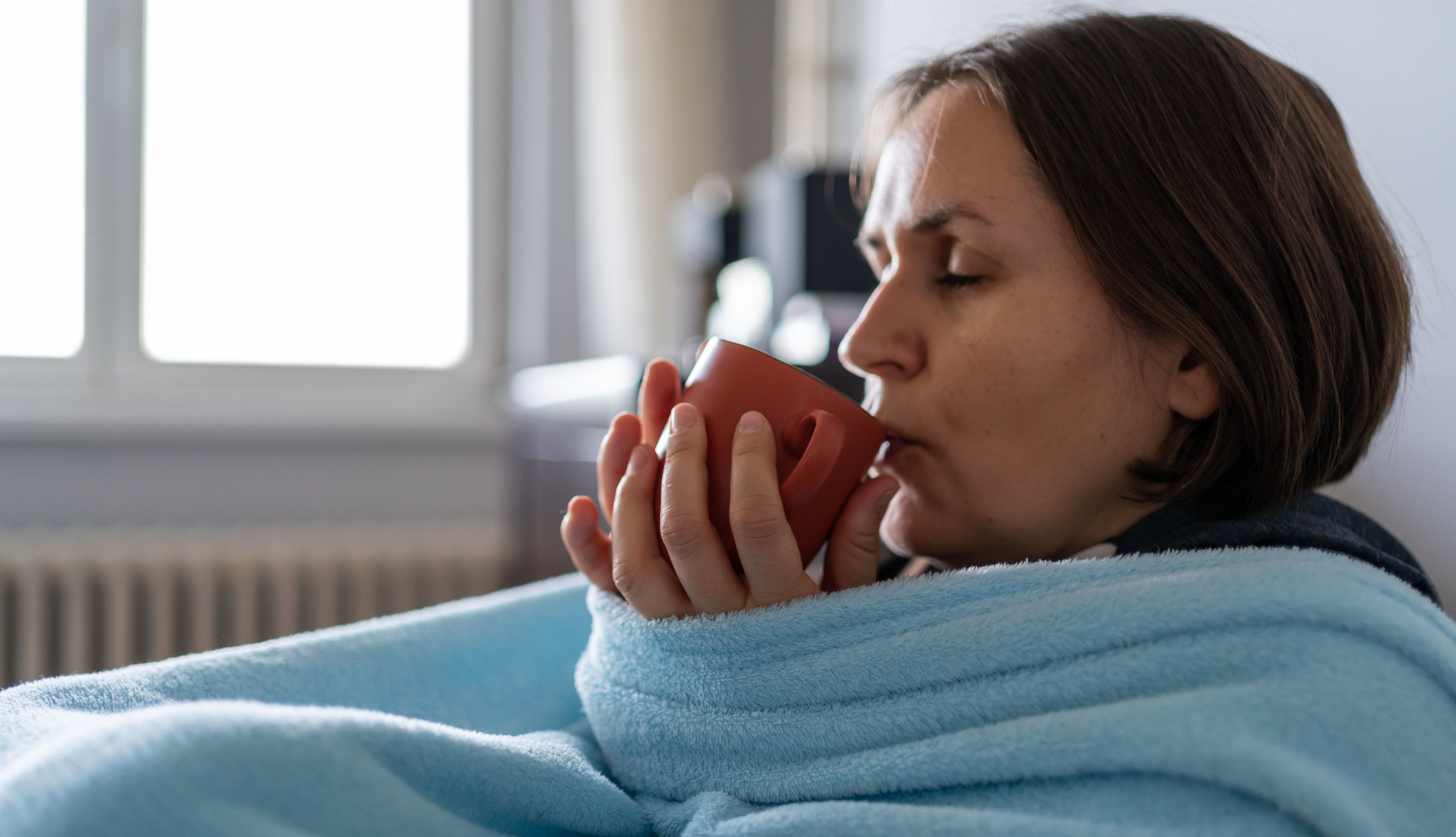
- Warm tea
- Warm apple cider
- Lemon water
- Ginger tea
Chicken soup may also contain mild anti-inflammatory compounds while providing hydration and nutrition.
4. Honey for Cough Relief
Honey remains one of the most effective natural cold remedies for coughs.
Studies suggest honey can:
- Reduce nighttime coughing
- Improve sleep quality
- Soothe irritated throat tissues
- Coat inflamed airways
Try:
- One teaspoon of honey
- Honey mixed with warm tea
- Honey and lemon in warm water
Important: Never give honey to babies under one year because of the risk of infant botulism.
5. Use a Humidifier
Dry indoor air can worsen cold symptoms.
Adding moisture helps:
- Reduce nasal irritation
- Ease congestion
- Prevent dry throat
- Improve nighttime comfort
Use:
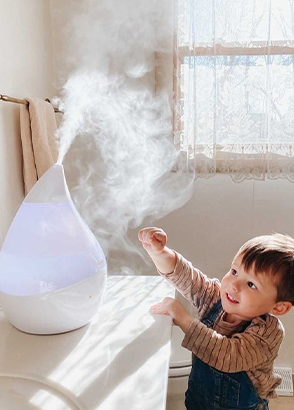
- Cool-mist humidifiers
- Vaporizers
- Steam from a warm shower
Clean humidifiers daily to prevent mold and bacteria growth.
6. Gargle Salt Water for Sore Throats
Saltwater gargles remain one of the oldest—and most effective—cold remedies.
Mix:
- ¼ to ½ teaspoon salt
- One cup of warm water
Gargle several times daily.
Benefits include:
- Reducing throat swelling
- Loosening mucus
- Washing away irritants
- Providing temporary pain relief
Children under six usually cannot gargle safely.
7. Use Saline Nasal Sprays
Congestion can be one of the most frustrating cold symptoms.
Saline sprays help by:
- Moisturizing nasal passages
- Thinning mucus
- Clearing allergens
- Improving breathing
Unlike medicated nasal sprays, saline sprays do not cause rebound congestion and are generally safe for frequent use.
For infants, saline drops followed by gentle suction with a bulb syringe can help clear blocked noses.
8. Over-the-Counter Pain Relievers
Pain relievers don’t cure colds but can make symptoms more manageable.
Common options include:
Acetaminophen
Helpful for:
- Fever
- Headaches
- Body aches
- Sore throat
Ibuprofen
Can reduce:
- Pain
- Fever
- Inflammation
Always follow dosage instructions carefully.
Children should only receive medicines formulated for their age and weight.
Never give aspirin to children or teenagers recovering from viral illnesses, as it has been associated with the rare but serious condition called Reye’s syndrome.
9. Cold and Cough Medicines
Many pharmacies offer combination cold medications.
These may include:
- Decongestants
- Antihistamines
- Cough suppressants
- Pain relievers
While these medicines may reduce symptoms temporarily, they:
- Do not cure colds
- Do not shorten illness duration
- Can cause side effects
Possible side effects include:
- Drowsiness
- Increased blood pressure
- Dry mouth
- Nervousness
- Insomnia
Read labels carefully to avoid taking duplicate ingredients.
What Cold Remedies Actually Work?
Scientific evidence supports several cold remedies.
Proven Helpful
- Drinking fluids
- Rest
- Warm liquids
- Honey (for adults and children over one year)
- Saline nasal sprays
- Saltwater gargles
- Humidifiers
- Pain relievers for symptom control
These treatments primarily help reduce symptoms while your body clears the infection.
Cold Remedies That Probably Don’t Work
Many popular treatments have little scientific evidence.
Examples include:
Antibiotics
Antibiotics kill bacteria—not viruses.
Using antibiotics unnecessarily can contribute to antibiotic resistance and expose people to avoidable side effects.
High-Dose Vitamin C After Symptoms Start
Routine vitamin C supplementation may slightly reduce cold duration in some people, but taking large doses after getting sick has not consistently shown major benefits.
Herbal Supplements
Products such as:
- Echinacea
- Garlic supplements
- Various herbal blends
show mixed research results, and evidence remains inconclusive.
Zinc
Some studies suggest zinc may shorten colds if started within 24 hours of symptom onset, while others show little benefit. High doses can also cause nausea or alter taste.
Speak with a healthcare professional before taking zinc supplements.
Foods That May Help During a Cold
Eating nutritious foods supports immune function.
Choose:
- Fresh fruits
- Vegetables
- Citrus fruits
- Yogurt
- Oatmeal
- Chicken soup
- Eggs
- Fish
- Whole grains
Soft foods are often easier to eat when your throat hurts.
Lifestyle Tips for Faster Recovery
Support healing by:
- Washing hands frequently
- Avoiding smoking
- Staying home while contagious
- Sleeping more
- Managing stress
- Eating balanced meals
- Drinking enough water
Small daily habits often make the biggest difference.
Cold Remedies for Children
Children require extra caution.
Safe options include:
- Plenty of fluids
- Rest
- Saline nose drops
- Gentle nasal suction for infants
- Cool-mist humidifier
- Age-appropriate acetaminophen or ibuprofen
- Honey only for children older than one year
Most experts advise against using over-the-counter cough and cold medications in children younger than five years unless specifically recommended by a healthcare professional.
Cold Remedies During Pregnancy
Pregnant women should avoid self-medicating without medical advice.
Generally safe supportive measures include:
- Hydration
- Rest
- Warm tea
- Honey
- Saline nasal spray
- Humidifier
- Saltwater gargles
Always consult your healthcare provider before taking medications during pregnancy.
When Should You See a Doctor?
Most colds improve without medical treatment.
However, seek medical care if you experience:
- Fever lasting more than three days
- Difficulty breathing
- Chest pain
- Severe dehydration
- Symptoms lasting longer than two weeks
- Persistent high fever
- Ear pain
- Confusion
- Symptoms that improve but suddenly worsen
Children, older adults, pregnant individuals, and people with weakened immune systems should contact a healthcare provider sooner if symptoms become concerning.
Preventing Future Colds
Although you cannot completely avoid viruses, you can reduce your risk.
Helpful habits include:
- Wash your hands often.
- Avoid touching your face.
- Disinfect commonly touched surfaces.
- Get enough sleep.
- Eat a nutritious diet.
- Exercise regularly.
- Stay hydrated.
- Avoid close contact with people who are sick.
- Manage stress.
Healthy lifestyle habits strengthen the immune system over time.
Frequently Asked Questions
How long does a common cold last?
Most colds last between 7 and 14 days, although coughing may continue for several weeks.
Can antibiotics cure a cold?
No. Antibiotics only treat bacterial infections and are ineffective against cold viruses.
Is honey really effective?
Yes. Honey has been shown to reduce coughing and improve sleep in adults and children over one year old.
Should I exercise with a cold?
Light activity may be acceptable if symptoms are mild and confined above the neck, but rest is usually the better choice if you have fever, fatigue, or body aches.
Can I prevent a cold after being exposed?
There is no guaranteed way to stop a cold after exposure, but good hygiene, adequate sleep, hydration, and a healthy diet help support your immune response.
Conclusion
The best cold remedies focus on relieving symptoms while your immune system clears the infection naturally. Drinking plenty of fluids, getting adequate rest, using warm liquids, trying honey for coughs, gargling with salt water, using saline nasal sprays, and taking appropriate pain relievers can all help you feel more comfortable during recovery.
At the same time, it’s important to recognize that no medication can instantly cure the common cold. Antibiotics are ineffective against viruses, and many popular remedies offer little proven benefit. Choosing evidence-based treatments, practicing healthy self-care, and knowing when to seek medical attention are the most reliable ways to recover safely.
Most importantly, give your body the time it needs to heal. With supportive care and patience, most people recover completely within one to two weeks and can return to their normal routine feeling healthy again.
Sources
- Mayo Clinic. Cold remedies: What works, what doesn’t, what can’t hurt.
- U.S. Centers for Disease Control and Prevention (CDC). Common Cold.
- National Institutes of Health (NIH). Common Cold.
- American Academy of Pediatrics. Treating the Common Cold in Children.
- National Center for Complementary and Integrative Health (NCCIH). The Common Cold and Complementary Health Approaches.