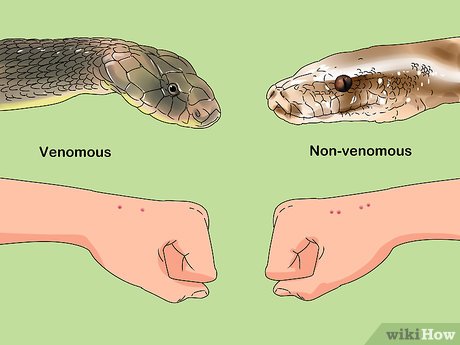
One of the biggest challenges after a snake bite is misinformation. Myths such as cutting the wound, sucking out venom, or applying a tight tourniquet continue to circulate despite decades of medical research proving these methods are ineffective and potentially harmful.
A walk through the forest, a hike along a trail, or even working in a garden can bring people into the natural habitat of snakes. While most snakes are harmless and prefer to avoid humans, snake bites remain a significant public health concern in many parts of the world. Every year, millions of people experience snake bites, and timely medical care can make a critical difference in recovery.
Knowing how to recognize the symptoms of a snake bite, provide proper first aid, and seek immediate medical care can help reduce complications and improve outcomes. Whether you’re an outdoor enthusiast, traveler, farmer, or simply someone who enjoys nature, understanding the basics of snake bite management is an important life skill.
This comprehensive guide explains the causes, symptoms, treatment options, prevention strategies, and evidence-based first aid for snake bites.
What Is a Snake Bite?
A snake bite occurs when a snake’s fangs puncture the skin. Depending on the species, the bite may inject venom or simply cause a mechanical wound.
There are two main categories:
Venomous Snake Bite
Venomous snakes inject toxins that affect different body systems, including:
- Nervous system
- Blood clotting
- Muscles
- Heart
- Kidneys
- Skin and surrounding tissues
Nonvenomous Snake Bite
Nonvenomous snakes do not inject medically significant venom.
However, their bites can still cause:
- Pain
- Bleeding
- Swelling
- Infection
- Tissue injury
Every snake bite should be evaluated by a healthcare professional because it is not always possible to identify the species accurately.
Why Snake Bites Are Medical Emergencies
Not every venomous snake injects venom during every bite, a situation sometimes called a “dry bite.” However, it is impossible to determine this without medical evaluation.
Venom can spread gradually through the lymphatic system and bloodstream, meaning symptoms may worsen over time.
Prompt treatment helps:
- Reduce tissue damage
- Prevent serious complications
- Improve recovery
- Lower the risk of long-term disability
Early medical care remains the most effective response.
Common Snake Bite Symptoms
Symptoms vary depending on the snake species, the amount of venom injected, and the person’s overall health.
Local Symptoms
The bite area may develop:
- Pain
- Swelling
- Redness
- Bruising
- Puncture marks
- Warmth
- Tenderness
Some bites may initially appear mild before symptoms become more noticeable.
General Symptoms
As venom spreads, a person may experience:
- Nausea
- Vomiting
- Dizziness
- Weakness
- Sweating
- Rapid heartbeat
- Low blood pressure
- Blurred vision
- Difficulty swallowing
- Drooping eyelids
- Muscle weakness
- Difficulty breathing
These symptoms require immediate medical attention.
Bleeding Problems
Certain snake venoms interfere with blood clotting.
Possible signs include:
- Bleeding gums
- Nosebleeds
- Blood in urine
- Easy bruising
- Persistent bleeding from the bite site
Neurological Symptoms
Neurotoxic venom affects nerves and muscles.
Symptoms may include:
- Double vision
- Slurred speech
- Difficulty keeping the eyes open
- Muscle paralysis
- Trouble breathing
Without treatment, severe neurotoxic envenomation can become life-threatening.
Types of Snake Venom
Different snake species produce different venom types.
Neurotoxic Venom
Targets the nervous system.
Common effects include:
- Muscle weakness
- Difficulty swallowing
- Respiratory problems
Hemotoxic Venom
Affects blood and blood vessels.
Possible complications include:
- Internal bleeding
- Blood clotting abnormalities
- Organ damage
Cytotoxic Venom
Damages tissues surrounding the bite.
It may cause:
- Severe swelling
- Blistering
- Tissue injury
- Delayed wound healing
Myotoxic Venom
Damages muscles.
Large amounts of muscle breakdown can affect kidney function if not treated promptly.
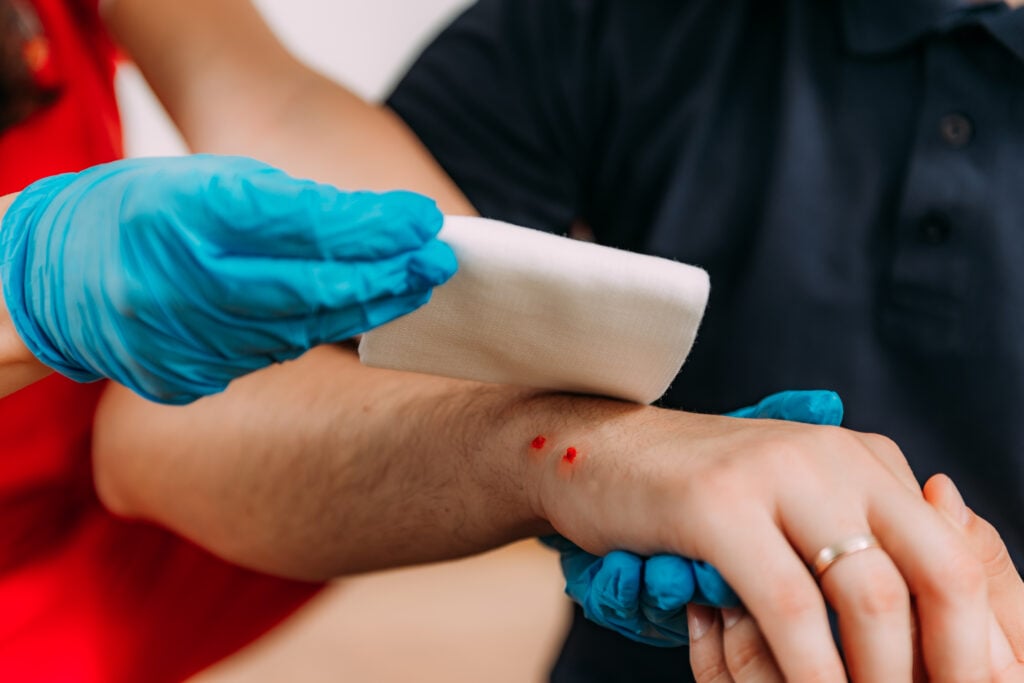
Snake Bite First Aid: What To Do Immediately
Providing calm, evidence-based first aid can improve outcomes while waiting for professional medical care.
1. Move Away From the Snake
Ensure the snake is no longer a danger.
Do not attempt to catch or kill it.
If possible, safely remember its color, markings, or size from a distance.
2. Stay Calm
Remaining calm helps slow venom movement through the body.
Anxiety increases heart rate and unnecessary movement.
3. Call Emergency Medical Services
Arrange transportation to the nearest hospital immediately.
Do not wait for symptoms to worsen.
4. Keep the Person Still
Movement encourages venom to spread.
Keep the bitten limb as still as possible.
5. Immobilize the Limb
Use a splint if available.
Keep the affected limb roughly at heart level.
6. Remove Tight Items
Swelling may develop quickly.
Remove:
- Rings
- Bracelets
- Watches
- Tight clothing
7. Clean the Wound Gently
Wash with clean water and mild soap if available.
Cover with a clean dressing.
8. Monitor Breathing and Consciousness
Observe the person’s condition during transport.
Be prepared to provide basic life support if necessary.
What NOT To Do After a Snake Bite
Several outdated practices may cause additional harm.
Avoid the following:
Do Not Apply a Tourniquet
Tight tourniquets can reduce blood flow and increase tissue damage.
Do Not Cut the Wound
Incisions increase the risk of infection and do not remove venom.
Do Not Attempt to Suck Out Venom
Research shows suction removes very little venom and delays proper treatment.
Do Not Apply Ice
Cold temperatures may worsen tissue injury.
Do Not Drink Alcohol
Alcohol may interfere with medical assessment and worsen dehydration.
Do Not Use Herbal Remedies
There is no reliable scientific evidence that traditional remedies neutralize snake venom.
Medical treatment remains essential.
How Hospitals Treat Snake Bites
Emergency physicians evaluate:
- Airway
- Breathing
- Circulation
- Level of consciousness
- Bite location
- Swelling progression
Laboratory testing may include:
- Blood counts
- Kidney function
- Liver function
- Blood clotting tests
- Muscle injury markers
These assessments help determine the severity of envenomation.

What Is Antivenom?
Antivenom is the only treatment specifically designed to neutralize snake venom.
It works by binding to circulating venom components before they cause additional damage.
Doctors consider antivenom when patients develop:
- Progressive swelling
- Neurological symptoms
- Bleeding abnormalities
- Respiratory difficulty
- Significant laboratory changes
Because antivenom can occasionally cause allergic reactions, it is administered under close medical supervision.
Recovery After a Snake Bite
Recovery depends on:
- Snake species
- Amount of venom
- Bite location
- Speed of treatment
- Overall health
Some people recover within days.
Others may require weeks or months for swelling, muscle function, or wound healing to fully improve.
Follow-up appointments help monitor healing and detect delayed complications.
Possible Complications
Without prompt treatment, venomous snake bites may lead to:
- Infection
- Tissue damage
- Kidney injury
- Blood clotting disorders
- Muscle injury
- Breathing difficulties
- Long-term disability
Fortunately, modern emergency care has significantly improved outcomes in many regions.
How to Prevent Snake Bites
Most snake bites are preventable.
Simple precautions include:
Wear Protective Clothing
When hiking or working outdoors, wear:
- Closed-toe shoes
- Boots
- Long pants
Stay on Clear Trails
Avoid walking through tall grass or dense vegetation whenever possible.
Use a Flashlight at Night
Many snakes are more active after dark.
Good visibility reduces accidental encounters.
Check Before Reaching
Never place your hands into:
- Rock crevices
- Hollow logs
- Thick bushes
- Wood piles
Without first looking carefully.
Leave Snakes Alone
Never attempt to handle wild snakes.
Even experienced handlers use specialized equipment.
Teach Children About Snake Safety
Children should learn to:
- Observe snakes from a distance
- Inform an adult
- Never attempt to touch wildlife
Education remains one of the most effective prevention strategies.
Myths vs Facts
| Myth | Fact |
|---|---|
| Cut the wound to remove venom | This increases injury and infection risk. |
| Suck out venom | This removes almost no venom. |
| Apply ice | Ice does not neutralize venom and may worsen tissue damage. |
| Every snake bite injects venom | Some venomous snakes deliver dry bites without significant venom injection. |
| If symptoms are mild, no medical care is needed | Symptoms can develop gradually, making medical evaluation essential. |
Frequently Asked Questions
Can a nonvenomous snake bite be dangerous?
Yes. Even without venom, bites can become infected or cause significant tissue injury.
How quickly should someone go to the hospital?
Immediately.
Early evaluation is recommended even if symptoms appear mild.
Should I try to identify the snake?
Only from a safe distance.
Do not attempt to capture or kill the snake.
Can snake bites always be treated?
Modern emergency medicine, including antivenom and supportive care, has greatly improved survival and recovery. Outcomes are generally best when treatment begins promptly.
Can venom spread even if I feel fine?
Yes.
Some venom effects develop gradually over several hours, which is why observation by healthcare professionals is important.
Conclusion
Snake bites can be frightening, but knowledge and preparation make a significant difference. Most snakes are not aggressive and will avoid humans whenever possible. However, when bites do occur, the priority should always be calm, evidence-based first aid and rapid transport to a medical facility.
Remember the key principles: move away from the snake, keep the affected person calm, limit movement, immobilize the bitten limb, remove constrictive items, and seek emergency medical care immediately. Avoid outdated practices such as cutting the wound, applying a tourniquet, sucking out venom, or relying on unproven remedies.
Understanding snake bite symptoms, recognizing when urgent treatment is needed, and following proven medical guidance can help reduce complications and support a successful recovery. By combining awareness, prevention, and prompt professional care, we can safely enjoy nature while minimizing the risks associated with snake encounters.
Sources
- Manipal Hospitals. Snake Bite First Aid: Symptoms, Treatment, and What Not to Do (Reviewed by Dr. Rupali Patnaik, 2026)
- World Health Organization (WHO) – Snakebite Envenoming
- Centers for Disease Control and Prevention (CDC)
- American Red Cross – First Aid Guidelines
- Mayo Clinic – Snake Bites
- MedlinePlus – Snake Bites
- Merck Manual Professional Edition
- National Institutes of Health (NIH)