Desert animals thrive in remarkable ways, demonstrating some of the most fascinating biological adaptations in nature. When people think about survival on Earth, deserts often come to mind as some of the most unforgiving environments. Scorching daytime heat, freezing nights, and extremely limited water resources create conditions where only the most specialized creatures can survive.
Among all desert ecosystems, the Sahara Desert stands out as the largest hot desert in the world, stretching across North Africa and covering millions of square kilometers. Within this vast landscape, life persists in many forms—from tiny insects and reptiles to large mammals and powerful predators. These animals are not just surviving; they are perfectly adapted to one of the most extreme climates on the planet.
In this article, we will explore the world of desert animals, focusing especially on the Sahara Desert and its extraordinary wildlife, survival strategies, and ecological importance.
What Are Desert Animals?
Desert animals are species that have evolved to live in arid or semi-arid environments where water is scarce and temperatures can fluctuate dramatically. These animals are found in hot deserts like the Sahara, Arabian Desert, and Sonoran Desert, as well as cold deserts such as Antarctica.
What makes desert animals unique is their ability to survive with minimal water, withstand extreme temperatures, and find food in environments where resources are limited. Over millions of years, evolution has shaped their bodies, behaviors, and life cycles to fit these harsh conditions.
How Desert Animals Survive: Key Adaptations
Survival in deserts is not accidental—it is the result of highly specialized adaptations. Desert animals share several common survival strategies:
1. Water Conservation
Many desert animals rarely drink water directly. Instead, they extract moisture from food or produce metabolic water internally.
2. Temperature Regulation
Animals like foxes and reptiles avoid extreme heat by being nocturnal or burrowing underground during the day.
3. Physical Adaptations
Features such as large ears, light-colored fur, or reflective coats help regulate body temperature.
4. Behavioral Adaptations
Migration, burrowing, and seasonal activity patterns help animals avoid the harshest environmental conditions.
5. Energy Efficiency
Many desert animals reduce their metabolic rate to conserve energy and survive long periods without food.
The Sahara Desert: A Home of Extreme Biodiversity
The Sahara Desert is not empty—it is a complex ecosystem with surprising biodiversity. Despite its harsh climate, it hosts:
- Around 70 mammal species
- Over 90 bird species
- More than 100 reptile species
- Countless insects and invertebrates
Temperatures can exceed 50°C (122°F) during the day, while nights may become surprisingly cold. Rainfall is extremely rare and unpredictable, making survival a constant challenge.
Yet, desert animals in the Sahara have evolved extraordinary mechanisms to thrive under these conditions.
Fascinating Desert Animals of the Sahara
Below are some of the most remarkable desert animals found in the Sahara Desert and their unique survival strategies.
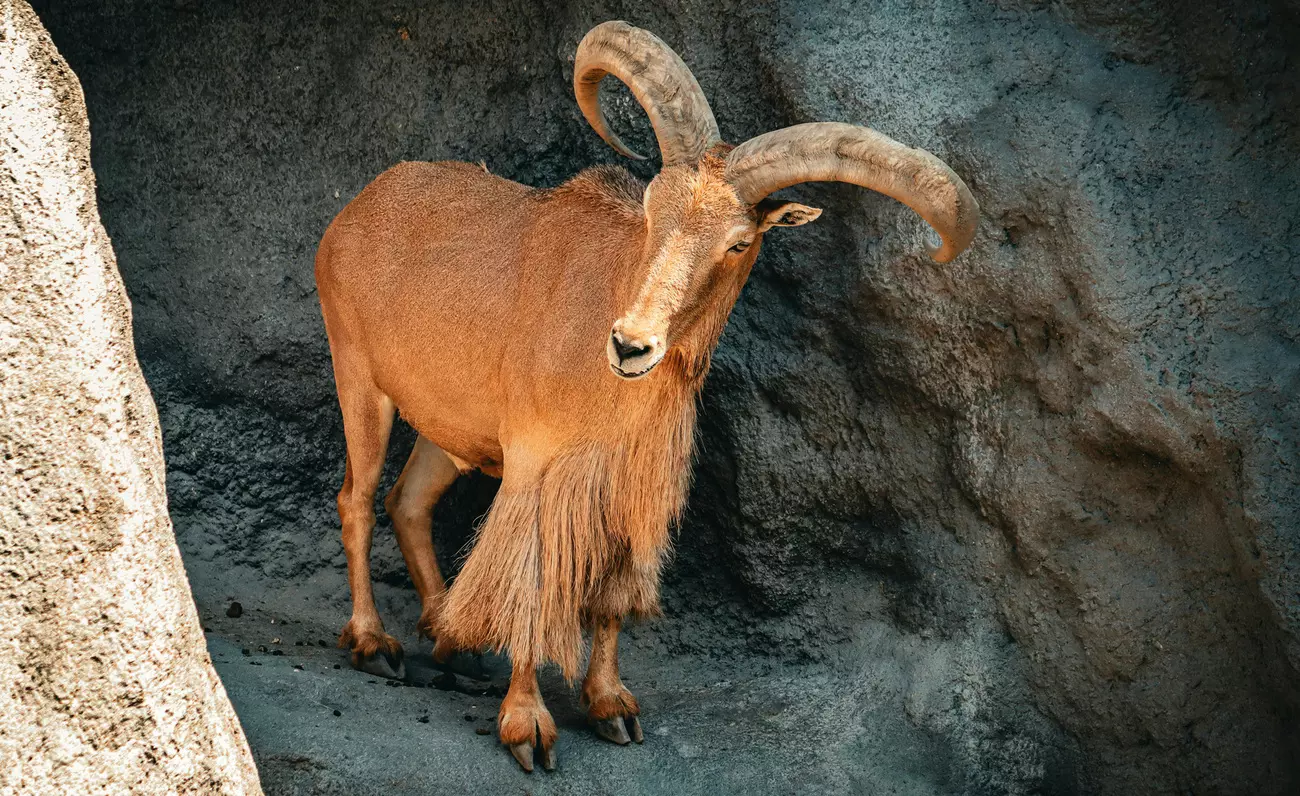
1. Barbary Sheep (Aoudad)
The Barbary sheep lives in rocky desert and mountainous regions. It has a shaggy coat and curved horns that help it navigate rugged terrain.
These herbivores feed on grasses, shrubs, and tough desert plants. Remarkably, they can survive several days without drinking water, relying on moisture from vegetation.
2. Scimitar-Horned Oryx
Once native to the Sahara, the scimitar-horned oryx is a symbol of successful conservation. This antelope has long curved horns and a bright white coat that reflects heat.
It survives by eating drought-resistant plants and can go long periods without water, making it one of the most iconic desert survivors.
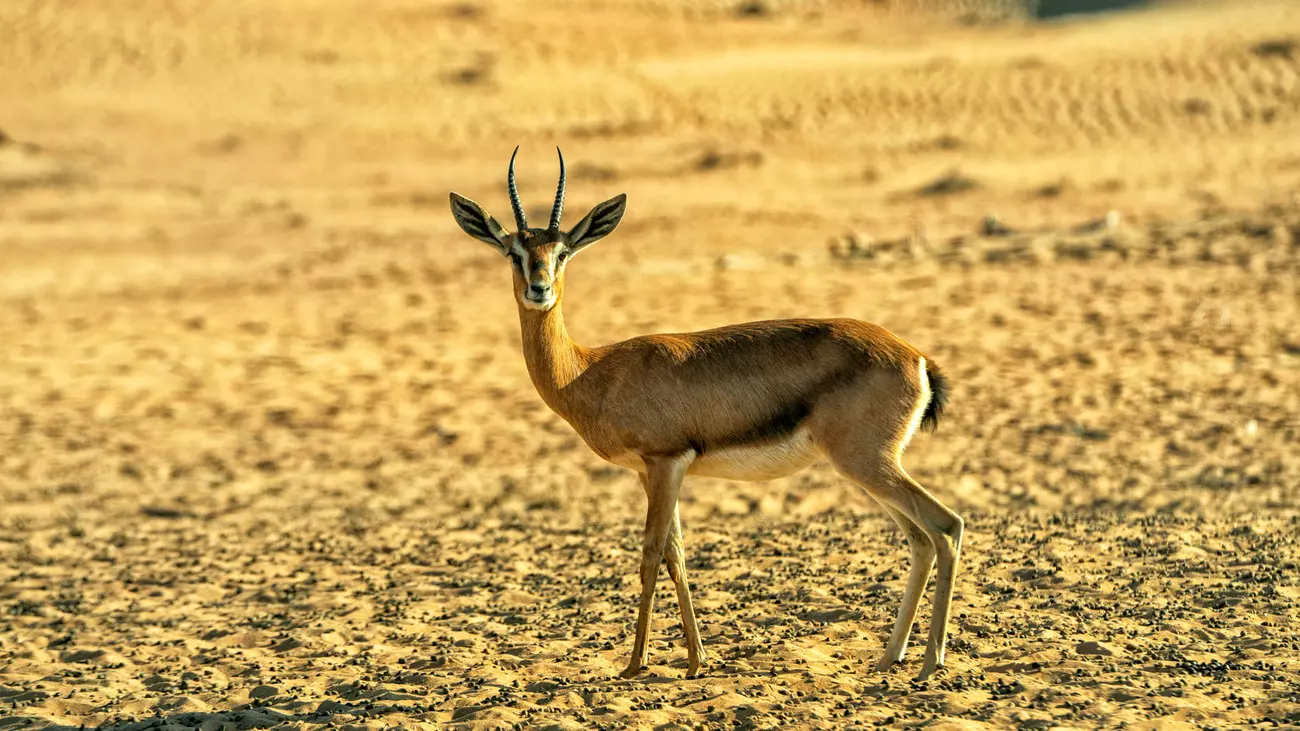
3. Dorcas Gazelle
The Dorcas gazelle is highly adapted to desert life. It feeds on leaves, flowers, and pods from hardy acacia trees.
This animal rarely needs to drink water directly, as it extracts moisture from plants. Its lightweight body and speed help it escape predators in open desert landscapes.
4. Olive Baboon
Unlike many desert specialists, the olive baboon is an omnivore. It eats fruits, seeds, insects, and small animals, allowing it to survive even when plant food is scarce.
Its flexible diet is a key reason it can thrive in semi-arid regions of the Sahara.
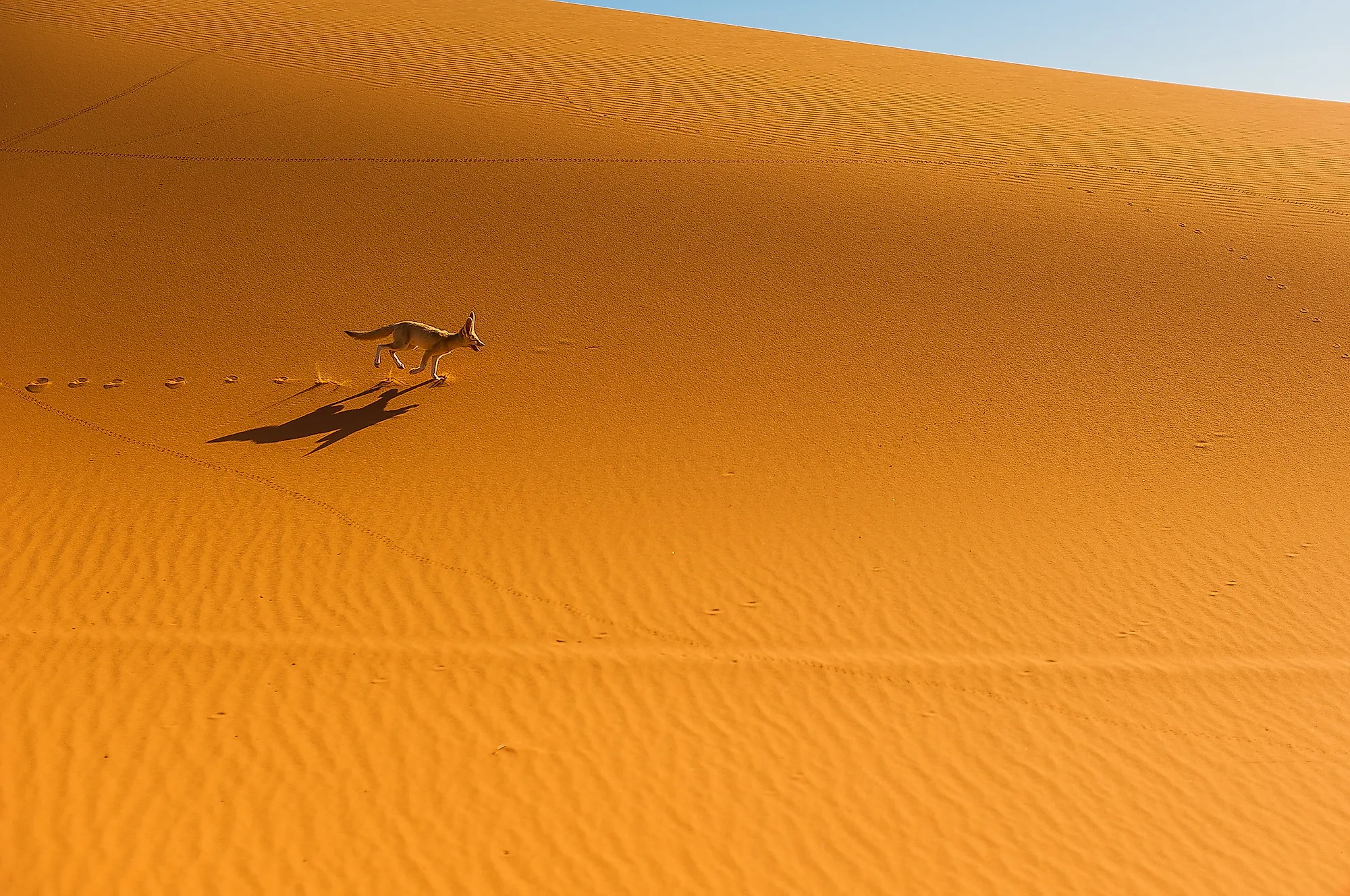
5. Rüppell’s Fox
This small fox is perfectly adapted for desert life. It has large ears that release heat and a sandy coat that provides camouflage.
It is nocturnal, hunting insects, small mammals, and fruits at night while avoiding the scorching daytime heat.
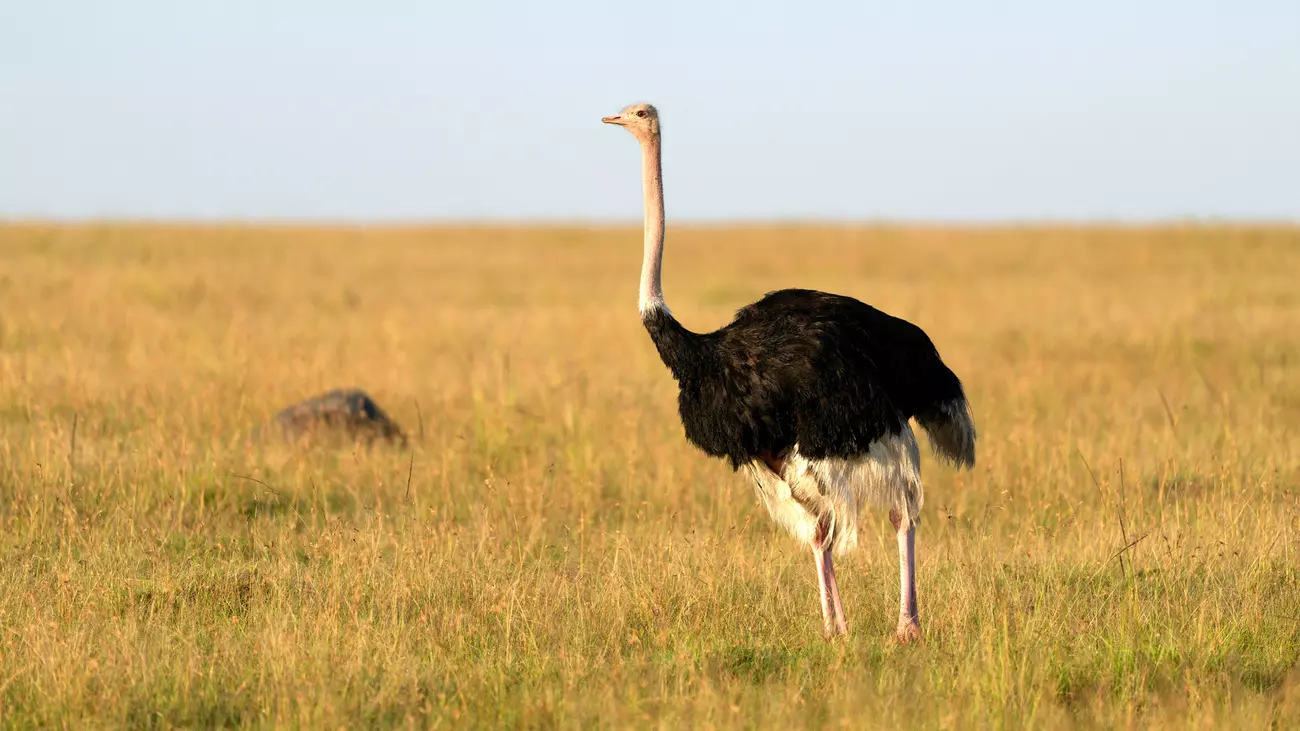
6. North African Ostrich
One of the largest birds in the world, the North African ostrich is built for survival in extreme environments.
It can tolerate high temperatures, travel long distances in search of food, and survive without water for several days.
7. Desert Eagle Owl
This nocturnal predator uses silent flight to hunt small mammals and reptiles. Its camouflage plumage allows it to blend into rocky desert environments.
By resting during the day and hunting at night, it avoids extreme heat.
8. Desert Lark
A small but resilient bird, the desert lark thrives in arid environments. It builds nests in shaded crevices and feeds on seeds and insects.
Its ability to survive with minimal water makes it a classic example of desert adaptation.
9. Sahara Frog
Unlike most desert animals, the Sahara frog depends heavily on water sources like oases and seasonal pools.
During dry periods, it burrows underground and enters a dormant state until rainfall returns.
10. West African Crocodile
This powerful reptile inhabits rivers and wetlands at the edge of the Sahara. It is a top predator, feeding on fish, birds, and mammals.
It regulates its body temperature through basking and shade-seeking behavior.
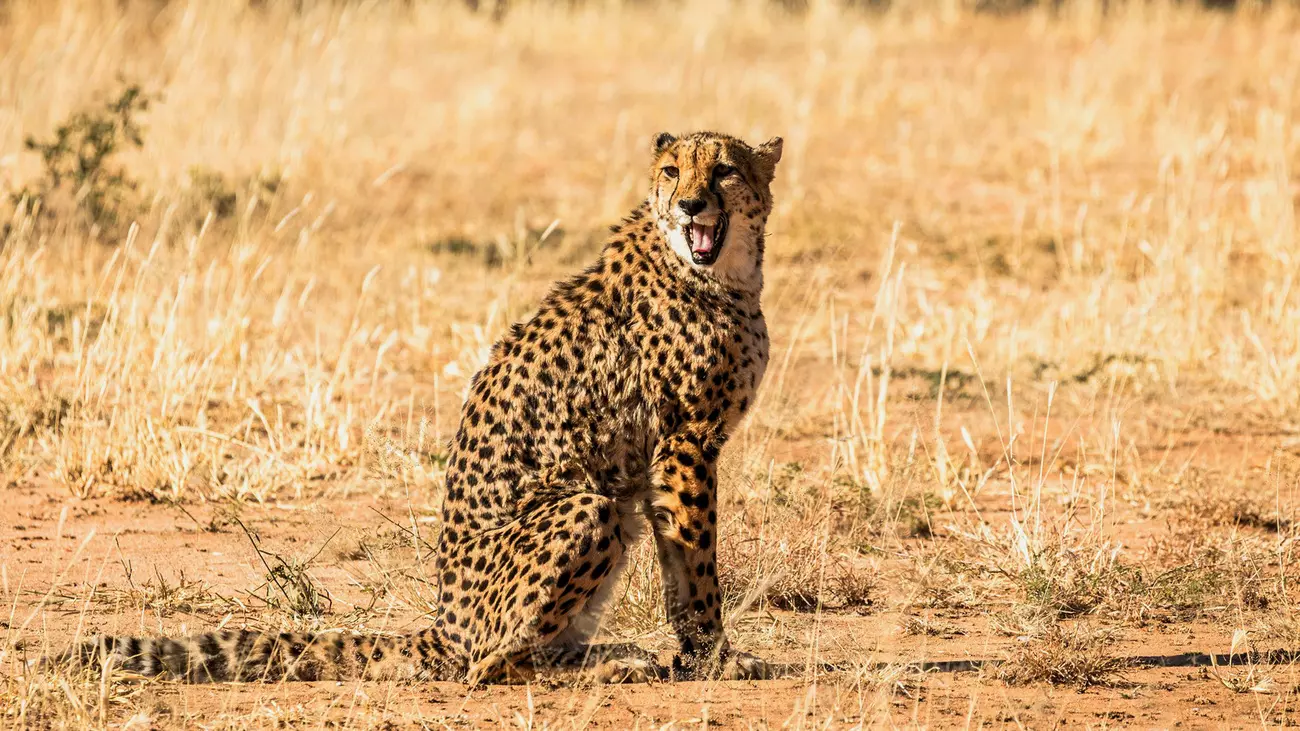
11. Northwest African Cheetah
One of the rarest big cats in the world, this cheetah is critically endangered.
It hunts at night to avoid heat stress and relies on speed and stealth to capture prey in open desert terrain.
12. Desert Horned Viper
This venomous snake is perfectly adapted for sandy environments. It buries itself beneath the sand to ambush prey and avoid extreme heat.
Its venom helps it immobilize small mammals, birds, and reptiles efficiently.
13. Nubian Spitting Cobra
Famous for its defensive venom-spitting ability, this cobra is a highly specialized predator.
It hunts at night and hides during the day, avoiding temperature extremes while maintaining an active hunting strategy.
14. Cichlid Fish
Surprisingly, even fish survive in the Sahara. Cichlids live in isolated water systems and adapt to fluctuating temperatures and salinity levels.
Their flexible diet helps them survive in unstable aquatic environments.
15. Scorpions and Insects
Though small, insects and scorpions play a vital ecological role in deserts. They recycle nutrients, serve as food for larger animals, and survive extreme conditions through burrowing and nocturnal activity.
Why Desert Animals Matter to Ecosystems
Desert animals are not just survivors—they are essential to maintaining ecological balance. They:
- Control insect and rodent populations
- Spread seeds across arid landscapes
- Maintain food chains in extreme environments
- Support biodiversity in fragile ecosystems
Without these species, desert ecosystems would collapse.
Threats Facing Desert Animals
Despite their resilience, many desert animals face serious threats:
- Habitat loss due to agriculture and urban expansion
- Climate change increasing desert temperatures
- Hunting and poaching
- Water scarcity and ecosystem disruption
- Human-wildlife conflict
Some species, like the scimitar-horned oryx and Northwest African cheetah, are already critically endangered.
Conservation Efforts
Conservation organizations and governments are working to protect desert wildlife through:
- Protected reserves and national parks
- Reintroduction programs
- Anti-poaching laws
- Habitat restoration projects
- Wildlife monitoring and research
These efforts are essential to ensure that desert ecosystems continue to thrive for future generations.
Conclusion: The Silent Strength of Desert Animals
Desert ecosystems may appear empty and lifeless at first glance, but they are home to some of the most resilient creatures on Earth. From the swift cheetah to the burrowing viper, each species has evolved extraordinary strategies to survive extreme heat, limited water, and unpredictable environments.
Desert animals are a powerful reminder of nature’s adaptability and resilience. Their survival is not just a biological success story—it is a symbol of life’s ability to endure even under the harshest conditions.
Protecting these species means preserving one of the most unique and fragile ecosystems on our planet. As climate change and human activity continue to reshape the world’s deserts, understanding and conserving desert wildlife has never been more important.