In this comprehensive guide, we’ll explore everything you need to know about white rice vs brown rice, including their nutritional profiles, health benefits, glycemic index, calorie content, cooking characteristics, and expert recommendations to help you make informed decisions.
Rice is one of the world’s most widely consumed staple foods, feeding billions of people every day. From Asian stir-fries and sushi to Mediterranean bowls and Latin American cuisine, rice serves as a versatile foundation for countless meals. Yet one question continues to spark debate among nutrition experts and home cooks alike: white rice vs brown rice—which is the healthier choice?
Although both types of rice come from the same grain, they differ significantly in processing, nutritional value, texture, cooking time, and their effects on blood sugar. Brown rice is often praised as a whole grain rich in fiber and essential nutrients, while white rice is appreciated for its softer texture, faster cooking time, and easier digestibility.
The good news is that neither option is inherently “good” or “bad.” Instead, the better choice depends on your health goals, dietary needs, digestive tolerance, and personal preferences.
What Is the Difference Between White Rice and Brown Rice?
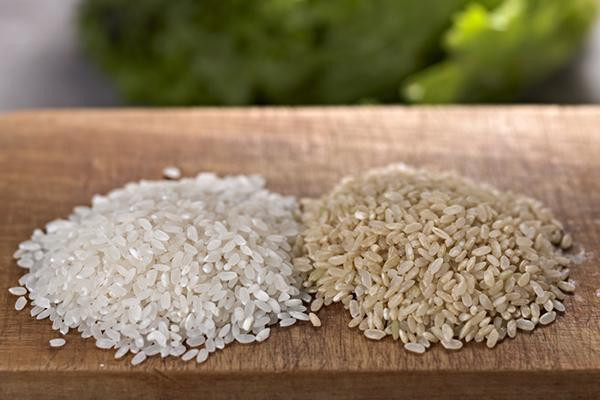
At first glance, the most obvious difference is color. However, the real distinction lies in how each type of rice is processed.
A rice grain consists of three main parts:
- Bran
- Germ
- Endosperm
Brown rice retains all three components, making it a whole grain.
White rice, on the other hand, undergoes additional milling and polishing that remove the bran and germ, leaving only the starchy endosperm.
This processing changes not only the appearance but also the nutritional composition of the grain.

How Brown Rice Is Processed
Brown rice is minimally processed.
Only the outer husk is removed, while the bran and germ remain intact.
Because these layers contain many valuable nutrients, brown rice naturally provides:
- More fiber
- More vitamins
- More minerals
- More antioxidants
The trade-off is that brown rice has a firmer texture and requires a longer cooking time.
How White Rice Is Processed
White rice undergoes additional refining after the husk is removed.
The milling process removes:
- Bran
- Germ
The remaining endosperm is primarily starch.
This gives white rice:
- Softer texture
- Mild flavor
- Faster cooking
- Longer shelf life
However, some nutrients are lost during processing, although many commercially available white rice varieties are enriched with certain B vitamins and iron.
White Rice vs Brown Rice: Nutritional Comparison
Both rice varieties provide carbohydrates that serve as an excellent source of energy.
However, brown rice generally offers greater nutritional density because it retains the whole grain.
Brown Rice (1 cup cooked)
Approximate nutrition:
- 218 calories
- 45 grams carbohydrates
- 5 grams protein
- 3.5 grams fiber
- 1.6 grams fat
Rich in:
- Magnesium
- Potassium
- Iron
- Selenium
- Phosphorus
- B vitamins
White Rice (1 cup cooked)
Approximate nutrition:
- 242 calories
- 53 grams carbohydrates
- 4.5 grams protein
- Less than 1 gram fiber
- 0.4 grams fat
Often enriched with:
- Iron
- Thiamin (Vitamin B1)
- Niacin (Vitamin B3)
- Folic acid
Although white rice contains slightly more calories and carbohydrates, the nutritional differences are relatively modest.
Brown Rice Contains More Fiber
One of the biggest nutritional advantages of brown rice is its fiber content.
Dietary fiber helps:
- Promote healthy digestion
- Increase feelings of fullness
- Support healthy cholesterol levels
- Encourage regular bowel movements
- Maintain stable energy throughout the day
Since white rice loses most of its bran during processing, it contains much less fiber.
Brown Rice Provides More Vitamins and Minerals
Because the bran and germ remain intact, brown rice naturally supplies higher levels of several important nutrients.
These include:
Magnesium
Supports:
- Muscle function
- Nerve function
- Blood sugar regulation
- Bone health
Potassium
Helps regulate:
- Fluid balance
- Blood pressure
- Muscle contractions
Iron
Essential for producing healthy red blood cells and transporting oxygen throughout the body.
B Vitamins
Brown rice contains more naturally occurring:
- Vitamin B1
- Vitamin B3
- Vitamin B6
- Folate
These vitamins help convert food into energy and support normal nervous system function.
White Rice Is Easier to Digest
While fiber offers many health benefits, it isn’t ideal for everyone.
Because white rice contains less fiber, it is generally easier on the digestive system.
Healthcare professionals may recommend lower-fiber foods, including white rice, during temporary digestive flare-ups or recovery from certain gastrointestinal illnesses.
For individuals without digestive issues, whole grains such as brown rice are often encouraged as part of a balanced eating pattern.
Glycemic Index: White Rice vs Brown Rice
The glycemic index (GI) measures how quickly carbohydrate-containing foods raise blood sugar levels.
Foods are scored from 0 to 100.
Lower GI foods generally produce a slower rise in blood glucose.
Brown Rice
Average GI:
68 ± 4
This places brown rice in the medium glycemic index category.
White Rice
Average GI:
73 ± 4
White rice falls into the high glycemic index range.
Because it contains less fiber, white rice is digested and absorbed more quickly.
Why Glycemic Index Matters
Managing blood sugar is important for:
- People with diabetes
- Individuals with prediabetes
- Those seeking steady energy levels
Fiber slows digestion, which helps reduce rapid blood sugar spikes after meals.
Pairing rice with lean protein, vegetables, and healthy fats can also help moderate blood sugar responses.
White Rice vs Brown Rice for Weight Management
Weight management depends on overall calorie intake, physical activity, and dietary quality—not a single food.
However, brown rice may support healthy weight management because:
- Higher fiber promotes fullness
- Digestion occurs more slowly
- Whole grains are associated with improved dietary quality
That said, portion size remains important regardless of the rice variety you choose.
Which Rice Is Better for Heart Health?
Whole grains have consistently been associated with heart health benefits.
Brown rice contains:
- Fiber
- Magnesium
- Plant compounds
These nutrients may contribute to cardiovascular health as part of an overall balanced diet.
Replacing some refined grains with whole grains is commonly recommended in dietary guidelines.
Brown Rice and Type 2 Diabetes
Research suggests that regularly consuming whole grains, including brown rice, is associated with a lower risk of developing type 2 diabetes.
Conversely, diets high in refined grains, including frequent large servings of white rice, have been linked in some studies with a higher diabetes risk. These findings describe associations and do not mean that white rice alone causes diabetes.
Choosing balanced meals and maintaining an overall healthy lifestyle remain the most important factors.
Taste and Texture Comparison
Brown Rice
Characteristics:
- Nutty flavor
- Chewy texture
- Firm bite
- Earthy aroma
Works well in:
- Grain bowls
- Salads
- Stuffed vegetables
- Side dishes
White Rice
Characteristics:
- Mild flavor
- Soft texture
- Light aroma
- Fluffy consistency
Perfect for:
- Stir-fries
- Sushi
- Fried rice
- Curries
- Soups
Cooking Time Comparison
Brown rice generally requires more cooking time because the bran layer slows water absorption.
Typical cooking times:
Brown Rice
40–50 minutes
White Rice
15–20 minutes
For busy households, white rice often provides greater convenience.
Shelf Life
Brown rice contains natural oils within the germ.
These healthy fats make it more nutritious but also shorten its shelf life.
White rice, lacking the germ, can typically be stored much longer under proper conditions.
Who Should Choose Brown Rice?
Brown rice may be a great option for people who:
- Want more dietary fiber
- Prefer whole grains
- Are focused on heart health
- Want greater vitamin and mineral intake
- Enjoy chewy textures
Who May Prefer White Rice?
White rice may be appropriate for:
- Athletes needing quick carbohydrates after exercise
- Individuals with temporary digestive discomfort
- Young children adjusting to solid foods
- Older adults with difficulty digesting high-fiber foods
- Anyone who prefers its taste and texture
Can You Eat Both?
Absolutely.
A balanced diet doesn’t require choosing one rice exclusively.
Many nutrition professionals recommend enjoying both depending on the meal and your individual needs.
Examples include:
- Brown rice for grain bowls
- White rice for sushi
- Brown rice in salads
- White rice with soups
- Brown rice with roasted vegetables
- White rice alongside stir-fried dishes
Variety contributes to a balanced eating pattern.
Tips for Making Rice Healthier
Regardless of which rice you choose:
Add Vegetables
Increase fiber and vitamins with:
- Broccoli
- Spinach
- Bell peppers
- Carrots
- Mushrooms
Include Lean Protein
Pair rice with:
- Chicken
- Fish
- Tofu
- Beans
- Lentils
Protein promotes satiety and supports muscle health.
Use Healthy Fats
Small amounts of:
- Olive oil
- Avocado
- Nuts
- Seeds
can add flavor and contribute to a balanced meal.
Watch Portion Sizes
Rice can certainly fit into a healthy diet, but moderation is key.
Balancing rice with vegetables and protein creates more satisfying meals.
Frequently Asked Questions
Is brown rice healthier than white rice?
For most healthy adults, brown rice offers more fiber, vitamins, minerals, and a lower glycemic index, making it the more nutrient-dense option.
Does white rice have fewer calories?
Not necessarily.
Cooked white rice and brown rice contain similar calorie amounts, with white rice typically having slightly more calories per cup.
Which rice is better for diabetes?
Brown rice generally produces a slower rise in blood sugar because of its higher fiber content. People with diabetes should work with their healthcare provider or dietitian to determine appropriate portion sizes and meal planning.
Why does brown rice taste different?
The bran layer gives brown rice its distinctive nutty flavor and chewy texture.
Can I mix brown and white rice?
Yes.
Many people cook them together to enjoy a balance of flavor, texture, and nutrition.
White Rice vs Brown Rice: Which One Wins?
When comparing white rice vs brown rice, there isn’t a universal winner.
Brown rice generally provides:
- More fiber
- More vitamins
- More minerals
- Lower glycemic index
- Whole-grain benefits
White rice offers:
- Faster cooking
- Softer texture
- Easier digestion
- Longer storage life
- Versatility in many traditional recipes
The healthiest choice depends on your nutritional goals, digestive health, lifestyle, and culinary preferences.

Conclusion
The debate over white rice vs brown rice highlights how two foods from the same grain can offer distinct nutritional profiles and culinary advantages. Brown rice stands out as a whole grain packed with fiber, magnesium, B vitamins, and other nutrients that support overall health and help promote steady blood sugar levels. White rice, meanwhile, remains a practical choice for those seeking a quick-cooking, easily digestible staple with a mild flavor that complements countless dishes.
Rather than viewing one type of rice as universally superior, consider how each fits into your overall eating pattern. Choosing mostly whole grains while still enjoying white rice when appropriate can provide both nutritional variety and flexibility. By pairing rice with vegetables, lean proteins, and healthy fats, you can create balanced meals that support long-term health and satisfy your taste preferences.
Sources
- Harvard Health Publishing. Brown Rice versus White Rice: A Head-to-Head Comparison.
- U.S. Department of Agriculture (USDA) FoodData Central.
- American Diabetes Association. Nutrition and Healthy Eating.
- Whole Grains Council. Whole Grains 101.
- Dietary Guidelines for Americans, 2020–2025.