15 dangerous animals from around the world, examining what makes them dangerous, where they live, and the important role each species plays in maintaining healthy ecosystems.
The natural world is full of incredible wildlife that inspires wonder and curiosity. While most animals avoid humans whenever possible, some species possess powerful venom, immense strength, or defensive behaviors that can become dangerous under certain circumstances. Understanding these animals helps us appreciate their role in nature while learning how to safely coexist with them.
Interestingly, many of the world’s most dangerous animals are not the largest predators. Tiny jellyfish, well-camouflaged fish, and even small octopuses can be far more hazardous than massive sharks or crocodiles. Their unique adaptations evolved for hunting prey or defending themselves—not for attacking people.
What Makes an Animal Dangerous?
Not all dangerous animals are aggressive. Scientists generally classify dangerous animals based on factors such as:
- Powerful venom or toxins
- Strong bite force
- Defensive behavior
- Ability to spread disease
- Speed and hunting efficiency
- Unexpected encounters with humans
Most wildlife incidents occur because animals feel threatened or because people accidentally enter their habitat.
1. Box Jellyfish – The Ocean’s Most Venomous Drifter
Habitat
- Indo-Pacific waters
- Northern Australia
- Southeast Asia
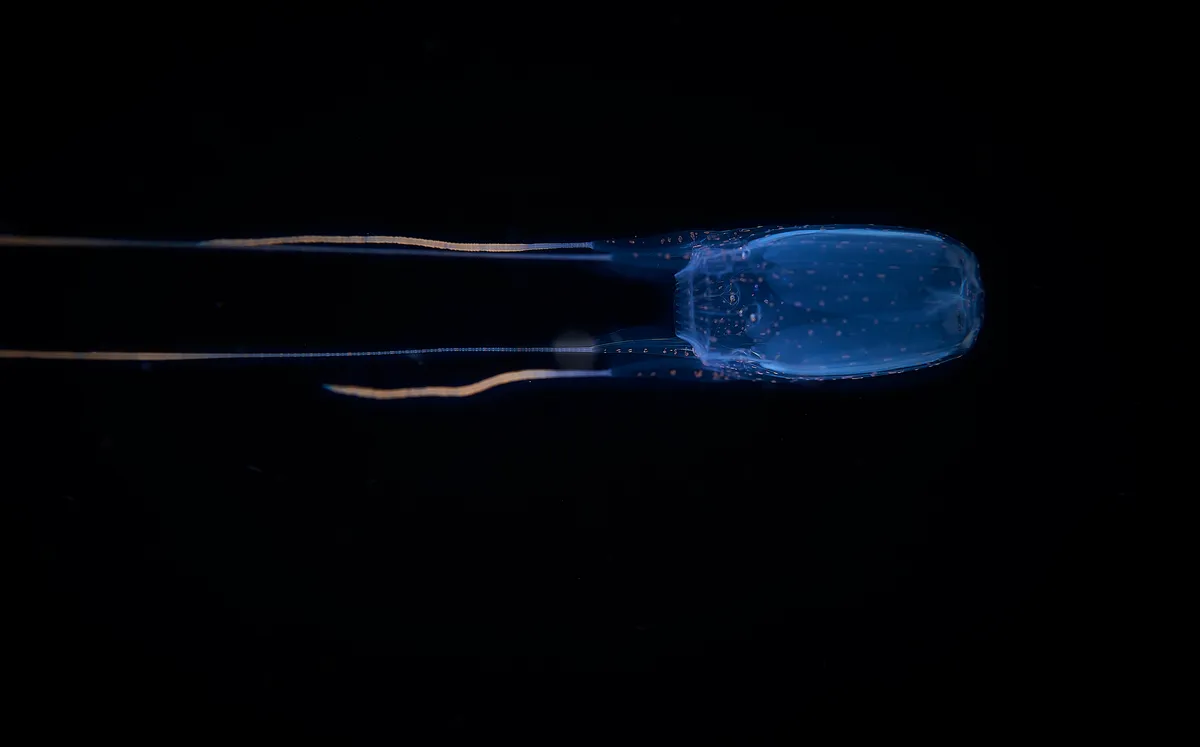
The box jellyfish is widely regarded as one of the most dangerous marine animals on Earth. Its transparent body makes it difficult to spot in coastal waters.
Its long tentacles contain thousands of microscopic stinging cells that inject an extremely potent venom designed to quickly immobilize fish.
Although serious stings are uncommon, they require immediate medical attention. Many coastal regions install protective nets and warning signs during jellyfish season to reduce encounters.
Interesting Facts
- Has up to 24 eyes.
- Tentacles may extend several meters.
- Excellent swimmer compared to most jellyfish.
2. Stonefish – The Perfect Master of Camouflage
Habitat
- Coral reefs
- Rocky coastlines
- Indo-Pacific region
The stonefish resembles an ordinary rock, making it almost invisible on the seafloor.
Its dorsal spines contain venom that serves as a defense against predators. Most injuries occur when someone accidentally steps on the fish while walking through shallow water.
Protective footwear significantly reduces risk in areas where stonefish are common.
Why It Is Dangerous
- Nearly impossible to spot
- Highly venomous defensive spines
- Intense pain after contact
3. Blue-Ringed Octopus – Tiny but Remarkably Venomous
Habitat
- Australia
- Japan
- Indonesia
- Pacific tide pools
Despite being only about the size of a golf ball, the blue-ringed octopus possesses one of the strongest neurotoxins found in marine life.
Its bright blue rings serve as a warning display whenever it feels threatened.
Fortunately, this octopus is naturally shy and prefers hiding rather than confronting humans.
4. Beaked Sea Snake – A Highly Venomous Marine Reptile
Habitat
- Indian Ocean
- Bay of Bengal
- Arabian Sea
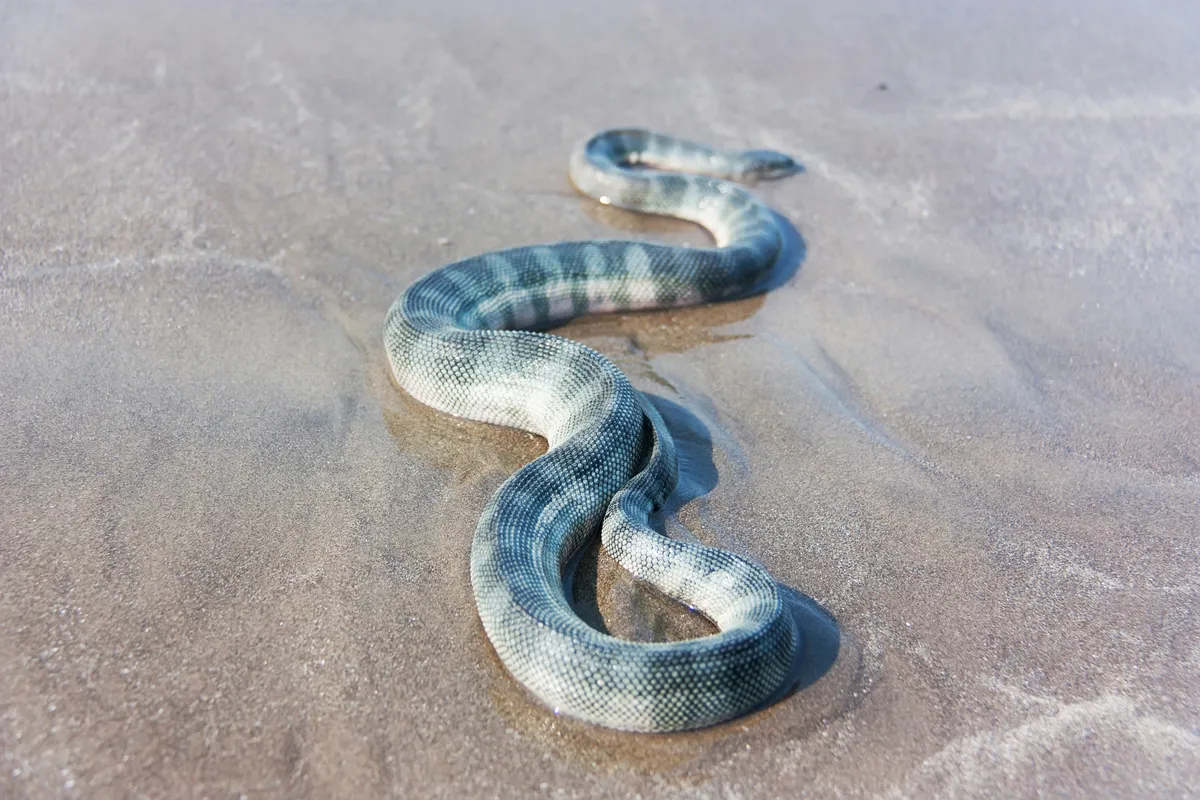
Sea snakes spend nearly their entire lives in the ocean.
Among them, the beaked sea snake is considered one of the most venomous species. However, encounters with swimmers are uncommon because these snakes usually avoid people.
Most recorded bites involve commercial fishing activities when snakes become trapped in fishing nets.
5. Cone Snail – Nature’s Tiny Harpoon Hunter
Habitat
- Tropical reefs
- Indian Ocean
- Pacific Ocean
At first glance, cone snails appear harmless because of their beautiful patterned shells.
In reality, they hunt using a specialized harpoon-like tooth that injects venom capable of instantly immobilizing fish.
Marine experts recommend never picking up unfamiliar cone shells while diving or walking along tropical beaches.
Fascinating Adaptation
The cone snail’s venom is so biologically complex that researchers continue studying it for potential medical applications.
6. Saltwater Crocodile – The Largest Living Reptile
Habitat
- Northern Australia
- Southeast Asia
- Estuaries
- Mangrove forests
Saltwater crocodiles can exceed 6 meters (20 feet) in length, making them the largest reptiles alive today.
They possess one of the strongest bite forces measured in the animal kingdom and are highly territorial.
Despite their reputation, crocodiles usually remain hidden and prefer conserving energy rather than actively searching for humans.
Safety Tips
- Observe warning signs.
- Never swim in crocodile habitats.
- Keep a safe distance from riverbanks.
7. Great White Shark – An Apex Ocean Predator
Habitat
- Temperate coastal waters
- South Africa
- Australia
- California
Few animals have captured the public imagination quite like the great white shark.
These powerful predators play an essential ecological role by helping regulate marine food chains.
While shark encounters receive significant media attention, serious incidents remain exceptionally rare compared to the millions of people who enter the ocean every year.
Interesting Facts
- Can detect tiny electrical signals from prey.
- Excellent sense of smell.
- May grow over 6 meters long.

8. Lionfish – Beautiful but Well Armed
Habitat
- Coral reefs
- Indo-Pacific
- Atlantic invasive populations
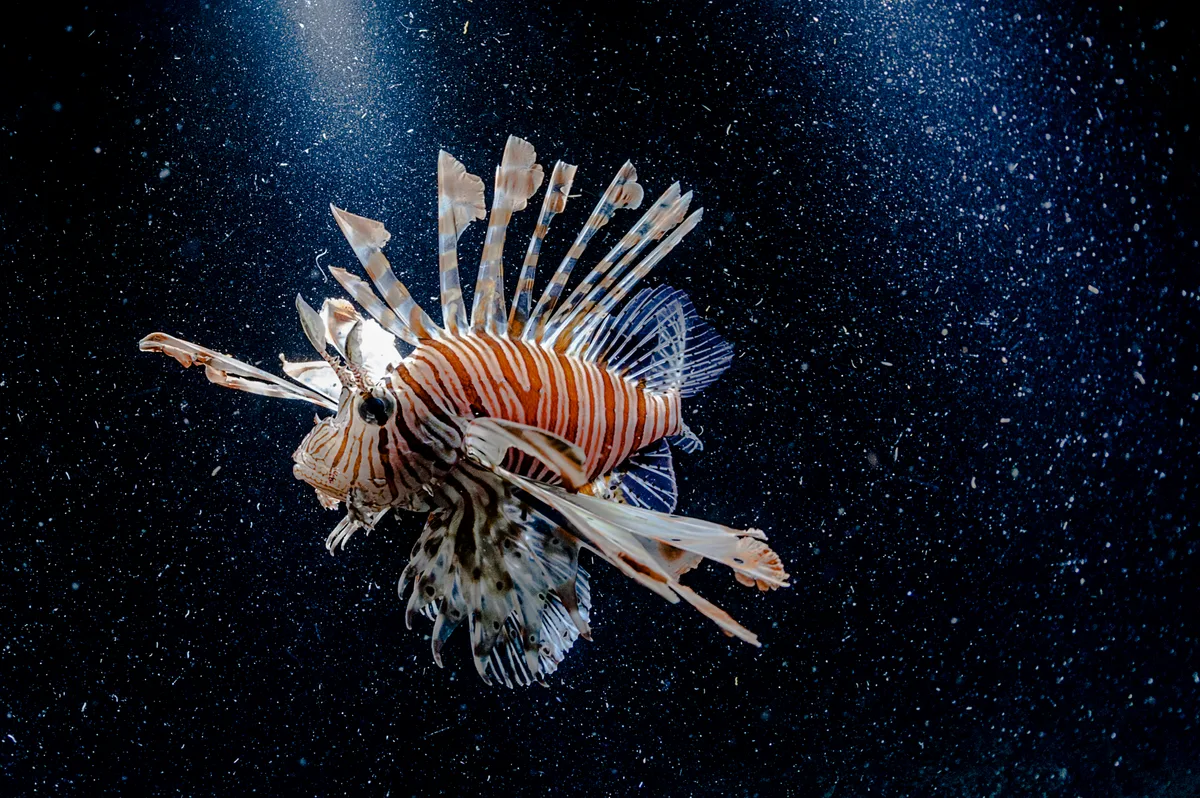
Lionfish are admired for their striking fins and colorful appearance.
Hidden among those elegant fins are venomous spines used strictly for defense.
Divers should admire lionfish from a respectful distance rather than attempting to touch or capture them.
9. Portuguese Man o’ War – Not Quite a Jellyfish
Habitat
- Atlantic Ocean
- Pacific Ocean
- Tropical waters
Although it resembles a jellyfish, the Portuguese man o’ war is actually a floating colony made up of many specialized organisms.
Its long tentacles contain venomous stinging cells that remain capable of causing painful stings even after washing ashore.
Beach authorities often close swimming areas when large groups drift near shore.
10. Pufferfish – A Defensive Balloon
Habitat
- Tropical oceans
- Coral reefs
- Coastal waters
Pufferfish inflate dramatically when threatened, making themselves difficult for predators to swallow.
Many species also contain tetrodotoxin, one of the most powerful naturally occurring toxins.
Certain cultures prepare specially licensed dishes using selected pufferfish species, requiring extensive culinary training to ensure safety.
11. Stingray – Gentle but Protective
Habitat
- Sandy seabeds
- Lagoons
- Tropical coastlines
Stingrays spend much of their time buried beneath the sand.
If accidentally stepped on, they may defend themselves with a venomous tail spine.
The famous “stingray shuffle”—sliding feet along the sand instead of taking large steps—helps alert rays and reduces accidental encounters.
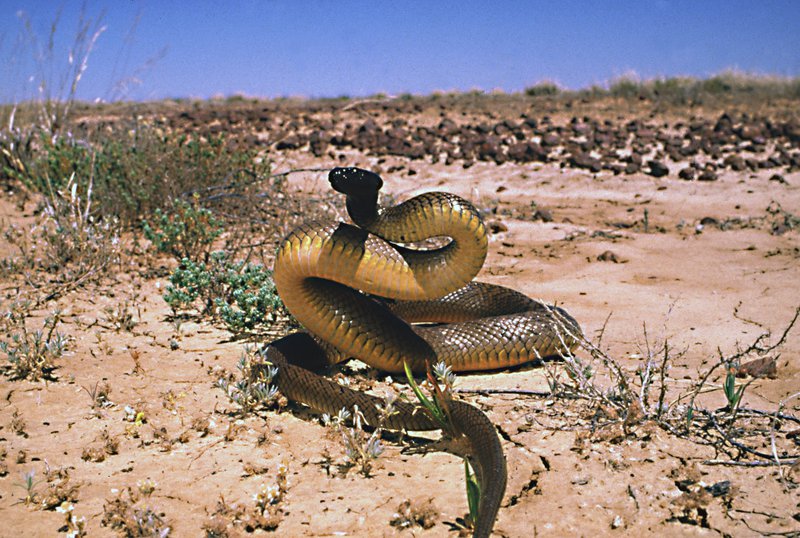
12. Inland Taipan – The World’s Most Venomous Snake
Habitat
- Central Australia
Although the inland taipan possesses extraordinarily potent venom, it lives in remote areas and is rarely encountered by people.
This shy snake usually retreats rather than confronting humans.
Its reputation highlights an important lesson: the most venomous animal is not necessarily the most dangerous in everyday life.
13. African Buffalo – Powerful and Unpredictable
Habitat
- African savannas
- Grasslands
- Woodlands
Unlike many predators, African buffalo are herbivores.
However, they are extremely strong, highly protective of their herd, and capable of defending themselves against lions.
Wildlife guides treat buffalo with great respect because of their unpredictable defensive behavior.
14. Hippopotamus – Surprisingly Dangerous
Habitat
- African rivers
- Lakes
- Wetlands
Hippos appear calm while resting in rivers during the day.
In reality, they are highly territorial and can move surprisingly fast on land despite weighing over 1,500 kilograms.
Most dangerous encounters occur when boats or people unknowingly enter their territory.
15. Mosquito – The Smallest Yet Most Influential
Habitat
Worldwide
Although mosquitoes are tiny, they are responsible for spreading diseases that affect millions of people globally every year.
Rather than relying on strength or venom, mosquitoes influence human health by transmitting parasites and viruses.
Modern mosquito-control programs have saved countless lives worldwide.
Comparing the World’s Most Dangerous Animals
| Animal | Primary Danger | Habitat |
|---|---|---|
| Box Jellyfish | Powerful venom | Tropical oceans |
| Stonefish | Venomous spines | Coral reefs |
| Blue-Ringed Octopus | Neurotoxin | Tide pools |
| Cone Snail | Venomous harpoon | Tropical reefs |
| Sea Snake | Venom | Coastal oceans |
| Saltwater Crocodile | Bite force | Rivers & estuaries |
| Great White Shark | Powerful bite | Coastal oceans |
| Lionfish | Venomous spines | Coral reefs |
| Portuguese Man o’ War | Painful stings | Open ocean |
| Pufferfish | Natural toxins | Tropical seas |
| Stingray | Defensive barb | Sandy seabeds |
| Inland Taipan | Venom | Australian desert |
| African Buffalo | Defensive behavior | Savanna |
| Hippopotamus | Territorial defense | Rivers |
| Mosquito | Disease transmission | Worldwide |
How to Stay Safe Around Dangerous Animals
Understanding wildlife behavior is the best way to prevent accidents.
1. Respect Wildlife
Observe animals from a distance and avoid disturbing them.
2. Learn About Local Species
Know which animals live in the region you’re visiting.
3. Wear Appropriate Footwear
Protective shoes reduce the chance of stepping on hidden marine animals.
4. Follow Local Warnings
Beach closures, wildlife signs, and ranger advice exist for your safety.
5. Never Touch Unknown Marine Animals
Many dangerous sea creatures rely on camouflage.
6. Avoid Feeding Wild Animals
Feeding wildlife changes natural behavior and increases human-animal interactions.
Why Dangerous Animals Matter
Although these species have intimidating reputations, they perform essential ecological functions.
Predators regulate prey populations.
Venomous species contribute to medical research.
Marine predators maintain healthy coral reef ecosystems.
Large reptiles help balance aquatic food webs.
Even mosquitoes play roles in food chains by serving as prey for countless other organisms.
Protecting biodiversity means preserving both the gentle and the formidable creatures that make ecosystems function.

Common Myths About Dangerous Animals
Myth 1: Sharks Constantly Hunt Humans
False. Sharks generally feed on fish, seals, and marine mammals. Human encounters are rare.
Myth 2: Every Jellyfish Is Deadly
False. Only a small number of jellyfish species possess venom capable of causing severe medical emergencies.
Myth 3: Crocodiles Attack Everything They See
False. Crocodiles spend much of their time conserving energy and typically avoid unnecessary conflict.
Myth 4: Bright Colors Always Mean Danger
Not always. While some species use warning coloration, many brightly colored animals are completely harmless.
Frequently Asked Questions
What is the most dangerous animal in the world?
It depends on how “dangerous” is measured. In terms of disease transmission, mosquitoes have the greatest impact on humans globally. In terms of venom potency, species such as the box jellyfish and inland taipan rank among the most remarkable.
Are sharks more dangerous than crocodiles?
Both deserve respect, but encounters with either are relatively uncommon. Risk depends largely on location and human activity.
Which ocean animal has the strongest venom?
The box jellyfish is widely recognized as one of the most venomous marine animals.
Should I fear dangerous animals while traveling?
No. Most wildlife avoids people. Following local safety advice and respecting natural habitats greatly reduces the likelihood of negative encounters.
Conclusion
The world’s dangerous animals are fascinating examples of evolution and adaptation rather than creatures to fear indiscriminately. From the nearly invisible stonefish to the graceful great white shark, each species has developed unique survival strategies over millions of years.
Learning about these animals encourages both caution and appreciation. By respecting wildlife, following local safety guidelines, and understanding animal behavior, we can safely explore nature while helping protect the incredible biodiversity that makes our planet so extraordinary.
Instead of viewing dangerous animals as villains, we should recognize them as vital members of Earth’s ecosystems—animals that deserve our respect, scientific curiosity, and conservation efforts.
Sources
- Discover Wildlife – World’s 11 Deadliest Sea Creatures
- International Shark Attack File (Florida Museum of Natural History)
- National Geographic
- NOAA (National Oceanic and Atmospheric Administration)
- Smithsonian Ocean
- World Health Organization (WHO)
- IUCN Red List of Threatened Species
- Australian Museum
- Queensland Health
- Monterey Bay Aquarium