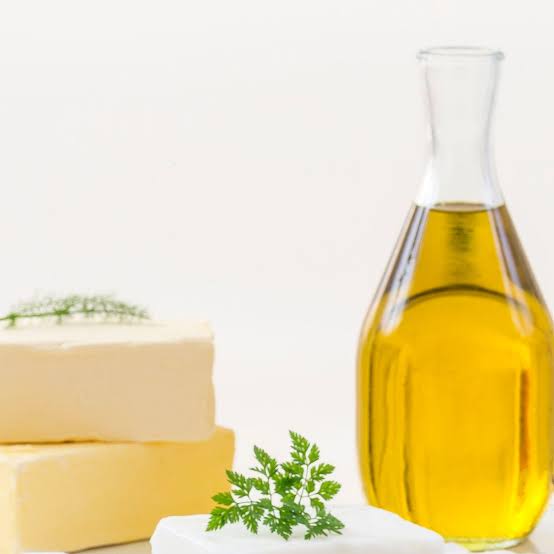
Olive oil vs butter is one of common debates when it comes to choosing the right cooking fat. Both are kitchen staples loved for their flavor and versatility, but they differ significantly in nutrition, cooking performance, and potential health effects.
Butter has been used for centuries in baking and traditional recipes, offering a rich, creamy taste that many people love. Extra virgin olive oil, on the other hand, has become the cornerstone of the Mediterranean diet and is widely recognized for its heart-healthy fats and natural antioxidants.
So, which one should you choose? Is olive oil healthier than butter? Can olive oil replace butter in baking? Does butter really have a lower smoke point?
In this comprehensive guide, we’ll compare olive oil and butter based on nutrition, cooking, baking, health benefits, and practical everyday use to help you make informed choices.
What Is Olive Oil?
Olive oil is extracted from the fruit of the olive tree (Olea europaea). The highest-quality variety, extra virgin olive oil (EVOO), is made by mechanically pressing fresh olives without excessive heat or chemical processing.
Extra virgin olive oil contains:
- Monounsaturated fats
- Polyphenols
- Vitamin E
- Vitamin K
- Natural antioxidants
Because it undergoes minimal processing, EVOO retains many beneficial plant compounds that contribute to both flavor and health.
What Is Butter?
Butter is a dairy product made by churning cream until the fat separates from the liquid. It contains:
- Saturated fat
- Cholesterol
- Fat-soluble vitamins (especially Vitamin A)
- Small amounts of vitamins D, E, and K
Butter’s rich flavor and creamy texture make it a popular ingredient in pastries, sauces, and baked goods.
Olive Oil vs Butter: Quick Comparison
| Feature | Extra Virgin Olive Oil | Butter |
|---|---|---|
| Source | Plant-based | Dairy |
| Main Fat | Monounsaturated fat | Saturated fat |
| Cholesterol | None | Yes |
| Antioxidants | High | Minimal |
| Vitamin E | High | Low |
| Smoke Point | Around 375–410°F (190–210°C)* | Around 300–350°F (150–175°C), depending on type |
| Best For | Everyday cooking, dressings, roasting | Baking, flavor, sauces |
*Smoke point varies depending on the quality and refinement of the oil.
Nutrition Comparison
One tablespoon (approximately 14 grams) provides roughly:
Olive Oil
- 119 calories
- 13.5 g fat
- About 10 g monounsaturated fat
- 0 g cholesterol
- Vitamin E
- Polyphenols
Butter
- 102 calories
- 11.5 g fat
- About 7 g saturated fat
- Approximately 31 mg cholesterol
- Vitamin A
Both contain similar calories, but their fat composition differs considerably.
Olive Oil vs Butter for Heart Health
One of the biggest differences lies in the type of fat each contains.
Olive Oil
Extra virgin olive oil is rich in monounsaturated fatty acids, especially oleic acid.
Research has linked diets rich in olive oil with:
- Better heart health
- Improved cholesterol balance
- Lower inflammation
- Reduced cardiovascular risk
- Support for healthy blood vessels
Olive oil is also a central component of the Mediterranean diet, one of the most researched eating patterns for long-term health.
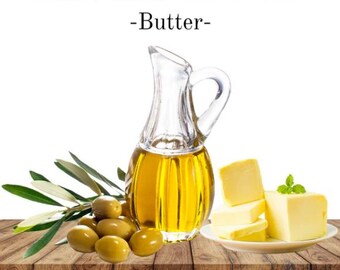
Butter
Butter contains significantly more saturated fat.
Current dietary guidelines generally recommend limiting saturated fat intake and replacing some saturated fats with unsaturated fats from plant sources whenever possible.
That does not mean butter must be avoided completely, but moderation remains important.
Which Contains More Healthy Fats?
Olive oil is the clear winner.
Olive Oil
- Approximately 70–75% monounsaturated fat
- Small amounts of polyunsaturated fat
- Low saturated fat
Butter
- Mostly saturated fat
- Smaller amounts of monounsaturated fat
Monounsaturated fats have consistently been associated with better cardiovascular health compared with diets high in saturated fat.
Antioxidants: Olive Oil Wins Again
Extra virgin olive oil naturally contains bioactive compounds such as:
- Polyphenols
- Oleocanthal
- Oleuropein
- Vitamin E
These compounds help protect cells from oxidative stress and contribute to olive oil’s distinctive flavor.
Butter contains relatively few antioxidant compounds by comparison.
Olive Oil vs Butter for Cooking
Cooking performance depends on temperature and recipe.
Olive Oil
Excellent for:
- Sautéing
- Roasting
- Stir-frying
- Grilling vegetables
- Pan cooking
- Salad dressings
High-quality olive oil remains relatively stable during typical home cooking temperatures.
Butter
Ideal for:
- Scrambled eggs
- Cream sauces
- Finishing vegetables
- Low-temperature cooking
Because butter contains milk solids, it browns and burns more quickly than olive oil.

Smoke Point Comparison
The smoke point is the temperature at which a fat begins to smoke and degrade.
Approximate smoke points:
- Extra virgin olive oil: 375–410°F (190–210°C)
- Refined olive oil: up to 465°F (240°C)
- Butter: 300–350°F (150–175°C)
- Clarified butter (ghee): about 450°F (232°C)
While smoke point matters, researchers also emphasize oxidative stability, where high-quality extra virgin olive oil performs well due to its antioxidant content.
Olive Oil vs Butter for Baking
Many people assume butter is always better for baking.
In reality, both have advantages.
Butter Is Best For
- Cookies
- Pie crusts
- Puff pastry
- Croissants
- Traditional pastries
Butter creates flaky textures because it remains solid until heated.
Olive Oil Is Best For
- Cakes
- Muffins
- Quick breads
- Brownies
- Loaf cakes
Because olive oil remains liquid at room temperature, baked goods often stay moist longer.
How to Substitute Olive Oil for Butter
In many baking recipes, olive oil can replace butter.
A common guideline is:
Use ¾ cup olive oil for every 1 cup of butter.
Since butter contains water while olive oil is pure fat, recipes usually require less oil than butter.
The substitution works especially well in:
- Banana bread
- Chocolate cake
- Muffins
- Brownies
- Zucchini bread
Can You Cook with Both Together?
Absolutely.
Many professional chefs combine olive oil and butter because it offers several benefits:
- Rich buttery flavor
- Improved cooking stability
- Less risk of burning
- Better texture
A small amount of butter added to olive oil can create an excellent balance of flavor and functionality.
Flavor Comparison
Olive Oil
Flavor varies depending on the olives used.
Common tasting notes include:
- Fruity
- Peppery
- Herbaceous
- Grassy
- Mild bitterness
High-quality EVOO often has a pleasant peppery finish.
Butter
Butter delivers:
- Richness
- Creaminess
- Sweet dairy flavor
- Smooth mouthfeel
Its flavor complements baked goods and many comfort foods.
Which Is Better for Weight Management?
Neither olive oil nor butter should be considered a weight-loss food.
Both are calorie-dense.
However, olive oil may support healthier eating patterns because it is commonly consumed with:
- Vegetables
- Whole grains
- Legumes
- Fish
- Salads
The overall dietary pattern matters more than any single ingredient.
Frequently Asked Questions
Is olive oil healthier than butter?
For most people, yes. Extra virgin olive oil provides heart-healthy monounsaturated fats, antioxidants, and no cholesterol, making it a healthier everyday choice.
Can I replace butter with olive oil?
Yes. Olive oil works well in many cooking and baking recipes, especially cakes, muffins, and savory dishes.
Which is better for frying?
Extra virgin olive oil performs well for most home cooking methods such as sautéing and shallow frying. For very high-heat cooking, refined olive oil or other suitable high-heat oils may also be appropriate.
Does butter have cholesterol?
Yes. Because butter is an animal product, it naturally contains dietary cholesterol.
Olive oil contains none.
Which tastes better?
Taste is subjective.
Butter offers a rich dairy flavor, while olive oil provides fruity, peppery, and herbaceous notes that vary by variety.
Many chefs enjoy using both depending on the recipe.
Tips for Choosing Healthy Cooking Fats
To get the most from your cooking fats:
- Choose extra virgin olive oil for everyday cooking.
- Use butter occasionally for recipes where its flavor is essential.
- Store olive oil away from heat and light.
- Avoid repeatedly overheating cooking oils.
- Balance all fats within an overall nutritious eating pattern.
Final Thoughts
The olive oil vs butter debate isn’t about declaring one ingredient “good” and the other “bad.” Both have a place in the kitchen, but they serve different purposes.
Extra virgin olive oil stands out as the healthier everyday option thanks to its high content of monounsaturated fats, antioxidants, and plant compounds that support heart health. It performs well in most cooking methods, enhances salads and vegetables, and can even produce exceptionally moist baked goods.
Butter, meanwhile, remains unmatched for certain recipes that rely on its rich flavor and unique texture. Used occasionally and in moderation, it can still fit into a balanced diet.
Ultimately, the healthiest approach is to build your meals around whole, minimally processed foods and use cooking fats thoughtfully. For everyday cooking, extra virgin olive oil is generally the preferred choice, while butter can be reserved for special recipes where its distinctive taste truly shines.

Sources
- American Heart Association. Dietary Fats and Cardiovascular Health.
- Harvard T.H. Chan School of Public Health. The Nutrition Source: Fats and Cholesterol.
- Mediterranean Diet Foundation.
- U.S. Department of Agriculture (USDA) FoodData Central.
- European Food Safety Authority (EFSA). Scientific Opinion on Olive Oil Polyphenols.
- Journal of the American College of Cardiology (JACC). Research on olive oil consumption and cardiovascular health.
- International Olive Council (IOC). Olive Oil Standards and Quality.