Facts about food reveal just how incredible the world of nutrition and culinary history really is. Whether you’re a passionate foodie, a home cook, or simply someone who enjoys learning something new, these fun facts will give you a deeper appreciation for the foods you enjoy every day.
Food is much more than something we eat to satisfy hunger. Every ingredient on our plate has a fascinating story shaped by science, history, geography, and culture. Some foods have surprising nutritional benefits, while others have unexpected origins that challenge what we think we know.
Did you know that dark chocolate may help support heart health? Or that pistachios aren’t technically nuts? Have you ever wondered why cilantro tastes like soap to some people, or why bananas float in water?
Let’s dive into 23 amazing facts about food that might completely change the way you look at your next meal.
Why Learning Facts About Food Is Important
Understanding food isn’t just about calories and recipes. Knowing where foods come from, how they’re classified, and the nutrients they provide can help you make healthier choices and appreciate the remarkable diversity of ingredients available around the world.
Learning more about food can help you:
- Make informed dietary decisions
- Separate myths from scientific facts
- Appreciate different cultures and cuisines
- Reduce food waste
- Discover healthier alternatives
- Become a more knowledgeable cook
Now let’s explore some of the most surprising facts about food.
1. Dark Chocolate Is More Than Just a Sweet Treat
Dark chocolate has earned a reputation as one of the healthiest desserts when enjoyed in moderation.
Made from cocoa beans, high-quality dark chocolate contains flavonoids—powerful antioxidants that may help improve blood circulation, lower blood pressure, and reduce inflammation. Studies have also linked moderate cocoa consumption with better cardiovascular health.
For the greatest health benefits, choose dark chocolate containing at least 70% cocoa. Unlike milk chocolate, it contains less sugar and a higher concentration of beneficial plant compounds.
Interestingly, dark chocolate also contains small amounts of caffeine and theobromine, two natural stimulants that can provide a gentle energy boost.

2. Nectarines Get Their Name From “Sweet Like Nectar”
The word nectarine comes from the idea of being “sweet like nectar,” a fitting description for this juicy summer fruit.
Nectarines are closely related to peaches and are believed to have originated in China more than 4,000 years ago.
They’re packed with nutrients including:
- Vitamin A
- Vitamin C
- Potassium
- Fiber
- Antioxidants
These nutrients support healthy skin, strengthen the immune system, and contribute to overall wellness.
3. Raspberries Belong to the Rose Family
Although we commonly think of raspberries as berries, botanically they’re members of the rose family (Rosaceae).
Their relatives include:
- Apples
- Pears
- Cherries
- Peaches
- Strawberries
- Blackberries
- Plums
Like roses, raspberry plants produce beautiful flowers before developing fruit, and many varieties even have thorny stems.
Besides their botanical curiosity, raspberries are rich in vitamin C, manganese, fiber, and antioxidants that help protect the body’s cells.
4. Chickpeas Are an Excellent Source of Plant Protein
Many people assume only meat contains significant amounts of protein, but chickpeas prove otherwise.
These versatile legumes provide approximately 19–21 grams of protein per 100 grams (dry weight), making them a valuable ingredient for vegetarian and vegan diets.
They’re also rich in:
- Fiber
- Iron
- Magnesium
- Folate
- Complex carbohydrates
Popular dishes like hummus, falafel, curries, and salads all benefit from the nutritional value of chickpeas.
5. Brussels Sprouts Are Among the Healthiest Vegetables
Brussels sprouts often rank among the world’s least favorite vegetables, especially for children.
Ironically, they’re nutritional powerhouses.
These tiny vegetables contain high levels of:
- Vitamin C
- Vitamin K
- Folate
- Fiber
- Antioxidants
As members of the cruciferous vegetable family, Brussels sprouts also contain sulfur-containing compounds that researchers continue studying for their potential role in supporting long-term health.
Roasting them instead of boiling dramatically improves both flavor and texture.

6. Pistachios Aren’t Technically Nuts
Despite their reputation, pistachios are actually drupes rather than true nuts.
A drupe is a fruit with a fleshy outer layer surrounding a hard shell that contains the seed.
Other drupes include:
- Peaches
- Mangoes
- Cherries
- Olives
- Almonds
The edible pistachio we enjoy is actually the seed inside the fruit.
Pistachios are loaded with healthy fats, protein, fiber, vitamin B6, and antioxidants, making them one of the healthiest snack options available.
7. Caesar Salad Was Invented in Mexico
Many people assume Caesar salad comes from Italy because of its name.
In reality, it was first created in Tijuana, Mexico, in 1924 by Italian-born chef Caesar Cardini.
According to popular accounts, Cardini improvised the dish during a busy holiday weekend using ingredients available in his kitchen.
The original Caesar salad included:
- Romaine lettuce
- Olive oil
- Egg
- Parmesan cheese
- Worcestershire sauce
- Garlic
- Croutons
Modern versions often include grilled chicken and anchovies, although neither was part of the earliest recipe.
8. Avocados Are Fruits, Not Vegetables
Although commonly used in savory dishes, avocados are botanically classified as berries.
They develop from a single flower and contain one large seed, fitting the scientific definition of a berry.
Avocados are especially valued for their nutritional profile, containing:
- Heart-healthy monounsaturated fats
- Potassium
- Vitamin E
- Vitamin K
- Folate
- Fiber
Unlike most fruits, avocados are naturally low in sugar while providing creamy texture and satisfying healthy fats.
9. Spam Is Short for “Spiced Ham”
Spam has become one of the world’s most recognizable canned meats, but many people don’t know where its name comes from. The word Spam is widely accepted as a shortened form of “Spiced Ham.”
Despite its mysterious reputation, the classic recipe contains only a handful of ingredients, including pork, salt, water, potato starch, sugar, and sodium nitrite. Since its introduction in 1937, Spam has become especially popular in places such as Hawaii, South Korea, Japan, and the Philippines, where it is featured in countless local dishes.
10. Oreo Cookies Are Surprisingly Vegan
One of the most surprising facts about food is that the classic Oreo cookie contains no dairy or eggs in its recipe.
Although Oreos are manufactured in facilities that also process milk products, the ingredients themselves are plant-based. This makes them a popular treat among many people following vegan diets.
Of course, not every Oreo flavor is vegan, so it’s always worth checking the ingredient list before purchasing limited-edition varieties.

11. Some Red Food Coloring Comes From Insects
If you’ve ever seen carmine, cochineal extract, or E120 listed on a food label, you’ve encountered one of the most unusual natural food colorings.
Carmine is made from crushed cochineal insects and has been used for centuries to create a vibrant red color in foods and cosmetics.
It may be found in products such as:
- Candy
- Yogurt
- Fruit drinks
- Ice cream
- Baked goods
Although many manufacturers now use plant-based alternatives, carmine is still approved for food use in many countries.
12. Hawaiian Pizza Was Invented in Canada
Despite its tropical name, Hawaiian pizza did not originate in Hawaii.
It was created in 1962 by Greek-Canadian restaurateur Sam Panopoulos in Ontario, Canada.
Inspired by the growing popularity of sweet-and-savory flavor combinations, Panopoulos added canned pineapple to a traditional ham pizza. The pineapple brand he used happened to be called Hawaiian, which inspired the now-famous name.
Today, Hawaiian pizza remains one of the most debated pizza toppings in the world.
13. Peanut Butter Can Be Part of a Healthy Diet
Peanut butter often gets criticized because many commercial brands contain added sugar and oils. However, natural peanut butter made primarily from peanuts is highly nutritious.
It provides:
- Plant protein
- Healthy fats
- Vitamin E
- Magnesium
- Niacin
- Fiber
Research suggests that moderate peanut consumption may support heart health and help people stay full longer, making it a satisfying snack when eaten in appropriate portions.
14. Cucumbers Contain More Water Than Watermelons
Watermelon is famous for helping people stay hydrated during hot summer days.
Surprisingly, cucumbers contain even more water.
Approximate water content:
- Cucumber: 95–96%
- Watermelon: About 92%
Because they’re extremely low in calories and rich in water, cucumbers make an excellent snack for hydration and weight management.
They’re also a good source of vitamin K and several antioxidants.
15. Botanically, Bananas Are Berries—but Strawberries Aren’t
This fact surprises almost everyone.
According to botanical classification, bananas qualify as berries because they develop from a single flower with one ovary and have seeds embedded within the fruit.
Strawberries, however, develop from multiple ovaries in one flower, making them aggregate fruits, not true berries.
Other fruits that are technically berries include:
- Grapes
- Tomatoes
- Kiwis
- Eggplants
Meanwhile, blackberries and raspberries are aggregate fruits rather than true berries.

16. Bananas Are One of the World’s Oldest Cultivated Fruits
Bananas have been cultivated by humans for thousands of years.
Archaeological evidence suggests banana cultivation began more than 7,000 years ago, with some researchers believing early domestication may date back nearly 10,000 years.
Bananas are also unique because they naturally float in water. Their relatively low density, caused by tiny air pockets inside the fruit, makes them buoyant.
Beyond being delicious, bananas are packed with:
- Potassium
- Vitamin B6
- Vitamin C
- Fiber
- Natural carbohydrates
These nutrients make bananas a favorite snack among athletes and active individuals because they provide quick energy while supporting muscle function.
17. Farm-Raised Salmon Is Often Fed Pigments to Achieve Its Pink Color
Wild salmon is famous for its vibrant pink or orange flesh, but this color doesn’t naturally come from the fish itself. Instead, it comes from a diet rich in krill, shrimp, and algae, which contain a natural antioxidant called astaxanthin.
Farm-raised salmon don’t always eat the same diet. To produce the familiar pink color consumers expect, farmers often add astaxanthin to the fish feed. This isn’t considered harmful—in fact, astaxanthin is the same natural compound found in wild salmon and is known for its antioxidant properties.
Without it, farmed salmon would have pale gray or off-white flesh.
18. Your Genes May Determine Whether Cilantro Tastes Like Soap
Have you ever heard someone say cilantro (also called coriander leaves) tastes like soap? They aren’t imagining it.
Scientists have discovered that certain people carry a variation of the OR6A2 gene, which makes them especially sensitive to aldehyde compounds found in cilantro. These same compounds are also present in many soaps and cleaning products.
As a result, while some people describe cilantro as fresh and citrusy, others experience an unpleasant soapy flavor. It’s a fascinating example of how genetics can influence our taste preferences.
19. Sandwiches Were Named After an English Earl
One of the world’s most popular meals owes its name to an English nobleman.
According to popular legend, John Montagu, the Fourth Earl of Sandwich, enjoyed gambling for hours without leaving the table. To avoid interrupting his game, he asked for meat placed between two slices of bread so he could eat with one hand.
Whether the story is entirely accurate or not, the convenient meal became known as the sandwich, and today countless variations are enjoyed across the globe—from classic ham and cheese to gourmet creations filled with vegetables, seafood, and grilled meats.
20. Pound Cake Was Named After Its Original Recipe
Despite the name, a pound cake doesn’t necessarily weigh one pound.
The dessert earned its name because the original recipe called for:
- One pound of flour
- One pound of butter
- One pound of sugar
- One pound of eggs
This simple ratio made the recipe easy to remember before printed cookbooks became common. Modern pound cakes often use adjusted proportions to create a lighter texture while preserving the rich, buttery flavor that made the cake famous.

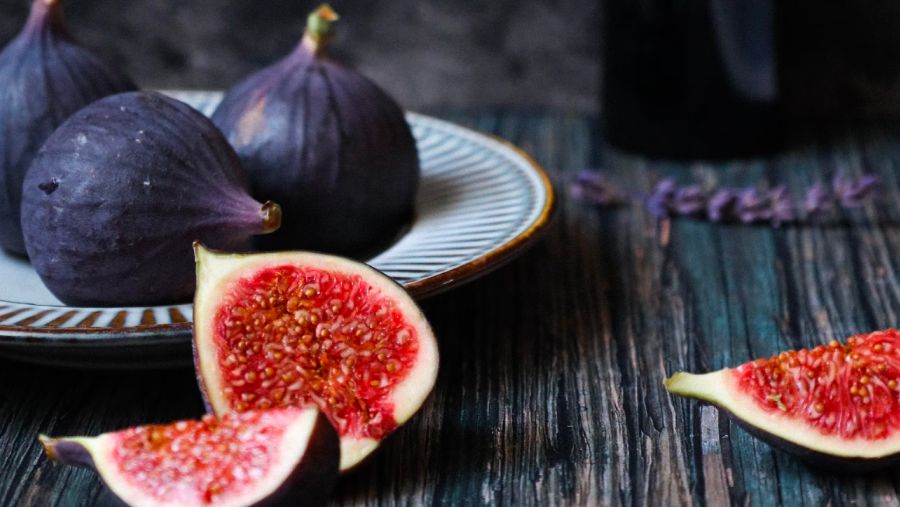
21. Figs Have One of Nature’s Most Fascinating Pollination Processes
Figs are among the most unique fruits in the plant kingdom because many species rely on tiny fig wasps for pollination.
Female wasps enter immature figs through a small opening to lay their eggs and, in many species, complete the pollination process. Enzymes inside the fig eventually break down the wasp’s body, leaving no recognizable trace in the ripe fruit.
However, it’s important to note that many commercially grown figs are self-pollinating or cultivated without relying on this natural process. As a result, the fresh figs found in supermarkets are often produced differently from wild varieties.
22. Honey Never Really Spoils
Honey is one of the few natural foods with an exceptionally long shelf life.
Archaeologists have even discovered jars of honey in ancient Egyptian tombs that remained preserved after thousands of years.
Its remarkable stability comes from several factors:
- Very low moisture content
- High natural sugar concentration
- Acidic pH
- Naturally occurring antimicrobial compounds
Although honey may crystallize over time, this doesn’t mean it has spoiled. Gently warming the jar can return it to its liquid state.
23. Apples Float Because They’re Mostly Water—and Air
Apples are another fruit that floats in water, making them a favorite for games like bobbing for apples.
While apples are about 85% water, roughly 25% of their volume is actually air trapped inside tiny pockets throughout the fruit. This combination lowers their overall density, allowing them to stay afloat.
Besides this fun characteristic, apples are an excellent source of dietary fiber, vitamin C, and beneficial plant compounds called polyphenols, which contribute to their reputation as a nutritious everyday snack.
Frequently Asked Questions About Food Facts
What is the most surprising fact about food?
One of the most surprising facts is that bananas are botanically classified as berries, while strawberries are not. Botanical definitions often differ from the names we use in everyday language.
Is dark chocolate actually healthy?
Yes. Dark chocolate containing at least 70% cocoa is rich in antioxidants and flavonoids that may support heart health when enjoyed in moderation. However, it should still be consumed as part of a balanced diet because it contains calories and fat.
Why does cilantro taste like soap to some people?
A variation in the OR6A2 gene makes some people more sensitive to aldehydes—the same aromatic compounds found in both cilantro and certain soaps.
Are avocados fruits or vegetables?
Avocados are fruits. More specifically, botanists classify them as a type of berry because they develop from a single flower and contain one large seed.
Which foods contain the most water?
Some of the most water-rich foods include:
- Cucumbers
- Lettuce
- Celery
- Watermelon
- Tomatoes
These foods can help contribute to daily hydration alongside drinking water.

Conclusion
Food is far more fascinating than it appears at first glance. Behind every fruit, vegetable, dessert, and savory dish lies a story shaped by evolution, culture, agriculture, and science. From the heart-friendly compounds found in dark chocolate to the genetic reasons some people dislike cilantro, these facts remind us that eating is both a biological necessity and a journey of discovery.
Learning more about the foods we eat can inspire healthier choices, spark curiosity about different cuisines, and deepen our appreciation for the incredible diversity of ingredients available around the world. The next time you enjoy a slice of pizza, spread peanut butter on toast, or bite into a crisp apple, you’ll know there’s much more to the story than meets the eye.
Whether you’re sharing these facts with friends, using them to improve your cooking knowledge, or simply satisfying your curiosity, one thing is certain: the world of food is full of surprises waiting to be explored.
Sources
- Harvard T.H. Chan School of Public Health – Nutrition Source
- United States Department of Agriculture (USDA)
- U.S. Food and Drug Administration (FDA)
- Encyclopedia Britannica
- National Geographic
- Better Health Channel
- Healthline
- Academy of Nutrition and Dietetics
- American Heart Association
- BBC Science Focus Magazine