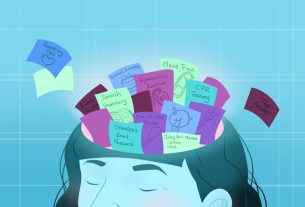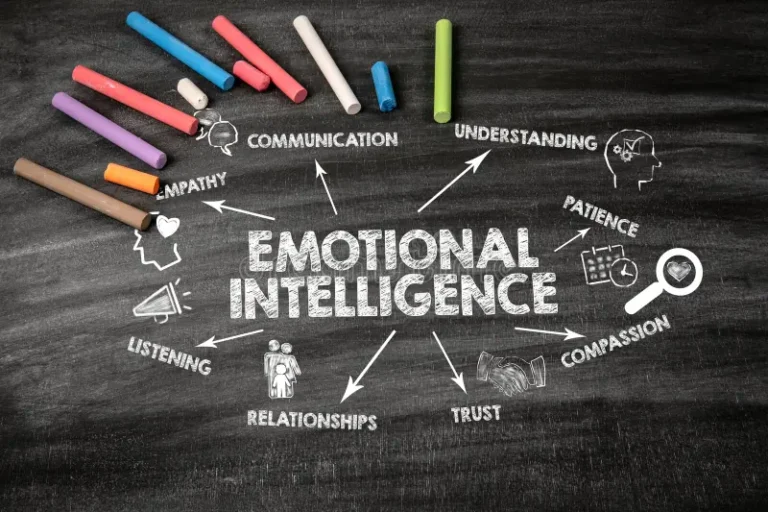
Emotional Intelligence, commonly known as EI or EQ, influences how people handle challenges, build relationships, make decisions, and communicate. It affects personal happiness, professional success, leadership ability, and everyday interactions.
In a world where people communicate faster than ever, work in diverse environments, and face constant change, success is no longer determined only by knowledge or technical skills. The ability to understand emotions, manage reactions, and connect with others has become one of the most valuable life skills.
Imagine two people facing the same stressful situation. One reacts immediately with frustration, creates conflict, and struggles to find a solution. The other remains calm, listens carefully, understands different perspectives, and guides everyone toward a better outcome.
While intelligence quotient (IQ) measures logical thinking and problem-solving abilities focuses on understanding emotions — both your own and those of others. People with strong emotional intelligence are often better at managing stress, resolving conflicts, showing empathy, and creating positive environments.
This article explores what emotional intelligence means, why it is important, its core components, and practical ways to develop this essential skill for a more balanced and successful life.
What Is Emotional Intelligence?
Emotional intelligence is the ability to recognize, understand, control, and use emotions effectively.
- Identify their own feelings
- Understand why they feel a certain way
- Manage emotional reactions
- Recognize emotions in others
- Communicate clearly and respectfully
- Build stronger relationships
Emotional intelligence does not mean ignoring emotions or avoiding negative feelings. Instead, it means learning how to respond thoughtfully rather than reacting automatically.
For example, feeling angry is normal. However, an emotionally intelligent person recognizes the anger, understands its source, and chooses a constructive response.
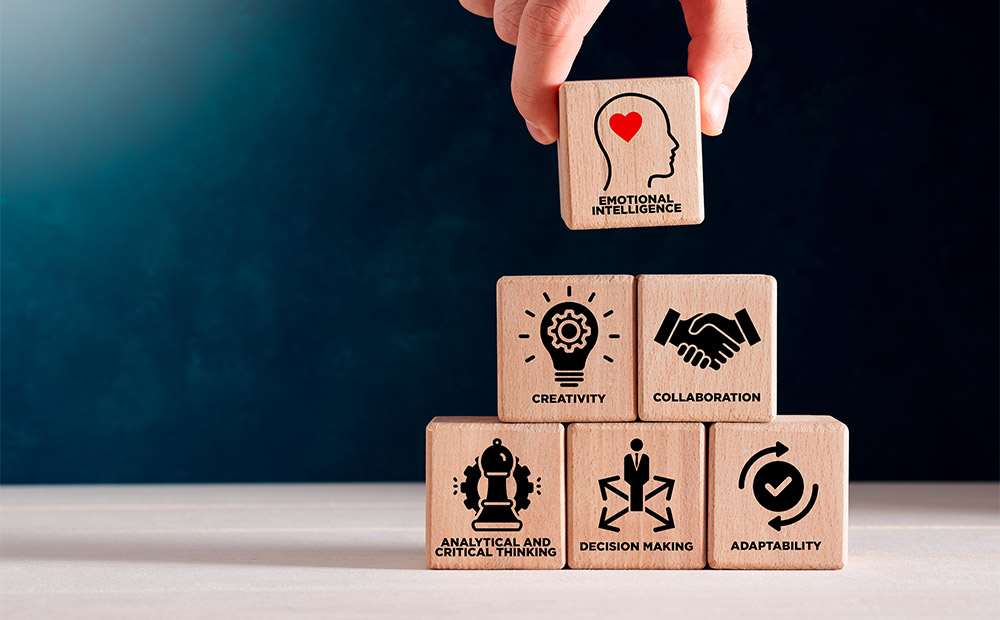
The Five Main Components of Emotional Intelligence
Emotional intelligence is often explained through five important areas.
1. Self-Awareness: Understanding Your Own Emotions
Self-awareness is the foundation of emotional intelligence.
It means understanding your emotions, strengths, weaknesses, values, and behaviors.
People with strong self-awareness can recognize:
- What emotions they are experiencing
- How emotions influence decisions
- How their behavior affects others
For example, a self-aware person may notice that stress is making them impatient during conversations. Instead of blaming others, they identify the emotional trigger and adjust their behavior.
Benefits of Self-Awareness
Developing self-awareness can help you:
- Make better decisions
- Improve communication
- Build confidence
- Understand personal patterns
- Respond more effectively to challenges
Daily reflection, journaling, and asking for honest feedback are useful ways to strengthen self-awareness.
2. Self-Control: Managing Emotional Reactions
Self-control is the ability to manage emotions, especially during difficult situations.
Everyone experiences frustration, disappointment, fear, and pressure. Emotional intelligence helps people handle these emotions without allowing them to control their actions.
A person with strong self-control does not avoid emotions. Instead, they pause, evaluate the situation, and choose an appropriate response.
Examples of Emotional Self-Control
Instead of:
- Sending an angry message immediately
- Shouting during an argument
- Making decisions based on frustration
A person with emotional intelligence may:
- Take time to calm down
- Listen before responding
- Think about long-term consequences
Self-control creates emotional stability and helps people handle uncertainty more effectively.
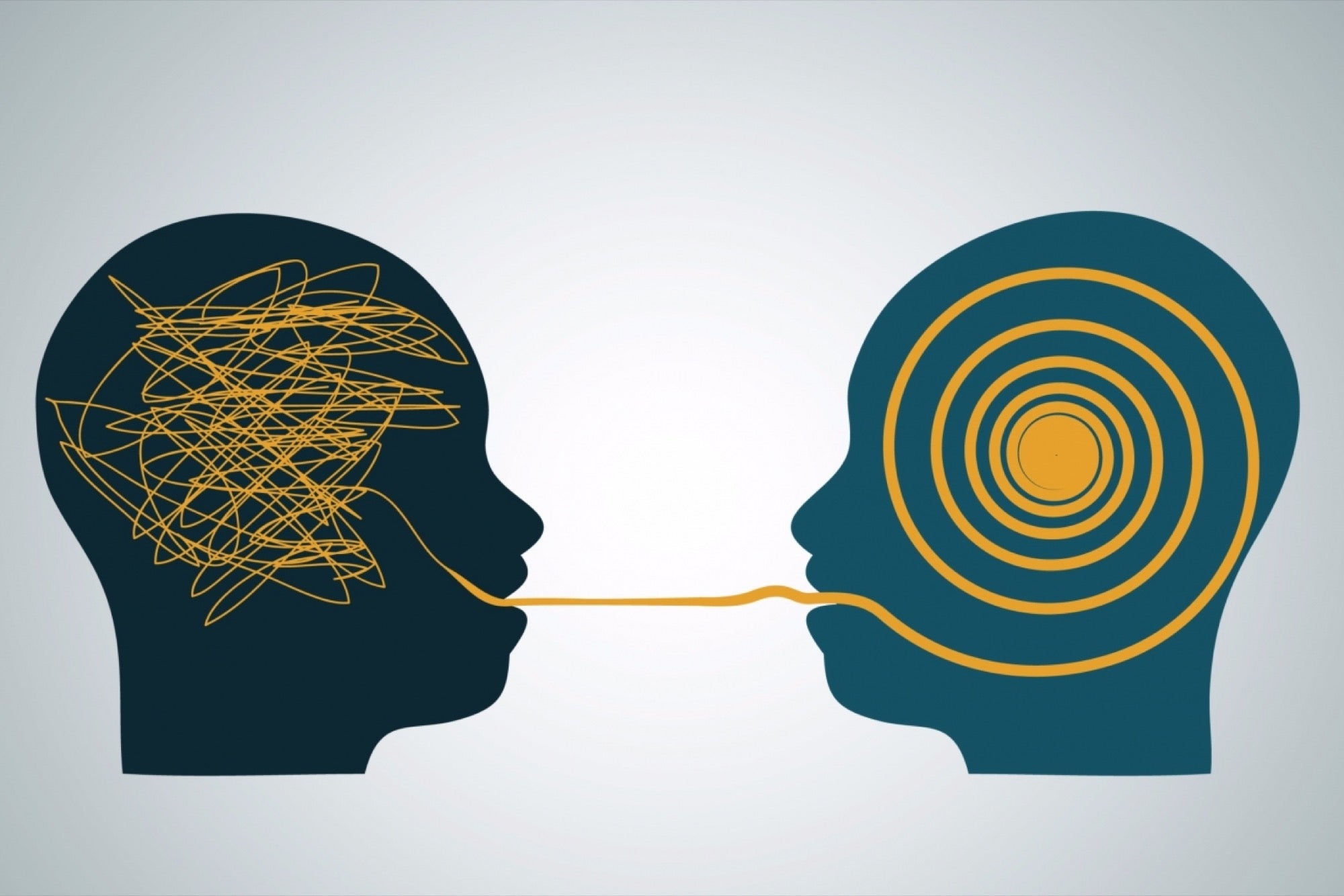
3. Motivation: Using Emotions to Achieve Goals
Motivation is another important part of emotional intelligence.
Emotionally intelligent people understand what drives them. They are able to use their emotions as energy to move toward goals.
This internal motivation helps people:
- Stay focused
- Overcome obstacles
- Maintain a positive mindset
- Continue learning and improving
For example, someone pursuing a difficult goal may experience setbacks. Instead of giving up, they recognize disappointment, learn from mistakes, and continue moving forward.
Strong motivation is often connected to purpose. When people understand why something matters, they are more likely to stay committed.
4. Empathy: Understanding Other People’s Feelings
Empathy is the ability to understand and share another person’s perspective.
It does not mean agreeing with everyone. Instead, it means recognizing another person’s emotions and experiences.
Empathy allows people to create deeper connections.
An empathetic person may notice:
- Changes in someone’s mood
- Signs of stress
- Unspoken concerns
- Emotional needs
Why Empathy Is Important
Empathy improves:
- Relationships
- Communication
- Teamwork
- Conflict resolution
In workplaces, empathetic leaders create environments where people feel respected and valued.
In personal relationships, empathy helps people feel heard and understood.
5. Social Skills: Building Strong Relationships
Social skills involve communicating effectively and creating positive relationships.
People with strong social skills know how to:
- Listen actively
- Express ideas clearly
- Handle disagreements
- Cooperate with others
- Build trust
Good social skills are essential in every area of life.
Whether interacting with family, friends, coworkers, or strangers, the ability to communicate with emotional awareness creates stronger connections.

Why Emotional Intelligence Is Important in Everyday Life
Emotional intelligence affects almost everything we do.
Emotional Intelligence Improves Communication
Communication is not only about words. Tone, facial expressions, and body language also communicate emotions.
Emotionally intelligent people understand these signals and adjust their communication style.
They are better at:
- Listening
- Explaining ideas
- Avoiding misunderstandings
- Expressing feelings respectfully
Emotional Intelligence and Relationships
Healthy relationships require understanding, patience, and communication.
Emotional intelligence helps people create stronger connections by allowing them to:
- Recognize their partner’s emotions
- Manage disagreements calmly
- Express needs clearly
- Show compassion
Many relationship problems come from emotional misunderstandings rather than a lack of care.
Developing emotional intelligence helps people respond with understanding instead of judgment.
Emotional Intelligence in Leadership
Great leaders need more than technical knowledge. They must understand people.
Leaders with high emotional intelligence are often better at creating trust, encouraging teamwork, and managing change.
Building Trust and Psychological Safety
People perform better when they feel respected and supported.
Emotionally intelligent leaders:
- Listen to team members
- Accept different opinions
- Encourage open communication
- Create safe environments for sharing ideas
When people feel valued, they become more creative and engaged.
Handling Change and Uncertainty
Modern life and workplaces are constantly changing.
Emotionally intelligent people are better prepared to handle uncertainty because they can regulate stress and maintain focus.
Instead of becoming overwhelmed by change, they look for solutions and help others adapt.
This ability is especially valuable in leadership, where calm decision-making influences entire teams.
Improving Team Collaboration
Teamwork depends on communication and trust.
- Understand different personalities
- Respect different viewpoints
- Resolve conflicts
- Work toward common goals
A team with emotional awareness can turn disagreements into opportunities for better ideas.

How to Develop Emotional Intelligence
Unlike some abilities that feel fixed, emotional skills can be strengthened through practice.
Practice Self-Reflection
Spend time thinking about your emotions.
Ask yourself:
- What am I feeling?
- Why do I feel this way?
- How does my emotion affect my behavior?
Regular reflection increases emotional awareness.
Improve Active Listening
Many people listen only to respond.
Emotionally intelligent listening means:
- Paying full attention
- Avoiding interruptions
- Trying to understand before judging
When people feel heard, relationships become stronger.
Learn Stress Management Techniques
Stress can affect emotional control.
Helpful strategies include:
- Exercise
- Mindfulness practices
- Relaxation techniques
- Healthy sleep habits
- Time management
A calmer mind makes emotional regulation easier.
Ask for Feedback
Other people can reveal patterns we do not notice ourselves.
Constructive feedback helps identify areas for improvement.
A willingness to learn from others is an important part of emotional growth.
Practice Empathy Every Day
Empathy grows through curiosity.
Try asking:
- How might this person feel?
- What experiences influence their reaction?
- What support might they need?
Understanding others creates more meaningful interactions.

Emotional Intelligence vs IQ: Which Is More Important?
IQ and emotional intelligence are different types of abilities.
IQ helps with:
- Logical reasoning
- Technical learning
- Problem-solving
Emotional intelligence helps with:
- Relationships
- Communication
- Decision-making under pressure
- Leadership
Both are valuable.
A person may have excellent technical knowledge but struggle with relationships if emotional skills are ignored.
In many situations, emotional intelligence determines how effectively people use their knowledge.
The Long-Term Benefits of Emotional Intelligence:
- Better relationships
- Improved leadership skills
- Greater resilience
- Stronger communication
- Reduced conflict
- Higher self-confidence
- Better decision-making
It is not only a professional advantage but also a life skill that supports personal growth.
Conclusion: Emotional Intelligence Is a Skill for Life
Emotional intelligence is one of the most powerful abilities a person can develop.
It influences how we understand ourselves, connect with others, handle challenges, and create meaningful relationships.
In a world filled with constant change and complex interactions helps people stay balanced, compassionate, and effective.
By practicing self-awareness, improving communication, managing emotions, and developing empathy, anyone can strengthen their emotional intelligence.
The journey toward greater emotional intelligence is not about becoming emotionless. It is about becoming more aware, more thoughtful, and more capable of creating positive experiences for yourself and those around you.
Sources
- Daniel Goleman – Emotional Intelligence: Why It Can Matter More Than IQ
- Harvard Business Review – Emotional Intelligence and Leadership
- American Psychological Association – Emotional Awareness and Well-Being
- Mayo Clinic – Stress Management and Emotional Health