Animal survival is not only about escaping danger. It is about adaptation, cooperation, intelligence, and the ability to find balance with the environment. Scientists study these behaviors to understand how species continue to exist and how humans can support the protection of biodiversity.
Across forests, oceans, deserts, and mountains, every creature on Earth carries a remarkable story of survival. From the smallest insects hiding beneath leaves to the largest mammals crossing vast landscapes, animals have developed extraordinary ways to overcome challenges and continue their journey through life.
Nature is constantly changing. Weather patterns shift, habitats transform, and ecosystems evolve. Yet animals have always shown an incredible ability to adapt. This ability, known as animal survival, is one of the most fascinating examples of resilience in the natural world.
A beaver rebuilding a wetland after returning to an ecosystem, an otter finding its way back into rivers once affected by pollution, or a bison population recovering after decades of decline all demonstrate one powerful truth: wildlife can recover when given the opportunity.
This article explores the incredible world of animal survival, examining the strategies animals use, the role of evolution, and inspiring examples of species that have overcome difficult environmental challenges.
What Is Animal Survival?
Animal survival refers to the ability of animals to stay alive, reproduce, and maintain their populations despite challenges from nature and changing environments.
Every species faces different survival pressures. Some animals must survive extreme temperatures, while others must find food, avoid predators, or adapt to habitat changes.
Survival is influenced by several important factors:
Adaptation
Adaptation is one of the most important elements of animal survival. Over generations, animals develop physical or behavioral traits that help them live successfully in their surroundings.
For example:
Polar animals often have thick fur and layers of body fat to stay warm in cold environments. Desert animals may have special abilities to conserve water and tolerate high temperatures. Birds develop different beak shapes depending on the foods available in their habitats.
These adaptations are not instant changes. They occur gradually through evolution, allowing species to become better suited to their environment.
Intelligence and Learning
Many animals survive because they can learn from experience.
Some birds remember locations where they find food. Certain mammals teach younger members of their groups important survival skills. Marine animals can learn migration routes and social behaviors from others.
Learning allows animals to respond to new challenges without waiting for physical evolution to occur.
Cooperation and Social Behavior
Survival is often a group effort.
Many animals live in communities where individuals protect each other, share information, or work together to find resources.
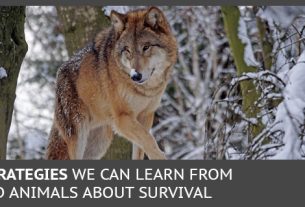
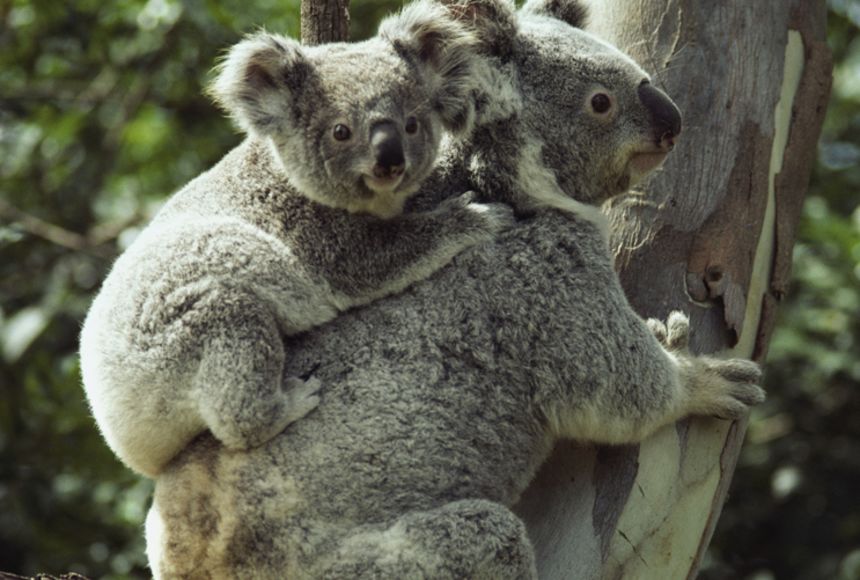
Wolves, elephants, dolphins, and many primate species demonstrate complex social structures that improve their chances of survival.
The Science Behind Animal Survival Strategies
Scientists studying animal survival often focus on how species interact with their environment.
Every ecosystem has a delicate balance between animals, plants, climate, and available resources. When one part changes, animals must respond.
Finding Food and Water
One of the biggest challenges animals face is obtaining enough food and water.
Different species have developed creative solutions.
Some animals migrate thousands of miles to reach seasonal food sources. Others store food for future use. Certain species become active at night to avoid competition or harsh daytime conditions.
For example, desert animals often adjust their behavior by resting during the hottest periods and searching for food when temperatures become safer.
Protection From Predators
Avoiding predators is another major survival challenge.
Animals use many techniques:
Camouflage helps them blend into their surroundings.
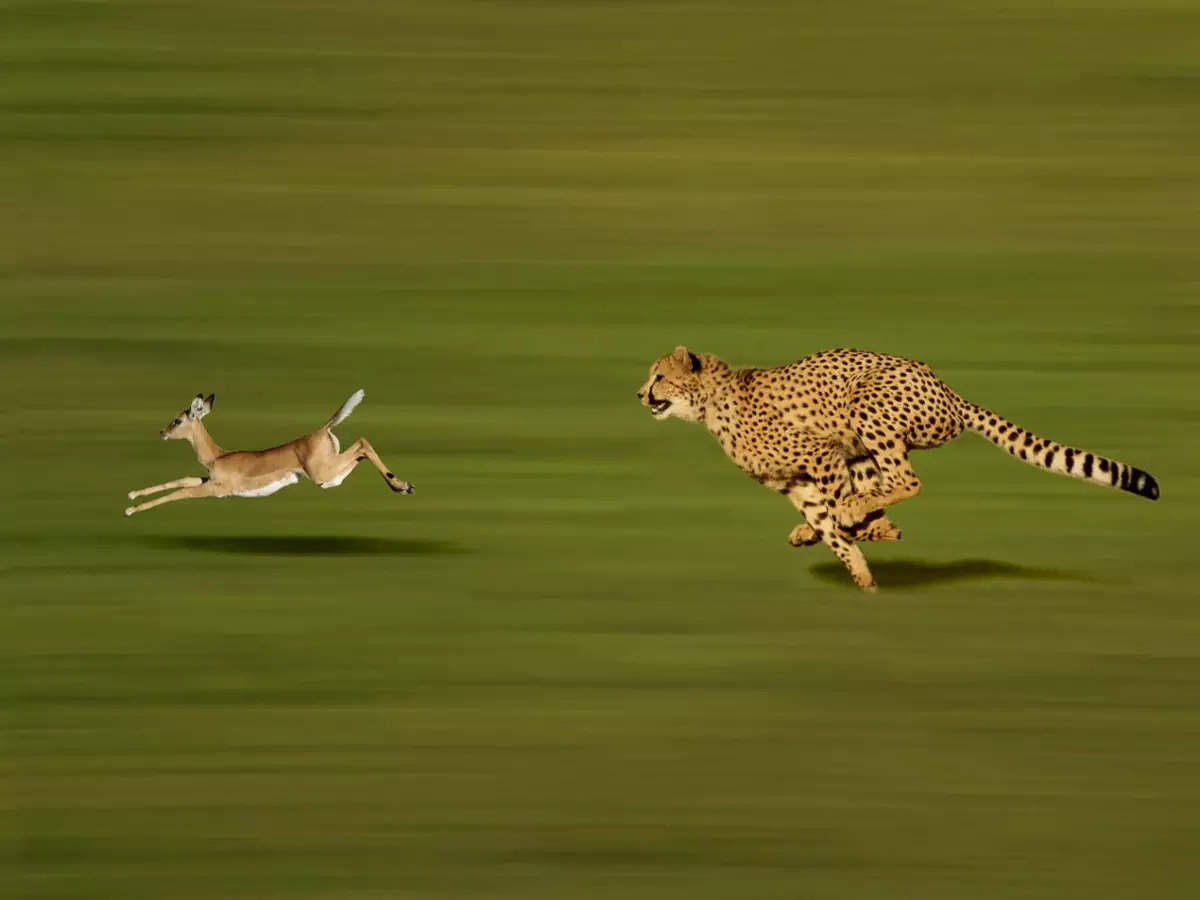
Speed allows some animals to escape quickly.
Protective body structures, such as shells or thick skin, provide defense.
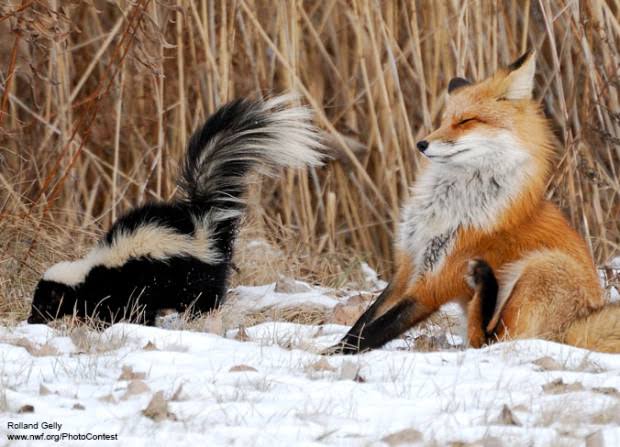
Some species use warning colors or sounds to communicate that they may be difficult to approach.
These strategies show the incredible diversity of nature’s solutions.
Amazing Examples of Animal Survival in Nature
Beavers: Ecosystem Engineers Creating New Habitats
Beavers are among the best examples of how animal survival can influence entire ecosystems.
Once reduced in number in parts of Europe because of hunting and environmental changes, beavers have returned to several areas through conservation efforts.
Their famous dam-building behavior does more than provide them with a safe home. Their dams create ponds and wetlands that benefit many other species.
By slowing water movement, beaver dams can help maintain healthier waterways. New wetland environments provide shelter for birds, amphibians, insects, and other wildlife.
The survival of beavers demonstrates that protecting one species can support the survival of many others.
Otters: Returning to Healthy Waterways
Otters are another inspiring example of animal recovery.
These semi-aquatic mammals depend on clean rivers and healthy ecosystems. In the past, pollution and habitat changes caused otter populations to decline in some regions.
As water quality improved and conservation programs expanded, otters began returning to areas where they had become rare.
Their comeback highlights the connection between environmental health and animal survival.
When rivers become healthier, many species benefit—not only otters but also fish, plants, birds, and other aquatic organisms.
Bison: A Symbol of Strength and Recovery
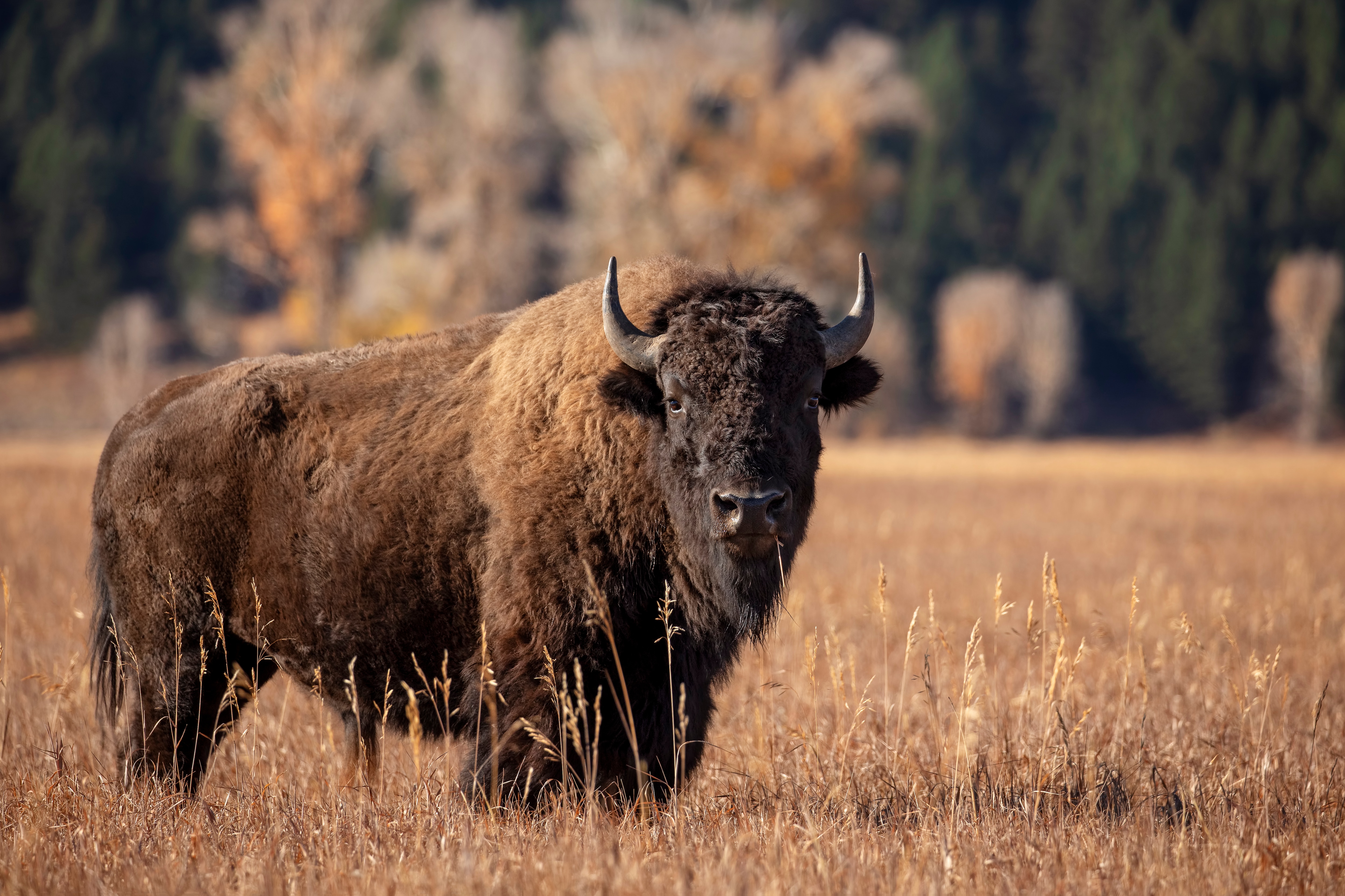
Bison represent one of the most powerful examples of wildlife resilience.
Large grazing mammals once covered wide areas of Europe and North America. However, changes in landscapes and human activities caused their populations to decline dramatically.
Conservation breeding programs helped support the return of some bison populations.
Today, these animals continue to remind us that species recovery is possible when humans invest in protecting habitats and restoring natural balance.
The survival journey of bison shows that even animals facing major challenges can find a path forward.
Pine Martens: Returning to Forest Homes
Pine martens are small but important forest animals.
These agile mammals depend on woodland environments. Habitat loss and historical pressures caused their numbers to decrease in some areas.
Through conservation actions and habitat protection, pine martens have gradually returned to parts of their former range.
Their story shows that animal survival is not always about size or strength. Sometimes survival depends on persistence, adaptability, and a suitable environment.
Animal Survival in Extreme Environments
Animals live in almost every environment on Earth, from frozen landscapes to tropical forests.
Each habitat creates unique survival challenges.
Desert Survival
Deserts are among the hardest places for animals to live.
Extreme heat, limited water, and scarce food require special adaptations.
Many desert animals survive by:
Reducing water loss
Finding shelter underground
Being active during cooler hours
Using efficient hunting or feeding methods
The ability of desert species to survive demonstrates how life can adapt even under difficult conditions.
Ocean Survival
The oceans contain some of the most fascinating examples of animal adaptation.
Marine animals must deal with pressure changes, movement through water, and finding food across huge spaces.
Whales migrate across oceans. Fish use specialized body shapes for swimming. Sea creatures develop unique communication systems to survive in underwater environments.
Ocean survival shows how different life strategies can evolve in completely different worlds.
The Role of Humans in Animal Survival
Human activities have a major influence on wildlife survival.
Habitat protection, responsible environmental management, and conservation programs can help species recover.
Protecting Habitats
Animals need suitable places to live.
Forests, wetlands, grasslands, and oceans provide food and shelter. Protecting these environments helps many species survive together.
Supporting Conservation Efforts
Wildlife organizations and scientists work to understand animal needs and develop strategies for protecting vulnerable species.
Conservation may include habitat restoration, scientific research, and community education.
Living Alongside Wildlife
Human communities and wildlife share the same planet.
Finding ways to coexist with animals helps create a healthier future for both nature and people.
Why Animal Survival Stories Inspire Us
Animal survival stories are powerful because they reveal the strength and flexibility of life.
A returning species reminds us that ecosystems can heal. A successful adaptation shows the creativity of evolution. A recovered population demonstrates the value of patience and protection.
These stories also teach important lessons about balance.
Animals do not survive alone. Every creature plays a role in the larger natural system. Protecting biodiversity means protecting the connections that keep ecosystems alive.
The Future of Animal Survival
The future of animal survival depends on how humans respond to environmental challenges.
Climate changes, habitat transformation, and ecosystem pressures continue to influence wildlife around the world.
However, nature has repeatedly shown remarkable ability to recover when given support.
By learning about animal behavior, protecting habitats, and respecting wildlife, humans can help create conditions where more species can thrive.
The story of survival is still being written every day across the planet.
Conclusion: The Remarkable Resilience of Wildlife
Animal survival is one of the greatest stories written by nature.
From beavers rebuilding wetlands to otters returning to cleaner rivers and bison recovering across landscapes, wildlife continues to demonstrate incredible adaptability and determination.
Every species has developed unique strategies to overcome challenges. Some rely on physical adaptations, others depend on intelligence, cooperation, or environmental changes.
Understanding animal survival helps us appreciate the complexity of life on Earth. It also reminds us that protecting nature is not only about saving individual animals—it is about maintaining the balance of entire ecosystems.
The future of wildlife depends on cooperation between humans and nature. When we support healthy environments, we give countless creatures the opportunity to continue their amazing survival journeys.
Sources
BBC Earth. “Amazing Animal Survival Stories.”
National Geographic Wildlife Research.
World Wildlife Fund (WWF) Conservation Resources.
International Union for Conservation of Nature (IUCN) Species Information.
Smithsonian National Museum of Natural History – Animal Adaptation Studies.