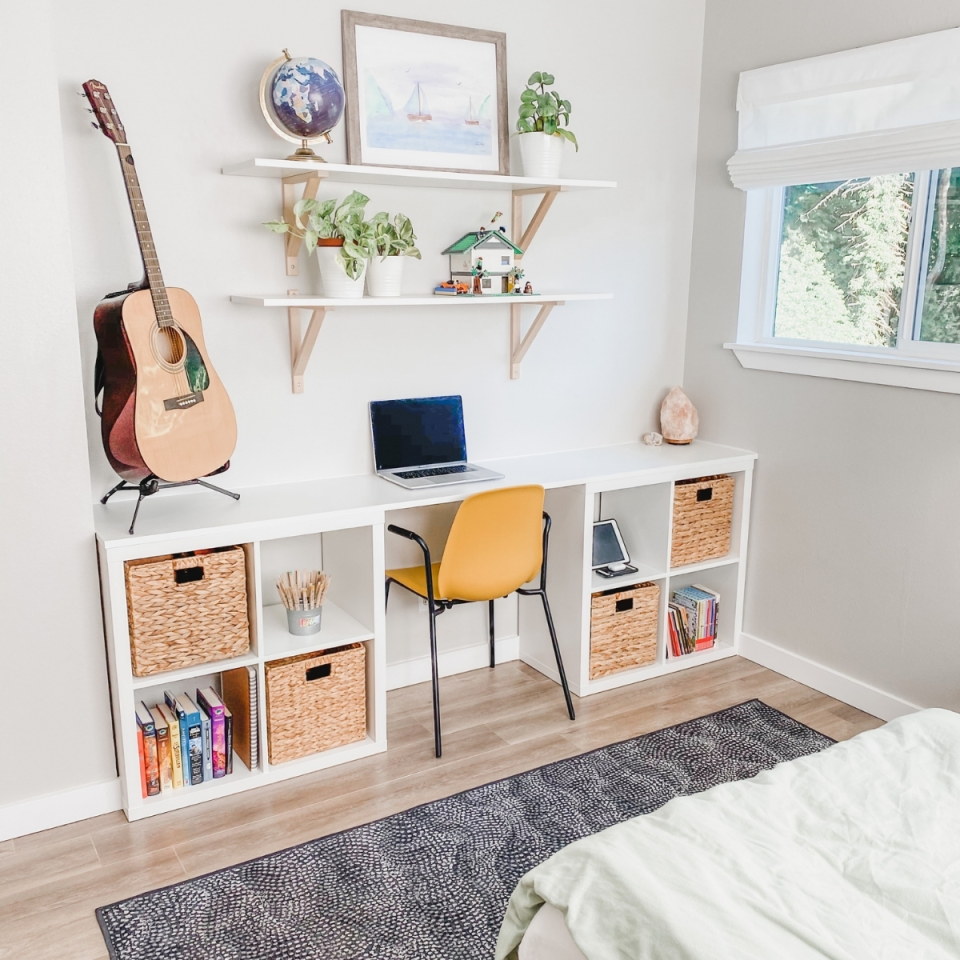
Simple living is not about giving up everything you own, moving to a remote cabin, or rejecting modern life. Instead, it is about creating a more intentional way of living where your time, energy, possessions, and attention are focused on what truly matters. In a world filled with constant notifications, endless choices, busy schedules, and the pressure to achieve more, many people are beginning to ask an important question:
“Is a complicated life really a better life?”
The answer has led many individuals toward a lifestyle known as simple living.
A simple lifestyle encourages people to remove unnecessary distractions, reduce physical and emotional clutter, and create more space for happiness, relationships, creativity, and personal growth.
Many people discover simple living after experiencing exhaustion, stress, or the feeling that life has become too overwhelming. By slowing down and making conscious choices, they begin to experience greater peace and freedom.
This article explores the true meaning of simple living, the benefits it provides, common misconceptions, and practical ways to start creating a simpler and more fulfilling life.
What Is Simple Living?
Simple living is a lifestyle focused on intentional choices, mindfulness, and prioritizing what brings genuine value to your life.
At its core, simple living means understanding the difference between what is essential and what is unnecessary.
It is about asking:
- What truly matters to me?
- How do I want to spend my time?
- What creates happiness and meaning in my life?
- What things or habits are creating unnecessary stress?
Simple living is not defined by the size of your home, the number of items you own, or whether you follow a specific lifestyle.
It is a mindset.
Someone living simply may own many valuable things but carefully chooses what enters their life. Another person may prefer minimal possessions and a very small lifestyle.
The goal is not having less for the sake of having less.
The goal is having more of what matters.
The Difference Between Simple Living and Minimalism
Simple living and minimalism are often discussed together because they share similar ideas, but they are not exactly the same.
Minimalism
Minimalism often focuses on reducing physical possessions and removing unnecessary items.
A minimalist approach may involve:
- Decluttering your home
- Owning fewer belongings
- Buying less
- Creating cleaner spaces
Simple Living
Simple living goes beyond possessions.
It focuses on creating balance in every area of life:
- How you spend your time
- How you manage your energy
- How you make decisions
- How you create relationships
- How you care for yourself
Minimalism can be one part of simple living, but simple living is a broader philosophy.
A person can live simply without owning only a few items. The most important factor is intentionality.
Why Simple Living Is Becoming More Popular
Modern society often encourages people to constantly consume, achieve, and compete.
Many people feel pressure to:
- Buy the newest products
- Work longer hours
- Stay constantly connected
- Follow social trends
- Accomplish more every day
Over time, this lifestyle can lead to:
- Stress
- Mental exhaustion
- Financial pressure
- Lack of free time
- Emotional burnout
Simple living offers another path.
It encourages people to slow down, reconnect with their values, and create a life that feels meaningful rather than simply busy.
A simpler lifestyle can help people feel more present, peaceful, and in control.

Benefits of Practicing Simple Living
1. Reduced Stress and Mental Clarity
One of the biggest benefits of simple living is a calmer mind.
Physical clutter and mental clutter are often connected. A crowded environment can create constant reminders of unfinished tasks and unnecessary responsibilities.
By simplifying your surroundings and commitments, you create more mental space.
A simpler lifestyle helps you:
- Focus better
- Make clearer decisions
- Feel less overwhelmed
- Enjoy daily moments
2. More Time for What Matters
Time is one of the most valuable resources in life.
Many people spend their days rushing from one responsibility to another without asking whether those activities truly align with their priorities.
Simple living encourages you to examine your schedule.
You may discover that some activities:
- Do not support your goals
- Create unnecessary pressure
- Take energy away from meaningful experiences
By removing what is unnecessary, you create more time for:
- Family
- Friends
- Hobbies
- Rest
- Personal growth
3. Greater Financial Freedom
Simple living can improve your relationship with money.
Instead of constantly buying things for temporary satisfaction, you begin to focus on value.
A simple lifestyle encourages:
- Conscious spending
- Saving money
- Buying quality products
- Avoiding unnecessary purchases
This does not mean you cannot enjoy nice things.
It means your purchases become intentional rather than automatic.
Financial freedom often comes from understanding that happiness does not depend on constant consumption.

How to Start Your Simple Living Journey
Step 1: Change Your Mindset
Before changing your home or schedule, begin by changing your perspective.
Ask yourself:
- What brings me real happiness?
- What activities give me energy?
- What responsibilities feel unnecessary?
- What kind of life do I want to create?
Simple living starts with awareness.
Many people spend years following expectations from society, family, or social media without considering whether those expectations match their personal values.
Your life should reflect what matters to you.
Step 2: Declutter Your Physical Space
A major step toward simple living is reducing unnecessary belongings.
Many people own things they rarely use, but keeping them creates hidden stress.
Start with small areas:
- A drawer
- A closet
- A bookshelf
- A workspace
Ask:
- Do I use this?
- Does this improve my life?
- Does this represent who I am now?
You do not need to remove everything.
The purpose of decluttering is to create a space that supports your lifestyle.
Step 3: Simplify Your Daily Routine
A simple lifestyle is also about how you spend each day.
A complicated routine can make life feel stressful.
Consider creating simple habits such as:
A Peaceful Morning Routine
Instead of immediately checking your phone, try:
- Drinking water
- Stretching
- Writing goals
- Enjoying quiet time
A Calm Evening Routine
Create time to:
- Reflect on your day
- Relax
- Prepare for tomorrow
- Disconnect from technology
Small routines create stability and balance.
Step 4: Reduce Digital Clutter
Technology provides many benefits, but constant digital stimulation can make life feel overwhelming.
Simple living includes creating healthier relationships with technology.
You can simplify your digital life by:
- Unsubscribing from unnecessary emails
- Limiting social media use
- Turning off unnecessary notifications
- Taking regular digital breaks
Protecting your attention is one of the most valuable forms of simplicity.
Step 5: Practice Mindful Consumption
Modern culture often encourages people to buy more.
Simple living asks you to pause before purchasing.
Before buying something, ask:
- Do I truly need this?
- Will this add value to my life?
- Am I buying this because I want it or because of outside influence?
Mindful consumption creates freedom from the constant desire for more.
Step 6: Create Space for Rest
Many people believe being busy means being successful.
However, rest is an essential part of a meaningful life.
Simple living recognizes that your worth is not determined by productivity.
Make room for:
- Sleep
- Relaxation
- Nature
- Quiet moments
- Personal reflection
A slower pace can create deeper appreciation for everyday experiences.

The Emotional Side of Simple Living
Simple living is not only about removing physical objects.
It also involves emotional simplicity.
This means learning to release:
- Unrealistic expectations
- Negative self-talk
- Unhealthy comparisons
- Fear of missing out
Many people discover that the biggest clutter exists inside the mind.
Emotional simplicity involves:
- Forgiving yourself
- Accepting imperfections
- Creating healthy boundaries
- Choosing peace over unnecessary conflict
A simpler inner world creates a calmer outer life.
Common Misunderstandings About Simple Living
Simple Living Does Not Mean a Perfect Life
A simple lifestyle does not remove all problems.
Everyone still experiences:
- Stress
- Challenges
- Responsibilities
- Difficult emotions
Simple living does not eliminate difficulties.
It helps you handle them with greater awareness.
Simple Living Does Not Mean Owning Nothing
You do not need to give away everything you own.
The goal is not emptiness.
The goal is intentionality.
Your belongings should support your life, not control it.
Simple Living Is Not Lazy Living
A simple life still requires effort.
It takes awareness to:
- Make thoughtful decisions
- Maintain healthy habits
- Protect your time
Simple living is about living consciously.
Simple Living Tips for Everyday Life
Here are practical ways to embrace a simpler lifestyle:
- Cook simple meals at home
- Spend more time outdoors
- Create a realistic schedule
- Say no when necessary
- Buy fewer but better items
- Organize your living space
- Spend quality time with loved ones
- Practice gratitude
- Reduce unnecessary commitments
- Focus on experiences rather than possessions
Small actions create meaningful changes.
Conclusion: Creating a Life With More Meaning
Simple living is not about having less of everything. It is about removing what distracts you so you can have more of what truly matters.
In a world that constantly encourages more consumption, more achievement, and more activity, choosing simplicity can be a powerful act of self-care.
A simple lifestyle allows you to focus on:
- Meaningful relationships
- Personal growth
- Peace of mind
- Health
- Happiness
The journey toward simple living does not happen overnight. It is a continuous process of understanding yourself, making intentional choices, and creating a life that feels authentic.
The greatest benefit of simplicity is not a cleaner home or a shorter to-do list.
It is the freedom to fully experience your own life.
Sources
- Simple living principles and intentional lifestyle concepts
- Minimalism and mindful living practices
- Personal development and well-being research