Reduce stress is an important part of maintaining a balanced and healthy lifestyle. Stress management is not about removing every challenge from life. Instead, it is about developing healthy habits that help the body and mind respond better to pressure.
Modern life moves faster than ever. Between work responsibilities, family commitments, financial concerns, social expectations, and constant digital distractions, many people experience stress every day. While a certain amount of stress can motivate us to take action and solve problems, ongoing stress can negatively affect both mental and physical health.
When stress becomes overwhelming, it may contribute to problems such as poor sleep, low energy, mood changes, difficulty concentrating, and unhealthy coping behaviors. Fortunately, simple daily practices such as physical activity, meditation, healthy eating, social connection, creative hobbies, and proper rest can help restore calm and improve overall wellness.
This article explores practical and science-supported ways to reduce stress naturally and create a healthier relationship with everyday challenges.

What Is Stress and How Does It Affect the Body?
Stress is the body’s natural response to situations that feel demanding or threatening. When you experience stress, your brain activates a survival mechanism known as the stress response. The body releases hormones such as cortisol and adrenaline, preparing you to react quickly.
This response can be useful in short situations, such as meeting a deadline or responding to danger. However, when stress continues for long periods, the body may remain in a state of constant alertness.
Chronic stress can affect:
- Sleep quality
- Emotional balance
- Energy levels
- Immune function
- Heart health
- Digestion
- Concentration and memory
Because stress influences many areas of life, finding healthy strategies to reduce stress can improve both emotional and physical well-being.
1. Stay Active to Reduce Stress Naturally
One of the most effective ways to reduce stress is through regular physical activity. Exercise does not need to be intense or complicated to create benefits. Even simple movements such as walking, gardening, cycling, stretching, or cleaning the house can support a healthier mood.
Physical activity encourages the release of endorphins, which are natural chemicals in the brain that help improve feelings of happiness and relaxation. Exercise also shifts attention away from stressful thoughts by focusing your mind on body movement.
For example, a short walk outdoors can provide several benefits:
- Clears the mind
- Improves mood
- Reduces muscle tension
- Supports better sleep
- Creates a mental break from daily worries
The goal is not perfection. The most important step is choosing activities that you enjoy and can maintain consistently.

2. Eat a Healthy Diet to Support Stress Management
Nutrition plays an important role in how the body responds to stress. A balanced diet gives your body the energy and nutrients needed to maintain emotional and physical balance.
Foods that support overall wellness include:
- Fresh fruits
- Vegetables
- Whole grains
- Lean proteins
- Healthy fats
When the body lacks proper nutrition, stress may feel more difficult to manage. Skipping meals or relying heavily on processed foods can lead to energy crashes and mood changes.
Certain habits may increase stress levels rather than reduce them. Excessive caffeine, alcohol, smoking, overeating, or unhealthy substances may provide temporary relief but can make stress worse over time.
A healthy eating routine is a simple but powerful way to support your ability to reduce stress every day.
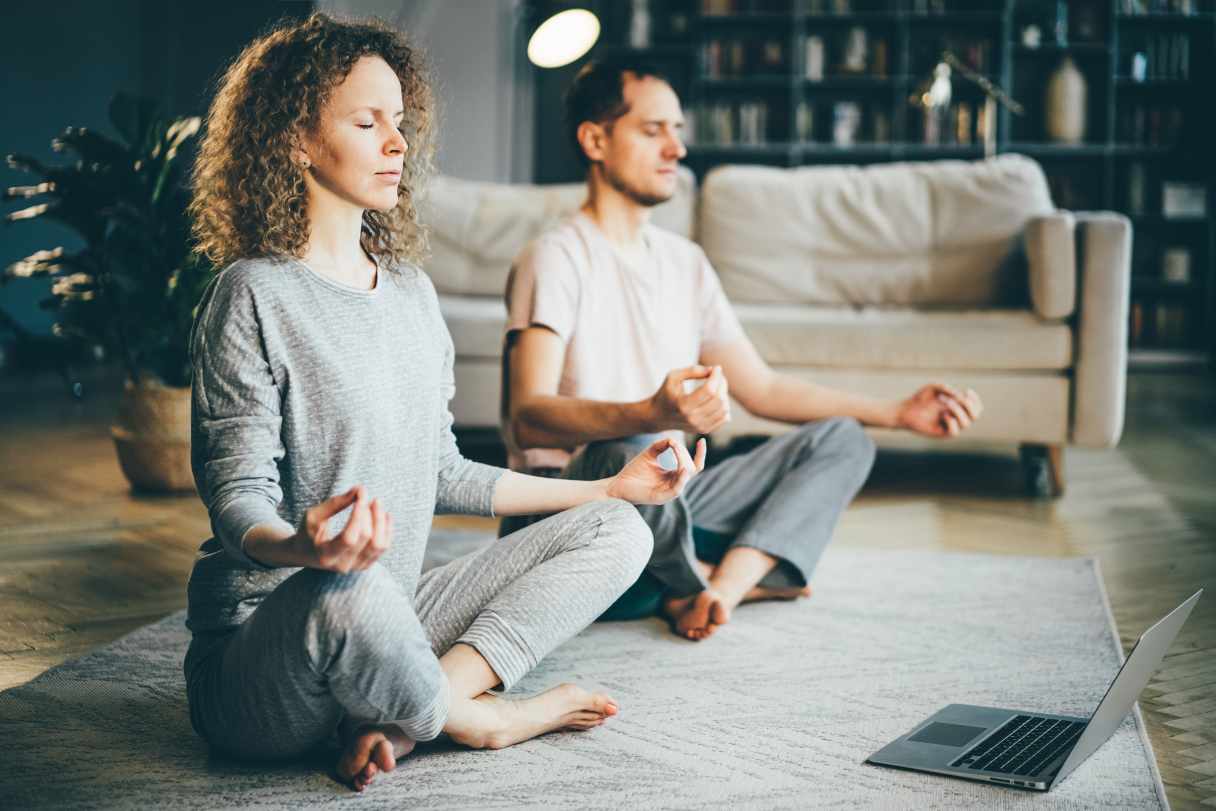
3. Practice Meditation and Mindfulness
Meditation is a powerful technique for calming the mind and reducing mental overload. During stressful moments, the mind often becomes crowded with worries, unfinished tasks, and negative thoughts.
Meditation helps by training your attention. Instead of being controlled by stressful thoughts, you learn to observe them calmly and return your focus to the present moment.
Different forms of meditation include:
Mindfulness Meditation
Mindfulness focuses on awareness of the present. It encourages you to notice your breathing, feelings, and surroundings without judgment.
Guided Meditation
Guided meditation uses instructions from a teacher, recording, or app to help you relax.
Visualization
Visualization involves imagining peaceful scenes or positive experiences to create a sense of calm.
Even a few minutes of deep breathing or quiet reflection can help lower tension and improve emotional control.
4. Use Laughter to Improve Your Mood
Laughter is a natural way to reduce stress and support emotional health. A genuine laugh can create positive physical changes in the body.
When you laugh, your body may experience:
- Reduced muscle tension
- Improved mood
- Increased feelings of connection
- Temporary relief from stressful thoughts
Watching a comedy, sharing jokes with friends, or spending time with people who make you smile can help lighten emotional pressure.
Even when you do not initially feel happy, intentionally finding moments of humor can gradually shift your mindset.
A positive sense of humor does not remove life’s problems, but it can make challenges feel easier to handle.
5. Connect With Others and Build Support
Social connection is one of the strongest tools for stress management. When people feel overwhelmed, they sometimes withdraw from others. However, isolation can make stress feel heavier.
Talking with trusted friends, family members, or supportive communities can provide comfort and perspective.
Healthy connections can:
- Reduce feelings of loneliness
- Provide emotional support
- Offer helpful advice
- Create positive distractions
Sometimes, simply having someone listen can make a significant difference.
You can strengthen connections through small actions:
- Meet a friend for coffee
- Call a family member
- Join a community activity
- Volunteer for a meaningful cause
Helping others can also improve your own sense of purpose and well-being.
6. Learn to Set Boundaries and Say No
Many people experience stress because they try to do everything for everyone. While being helpful is valuable, constantly ignoring your own needs can create emotional exhaustion.
Learning to set healthy boundaries is an important step to reduce stress.
Saying no does not mean you do not care. It means you recognize your limits and protect your energy.
Healthy boundaries can help prevent:
- Overcommitment
- Resentment
- Burnout
- Emotional frustration
Instead of automatically agreeing to every request, consider whether you truly have the time and energy.
Managing responsibilities realistically creates more balance and peace.

7. Try Yoga for Mind and Body Relaxation
Yoga combines movement, breathing, and mindfulness, making it a popular approach for stress relief.
Yoga encourages relaxation by connecting physical activity with mental awareness. Slow movements and controlled breathing can help calm the nervous system.
Benefits of yoga may include:
- Reduced tension
- Improved flexibility
- Better breathing habits
- Enhanced relaxation
- Greater body awareness
Gentle yoga styles are often especially helpful for beginners because they focus on slow movements and relaxation.
Practicing yoga regularly can become a valuable part of a long-term stress management routine.
8. Prioritize Quality Sleep
Sleep and stress are closely connected. When people experience stress, they may have difficulty falling asleep or staying asleep. At the same time, poor sleep can make stress feel stronger.
During sleep, the brain and body recover. Getting enough rest helps improve:
- Mood
- Focus
- Energy
- Emotional control
Most adults benefit from around seven to nine hours of sleep each night.
To support better sleep:
- Keep a consistent bedtime schedule
- Create a relaxing nighttime routine
- Reduce screen use before bed
- Keep your bedroom comfortable and quiet
- Avoid stimulating activities late at night
Improving sleep habits is one of the most effective ways to reduce stress naturally.
9. Write in a Journal to Release Stressful Thoughts
Writing can be a simple and effective emotional outlet. Keeping a journal allows you to express thoughts and feelings without judgment.
When stressful emotions stay inside, they may feel overwhelming. Writing helps organize thoughts and create mental clarity.
You can write about:
- Daily experiences
- Worries
- Goals
- Gratitude
- Personal reflections
There is no need to focus on grammar or perfection. The purpose is simply to release what is on your mind.
Many people find that journaling helps them understand their emotions and discover healthier ways to respond to stress.

10. Use Music and Creativity as Stress Relief
Creative activities can help shift attention away from stress and encourage relaxation.
Music is especially powerful because it can influence emotions and physical responses. Listening to calming music may help reduce tension and create a peaceful atmosphere.
Other creative activities include:
- Drawing
- Painting
- Gardening
- Reading
- Crafting
- Playing an instrument
Creative hobbies allow the mind to focus on the present moment rather than constantly thinking about problems.
The activity itself does not need to be impressive. The goal is enjoyment and relaxation.
11. Seek Professional Support When Needed
Sometimes stress becomes too difficult to manage alone. If stress interferes with daily activities, relationships, sleep, or work, professional support may be helpful.
Counselors and therapists can help identify sources of stress and develop healthier coping strategies.
Professional guidance may be useful when someone experiences:
- Constant worry
- Feeling overwhelmed
- Difficulty functioning daily
- Persistent emotional distress
Seeking help is a proactive step toward better mental health.
Daily Habits That Help Reduce Stress Long-Term
Managing stress is not only about quick solutions during difficult moments. Long-term habits create stronger emotional resilience.
Simple daily practices include:
- Moving your body regularly
- Eating nourishing foods
- Taking breaks from technology
- Spending time outdoors
- Practicing gratitude
- Maintaining supportive relationships
- Creating time for relaxation
Small improvements repeated consistently can create meaningful changes over time.
Conclusion: Create a Calmer and Healthier Life
Learning how to reduce stress is one of the most valuable steps toward improving overall well-being. Stress is a natural part of life, but it does not have to control your emotions, health, or daily experiences.
Healthy strategies such as exercise, meditation, proper nutrition, quality sleep, social connection, creativity, and professional support can help restore balance.
The most effective approach is not a single solution but a combination of habits that support both the body and mind. By making small, positive changes every day, you can build greater resilience and create a calmer, healthier lifestyle.
Stress may always be part of life, but with the right tools, you can learn to manage it and move forward with greater confidence and peace.
Sources
- Mayo Clinic – Stress relievers: Tips to tame stress
- National Institute of Mental Health – Stress and Mental Health
- American Psychological Association – Stress Management Resources