Animal survival is not simply about strength or size. Many creatures survive because they understand their environment, conserve energy, prepare for difficult conditions, and make smart decisions. A tiny squirrel can survive harsh winters by storing food, while a wolf can endure freezing landscapes through teamwork and adaptation. These behaviors reveal important lessons about resilience and preparation.
In the natural world, survival is never guaranteed. Every animal, from the smallest insects to the largest predators, faces daily challenges that test its ability to adapt, find resources, and avoid danger. Unlike humans who often depend on modern technology, shelters, and convenient access to food and water, wild animals rely on instincts and survival strategies developed over millions of years.
By observing wildlife, humans can discover practical survival principles that apply not only in wilderness situations but also in everyday life. Animals demonstrate that successful survival often depends on awareness, patience, efficiency, and the ability to adapt when circumstances change.
Here are five powerful animal survival strategies that humans can learn from the natural world.
1. Animals Use Natural Insulation to Survive Extreme Cold
One of the most important aspects of animal survival is maintaining body temperature. Cold environments can be dangerous because animals must constantly protect themselves from losing heat.
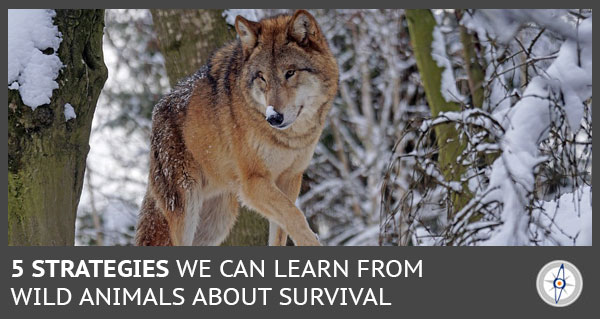
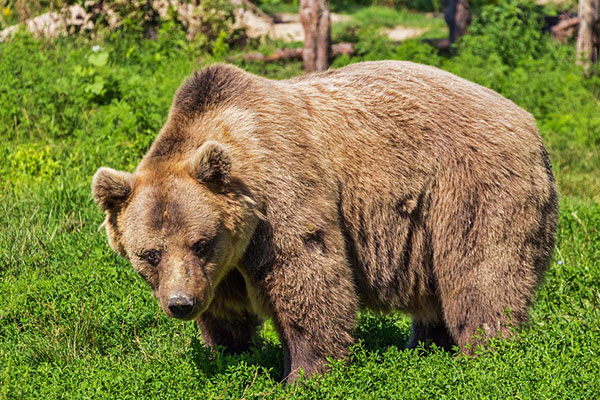
Many mammals have developed natural insulation systems that allow them to survive freezing temperatures. Wolves, bears, deer, and other cold-weather animals rely on thick fur that traps warm air close to their bodies. This layer acts like a protective barrier against wind, snow, and freezing conditions.
Animals living in colder climates also benefit from body fat, seasonal coats, and specialized behaviors. For example, some species grow thicker fur during winter months, giving them additional protection when temperatures drop.
However, not every animal has enough natural insulation. Smaller creatures lose heat much faster because their bodies have a higher surface-area-to-volume ratio. To solve this problem, they often create extra protection by finding sheltered locations.
Many small mammals hide in:
- Underground burrows
- Hollow trees
- Dense vegetation
- Piles of leaves or natural debris
These shelters provide another layer of insulation and reduce exposure to cold winds.
Humans can apply the same lesson from animal survival by focusing on heat conservation. In a survival situation, staying warm is often more important than generating heat. People can create insulation by wearing multiple clothing layers, protecting themselves from wind, and using natural materials around them.
Dry leaves, grass, and other materials can help create barriers that slow down heat loss. A simple shelter filled with insulating materials can significantly improve survival chances during cold weather.
The lesson from animals is clear: surviving cold conditions is not about fighting nature but about creating protection against it.
2. Animals Reduce Heat Loss by Changing Their Body Position
Another fascinating animal survival strategy is the ability to control how much body heat is lost to the environment.
Warm-blooded animals produce heat internally, but that heat naturally escapes when temperatures are low. The more body surface exposed to cold air, the faster an animal loses warmth.
Many animals instinctively reduce their exposed surface area when they need to stay warm.
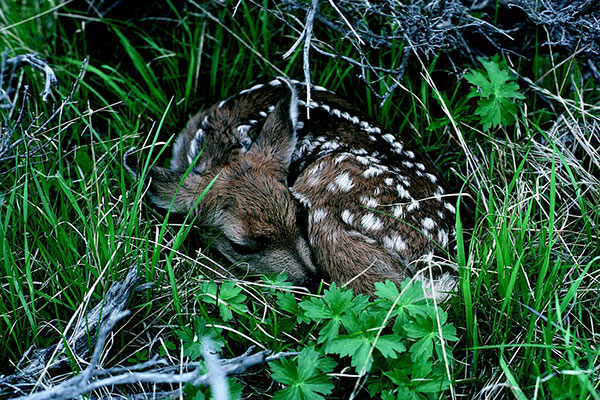
Domestic pets provide an easy example. When cats or dogs feel cold, they often curl into a compact position while resting. By bringing their legs closer to their bodies and reducing exposed areas, they slow down heat loss.
Wild animals use the same technique.
A fox sleeping in the snow, a small mammal hiding inside vegetation, or a bird resting with feathers raised are all examples of animals using body positioning to survive.
Humans can learn from this behavior. During cold conditions, reducing exposed body surface can help preserve warmth.
A person can:
- Sit instead of standing
- Pull knees toward the chest
- Keep arms close to the body
- Avoid unnecessary movement
This position helps the body retain heat longer.
Animal survival teaches another important principle here: energy should be protected.
In the wilderness, calories are valuable. Every unnecessary movement consumes energy that may be needed later. Animals do not waste energy without purpose, and humans can benefit from adopting the same mindset.
Survival is often a balance between action and conservation. Knowing when to move and when to rest can make a major difference.
3. Animals Store Food Before Difficult Times Arrive
Food availability in nature is unpredictable. Some days provide abundant resources, while other days offer almost nothing. Because of this uncertainty, many animals have developed impressive methods of food storage.
This is one of the most valuable lessons from animal survival.
Squirrels are among the best-known examples. During seasons when nuts are plentiful, squirrels collect and hide food in different locations. These stored supplies help them survive when winter removes many available food sources.
Other animals follow similar strategies.
Birds store seeds. Some insects collect food for their colonies. Certain predators hide leftover prey to return to later.
These behaviors reveal an important survival principle: preparation during good times creates security during difficult times.
For humans facing wilderness challenges, food storage can become essential when resources are limited. If someone discovers a reliable food source, saving part of it for later may increase their chances of survival.
Traditional human survival methods include:
- Drying fruits and plants
- Preserving meat
- Protecting food from moisture
- Keeping supplies away from predators
Animals also demonstrate the importance of planning ahead. A squirrel does not wait until winter arrives before thinking about food. It prepares long before conditions become difficult.
This principle applies beyond wilderness survival. Preparation, organization, and foresight are skills that improve resilience in many situations.
The natural world shows that those who prepare early have a better chance of overcoming uncertainty.

4. Animals Adapt Their Behavior to Avoid Extreme Weather
Survival does not always require fighting against harsh conditions. Many animals survive by changing their behavior according to the environment.
Temperature extremes create serious challenges. High heat can lead to dehydration, exhaustion, and loss of energy. Cold conditions can increase the risk of freezing and weakness.
Many animals avoid these problems by changing when they are active.
During hot weather, numerous species reduce daytime activity and become more active during cooler periods. Desert animals often move at night or during early morning hours when temperatures are lower.
Some animals, including foxes and certain reptiles, adjust their schedules to avoid the hottest part of the day.
This strategy improves animal survival because it reduces water loss and prevents overheating.
Humans can use the same approach. In hot environments, it is often smarter to:
- Travel during cooler hours
- Rest during extreme heat
- Stay in shaded areas
- Avoid unnecessary physical effort
The opposite strategy works in cold environments. Animals seek shelter during freezing periods and wait for safer conditions before moving.
This teaches an important survival lesson: adaptation is often more powerful than resistance.
Animals do not attempt to control the weather. Instead, they adjust their behavior to survive within changing conditions.
5. Animals Travel With Purpose and Avoid Unnecessary Risks
One of the most overlooked lessons in animal survival is purposeful movement.
Every movement in the wild carries potential danger. A wrong step can lead to injury, exposure, or encounters with predators.
Wild animals understand this risk.
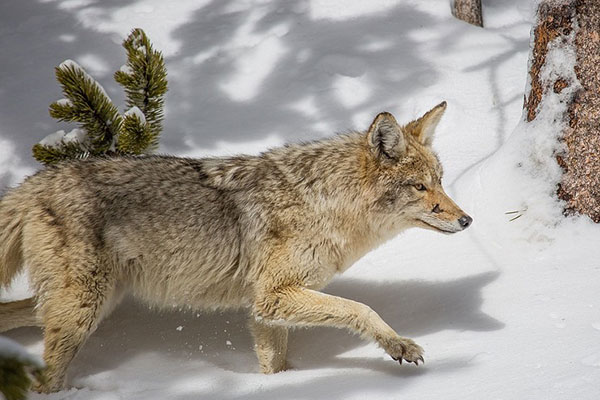
A deer does not wander randomly through dangerous areas. A wolf does not waste energy traveling without a reason. Many wild creatures move directly between important locations such as food sources, water, and shelter.
Their movements are efficient and deliberate.
This behavior is very different from many domestic animals, which may explore simply because they are curious.
Wild animals survive because they understand that unnecessary actions create unnecessary risks.
Humans in survival situations can benefit from the same approach.
Every step requires energy. Moving without a clear purpose can lead to:
- Faster exhaustion
- Increased calorie loss
- Higher chances of injury
- Greater exposure to threats
A simple injury, such as a damaged ankle, can become extremely dangerous far away from civilization.
Animal survival teaches humans to think carefully before acting. Staying near shelter, planning routes, and avoiding unnecessary movement can greatly improve safety.
The smartest survival decision is not always the biggest action. Sometimes, the best choice is knowing when not to move.
More Lessons We Can Learn From Animal Survival
The five strategies above represent only a small part of what wildlife can teach us. Animals have developed countless adaptations that demonstrate intelligence and resilience.
Cooperation and Teamwork
Many species survive because they work together. Wolves hunt in groups, elephants protect younger members, and birds migrate together.
Teamwork increases protection and improves access to resources.
Humans can apply the same principle by cooperating and sharing knowledge during difficult situations.
Observation and Awareness
Animals constantly monitor their surroundings. They recognize danger, notice changes in weather, and respond quickly to threats.
Awareness is a major part of survival. Paying attention to the environment can prevent many problems before they happen.
Patience and Timing
Predators often wait for the right moment instead of acting immediately. This shows that patience can be a survival advantage.
Sometimes the best strategy is observation and careful timing rather than immediate action.
Conclusion: Animal Survival Lessons for a Changing World
The natural world provides countless examples of adaptation and resilience. Animals survive because they understand their environment and use strategies that conserve energy, protect resources, and reduce unnecessary risks.
The five animal survival strategies we explored—using insulation, reducing heat loss, storing food, adapting activity patterns, and moving with purpose—show that survival depends on smart decisions rather than simple strength.
Wild creatures remind humans that preparation, awareness, and flexibility are essential qualities. Even in a modern world filled with technology, the lessons found in nature remain valuable.
Animal survival is a powerful reminder that every species has developed unique ways to overcome challenges. By studying wildlife, humans can better understand how to prepare, adapt, and thrive when facing uncertainty.
Nature is not only a place filled with animals—it is a living guide to survival.