The mystery of wildlife is not created by what we know, but by what we still cannot explain. Deep inside forests, wetlands, mountains, and oceans exists a world that continues to surprise humanity. It is a world filled with complex relationships, invisible communication, ancient instincts, and behaviors that often remain beyond our complete understanding.
When we observe wildlife, we are not simply watching animals move through their environment. We are witnessing living beings with their own societies, survival strategies, emotions, and mysteries that have developed over thousands or even millions of years.
A bird flying across the sky, a wolf moving silently through the forest, or a bear leaving footprints near a riverbank may seem like ordinary moments. Yet each encounter reveals a reminder that nature operates according to rules far older than human civilization.
Modern science has helped us understand countless aspects of animal behavior. Researchers track migrations, study communication, monitor populations, and analyze ecosystems with advanced technology. However, even with all this knowledge, wild creatures continue to surprise us.
Their world remains a place where curiosity, respect, and wonder are essential.

The Beauty of Watching Wildlife in Its Natural Environment
For many people, observing animals in nature creates a sense of peace that is difficult to find elsewhere.
Imagine standing near a quiet wetland as migrating birds arrive from distant continents. Some birds have traveled thousands of miles, crossing oceans and landscapes to reach their seasonal homes. Others stop briefly before continuing toward northern breeding grounds.
From a distance, these animals appear to move with perfect purpose. They search for food, communicate with one another, protect their families, and respond to changes in their surroundings.
This creates a fascinating question:
How much do we truly understand about what is happening in front of us?
A group of cranes may appear to simply search for food, but their actions may involve social rules, competition, family bonds, or communication signals invisible to human observers.
Wildlife observation reminds us that animals are not just background characters in nature. They are active participants in ecosystems, each playing a role in maintaining balance.
Wildlife Behavior: A Complex Language We Are Still Learning
Animals communicate constantly.
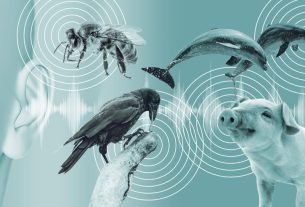
They use sounds, body movements, scents, colors, and behaviors to interact with the world around them. Scientists have discovered many examples of animal communication, yet countless mysteries remain.
Bird calls, for example, are far more than simple noises. Different sounds can warn others of danger, attract mates, establish territory, or maintain social connections.
Marine mammals use complex vocalizations that may travel across enormous distances underwater. Wolves communicate through howls that can strengthen social bonds and coordinate movement.
Even seemingly simple actions may have deeper meanings.
A sudden change in movement, a defensive posture, or a specific sound may represent information that humans cannot easily interpret.
This is one reason wildlife remains fascinating. Animals live in a world rich with signals, relationships, and interactions that we are only beginning to understand.

How Science Reveals the Secret Lives of Animals
The mystery of wildlife still holds many secrets, but modern science has dramatically expanded our knowledge.
Researchers now use advanced tools to study animals in ways that were impossible generations ago.
Satellite Tracking and Animal Migration
Satellite technology allows scientists to follow animal movements across continents.
Migrating birds can be tracked during journeys spanning thousands of miles. Marine animals can be monitored as they travel through oceans. Large mammals can be studied as they move between habitats.
These discoveries help researchers understand:
- Migration patterns
- Habitat requirements
- Population changes
- Environmental threats
Such information is essential for protecting endangered species and preserving ecosystems.
Remote Cameras and Hidden Wildlife
Many animals avoid humans, making direct observation difficult.
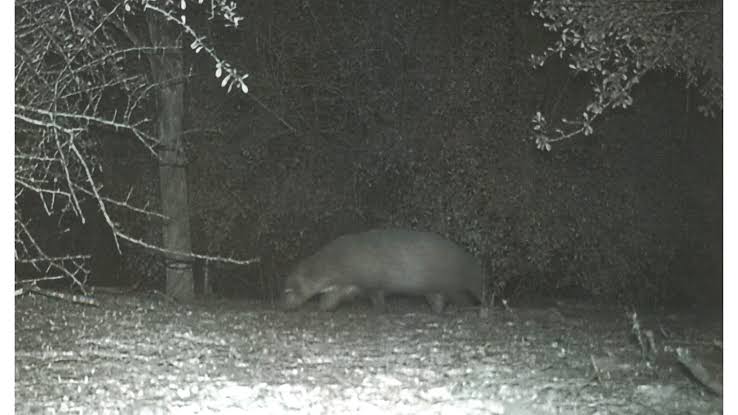
Remote cameras placed in forests and mountains allow scientists to observe animals without disturbing their natural behavior.
These cameras have captured rare moments:
- Predators hunting
- Animals caring for offspring
- Unexpected interactions between species
- Previously unknown behaviors
Each discovery adds another piece to the enormous puzzle of wildlife.
Citizen Scientists and Public Discoveries
Wildlife research is no longer limited to professional scientists.
Today, ordinary people contribute valuable observations through photography, recordings, and species identification tools.
A person hiking through a forest or watching birds from their backyard may record information that helps researchers understand population trends.
This connection between scientists and nature enthusiasts creates a larger global effort to protect wildlife.
The Human Influence on the Wild World
Although wildlife exists independently from humans, human activities have changed the natural world in many ways.
Land development, climate change, pollution, and resource use influence animal populations and habitats.
Because of these challenges, wildlife management has become an important part of conservation.
Governments and conservation organizations monitor animal populations, protect habitats, and create strategies to prevent species decline.
These efforts have helped many animals recover from serious threats.
However, wildlife management also raises difficult questions.
When humans actively control animal populations, are we protecting nature or changing it?
Can Managed Wildlife Still Be Truly Wild?
One of the greatest mysteries of conservation is understanding what it means for an animal to be “wild.”
A wild animal is often viewed as a symbol of freedom — independent, unpredictable, and shaped by natural forces.
But modern wildlife populations are sometimes influenced by human decisions.
Scientists may determine population goals, regulate hunting, restore habitats, or introduce conservation programs.
These actions can protect ecosystems, but they also create a philosophical question:
At what point does human involvement change the nature of wildness itself?
There is no simple answer.
Wildlife management exists because human impact has already transformed many environments. Without intervention, some species might face severe decline or extinction.
Yet even with careful management, nature remains far more complicated than any human system can fully control.
The Limits of Human Knowledge
Science is powerful, but it has boundaries.
Researchers can collect enormous amounts of data, create detailed models, and predict possible outcomes. However, ecosystems are incredibly complex.
A small change in one area can create unexpected effects elsewhere.
An animal population may increase or decrease due to factors that scientists did not anticipate. Weather patterns, food availability, disease, competition, and countless other influences interact in ways that are difficult to predict.
This uncertainty is not a failure of science.
Instead, it reveals the incredible complexity of life on Earth.
Nature is not a machine with simple instructions. It is a living network of relationships.
Why Mystery Makes Wildlife More Meaningful
Some people believe that science removes the mystery from nature.
But understanding animals does not make them less fascinating.
Knowing that birds migrate thousands of miles using remarkable navigation abilities does not make their journey ordinary. Understanding animal communication does not make their social lives less impressive.
In many ways, knowledge creates deeper appreciation.
The more we discover, the more we realize how much remains unknown.
A wild animal is not valuable only because we can measure it. Its value also comes from its existence, its uniqueness, and its role in the natural world.
A Moment of Connection: When Nature Surprises Us
Sometimes a simple encounter reveals the power of wildlife.
A person watching birds may notice two animals behaving differently toward a newcomer. They may observe warnings, tension, and communication before everything suddenly returns to normal.
To the observer, the event may seem mysterious.
Why did the animals react that way?
What information passed between them?
What decision was made?
These moments remind us that animals have their own experiences and perspectives.
We may never fully understand every detail, but witnessing these events creates a connection with the natural world.
Protecting Wildlife While Respecting Its Mystery
Conservation is not only about numbers, statistics, and scientific reports.
It is also about recognizing the wonder of living creatures.
Protecting wildlife requires both knowledge and humility.
Science helps us make informed decisions. Research helps us identify threats. Technology helps us monitor ecosystems.
But respect for nature reminds us that animals are not merely resources or measurements.
They are living beings sharing the planet with us.
The future of wildlife depends on finding balance — using human knowledge while respecting the mysteries that remain.
Conclusion: The Endless Wonder of Wild Animals
The world of wildlife is a place of beauty, complexity, and unanswered questions.
Every animal carries a history shaped by evolution, survival, and adaptation. Every behavior represents a small part of a larger story that humans are still trying to understand.
Modern science has revealed incredible secrets about animals, but it has also shown us the limits of our knowledge.
Perhaps that is what makes wildlife so powerful.
The mystery is not something to eliminate. It is something to appreciate.
When we stand quietly in nature and observe wild creatures living their lives, we are reminded that the planet is much larger than human concerns.
Wild animals continue to teach us curiosity, patience, and respect.
And beyond all the data and discoveries, one truth remains:
Nature will always have secrets waiting to be explored.
Sources
- High Country News – Essays and reporting on wildlife, conservation, and environmental issues.
- Wildlife research organizations and ecological studies on animal behavior, migration, and habitat conservation.
- Conservation science publications discussing biodiversity and human relationships with nature.