
Egg facts, explains the science behind eggs, debunks common myths, and offers practical tips for choosing, storing, and cooking eggs safely. Whether you’re a home cook, nutrition enthusiast, or simply curious about one of the world’s favorite foods, you’ll discover plenty of surprising information.
Eggs have earned their reputation as one of nature’s most complete foods. Whether scrambled for breakfast, poached for brunch, baked into cakes, or added to salads, eggs are enjoyed in nearly every culture around the world. Rich in protein, vitamins, and healthy fats, they are affordable, versatile, and remarkably nutritious.
But beyond their familiar place in the kitchen, eggs are packed with fascinating stories. Did you know a hen needs more than 24 hours to produce a single egg? Or that eggshell color has absolutely nothing to do with nutritional quality? Even the tiny white strand attached to the yolk has an important purpose.
What Makes Eggs So Special?
Eggs are often called “nature’s perfect package” because they contain almost everything needed to develop a chick. Even though the eggs we eat are unfertilized, they still provide an impressive balance of nutrients.
A standard large chicken egg contains approximately:
- Around 70 calories
- About 6 grams of high-quality protein
- Around 5 grams of healthy fat
- Vitamin D
- Vitamin B12
- Riboflavin
- Selenium
- Choline
- Lutein
- Zeaxanthin
The protein found in eggs contains all nine essential amino acids, making it one of the highest-quality protein sources available.
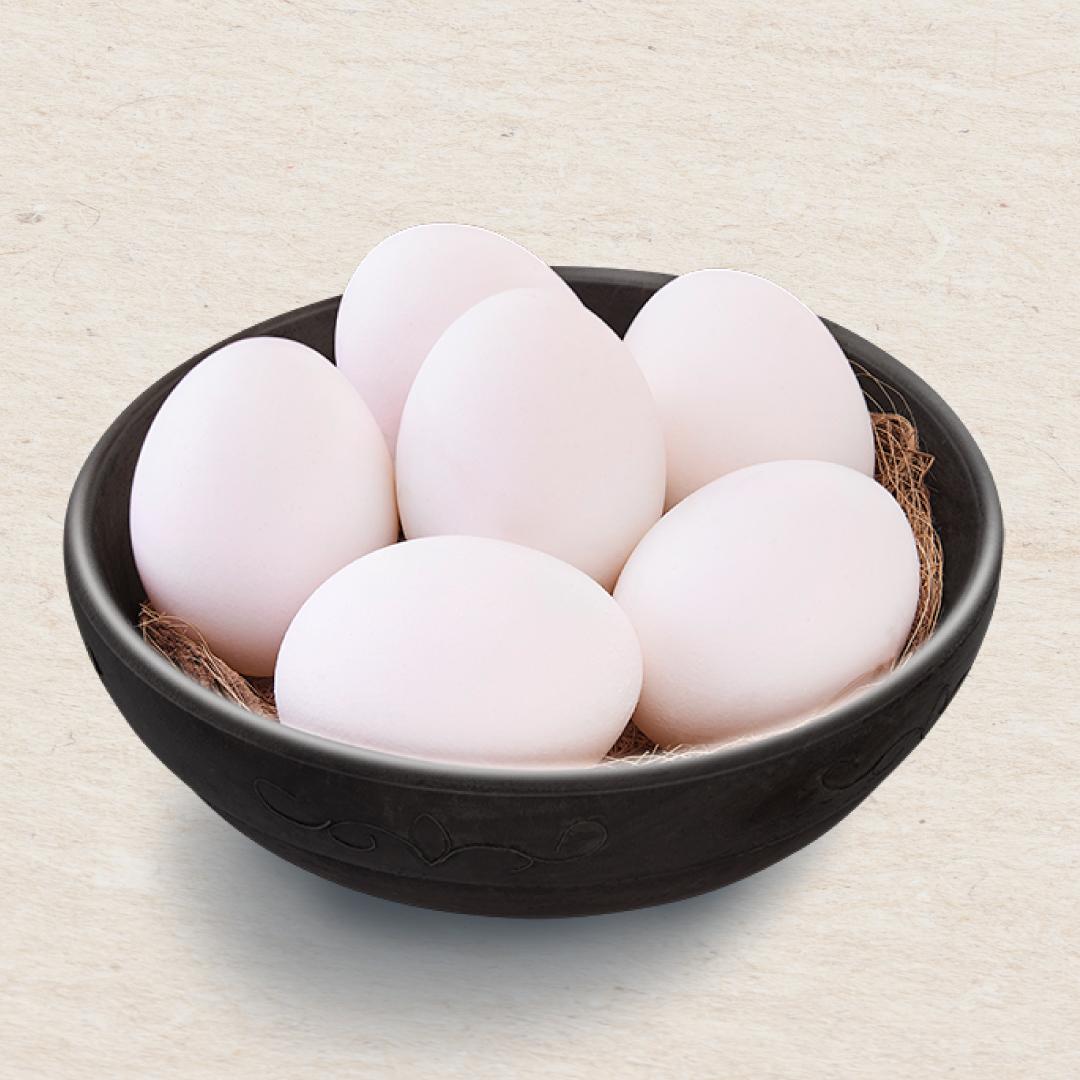
1. It Takes More Than 24 Hours for a Hen to Produce One Egg
One of the most fascinating egg facts is how long production actually takes.
A healthy laying hen usually requires between 24 and 26 hours to produce a single egg. After laying one egg, the reproductive cycle begins again, often within about 30 minutes.
This explains why hens gradually lay eggs later each day and occasionally skip a day altogether.
2. Hens Develop Multiple Eggs at the Same Time
Although a hen lays only one egg at a time, several eggs are actually developing inside her reproductive system simultaneously.
Each egg is at a different stage of development, allowing healthy hens to maintain a regular laying schedule during peak production.
3. Eggshell Color Doesn’t Affect Nutrition
Many shoppers assume brown eggs are healthier than white eggs.
This is simply not true.
The shell color depends entirely on the breed of the hen.
Examples include:
- White Leghorns produce white eggs
- Rhode Island Reds produce brown eggs
- Ameraucanas produce blue eggs
- Olive Eggers produce green eggs
Inside, the nutritional differences are minimal.
4. Brown Eggs Often Cost More—But Not Because They’re Better
Brown eggs usually carry a higher price because the hens that lay them are generally larger.
Larger birds consume more feed, increasing production costs.
The higher price reflects farming economics rather than nutritional superiority.
5. The Color of the Yolk Depends on Diet
Bright orange yolks often look healthier, but color mainly reflects what the hen eats.
Feeds rich in:
- Marigold petals
- Alfalfa
- Grass
- Corn
- Natural carotenoids
produce darker yolks.
Pale yellow yolks usually come from wheat- or grain-based diets.
Both can be equally nutritious.
6. Eggs Are One of the Best Protein Sources
Protein quality is measured by how efficiently the body uses amino acids.
Egg protein consistently ranks among the highest-quality proteins available.
Benefits include:
- Muscle maintenance
- Tissue repair
- Immune support
- Hormone production
- Healthy metabolism
Athletes and active individuals frequently include eggs in balanced diets because of their excellent amino acid profile.
7. Cooked Eggs Provide More Usable Protein Than Raw Eggs
Contrary to old bodybuilding myths, drinking raw eggs isn’t the best way to maximize protein intake.
Research shows:
- Raw eggs: approximately 51% of protein is digestible.
- Cooked eggs: approximately 91% digestible.
Cooking also lowers the risk of foodborne illness.
8. Eggs Are Rich in Choline
Choline is one of the lesser-known nutrients found in eggs.
It supports:
- Brain development
- Memory
- Liver function
- Healthy nervous system
Egg yolks are among the richest dietary sources of choline.
9. Eggs Naturally Contain Vitamin D
Very few foods naturally contain vitamin D.
Egg yolks provide a modest amount of this important vitamin, which helps maintain:
- Healthy bones
- Calcium absorption
- Muscle function
- Immune health
10. Fresh Eggs Sink in Water
One of the oldest kitchen tricks is the water test.
Simply place an egg in a bowl of cold water.
Results:
- Sinks flat: very fresh
- Sinks but stands upright: older but still edible
- Floats: likely spoiled
As eggs age, their internal air cell becomes larger, causing them to float.
11. Older Eggs Peel More Easily
Fresh eggs are delicious, but they’re surprisingly difficult to peel after boiling.
Older eggs lose moisture and develop larger air pockets, making shell removal much easier.
Many chefs intentionally use eggs that are one to two weeks old for hard-boiled recipes.
12. Cloudy Egg Whites Mean Freshness
Many people worry when they crack open an egg and see cloudy whites.
In fact, cloudy whites are usually a sign of freshness.
Fresh eggs still contain dissolved carbon dioxide that hasn’t escaped through the shell.
As eggs age, the whites gradually become clearer.
13. The Chalaza Keeps the Yolk Centered
Those small white twisted strands attached to the yolk have a name:
Chalaza.
They act like tiny anchors, keeping the yolk suspended in the center of the egg.
They’re completely edible and often indicate a fresh egg.
14. The Spin Test Can Identify Hard-Boiled Eggs
Want to know whether an egg is raw or cooked?
Spin it on a flat surface.
- Hard-boiled eggs spin smoothly.
- Raw eggs wobble because the liquid inside continues moving.
It’s one of the easiest kitchen tricks.
15. Not All Chickens Lay Eggs Every Day
Egg production depends on:
- Breed
- Age
- Nutrition
- Daylight hours
- Weather
- Overall health
Highly productive breeds may lay nearly one egg daily, while heritage breeds produce fewer eggs annually.
16. Chickens Lay More Eggs Than Ducks or Turkeys
People often wonder why chicken eggs dominate grocery stores.
Reasons include:
- Higher laying frequency
- Smaller housing requirements
- Lower production costs
- Easier egg collection
- More efficient commercial farming
These advantages make chickens the preferred egg-producing poultry worldwide.
17. Eggshells Are Surprisingly Strong
Although eggs seem fragile, their shells are engineering marvels.
Made mostly from calcium carbonate, a shell contains thousands of microscopic pores that allow oxygen and moisture exchange while protecting the developing chick.
The dome-shaped structure also distributes pressure effectively.
18. Eggs Can Absorb Refrigerator Odors
Because eggshells contain tiny pores, eggs may absorb strong smells from foods stored nearby.
For this reason:
- Keep eggs in their original carton.
- Store them away from onions, garlic, and pungent cheeses.
The carton also helps reduce moisture loss.
19. Refrigeration Extends Shelf Life
Keeping eggs refrigerated slows bacterial growth and helps maintain freshness.
Avoid storing eggs in the refrigerator door because temperatures fluctuate whenever the door opens.
Instead, place them on an interior shelf where temperatures remain more consistent.
20. Iowa Leads U.S. Egg Production
Among American states, Iowa consistently produces the largest number of eggs annually.
Its large-scale commercial farms produce billions of eggs each year, supplying supermarkets, restaurants, and food manufacturers across the country.
Ohio also ranks among the nation’s leading egg producers.
21. Chef Hats Traditionally Represent Egg Cooking Skills
One charming culinary tradition claims that the pleats on a chef’s hat symbolize the number of ways a chef can cook an egg.
Although historians debate whether this tradition is entirely accurate, it highlights the egg’s importance in classical culinary education.
22. Eggs Are Incredibly Versatile in Cooking
Eggs perform many functions beyond breakfast.
They can:
- Bind ingredients
- Thicken sauces
- Add moisture
- Create structure
- Emulsify dressings
- Leaven baked goods
- Add richness
- Create foams
Few ingredients are as multifunctional.
23. Eggs Support Eye Health
Egg yolks contain lutein and zeaxanthin.
These antioxidants accumulate in the retina and may help protect the eyes from oxidative stress associated with aging.
Combined with vitamins A and E, eggs contribute to overall eye health as part of a balanced diet.
24. Eggshells Are Useful Beyond the Kitchen
After cooking, cleaned eggshells can be reused for:
- Compost
- Garden fertilizer
- Calcium supplements for chickens
- Seed starters
- Crafts
- Household cleaning
Instead of throwing them away, many gardeners recycle eggshells to enrich soil.
25. Eggs Have Been Part of Human Diets for Thousands of Years
Archaeological evidence suggests humans have eaten eggs since prehistoric times.
Over centuries, eggs became essential ingredients in cuisines across Europe, Asia, Africa, and the Americas.
Today, they remain one of the world’s most affordable and nutritious protein sources.
Common Egg Myths Debunked
Myth 1: Brown Eggs Are Healthier
False.
Nutrition depends on the hen’s diet—not shell color.
Myth 2: Orange Yolks Mean Better Eggs
Not necessarily.
Orange yolks usually reflect feed rich in natural pigments rather than superior nutrition.
Myth 3: Raw Eggs Build More Muscle
False.
Cooked eggs provide significantly higher protein digestibility and are safer to consume.
Myth 4: Eggs Are Bad for Everyone’s Heart
Modern nutrition research indicates that, for most healthy people, moderate egg consumption can fit within a balanced diet. Individual dietary needs may vary, especially for people with specific medical conditions, so personalized medical advice is recommended when needed.
Tips for Buying the Freshest Eggs
When shopping:
- Check the expiration or pack date.
- Inspect shells for cracks.
- Choose refrigerated eggs.
- Buy from trusted producers.
- Keep eggs cold on the trip home.
Best Ways to Store Eggs
For maximum freshness:
- Refrigerate immediately.
- Keep eggs in the original carton.
- Store them on an interior shelf.
- Place eggs with the pointed end facing downward.
- Avoid washing eggs before storage if they are unwashed farm-fresh eggs, as the natural protective coating helps preserve freshness. Commercially washed eggs should remain refrigerated.
Healthy Ways to Cook Eggs
Nutritious cooking methods include:
- Boiled
- Poached
- Scrambled with minimal oil
- Steamed
- Baked
- Omelets with vegetables
Cooking eggs thoroughly also improves protein absorption and food safety.
Frequently Asked Questions About Egg Facts
Are eggs healthy?
Yes. Eggs provide high-quality protein, healthy fats, vitamins, minerals, and antioxidants while remaining relatively low in calories.
Why do eggs float?
Older eggs contain larger air cells. If an egg floats, it may be too old to eat safely.
Why are fresh eggs difficult to peel?
Fresh eggs have lower pH levels and tighter membranes, making the shell cling more firmly after boiling.
Should eggs be refrigerated?
Yes. Refrigeration helps maintain quality and reduces the risk of bacterial growth in regions where eggs are commercially washed and sold refrigerated.
How many eggs does a hen lay each year?
Most productive hens lay approximately 250–300 eggs annually, although some highly productive breeds can exceed 320 eggs under ideal conditions.
Conclusion
These fascinating egg facts reveal that eggs are far more than a simple breakfast ingredient. From the remarkable biology of egg formation to their exceptional nutritional profile and incredible versatility in cooking, eggs continue to be one of the most valuable foods in kitchens around the world.
Understanding how eggs are produced, stored, and cooked allows consumers to enjoy them safely while appreciating the science behind every shell. Whether you’re testing freshness with the water method, choosing between white and brown eggs, or preparing a protein-rich meal, knowing these facts helps you make better decisions in the kitchen.
As one of nature’s most efficient food packages, eggs have earned their place on our tables for thousands of years—and they will likely remain a staple for generations to come.
Sources
- Farmers’ Almanac – 15 Fun Egg Facts For Egg Day (June 3)
- U.S. Department of Agriculture (USDA)
- U.S. Food and Drug Administration (FDA) – Egg Safety
- American Egg Board
- Harvard T.H. Chan School of Public Health – The Nutrition Source: Eggs
- Academy of Nutrition and Dietetics