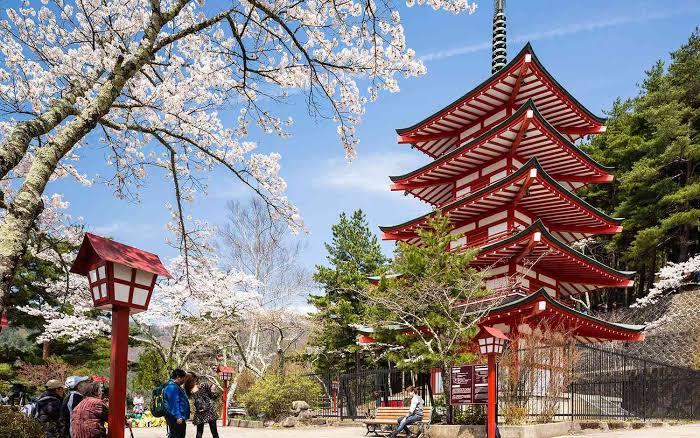
Japan travel tips every first-time traveler should know before boarding their flight to help you enjoy a smoother journey. Japan is a destination that blends centuries-old traditions with cutting-edge technology, creating a travel experience unlike anywhere else in the world. From the neon-lit streets of Tokyo to the peaceful bamboo forests of Kyoto, every corner of the country offers something memorable. However, Japan’s unique customs, transportation system, and cultural etiquette can be unfamiliar to first-time visitors.
1. Master Japan’s Transportation System Before You Arrive
Japan’s public transportation is famous for its speed, cleanliness, and reliability. While it’s one of the most efficient systems in the world, it can also feel overwhelming at first.
Use an IC Card for Local Travel
An IC card is one of the smartest purchases you can make after arriving.
Popular options include:
- Suica
- PASMO
- ICOCA
These rechargeable cards work on:
- Subways
- Local trains
- Buses
- Convenience stores
- Vending machines
- Some restaurants
Instead of purchasing individual tickets, simply tap your card when entering and exiting stations.
Consider the Japan Rail Pass
If your itinerary includes multiple cities such as Tokyo, Kyoto, Osaka, or Hiroshima, the Japan Rail Pass may help reduce transportation costs.
However, it isn’t always the cheapest option. If you’re staying mainly in one city, buying individual train tickets can often save money.
Pro Tip: Plan your itinerary first before deciding whether the Rail Pass is worth the investment.

2. Popular Attractions Can Get Extremely Crowded
Japan welcomes millions of international visitors every year, especially during cherry blossom season and autumn foliage.
Famous attractions like:
- Fushimi Inari Shrine
- Shibuya Crossing
- Arashiyama Bamboo Forest
- Senso-ji Temple
- Osaka Castle
can become packed from mid-morning until late afternoon.
Visit Early or Late
For the best experience:
- Arrive before 8:00 AM.
- Visit near sunset.
- Travel on weekdays whenever possible.
- Avoid national holidays and Golden Week.
Early mornings not only provide better photographs but also allow you to experience these iconic places in a much quieter atmosphere.
3. Prepare for Japan’s Changing Weather
Japan stretches over 3,000 kilometers from north to south, so weather conditions vary greatly by region.
Spring
- Mild temperatures
- Cherry blossoms
- Light jackets recommended
Summer
- Hot and humid
- Frequent rain showers
- Typhoon season begins
Autumn
- Cool, comfortable weather
- Stunning maple leaves
- Ideal for sightseeing
Winter
- Heavy snowfall in northern Japan
- Ski resorts at their best
- Hot springs become even more enjoyable
Packing layers is always a smart decision since temperatures can change quickly throughout the day.

Don’t forget to pack:
- Comfortable walking shoes
- Portable umbrella
- Lightweight rain jacket
- Portable charger
- Reusable water bottle
4. Japanese Food Is More Than Just Sushi
One of the highlights of visiting Japan is discovering its incredible culinary culture.
Although sushi is world-famous, every region offers unique local specialties.
Must-Try Dishes
Ramen
Every city has its own signature broth, from rich tonkotsu in Fukuoka to flavorful miso ramen in Hokkaido.
Sushi
Fresh seafood can be enjoyed at everything from luxury restaurants to affordable conveyor-belt sushi chains.
Okonomiyaki
A savory Japanese pancake packed with vegetables, meat, and seafood.
Tempura
Lightly battered seafood and vegetables served with dipping sauce.
Wagyu Beef
Known for its exceptional marbling and melt-in-your-mouth texture.
Matcha Desserts
Don’t leave without trying:
- Matcha ice cream
- Matcha cheesecake
- Matcha parfait
- Matcha latte
Reserve Popular Restaurants Early
Fine dining experiences like kaiseki often require reservations weeks or even months in advance.
If there’s a restaurant on your bucket list, book before your trip.
5. Shopping Can Be Surprisingly Addictive
Japan is one of Asia’s best shopping destinations.
Whether you’re looking for luxury fashion, anime merchandise, electronics, beauty products, or handcrafted souvenirs, you’ll find endless choices.
Best Shopping Areas
Tokyo
- Ginza
- Shibuya
- Harajuku
- Akihabara
Kyoto
- Nishiki Market
- Teramachi Shopping Street
Osaka
- Dotonbori
- Namba
- Shinsaibashi
Tax-Free Shopping
Many stores offer tax-free purchases for international tourists.
Simply present your passport during checkout if your purchase meets the minimum spending requirement.
Carry Some Cash
Although credit cards are widely accepted, many traditional markets and small family-owned businesses still prefer cash payments.

6. Respect Local Etiquette
Japanese society places great importance on politeness and consideration for others.
Following a few simple etiquette rules will help you blend in and show respect for local culture.
Keep Your Voice Down
Public transportation is generally very quiet.
Avoid:
- Loud conversations
- Speakerphone calls
- Playing music without headphones
Queue Patiently
Whether waiting for trains, restaurants, or elevators, always join the queue and wait your turn.
Remove Your Shoes
You’ll often need to take off your shoes before entering:
- Traditional homes
- Ryokan inns
- Some temples
- Certain restaurants
If you see a shoe rack or raised entrance, it’s usually a sign to remove your footwear.
Avoid Eating While Walking
Unlike many countries, eating on the move is generally discouraged.
Instead, enjoy your food at the restaurant or designated seating area.
Learn a Few Japanese Phrases
Locals appreciate visitors who make an effort to speak Japanese.
Helpful expressions include:
- Konnichiwa – Hello
- Arigatou Gozaimasu – Thank you very much
- Sumimasen – Excuse me / Sorry
- Onegaishimasu – Please
- Hai – Yes
Even basic phrases often lead to warmer interactions.
7. Know the Essential Travel Basics
Preparing before departure can make your trip much more enjoyable.
Currency
Japan uses the Japanese Yen (JPY).
Although cashless payments have become more common, carrying cash remains important, especially in rural areas.
Internet Access
Staying connected is easy with:
- eSIM plans
- Pocket Wi-Fi rentals
- International SIM cards
Reliable internet makes navigation much easier.
Safety
Japan consistently ranks among the safest countries in the world.
Even so, travelers should still:
- Watch personal belongings.
- Follow local emergency instructions.
- Carry travel insurance.
Best Time to Visit
Spring (March–April)
Ideal for cherry blossoms and mild temperatures.
Autumn (October–November)
Comfortable weather with beautiful autumn colors.
Winter (December–February)
Perfect for skiing and hot springs.
Summer (June–August)
Excellent for festivals but expect heat and humidity.

Final Thoughts
Your first trip to Japan will likely be filled with unforgettable moments—from riding the famous Shinkansen and wandering ancient temples to tasting authentic ramen and experiencing the country’s remarkable hospitality.
While Japan may seem intimidating at first, understanding its transportation system, respecting local customs, planning for seasonal weather, and preparing a flexible itinerary will make your adventure far more enjoyable.
Remember that the best travel experiences often happen beyond the famous landmarks. Take time to explore quiet neighborhoods, visit local cafés, chat with friendly residents, and embrace the country’s slower rhythms. With these essential Japan travel tips in mind, you’ll be well prepared to experience one of the world’s most rewarding destinations with confidence.