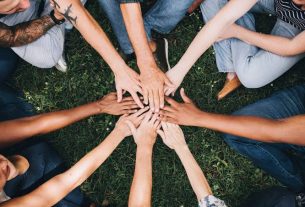
Everyday habits have become so deeply embedded in modern life that they feel timeless. Yet each routine has a remarkable story stretching back through centuries—or even thousands of years. Every day, we perform dozens of familiar actions without giving them much thought. We wake up, brush our teeth, drink coffee, greet people with a simple “hello,” eat our meals, and settle into bed at night. T
Many of today’s daily customs emerged from practical needs, cultural traditions, religious beliefs, scientific discoveries, or technological innovations. What began as survival strategies or social conventions gradually evolved into habits that billions of people now follow automatically.
Understanding the history behind our routines not only makes daily life more interesting but also reveals how human civilization has continuously adapted to changing environments, technologies, and ways of living. From ancient hygiene practices to modern fitness culture, these habits reflect humanity’s ongoing pursuit of health, comfort, connection, and efficiency.
In this article, we’ll explore the fascinating origins of ten common everyday habits and discover why these routines continue to shape our lives today.
1. Bathing: A Daily Ritual That Evolved Over Thousands of Years
Modern showers and luxurious bathrooms may seem like recent inventions, but personal hygiene has ancient roots.
Contrary to the common myth that people in the Middle Ages rarely washed, historical evidence suggests that cleanliness has long been valued. Ancient civilizations such as the Egyptians, Greeks, Romans, and Japanese all developed bathing traditions that served both hygienic and social purposes.
During medieval Europe, people often washed their faces and hands every morning, even if full-body baths were less frequent. Medical texts from the 11th century recommended regular washing to maintain health.
The decline of public bathhouses in some regions was largely influenced by concerns over disease transmission and changing medical beliefs rather than a lack of concern for cleanliness.
The Industrial Revolution transformed personal hygiene forever. Indoor plumbing, running water, water heaters, and modern sanitation systems made daily bathing practical for millions of households.
Today, bathing is associated with:
- Personal hygiene
- Disease prevention
- Relaxation
- Mental wellness
- Self-care
A simple shower now represents centuries of progress in public health and technology.

2. Drinking Coffee: From Ancient Ethiopia to the World’s Favorite Morning Ritual
For millions of people, the day doesn’t truly begin until the first sip of coffee.
According to popular legend, coffee’s stimulating properties were first discovered in Ethiopia by goat herders who noticed their animals became unusually energetic after eating coffee berries.
Coffee cultivation later spread throughout Yemen, where Sufi monks drank it to stay awake during long hours of prayer and meditation.
By the 17th century, coffeehouses had become popular across Europe. These establishments quickly evolved into centers for conversation, politics, philosophy, literature, and business.
Some historians even refer to coffeehouses as “schools of the wise” because they encouraged the exchange of ideas during the Enlightenment.
Today, coffee serves multiple purposes:
- Boosting alertness
- Enhancing productivity
- Supporting social interaction
- Creating comforting morning routines
Whether it’s a homemade brew or a specialty café latte, coffee remains one of the world’s most beloved daily habits.
3. Brushing Your Teeth: An Ancient Practice Reinvented by Modern Dentistry
Brushing teeth may seem like an obvious daily necessity, but its widespread adoption is surprisingly recent.
Ancient Egyptians used frayed twigs, crushed minerals, and primitive tooth-cleaning tools thousands of years ago.
The Chinese later developed early toothbrushes using animal bristles attached to bamboo handles.
However, brushing was not universally practiced every day.
The turning point came during the early 20th century when dental professionals and toothpaste manufacturers launched large-scale public health campaigns promoting daily brushing.
These campaigns educated families about cavities, gum disease, and oral hygiene.
Modern dentistry further reinforced the habit by emphasizing preventive care rather than simply treating dental problems after they occurred.
Today, brushing twice daily is recommended because it helps:
- Remove plaque
- Prevent cavities
- Reduce gum disease
- Maintain fresh breath
- Improve overall health
A routine lasting just a few minutes each day can significantly improve long-term well-being.

4. Eating Three Meals a Day: A Tradition Shaped by Society
Many people assume breakfast, lunch, and dinner have always existed.
In reality, meal schedules have changed dramatically throughout history.
Ancient Romans typically ate three meals, although lunch was often their largest meal, while dinner remained relatively light.
As Christianity spread throughout Europe, religious fasting influenced meal timing.
The word “breakfast” literally refers to breaking the overnight fast after morning religious observances.
The Industrial Revolution reshaped eating habits once again.
Factory schedules left workers with less time during the middle of the day, encouraging quicker lunches and larger evening meals.
Electric lighting also allowed people to stay active later into the night, making dinner the primary family meal in many countries.
Today, meal patterns vary widely across cultures, but structured eating remains valuable because it helps:
- Maintain consistent energy
- Support digestion
- Encourage balanced nutrition
- Promote family interaction
5. Shaking Hands: A Gesture of Trust That Crossed Centuries
The handshake is one of humanity’s oldest forms of greeting.
Historians believe it originated as a peaceful gesture demonstrating that neither person was carrying a weapon.
By extending an open right hand, individuals showed peaceful intentions and mutual respect.
Throughout history, handshakes became symbols of:
- Trust
- Friendship
- Agreement
- Business partnerships
- Diplomacy
Unlike formal bows or elaborate greetings, the handshake is simple, universal, and easy to understand across cultures.
Although the COVID-19 pandemic temporarily reduced handshaking worldwide, the custom quickly returned in many societies because it remains an important symbol of personal connection.
6. Saying “Hello”: A Greeting Popularized by Technology
Today, “hello” feels like the most natural greeting imaginable.
Interestingly, the word originally expressed surprise rather than greeting someone.
Different variations—including “hullo,” “hallo,” and “hollo”—were commonly used to attract attention.
Its transformation into a greeting accelerated during the invention of the telephone.
Thomas Edison strongly encouraged telephone users to answer calls by saying “hello.”
Alexander Graham Bell preferred “Ahoy.”
History ultimately favored Edison.
Today, “hello” is recognized worldwide and has become one of the first words many language learners encounter.
This simple greeting demonstrates how technological innovation can permanently reshape everyday language.

7. Saying “Bless You” After a Sneeze: A Tradition Rooted in Ancient Beliefs
Few habits are more automatic than saying “Bless you” after someone sneezes.
Although modern medicine explains sneezing as a natural bodily reflex, earlier societies viewed it very differently.
Several historical theories explain the custom:
- Sneezing was believed to signal illness during plague outbreaks.
- Some believed the soul briefly left the body during a sneeze.
- Others thought sneezing expelled evil spirits.
Offering a blessing became a way of wishing health, protection, and good fortune.
Even though most people no longer believe these ancient explanations, the phrase survives as a polite expression of kindness.
It demonstrates how traditions often outlive the beliefs that originally inspired them.
8. Reading Silently: A Surprisingly Modern Habit
Reading silently feels completely natural today.
However, historians suggest that reading aloud was once the norm.
Ancient texts often lacked spaces and punctuation, making vocal reading much easier.
Even educated scholars frequently read aloud because spoken words improved comprehension.
One famous historical account describes Saint Augustine’s amazement upon seeing Bishop Ambrose reading silently during the 4th century.
Over time, improvements in writing systems, punctuation, and literacy encouraged private reading.
The invention of printing further accelerated this shift.
Silent reading eventually became associated with:
- Personal reflection
- Independent learning
- Leisure
- Academic study
Today, millions enjoy books, articles, and digital content quietly, making reading one of the most personal everyday habits.
9. Running for Fitness: Turning Exercise into a Lifestyle
For most of human history, people ran only when necessary.
Running meant:
- Hunting
- Escaping danger
- Delivering messages
- Military training
- Athletic competition
The idea of jogging purely for health gained popularity only during the 1960s.
New Zealand coach Arthur Lydiard promoted recreational running as an effective way to improve cardiovascular fitness.
American coach Bill Bowerman later helped popularize jogging in the United States through books and training programs.
His influence also contributed to the growth of modern athletic footwear and recreational sports.
Today, running has become one of the world’s most accessible forms of exercise because it requires little equipment while offering numerous benefits:
- Better heart health
- Improved mental health
- Weight management
- Increased endurance
- Reduced stress
Millions now incorporate running into their everyday routines regardless of age or fitness level.

10. Sleeping Separately: A Modern Idea in Historical Perspective
Today, many people expect private bedrooms and personal sleeping spaces.
Historically, this arrangement would have been unusual.
For centuries, families, travelers, workers, and even strangers commonly shared beds.
Shared sleeping offered several practical advantages:
- Conserved heat
- Saved space
- Reduced furniture costs
- Strengthened social bonds
Even royalty occasionally shared beds as symbols of trust and alliance.
The shift toward private bedrooms emerged during the 19th century.
Several factors contributed to this change:
- Improved housing
- Rising incomes
- Better sanitation
- Greater privacy
- Public health awareness
Modern homes now prioritize personal space, although co-sleeping traditions continue in many cultures around the world.
Our sleeping arrangements demonstrate how social values evolve alongside economic development and technological progress.
Why Understanding Everyday Habits Matters
Examining the origins of our routines offers more than historical curiosity.
It reminds us that habits are not random.
They emerge because they solve problems, strengthen communities, or improve quality of life.
Many everyday behaviors have survived for centuries because they continue to provide practical value.
Understanding these origins also helps us appreciate how adaptable human societies are.
As technologies evolve and lifestyles change, our routines continue to transform.
For example:
- Smartphones have reshaped communication.
- Remote work has changed commuting habits.
- Fitness trackers encourage healthier lifestyles.
- Digital reading has altered how we consume information.
Future generations will likely inherit new everyday habits that seem just as ordinary to them as brushing teeth or drinking coffee feels to us.
How Everyday Habits Shape Modern Life
Daily habits influence nearly every aspect of our well-being.
Healthy routines improve physical health, emotional resilience, productivity, and relationships.
Simple actions repeated consistently often have greater long-term impact than occasional major efforts.
Some of the most beneficial modern habits include:
- Maintaining consistent sleep schedules
- Exercising regularly
- Practicing good hygiene
- Eating balanced meals
- Staying hydrated
- Reading regularly
- Spending time with loved ones
- Limiting unnecessary screen time
- Practicing gratitude
- Taking short breaks throughout the workday
These routines may appear ordinary, but collectively they shape healthier, happier lives.

Conclusion
The routines that define our daily lives are far from ordinary. Every shower, handshake, cup of coffee, greeting, or bedtime ritual carries centuries of history behind it. What began as practical solutions to survival, health, religion, technology, or social customs gradually became automatic behaviors shared by billions of people around the world.
Learning about the origins of everyday habits reminds us that civilization is built not only through extraordinary events but also through countless small actions repeated over generations. These routines connect us to our ancestors while continuing to evolve alongside modern innovations and changing lifestyles.
The next time you brush your teeth, greet a friend with “hello,” enjoy your morning coffee, or lace up your running shoes, remember that you’re participating in traditions shaped by thousands of years of human history. Understanding these fascinating origins allows us to appreciate the remarkable journey behind even the simplest moments of everyday life.
FAQ
What are everyday habits?
Everyday habits are routine behaviors that people perform regularly, often without conscious thought. Examples include brushing teeth, drinking coffee, greeting others, eating meals, exercising, and sleeping.
Why is it useful to learn the history of everyday habits?
Understanding the origins of daily routines helps us appreciate how culture, science, technology, and society have shaped modern life. It also provides insight into why certain behaviors remain important today.
Which everyday habit has the oldest history?
Bathing, tooth cleaning, and greeting others all date back thousands of years, making them among humanity’s oldest documented daily habits.
Are everyday habits still evolving?
Yes. Technology, healthcare, remote work, environmental awareness, and digital communication continue to create new routines while transforming older ones.
Sources
- Mental Floss – 10 Everyday Habits With Totally Interesting Origins
- Smithsonian Magazine
- National Geographic
- Encyclopaedia Britannica
- American Dental Association
- World Health Organization (WHO)
- Harvard Medical School
- Mayo Clinic