
Pet care tips can make the transition much easier for both you and your furry friend.
Bringing a new pet home is one of life’s most exciting experiences. Whether you’ve adopted a playful puppy, a curious kitten, or an older rescue animal, your new companion quickly becomes an important member of the family. Along with the joy of unconditional love comes the responsibility of providing proper care that supports your pet’s physical, emotional, and mental well-being.
Many first-time pet owners feel overwhelmed by the amount of information available. Questions about feeding, training, grooming, vaccinations, and veterinary care are common.
This comprehensive guide covers everything new pet owners should know—from nutrition and exercise to preventive healthcare and emotional enrichment—to help your pet enjoy a long, happy, and healthy life.
Why Proper Pet Care Matters
Pets depend on their owners for nearly every aspect of their lives. Good care doesn’t simply prevent illness—it also improves behavior, strengthens your bond, and enhances your pet’s quality of life.
Benefits of proper pet care include:
- Better physical health
- Longer lifespan
- Reduced veterinary expenses
- Improved behavior
- Lower stress levels
- Stronger human-animal bond
- Greater emotional well-being
Establishing healthy routines from the beginning helps your pet feel safe, secure, and loved.

1. Feed a Balanced and Nutritious Diet
Nutrition is the foundation of your pet’s overall health.
Dogs and cats have different nutritional requirements, and these needs also vary based on age, breed, size, activity level, and health conditions.
Choose high-quality pet food that provides balanced nutrients, including:
- Protein
- Healthy fats
- Vitamins
- Minerals
- Appropriate carbohydrates
- Essential fatty acids
Avoid feeding harmful human foods such as:
- Chocolate
- Grapes
- Raisins
- Onions
- Garlic
- Alcohol
- Xylitol-containing products
- Caffeinated beverages
Fresh, clean water should always be available.
Helpful Feeding Tips
- Feed according to your pet’s age.
- Measure portions to prevent obesity.
- Avoid sudden diet changes.
- Introduce new foods gradually.
- Consult your veterinarian before using supplements.
2. Schedule Regular Veterinary Check-Ups
Preventive healthcare is one of the most valuable pet care tips every owner should follow.
Routine veterinary visits help identify health problems before they become serious.
During wellness exams, veterinarians typically check:
- Weight
- Teeth
- Eyes
- Ears
- Heart
- Lungs
- Skin
- Coat
- Mobility
- Overall body condition
Regular blood tests may also detect hidden diseases early.

Vaccinations Matter
Vaccinations protect pets against dangerous infectious diseases.
Dogs commonly receive vaccines for:
- Rabies
- Distemper
- Parvovirus
- Adenovirus
Cats commonly receive protection against:
- Rabies
- Feline viral rhinotracheitis
- Calicivirus
- Panleukopenia
Follow your veterinarian’s recommended vaccination schedule.
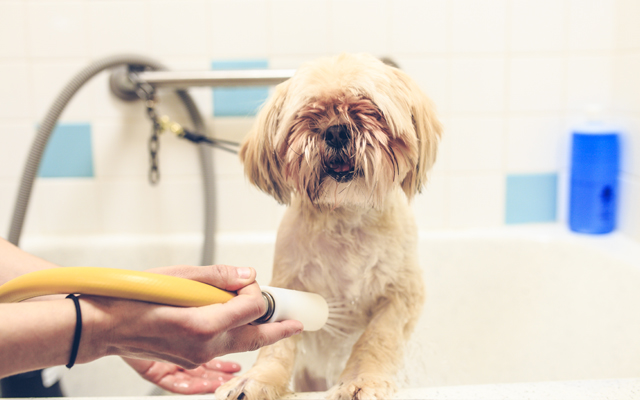
3. Maintain Good Grooming Habits
Grooming does much more than improve appearance.
Regular grooming helps:
- Remove loose fur
- Reduce shedding
- Prevent matting
- Detect parasites
- Identify skin problems early
- Improve circulation
Dogs
Dogs may require:
- Brushing
- Bathing
- Nail trimming
- Ear cleaning
- Coat trimming
Cats
Although cats groom themselves, brushing still helps reduce hairballs and loose hair, especially in long-haired breeds.
4. Make Exercise Part of Every Day
Physical activity keeps pets healthy both mentally and physically.
Dogs benefit from:
- Daily walks
- Running
- Fetch
- Swimming
- Agility games
Cats also need exercise through:
- Wand toys
- Laser toys
- Puzzle feeders
- Climbing trees
- Interactive games
Exercise helps prevent:
- Obesity
- Anxiety
- Destructive behaviors
- Boredom
- Joint stiffness
Aim for daily activity suited to your pet’s age and breed.
5. Create a Safe Home Environment
Your home should be a safe place where your pet can explore without unnecessary risks.
Pet-proof your home by removing hazards such as:
- Toxic plants
- Cleaning chemicals
- Medications
- Electrical cords
- Sharp objects
- Small choking hazards
Provide your pet with:
- Comfortable bedding
- Safe toys
- Quiet resting areas
- Secure outdoor access
Cats appreciate elevated spaces, while dogs often benefit from having a designated resting area.

6. Prioritize Dental Health
Dental care is often overlooked, yet it plays a major role in overall health.
Poor oral hygiene may lead to:
- Bad breath
- Gum disease
- Tooth loss
- Pain
- Heart and kidney complications
Good dental care includes:
- Brushing teeth regularly
- Using pet-safe toothpaste
- Providing dental treats
- Offering chew toys
- Scheduling professional cleanings when necessary
Healthy teeth contribute to better nutrition and overall comfort.
7. Support Socialization and Positive Behavior
Socialization teaches pets how to interact confidently with people, animals, and new environments.
Proper socialization can reduce:
- Fear
- Anxiety
- Aggression
- Excessive barking
- Stress during grooming or vet visits
For puppies, expose them gradually to:
- Different people
- Friendly dogs
- New sounds
- Various environments
Cats also benefit from gentle handling, interactive play, and positive experiences with visitors.
Positive reinforcement using praise and treats is far more effective than punishment.
8. Protect Against Fleas, Ticks, and Parasites
Parasite prevention should continue throughout the year.
Common parasites include:
- Fleas
- Ticks
- Heartworms
- Roundworms
- Hookworms
These pests can transmit diseases and cause discomfort.
Preventive options include:
- Topical treatments
- Oral medications
- Flea collars
- Routine deworming
Regularly inspect your pet’s skin and coat, especially after spending time outdoors.
9. Keep Your Pet Mentally Stimulated
Mental exercise is just as important as physical activity.
Bored pets often develop unwanted behaviors such as:
- Excessive barking
- Scratching furniture
- Chewing household items
- Digging
- Overgrooming
Excellent enrichment ideas include:
- Puzzle toys
- Treat-dispensing feeders
- Obedience training
- Hide-and-seek games
- Rotating toys
- Learning new commands
Cats especially enjoy climbing structures and interactive hunting games.
10. Monitor Your Pet’s Health Every Day
One of the simplest but most valuable pet care tips is paying attention to daily changes.
Watch for changes in:
- Appetite
- Water intake
- Bathroom habits
- Weight
- Energy level
- Breathing
- Walking
- Grooming
- Sleeping patterns
- Behavior
Early detection often leads to more successful treatment.
If your pet suddenly becomes lethargic, refuses food, vomits repeatedly, or experiences breathing difficulties, contact your veterinarian promptly.
Bonus Tips for First-Time Pet Owners
Build a Consistent Routine
Pets thrive on predictable schedules.
Maintain regular times for:
- Meals
- Walks
- Playtime
- Training
- Bedtime
Consistency reduces stress and helps pets adapt more quickly.
Invest in Identification
Every pet should have:
- An ID tag
- A properly fitted collar
- A registered microchip
Identification greatly increases the chances of being reunited if your pet becomes lost.
Learn Your Pet’s Body Language
Understanding your pet’s signals strengthens communication.
Signs of a relaxed pet include:
- Soft eyes
- Loose posture
- Gentle tail movement
- Calm breathing
Signs of stress may include:
- Hiding
- Flattened ears
- Growling
- Excessive panting
- Dilated pupils
- Tail tucked tightly
Recognizing these signals allows you to respond appropriately.
Choose Safe Toys
Always select toys appropriate for your pet’s:
- Size
- Age
- Chewing habits
Replace damaged toys to prevent choking hazards.
Spend Quality Time Together
Perhaps the most rewarding of all pet care tips is simply spending time with your companion.
Daily interaction helps:
- Build trust
- Reduce anxiety
- Strengthen emotional bonds
- Improve training success
- Increase happiness for both owner and pet
Even a few minutes of focused attention each day can make a significant difference.
Common Mistakes New Pet Owners Should Avoid
Many beginners unintentionally make avoidable mistakes.
These include:
- Overfeeding
- Skipping vaccinations
- Delaying veterinary visits
- Ignoring dental care
- Providing insufficient exercise
- Using punishment during training
- Leaving pets alone for extended periods
- Forgetting parasite prevention
- Feeding unsafe human foods
- Neglecting mental enrichment
Avoiding these habits will contribute to a healthier and happier pet.
Frequently Asked Questions
What is the most important part of pet care?
Balanced nutrition, regular veterinary care, exercise, preventive healthcare, and daily affection all contribute to excellent pet care.
How often should pets visit the veterinarian?
Healthy adult pets typically need annual wellness exams, while puppies, kittens, seniors, and pets with medical conditions may require more frequent visits.
Do indoor pets still need vaccinations?
Yes. Even indoor pets can be exposed to infectious diseases through other animals, people, or unexpected escapes outdoors.
How much exercise does a pet need?
Exercise requirements depend on species, breed, age, and health. Most dogs benefit from daily walks and playtime, while cats need regular interactive play sessions.
Why is preventive care so important?
Preventive care helps detect diseases early, reduces treatment costs, improves quality of life, and often extends your pet’s lifespan.
Final Thoughts
Becoming a pet owner is both a privilege and a lifelong commitment. Every meal you prepare, every walk you take, every grooming session, and every visit to the veterinarian contributes to your companion’s overall health and happiness.
By following these essential pet care tips, you’ll create a safe, loving environment where your pet can thrive. Remember that responsible pet ownership goes beyond meeting basic needs—it involves understanding your pet’s unique personality, providing mental and physical enrichment, and recognizing signs of illness before they become serious.
Whether you share your home with an energetic dog, an independent cat, or another beloved companion, the time, patience, and care you invest today will be rewarded with years of loyalty, companionship, and unforgettable memories. A healthy pet is a happy pet, and with the right knowledge and dedication, you can give your furry family member the wonderful life they deserve.
Sources
- Petverse. 10 Essential Pet Care Tips Every New Owner Should Know.
- American Veterinary Medical Association (AVMA)
- American Animal Hospital Association (AAHA)
- American Society for the Prevention of Cruelty to Animals (ASPCA)
- Cornell University College of Veterinary Medicine
- World Small Animal Veterinary Association (WSAVA)