Mexico culture facts provides a deeper understanding of how history, language, food, nature, and community continue to shape everyday life. Whether you’re planning a visit or simply curious about one of the world’s most fascinating nations, these five cultural facts highlight why Mexico continues to captivate millions of people every year.
Mexico is one of the world’s most culturally rich and historically significant countries. Located between North and Central America, it is a land where ancient civilizations, colonial history, breathtaking landscapes, and vibrant traditions come together to create a unique national identity. From the majestic pyramids of the Maya to colorful festivals, world-famous cuisine, and remarkable biodiversity, Mexico offers endless opportunities to experience a culture unlike any other.
When people think of Mexico, they often picture tacos, mariachi music, and beautiful beaches. While these are certainly part of the country’s appeal, they only scratch the surface. Mexico’s culture has been shaped over thousands of years by Indigenous civilizations such as the Maya, Aztec, Zapotec, and Olmec, later blending with Spanish influences to form the diverse traditions seen today.
1. Chichén Itzá: One of the New Seven Wonders of the World
A Symbol of Ancient Maya Civilization
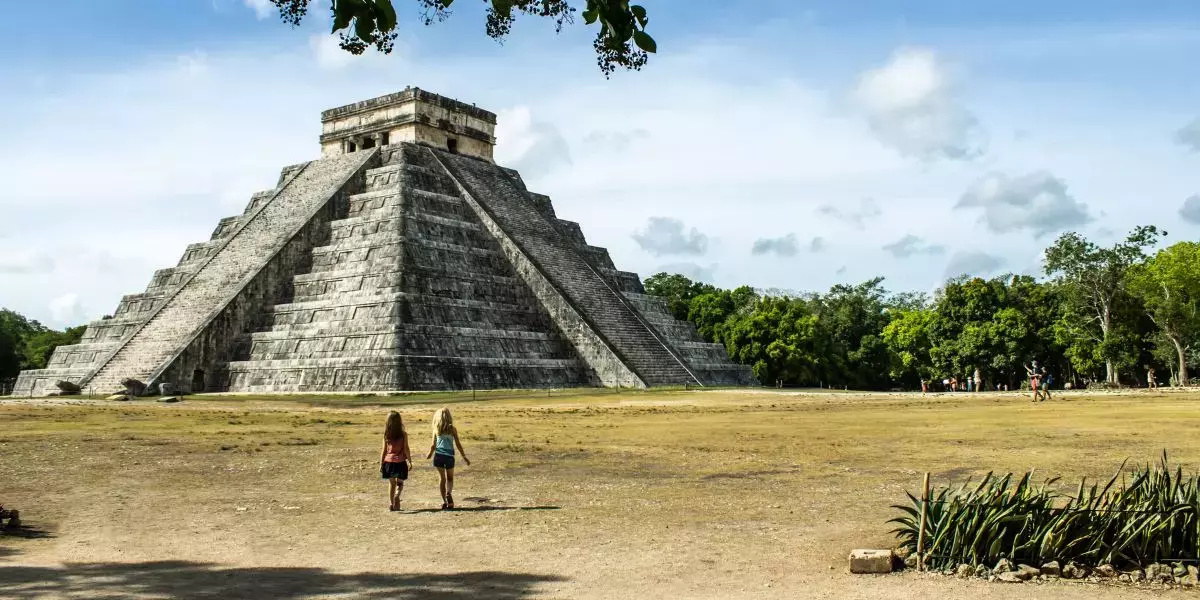
Among all Mexico culture facts, few are as impressive as Chichén Itzá, one of the world’s most celebrated archaeological sites.
Built around the 6th century AD on the Yucatán Peninsula, Chichén Itzá was once one of the most important cities of the Maya civilization. Today, it stands as a remarkable example of ancient engineering, astronomy, architecture, and religious life.
Its most famous structure, El Castillo (Temple of Kukulcán), demonstrates the advanced mathematical and astronomical knowledge of the Maya people. During the spring and autumn equinoxes, sunlight creates the illusion of a serpent slithering down the pyramid’s staircase—a phenomenon that continues to attract visitors from around the globe.
A Global Heritage Site
Chichén Itzá was designated a UNESCO World Heritage Site in 1988 and was later voted one of the New Seven Wonders of the World in 2007.
Every year, millions of visitors come to admire:
- The Temple of Kukulcán
- The Great Ball Court
- The Temple of the Warriors
- The Sacred Cenote
- Ancient astronomical observatories
The site serves as a powerful reminder of Mexico’s deep historical roots and its lasting contribution to world civilization.

2. Mexico Is One of the World’s Most Linguistically Diverse Countries
More Than Just Spanish
Although Spanish is the country’s most widely spoken language, one of the most surprising Mexico culture facts is that Mexico officially recognizes 68 national languages.
These include Spanish along with dozens of Indigenous languages spoken throughout the country.
Some of the largest Indigenous languages include:
- Nahuatl
- Maya
- Mixtec
- Zapotec
- Otomí
- Totonac
Together, these languages represent hundreds of regional dialects that continue to be used in schools, homes, ceremonies, and local communities.
Preserving Indigenous Heritage
Mexico’s linguistic diversity reflects thousands of years of history.
Many Indigenous communities actively preserve their languages through:
- Traditional storytelling
- Community education
- Music
- Festivals
- Oral history
- Family traditions
Language is considered an important part of cultural identity, helping pass knowledge and customs from one generation to the next.
Visitors traveling through different regions may hear multiple languages spoken alongside Spanish, illustrating the country’s extraordinary cultural richness.

3. Mexico Is Home to Dozens of UNESCO World Heritage Sites
A Nation Rich in Cultural Treasures
Mexico ranks among the countries with the highest number of UNESCO World Heritage Sites.
These sites celebrate both cultural achievements and natural beauty, reflecting the country’s remarkable diversity.
They include:
Ancient Cities
Historic archaeological sites preserve the achievements of civilizations that flourished long before European contact.
Examples include:
- Chichén Itzá
- Teotihuacán
- Palenque
- Monte Albán
Colonial Architecture
Spanish colonial influence can be seen in beautifully preserved cities featuring:
- Cathedrals
- Plazas
- Government buildings
- Historic neighborhoods
Cities such as Guanajuato, Puebla, Oaxaca, and Morelia showcase centuries of architectural heritage.
Natural Wonders
Mexico also protects exceptional natural environments, including:
- Biosphere reserves
- Tropical forests
- Desert landscapes
- Marine ecosystems
These sites support unique wildlife while preserving ecological diversity for future generations.
Why UNESCO Recognition Matters
UNESCO designation helps:
- Protect historical landmarks
- Preserve cultural traditions
- Encourage sustainable tourism
- Support conservation efforts
- Promote education about cultural heritage
These sites connect modern Mexico with thousands of years of history.

4. Mexican Cuisine Is Recognized by UNESCO
More Than Tacos and Burritos
One of the most beloved Mexico culture facts involves its extraordinary food.
In 2010, traditional Mexican cuisine was added to UNESCO’s Representative List of the Intangible Cultural Heritage of Humanity.
This recognition celebrates not just recipes, but an entire culinary tradition developed over thousands of years.
Traditional ingredients include:
- Corn
- Beans
- Chili peppers
- Tomatoes
- Avocados
- Cacao
- Squash
These foods formed the foundation of Mesoamerican civilizations long before European arrival.
Regional Diversity
Mexico consists of 32 states, each offering unique regional specialties.
Examples include:
- Mole from Oaxaca and Puebla
- Cochinita pibil from Yucatán
- Pozole from Jalisco
- Tamales found across the country
- Fresh seafood along the Pacific and Gulf coasts
Cooking methods, spices, and local ingredients vary from region to region, making Mexican cuisine one of the world’s most diverse culinary traditions.
Food as Family and Community
Meals in Mexico are often social occasions that bring families together.
Traditional celebrations frequently include homemade dishes prepared using recipes passed down through generations, reinforcing cultural identity and family bonds.

5. Mexico Is One of the World’s Most Biodiverse Countries
A Mega-Diverse Nation
One of the most fascinating Mexico culture facts is the country’s incredible biodiversity.
Mexico is classified as one of the world’s 17 mega-diverse countries, meaning it contains an exceptionally high number of plant and animal species.
Its varied geography includes:
- Deserts
- Mountains
- Tropical rainforests
- Mangrove forests
- Coral reefs
- Volcanoes
- Coastlines along two oceans
This diversity supports thousands of unique species of wildlife and plants.
Nature Shapes Culture
Mexico’s natural environment has influenced its traditions for centuries.
Many Indigenous communities maintain close relationships with local ecosystems through:
- Traditional agriculture
- Herbal medicine
- Sacred landscapes
- Seasonal festivals
- Conservation practices
Plants and animals frequently appear in Mexican art, mythology, textiles, pottery, and folklore.
Ecotourism and Conservation
Visitors increasingly explore Mexico through ecotourism activities such as:
- Whale watching
- Birdwatching
- Hiking
- Cenote exploration
- Wildlife photography
- National park visits
These experiences help support conservation while allowing travelers to appreciate the country’s remarkable natural heritage.
How History Continues to Shape Modern Mexican Culture
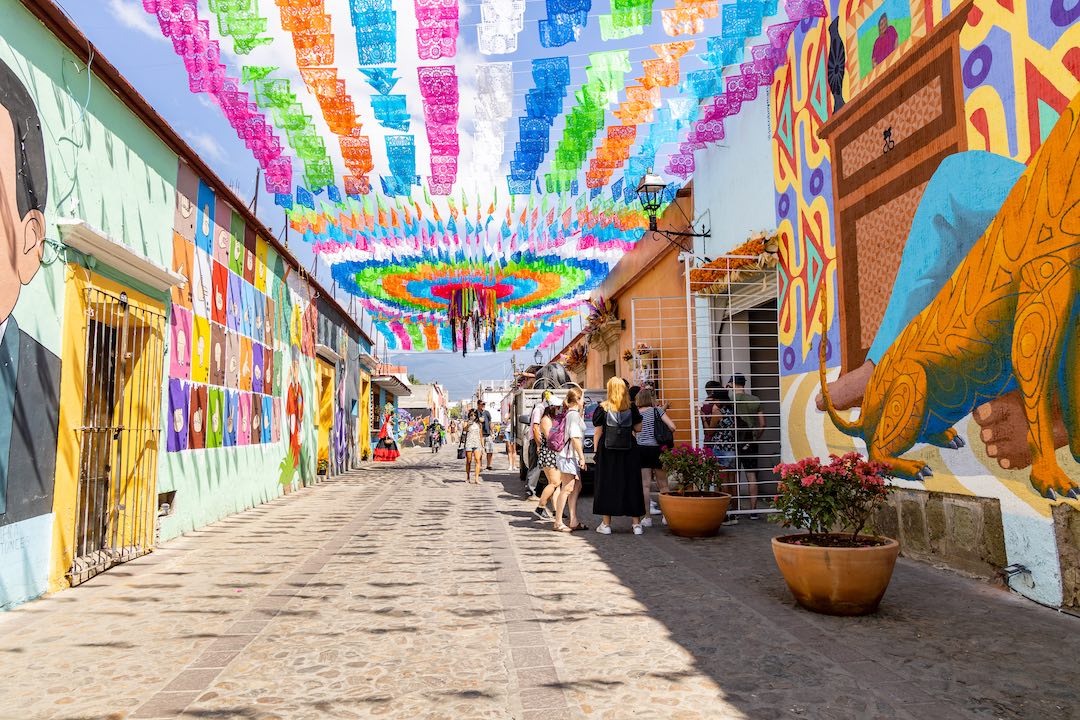
Mexico’s modern identity reflects centuries of cultural exchange.
Ancient Indigenous traditions remain visible alongside Spanish colonial influences in everyday life.
Examples include:
- Religious festivals with Indigenous roots
- Traditional handicrafts
- Folk dances
- Music
- Architecture
- Family-centered celebrations
Rather than replacing older traditions, many cultural practices evolved by blending different influences into something uniquely Mexican.
Why Mexico’s Culture Continues to Inspire the World
Mexico’s cultural influence extends far beyond its borders.
Its traditions inspire people worldwide through:
- Art
- Literature
- Music
- Cinema
- Fashion
- Cuisine
- Festivals
The country’s emphasis on family, community, creativity, and cultural preservation continues to attract millions of visitors every year.
Learning these Mexico culture facts helps us appreciate not only Mexico’s remarkable history but also the vibrant traditions that continue to thrive today.
Conclusion
Mexico is far more than a popular travel destination—it is one of the world’s great cultural treasures. From the awe-inspiring pyramids of Chichén Itzá and the preservation of 68 national languages to its numerous UNESCO World Heritage Sites, internationally recognized cuisine, and extraordinary biodiversity, every aspect of the country reflects centuries of history and innovation.
These Mexico culture facts reveal a nation where ancient civilizations, Indigenous heritage, colonial influences, and natural beauty coexist in remarkable harmony. Whether exploring archaeological wonders, enjoying traditional cuisine, listening to Indigenous languages, or discovering diverse ecosystems, visitors gain a deeper appreciation for the richness and resilience of Mexican culture.
As Mexico continues to preserve its traditions while embracing the future, its cultural legacy remains an enduring source of inspiration for people around the globe.
Frequently Asked Questions
What is Mexico best known for culturally?
Mexico is famous for its ancient civilizations, colorful festivals, UNESCO-recognized cuisine, Indigenous heritage, traditional music, and rich artistic traditions.
How many official languages does Mexico have?
Mexico recognizes 68 national languages, including Spanish and 67 Indigenous languages.
Why is Chichén Itzá important?
Chichén Itzá is one of the best-preserved Maya cities, a UNESCO World Heritage Site, and one of the New Seven Wonders of the World.
Why is Mexican cuisine recognized by UNESCO?
UNESCO recognizes traditional Mexican cuisine because of its deep historical roots, regional diversity, traditional farming methods, and cultural importance.
Why is Mexico considered mega-diverse?
Mexico is one of the world’s 17 mega-diverse countries due to its exceptional variety of ecosystems, plants, animals, and endemic species.
Sources
- Riviera Nayarit – 5 Interesting Culture Facts You Didn’t Know About Mexico
- UNESCO World Heritage Centre
- UNESCO – Intangible Cultural Heritage
- National Institute of Anthropology and History (INAH)
- Encyclopaedia Britannica