Rare animals often live in remote forests, high mountains, deep oceans, or protected wilderness areas far away from human activity. Nature is full of extraordinary creatures, but some animals are so uncommon that seeing them in the wild becomes a once-in-a-lifetime experience.
Unlike common wildlife that can be observed regularly, rare animals are difficult to find because of their limited populations, secretive behaviour, disappearing habitats, or unique survival needs. A single sighting of one of these incredible creatures can become a memory that lasts forever.
From mysterious snow leopards moving silently across mountain landscapes to endangered gorillas living deep in African forests, rare animals remind us how valuable and fragile our planet’s biodiversity truly is.
Many wildlife explorers dedicate years to studying and protecting these species. Their discoveries help scientists understand animal behaviour, support conservation efforts, and inspire people around the world to protect nature.
In this article, we will explore some of the world’s most fascinating rare animals, their habitats, the challenges they face, and why protecting them matters.
What Makes an Animal Rare?
An animal can be considered rare for many different reasons. Rarity does not always mean an animal is close to extinction, but many rare animals do face serious threats.
Several factors contribute to animal rarity:
Small Population Numbers
Some species naturally have very small populations. For example, certain animals may only exist in a specific region or ecosystem.
A limited population makes species more vulnerable because diseases, climate changes, or environmental damage can have a much greater impact.
Restricted Habitats
Many rare animals survive only in very specific environments.
Examples include:
- Mountain species living at high elevations
- Forest animals depending on ancient ecosystems
- Marine animals requiring clean water conditions
When these habitats disappear, the animals struggle to survive.
Human Impact
Human activity is one of the biggest reasons many animals become rare.
Major threats include:
- Deforestation
- Illegal hunting
- Pollution
- Climate change
- Habitat destruction
Conservation programs around the world work to reduce these dangers and protect vulnerable wildlife.
Snow Leopard: The Ghost of the Mountains
The snow leopard is one of the most famous rare animals on Earth. Known as the “ghost of the mountains,” this magnificent big cat lives across the high mountain ranges of Central and South Asia.
Snow leopards are incredibly difficult to observe because they are naturally secretive and perfectly adapted to their environment.
Their thick fur and patterned coat allow them to blend into rocky landscapes, making them almost invisible to predators and prey.
Unique Adaptations of Snow Leopards
Snow leopards have several features that help them survive in extreme conditions:
- Thick fur for freezing temperatures
- Wide paws that work like natural snow shoes
- Long tails for balance and warmth
- Powerful legs for jumping between cliffs
These cats can leap impressive distances across mountain gaps while hunting animals such as wild sheep and goats.
Why Snow Leopards Are Rare
Snow leopards face threats from:
- Habitat loss
- Reduced prey populations
- Illegal hunting
- Conflict with local farmers
Protecting mountain ecosystems is essential for ensuring their future survival.
Black Leopard: The Mysterious Big Cat
Among the world’s rare animals, the black leopard is one of the most mysterious.
Black leopards are not a completely separate species. Their dark appearance is usually caused by a genetic condition called melanism, which produces excess dark pigmentation.
For many years, sightings of black leopards were mostly based on stories and unclear photographs. Because these animals are extremely difficult to find, they became almost legendary.
Why Black Leopards Are Difficult to See
Their dark coat provides excellent camouflage, especially in forests at night.
They are:
- Solitary hunters
- Mostly active at night
- Extremely cautious around humans
A confirmed sighting of a black leopard in the wild is considered a special wildlife moment.

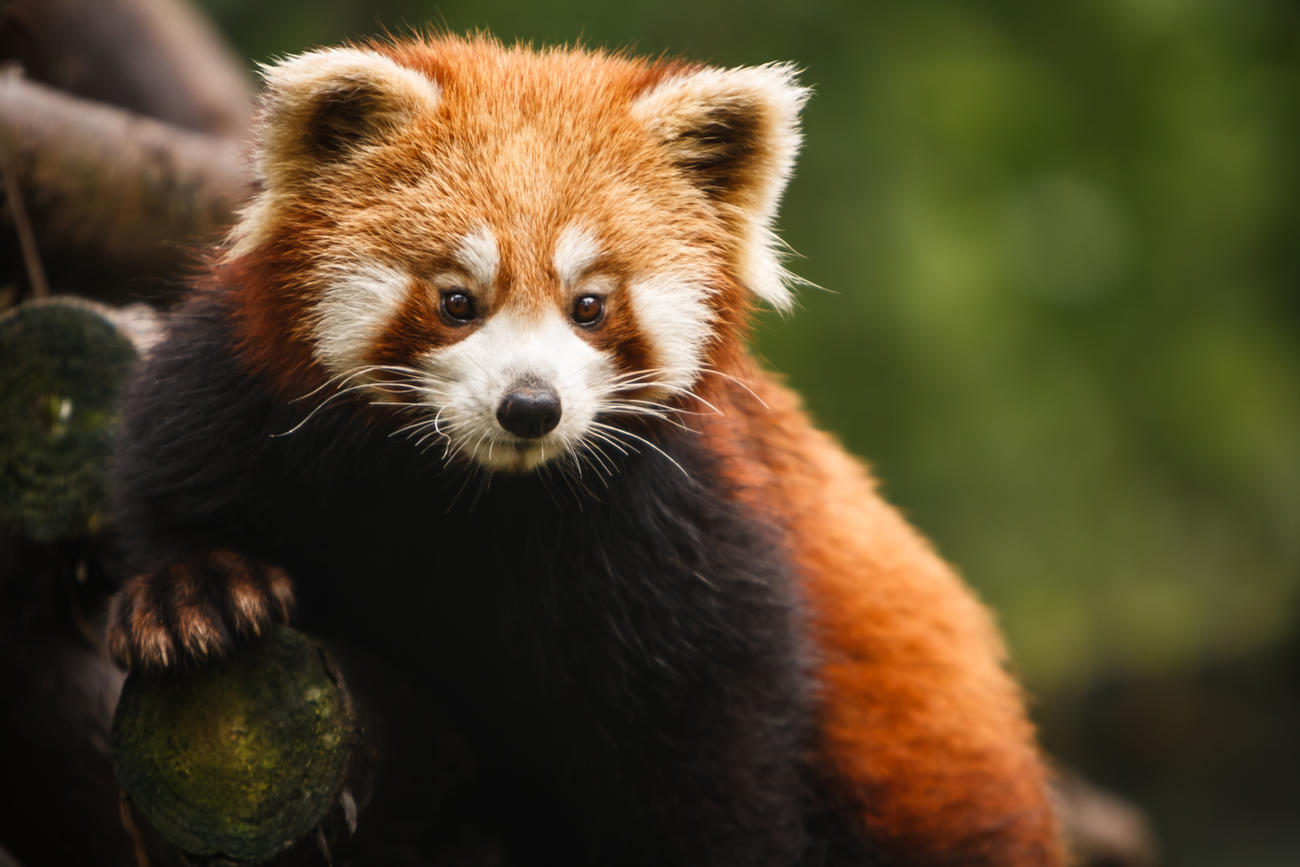
Red Panda: The Hidden Forest Treasure
The red panda is one of the most adorable and rare animals found in the Himalayan region.
Despite its name, the red panda is not closely related to the giant panda. It belongs to its own unique animal family.
These small tree-dwelling mammals are found mainly in:
- Nepal
- Bhutan
- India
- China
- Myanmar
Life in the Trees
Red pandas spend much of their lives in forests. They are excellent climbers and use their long tails for balance.
Their diet mainly consists of:
- Bamboo
- Fruits
- Leaves
- Small insects
Threats Facing Red Pandas
Red pandas are threatened by:
- Forest destruction
- Illegal trapping
- Habitat fragmentation
Because they depend on forest environments, protecting woodland areas is one of the most important conservation actions.
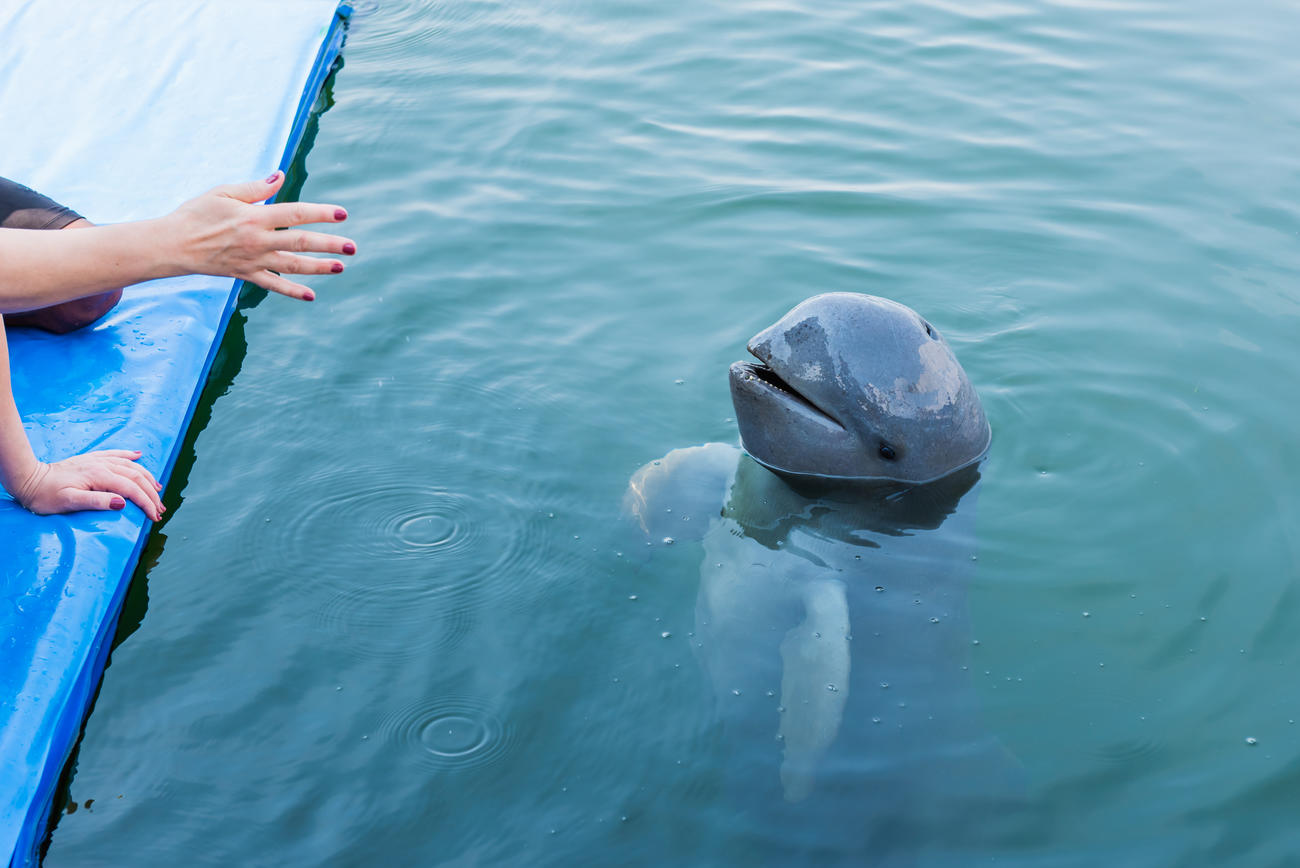
Irrawaddy Dolphin: The Rare River Dolphin
The Irrawaddy dolphin is one of the world’s most unusual aquatic mammals.
Unlike many dolphins, it does not have a long beak-like nose. Instead, it has a rounded forehead and a gentle appearance.
These dolphins live in coastal waters and rivers across parts of Southeast Asia.
A Unique Relationship With Humans
In some communities, Irrawaddy dolphins are respected as special animals connected with local traditions and beliefs.
However, their survival is threatened by:
- Fishing equipment accidents
- Water pollution
- Habitat changes
- River development
Conservation projects aim to protect their remaining populations and preserve healthy river ecosystems.
Eastern Lowland Gorilla: A Rare Great Ape
The eastern lowland gorilla is one of the world’s most impressive rare animals.
These powerful yet intelligent primates live in forests of the Democratic Republic of Congo.
Despite their strength, they face serious challenges.
Why Gorillas Are Endangered
Major threats include:
- Loss of forest habitat
- Illegal hunting
- Human conflict
- Disease
Conservation teams work with local communities to protect gorillas and their environments.
The Importance of Gorilla Conservation
Gorillas play an important role in forest ecosystems. By protecting gorillas, conservation efforts also help protect countless other plants and animals living in the same habitat.
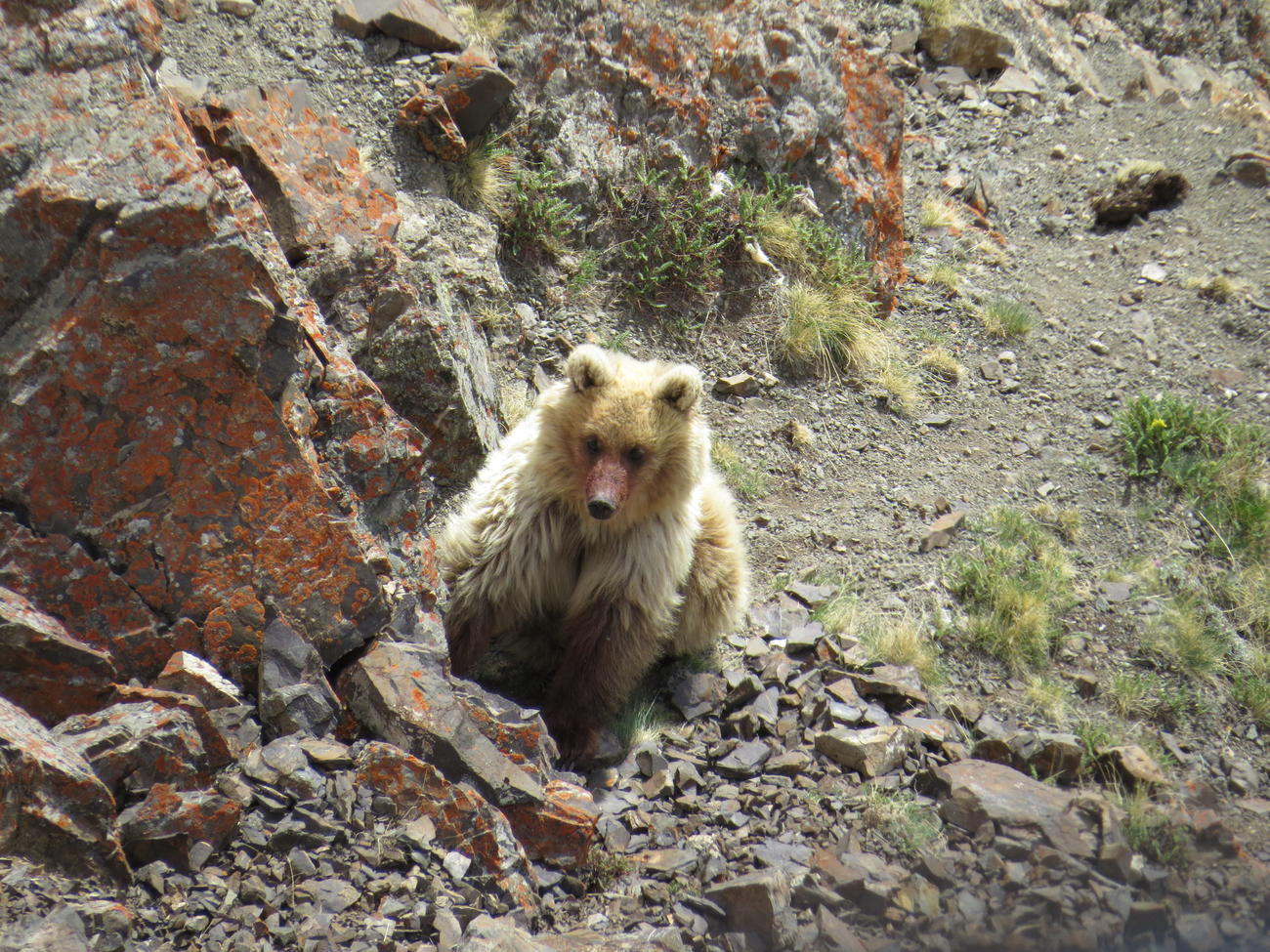
Sailugem Bear: The Mysterious Mountain Bear
Some rare animals are so unusual that scientists are still studying what they truly are.
The Sailugem bear is a fascinating example.
Found in the remote Altai mountain region near the borders of Russia, Mongolia, China, and Kazakhstan, this unusual bear has attracted attention because of its pale-coloured fur.
For decades, reports of this bear were rare, leading some people to question whether it still existed.
Scientists continue researching whether it is:
- A unique bear population
- A variation of brown bears
- A possible subspecies
More research, including genetic studies, is needed to fully understand this mysterious animal.
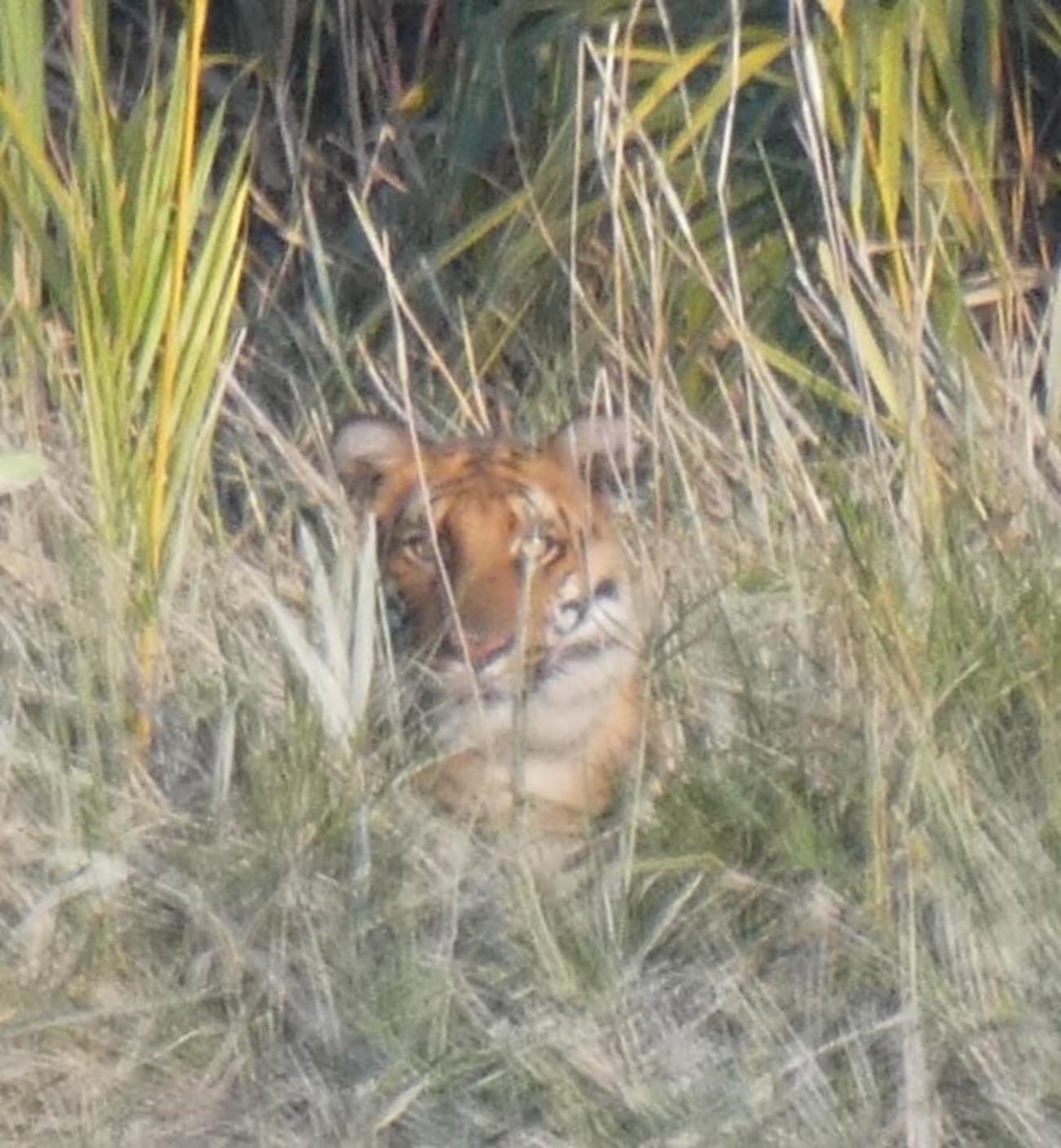
Tigers: The Iconic Yet Rare Predator
Tigers are among the most famous animals in the world, but wild tigers have become increasingly rare.
Although millions of people have seen tigers in zoos or conservation centres, seeing one in its natural habitat is much more difficult.
Wild tigers face threats including:
- Habitat loss
- Illegal wildlife trade
- Human conflict
The Importance of Tiger Conservation
Tigers are apex predators, meaning they help maintain balance in ecosystems.
Protecting tigers also protects forests, rivers, and many other species that share their environment.
Why Rare Animal Sightings Matter
Seeing a rare animal in the wild is more than an exciting experience.
These moments help people understand the importance of protecting nature.
A rare wildlife encounter can:
- Increase awareness
- Support conservation tourism
- Encourage scientific research
- Inspire environmental responsibility
Responsible wildlife tourism can provide financial support for local communities and conservation programs.
However, wildlife experiences must always respect animals and avoid disturbing their natural behaviour.
How Can We Protect Rare Animals?
Protecting rare animals requires global cooperation.
Important conservation actions include:
Protecting Natural Habitats
National parks and protected areas give animals safe spaces to live.
Fighting Illegal Wildlife Trade
Reducing demand for animal products helps prevent poaching.
Supporting Conservation Programs
Scientific research and community projects are essential for long-term protection.
Responsible Travel
Wildlife tourism should focus on observation, education, and respect for animals.
Frequently Asked Questions About Rare Animals
What is the rarest animal in the world?
There is no single answer because rarity depends on population numbers and conservation status. Some extremely rare animals include certain rhinoceros species, river dolphins, and specific island species.
Why are rare animals important?
Rare animals contribute to biodiversity and help maintain healthy ecosystems.
Can rare animals become extinct?
Yes. Small populations are more vulnerable to environmental changes and human threats.
Where can people see rare animals?
Many rare animals can be seen in protected national parks and conservation areas, although sightings are never guaranteed.
How can individuals help rare animals?
People can help by supporting conservation, reducing environmental impact, and respecting wildlife.
Conclusion: Protecting the World’s Rare Animals
Rare animals represent some of the most extraordinary achievements of nature. Each species has evolved with unique abilities, behaviours, and roles within the environment.
From the silent snow leopard of the mountains to the intelligent gorilla of African forests, these creatures show the incredible diversity of life on Earth.
However, many rare animals are facing challenges caused by human activity and environmental change. Their survival depends on conservation efforts, responsible choices, and global awareness.
Every rare animal sighting is a reminder that these creatures are not just fascinating discoveries — they are important parts of our planet’s future.
By protecting wildlife today, we help ensure that future generations can continue to experience the wonder of the world’s rarest animals.