Wedding horse is an elegant and symbolic animal that represents pride, celebration, strength, and a new beginning. A wedding day is one of the most meaningful moments in a person’s life, filled with emotions, traditions, and unforgettable memories. Across different cultures around the world, couples choose unique ways to celebrate their union and create a grand entrance.
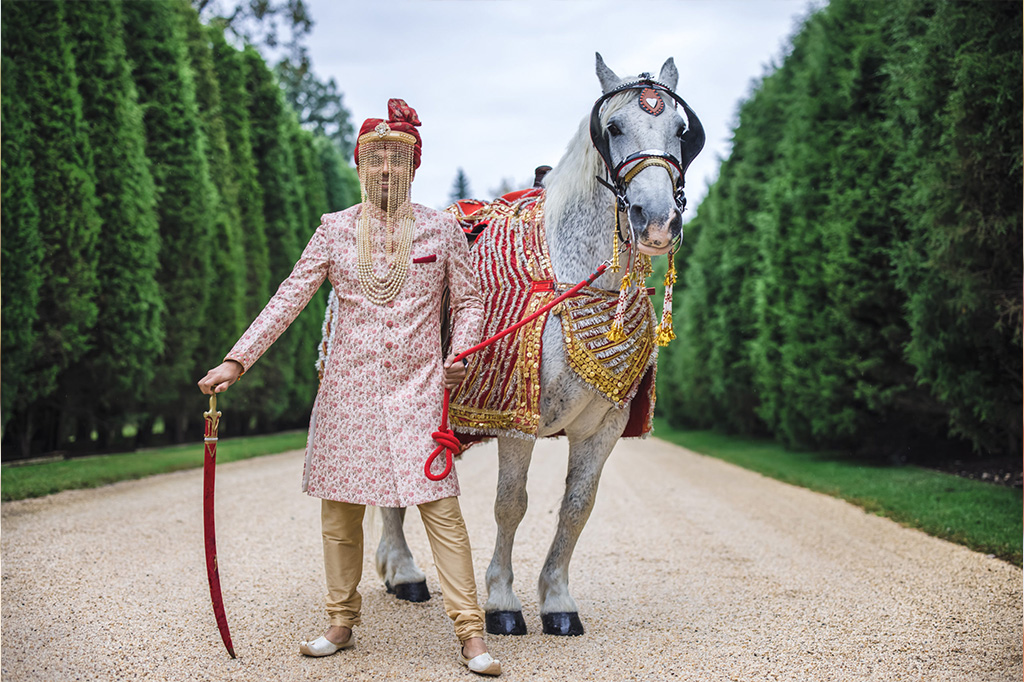
The image of a groom arriving on a beautifully decorated horse is especially famous in South Asian weddings. The horse, often called a Ghodi, becomes the centre of attention during the Baraat procession, where family members, musicians, and friends gather to celebrate with dancing and music.
Beyond its visual beauty, a wedding horse carries deep cultural meaning. Horses have been connected with royalty, courage, and companionship for thousands of years. Today, this tradition continues to evolve, blending ancient customs with modern wedding styles in countries such as the UK, where multicultural celebrations have become increasingly popular.
Modern couples are not only choosing wedding horses for tradition but also for the unforgettable atmosphere and stunning photographs they create.
What Is a Wedding Horse?
A wedding horse is a specially prepared and decorated horse used as part of a wedding ceremony, particularly in South Asian cultures. Traditionally, the groom rides the horse while travelling to the wedding venue as part of the Baraat procession.
The horse is usually decorated with beautiful fabrics, ornaments, flowers, and accessories that match the wedding theme. The groom’s arrival on horseback is often accompanied by energetic music, including Dhol drums, dancing guests, and family celebrations.
It represents:
- Royal elegance
- Strength and confidence
- A joyful new journey
- Cultural heritage
- Respect for tradition
For many families, the moment when the groom arrives on a wedding horse is one of the most emotional and memorable parts of the entire celebration.
The Historical Meaning Behind Wedding Horses
Horses have played an important role in human history for thousands of years. Ancient civilizations valued horses for transportation, farming, warfare, and ceremonies. Because of their power and beauty, horses became symbols of status and nobility.
In many royal cultures, leaders and warriors travelled on horses to show strength and importance. This connection between horses and royalty influenced wedding traditions, especially in regions where kings and warriors were celebrated figures.
In South Asian weddings, the groom riding a horse became associated with honour and responsibility. The journey toward the bride’s home symbolised the beginning of a new chapter in life.
The horse also represents qualities many couples hope to bring into marriage:
- Loyalty
- Patience
- Strength
- Partnership
- Protection
These symbolic meanings are why the wedding horse tradition remains popular even in modern times.

Traditions in South Asian Weddings
The wedding horse is most strongly associated with South Asian wedding ceremonies, especially Hindu, Sikh, and some Muslim wedding celebrations.
During the Baraat, the groom traditionally arrives on a decorated horse while surrounded by family and friends. The atmosphere is energetic and full of celebration.
The procession often includes:
- Dhol players creating traditional rhythms
- Dancing guests
- Colourful outfits
- Flower decorations
- Wedding photographers capturing the moment
The horse’s arrival signals that the wedding ceremony is about to begin. It creates excitement and brings both families together before the official celebration.
A white horse is often preferred because it is associated with purity, peace, and elegance. However, other colours and breeds may also be chosen depending on availability and personal preference.
Why White Horses Are Popular for Weddings
Among wedding horse choices, white horses are especially popular because they create a powerful visual impression.
A white horse often represents:
Purity and New Beginnings
White is commonly connected with peace, freshness, and a new journey. Since marriage represents the start of a new life stage, a white horse fits naturally into the symbolism.
Royal Appearance
A white horse creates a majestic appearance, making the groom’s entrance look elegant and memorable.
Photography Appeal
Wedding photographers often love capturing white horses because they stand out beautifully against colourful wedding clothing and decorations.
Popular wedding horse breeds may include:
- Andalusian horses
- Friesian horses
- Arabian horses
- Calm, well-trained local breeds
The most important factor is not only appearance but also temperament and training.
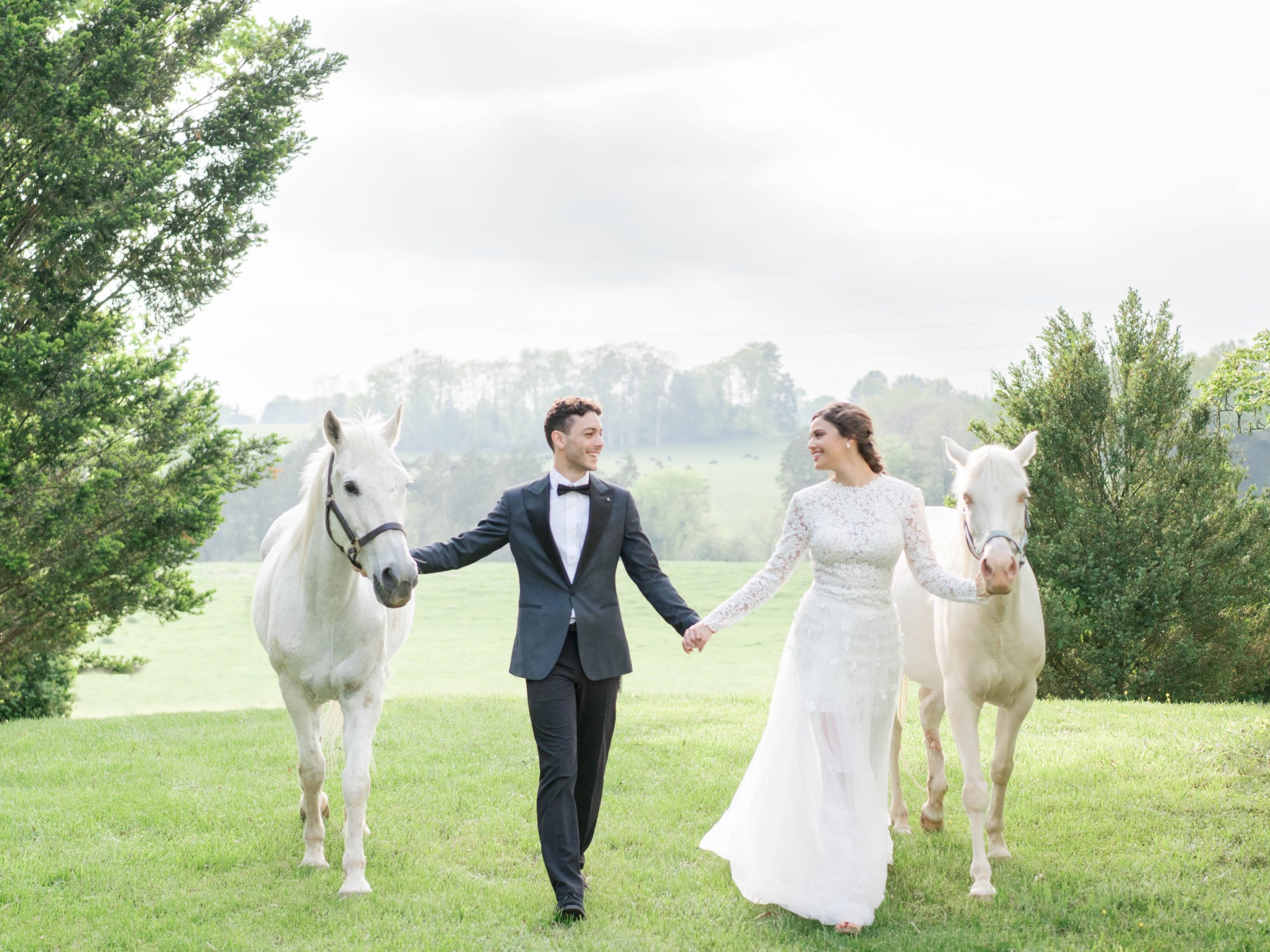
Wedding Horse Trends in the UK
In recent years, wedding horse traditions have become increasingly popular in the UK, especially among South Asian communities.
Cities such as London, Birmingham, Leicester, and Bradford often host multicultural weddings where traditional ceremonies are combined with modern luxury elements.
UK wedding horse trends include:
Traditional Baraat Entries
Many couples continue the classic tradition of the groom arriving on a decorated horse with Dhol music and dancing guests.
Luxury Horse Themes
Some couples choose horses that match their wedding colour scheme, adding:
- Gold decorations
- Floral arrangements
- Custom saddle designs
- Elegant accessories
Fusion Weddings
Modern weddings often combine traditional and contemporary styles. A groom may arrive on a horse while luxury vehicles, photographers, and modern entertainment create a complete experience.
Fairy-Tale Entrances
Horse-drawn carriages are also becoming popular among couples who want a romantic, storybook-style wedding arrival.
How to Choose the Right Wedding Horse
Selecting a wedding horse requires more than choosing the most beautiful animal. The horse’s personality, training, and comfort are extremely important.
A suitable wedding horse should be:
Calm Around Crowds
Wedding celebrations can involve loud music, dancing, cameras, and many people. A trained horse should remain comfortable in busy environments.
Experienced With Events
Professional wedding horses are usually trained to handle:
- Music
- Flash photography
- Large gatherings
- Outdoor locations
Healthy and Well-Cared For
Animal welfare should always be a priority. The horse should receive proper care, rest, hydration, and professional handling.
Couples should always choose experienced providers who understand both wedding requirements and animal safety.
Wedding Horse Decoration Ideas
One of the most exciting parts of having a wedding horse is the decoration.
Traditional horse styling, often known as Ghodi decoration, transforms the horse into a beautiful part of the wedding theme.
Popular decoration ideas include:
Floral Decorations
Fresh flowers or artificial flower arrangements can create a romantic and elegant appearance.
Embroidered Saddle Covers
Luxury fabrics with detailed patterns can match the groom’s outfit and wedding colours.
Decorative Accessories
Common accessories include:
- Jewelled bridles
- Decorative ropes
- Feather details
- Colourful fabrics
Cultural Designs
Some families choose decorations inspired by their heritage, adding personal meaning to the ceremony.
However, decorations should always be lightweight and comfortable for the horse. The animal’s comfort must come before appearance.
Wedding Horse Safety and Animal Welfare
A beautiful wedding experience should also be a responsible one.
Professional wedding horse providers follow safety standards to ensure both guests and animals remain safe.
Important safety considerations include:
Trained Handlers
Experienced handlers understand horse behaviour and can guide the animal safely through the event.
Noise Preparation
Wedding music, especially drums and speakers, can be loud. Horses used for weddings should be familiar with different sounds.
Suitable Environment
The venue should provide enough space for the horse to move safely.
Animal Comfort
A responsible provider ensures the horse has:
- Water
- Rest breaks
- Appropriate weather conditions
- Comfortable equipment
Respecting the horse creates a better experience for everyone involved.
Alternatives to a Wedding Horse
Popular alternatives include:
Horse-Drawn Carriages
Perfect for couples who want a romantic and classic entrance.
Luxury Wedding Cars
Vehicles such as luxury cars provide comfort and elegance while maintaining a grand arrival.
Modern Processions
Some couples choose music-focused entrances featuring:
- Dhol performances
- Dancing
- Special effects
- Entertainment
The goal is to create a memorable experience that reflects the couple’s personality.

Wedding Horse Photography Ideas
Some popular photo moments include:
- Groom’s first arrival
- Close-up portraits with the horse
- Traditional Baraat moments
- Family celebration photos
- Sunset horse portraits
The combination of traditional clothing, decorations, and a beautiful animal creates timeless images.
FAQs About Wedding Horses
What is a wedding horse called?
In many South Asian weddings, the traditional wedding horse is called a Ghodi.
What type of horse is used for weddings?
Common choices include white mares, geldings, and breeds known for calm behaviour and elegant appearance.
Is riding a wedding horse safe?
Yes, when the horse is properly trained and managed by experienced handlers.
Can someone ride a wedding horse without experience?
Usually yes. Professional handlers support the groom and guide the horse throughout the entrance.
Are wedding horses allowed in the UK?
Wedding horses can be used in the UK when providers follow relevant safety, licensing, and animal welfare requirements.
Final Thoughts: Why a Wedding Horse Makes a Wedding Special
A wedding horse is much more than a beautiful entrance. It represents tradition, history, celebration, and the connection between humans and animals.
From ancient symbolism to modern wedding trends, horses continue to hold a special place in ceremonies around the world. Their elegance, strength, and presence create unforgettable moments that couples and families remember for years.
Sources
- RSPCA – Animal welfare guidance
- Department for Environment, Food & Rural Affairs – Animal welfare regulations
- Historical references on horses in cultural ceremonies and traditions