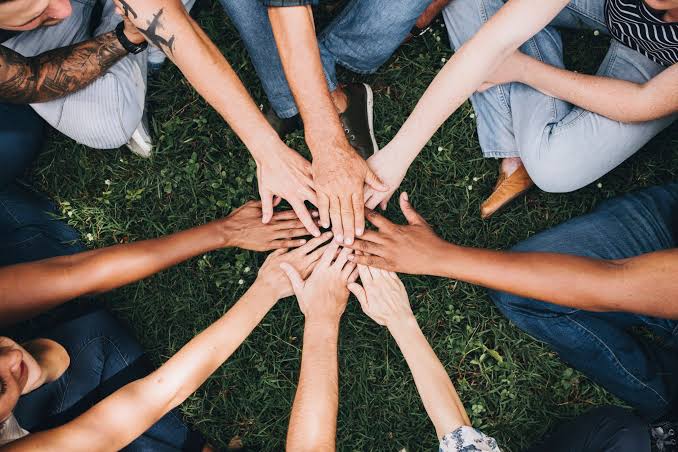
Making new friends often requires courage, openness, and intentional effort. Human beings are naturally connected by relationships. From childhood playgrounds to professional environments, friendships shape the way we experience life, overcome challenges, and celebrate meaningful moments.
Friendship is one of the most valuable gifts we can experience. A true friend is someone who listens when life feels heavy, celebrates our achievements, encourages our dreams, and reminds us that we are not alone. As people grow older, however, building new friendships can become more complicated. Busy schedules, career responsibilities, family commitments, and personal changes can make it harder to meet new people and create deep connections.
When we are young, friendships often form through school, shared activities, or simple daily interactions. As adults, friendship requires more awareness. We may need to step outside our comfort zones, start conversations, accept invitations, and allow ourselves to be vulnerable.
The beautiful truth is that it is never too late to create meaningful friendships. Whether you are starting a new chapter in life, moving to a new place, changing careers, or simply looking for deeper connections, learning how to make new friends can transform your emotional well-being and enrich your everyday experiences.
The Importance of Making New Friends in Life
Friendships provide much more than companionship. They influence our happiness, confidence, emotional health, and sense of belonging. A supportive friendship can help us handle stress, develop new perspectives, and discover parts of ourselves that we may not have noticed before.
Friends Create Emotional Support
Life includes moments of uncertainty, disappointment, and change. During difficult times, having someone who understands and supports us can make challenges feel easier. Friends provide a safe space where we can share thoughts, express emotions, and receive encouragement.
A meaningful friendship is not built on perfection. It is built on trust, kindness, understanding, and the willingness to accept each other.
Friends Help Us Grow
Every person we meet has a different story, experience, and viewpoint. New friendships introduce us to ideas outside our own world. Sometimes, a friend can inspire us to try something new, challenge our assumptions, or discover a hidden passion.
The best friendships are not always between people who are exactly alike. Often, differences create opportunities for learning and personal growth.
Friends Make Life More Enjoyable
A simple conversation, a shared meal, a walk in the park, or a spontaneous adventure can become a treasured memory when experienced with a friend. Friendship adds laughter, excitement, and warmth to everyday life.
Why Making New Friends Can Feel Difficult
Although friendship is valuable, many people struggle with building new connections. Understanding these challenges can help us overcome them.
Fear of Rejection
One of the biggest barriers to making new friends is the fear of being rejected. People may hesitate to start conversations because they worry they will not be accepted or that the other person will not be interested.
However, every friendship begins with a small step. A simple hello, a question, or an invitation can be the beginning of a meaningful relationship.
Busy Modern Lifestyles
Modern life often leaves little time for social connection. Work, responsibilities, and digital distractions can reduce opportunities for face-to-face interactions.
Creating friendships requires making time for people. Even small efforts, such as joining a community activity or checking in with someone, can make a difference.
Becoming Too Comfortable Alone
Independence is valuable, but staying isolated for too long can prevent us from experiencing the benefits of friendship. Sometimes, we need to intentionally put ourselves in situations where new relationships can develop.
10 Practical Tips for Making New Friends
1. Be Open to New Connections
The first step in making new friends is opening your mind and heart to the possibility of meeting someone special. A new friend may not appear exactly as you imagine.
Avoid creating a strict checklist of what a friend should look like, believe, or do. Some of the strongest friendships happen between people with different backgrounds and personalities.
Being open does not mean trusting everyone immediately. It means allowing yourself the opportunity to discover who people truly are.
2. Step Outside Your Comfort Zone
New friendships rarely appear if you stay in the same routines every day. Meeting new people requires movement and curiosity.
Try activities where interaction naturally happens:
- Join a book club
- Attend community events
- Take a fitness class
- Participate in workshops
- Volunteer for a cause you care about
- Join online groups that lead to real conversations
Every new environment creates a chance to connect.

3. Make the First Move
Many people wait for someone else to start a friendship. However, sometimes you need to take the first step.
If you meet someone interesting, suggest a simple activity:
“Would you like to grab coffee sometime?”
“Would you like to join me for a walk?”
A friendship cannot grow if both people are waiting.
4. Avoid Judging Too Quickly
When making new friends, it is easy to focus on differences. Someone may have a different lifestyle, personality, career, or background.
Instead of asking, “Are we exactly the same?” consider asking:
“Can we learn from each other?”
“Do we enjoy spending time together?”
“Do we treat each other with kindness?”
Great friendships often come from unexpected connections.
5. Allow Friendships to Develop Naturally
A new friendship is like planting a seed. It needs time, care, and patience.
While it is wonderful to connect deeply with someone, sharing too much too quickly can sometimes create pressure. Healthy friendships develop gradually through shared experiences.
Let trust grow naturally.
6. Stop Comparing Yourself to Others
Comparison can damage relationships before they even begin. People often compare appearance, success, lifestyle, or achievements.
Friendship is not a competition. A true friend does not need you to be better than others. They appreciate who you are.
The strongest friendships are built on acceptance, not comparison.
7. Show Thoughtfulness
Small acts of kindness create strong connections.
Remember someone’s birthday. Send a thoughtful message. Celebrate their achievements. Ask how they are doing.
Friendship grows through small moments of care.
A simple “I was thinking about you today” can mean a lot.
8. Give as Much as You Receive
Friendship requires balance. If someone always reaches out, plans activities, or offers support, make an effort to do the same.
A healthy friendship includes both giving and receiving.
Ask yourself:
“Am I showing appreciation?”
“Am I supporting them as they support me?”

9. Protect Trust and Loyalty
Trust is one of the foundations of friendship. Without trust, even close relationships can become fragile.
Avoid gossiping or sharing personal information that a friend trusted you with. Respect their privacy and boundaries.
A loyal friend creates a relationship where both people feel safe.
10. Remember to Have Fun
Friendship should bring happiness. While emotional support matters, friendships also need joy.
Laugh together. Try new experiences. Create memories.
A friendship becomes stronger when people genuinely enjoy being around each other.
Where to Meet New Friends
Finding opportunities to connect with others can make the process easier.
Community Activities
Local groups, classes, and events are excellent places to meet people with similar interests. Shared activities create natural conversations.
Work and Professional Networks
Colleagues and professional communities can become meaningful friendships when relationships develop beyond daily tasks.
Hobbies and Interests
A shared passion can be the foundation of a strong friendship. Whether it is cooking, sports, reading, art, or travel, hobbies bring people together.
Online Communities
Technology has created new ways to connect. Online communities can introduce you to people from different backgrounds. However, meaningful friendships often become stronger when online conversations develop into real interactions.
The Qualities of a Great Friend
Making new friends is not only about finding good people. It is also about becoming a good friend.
A great friend is someone who:
- Listens without immediately judging
- Celebrates your successes
- Supports you during challenges
- Respects your boundaries
- Communicates honestly
- Encourages your personal growth
- Shows kindness consistently
Friendship is a relationship where both people contribute.
The Lifelong Benefits of Friendship
Strong friendships can improve many areas of life. They can increase happiness, reduce feelings of loneliness, and create a stronger sense of purpose.
Friends remind us that our experiences matter. They share our memories, witness our growth, and become part of our personal stories.
Throughout history, many inspiring examples show the power of friendship. People from different backgrounds often discover that compassion and understanding can create bonds stronger than their differences.
Conclusion: Making New Friends Is Always Worth the Effort
Making new friends may feel challenging, especially during periods of change or uncertainty. However, every meaningful friendship begins with a simple moment: a conversation, an invitation, or the courage to reach out.
The best friendships are not created instantly. They grow through trust, kindness, patience, and shared experiences.
Do not wait for friendship to happen by accident. Be open. Be curious. Take small steps toward connection.
A new friend may become someone who supports you, inspires you, and brings unexpected happiness into your life.
Friendship is one of life’s greatest treasures, and the effort required to build it is always worthwhile.
Sources
- General principles of social connection and friendship psychology
- Research on relationships, emotional well-being, and human connection
- Insights adapted from common friendship-building practices