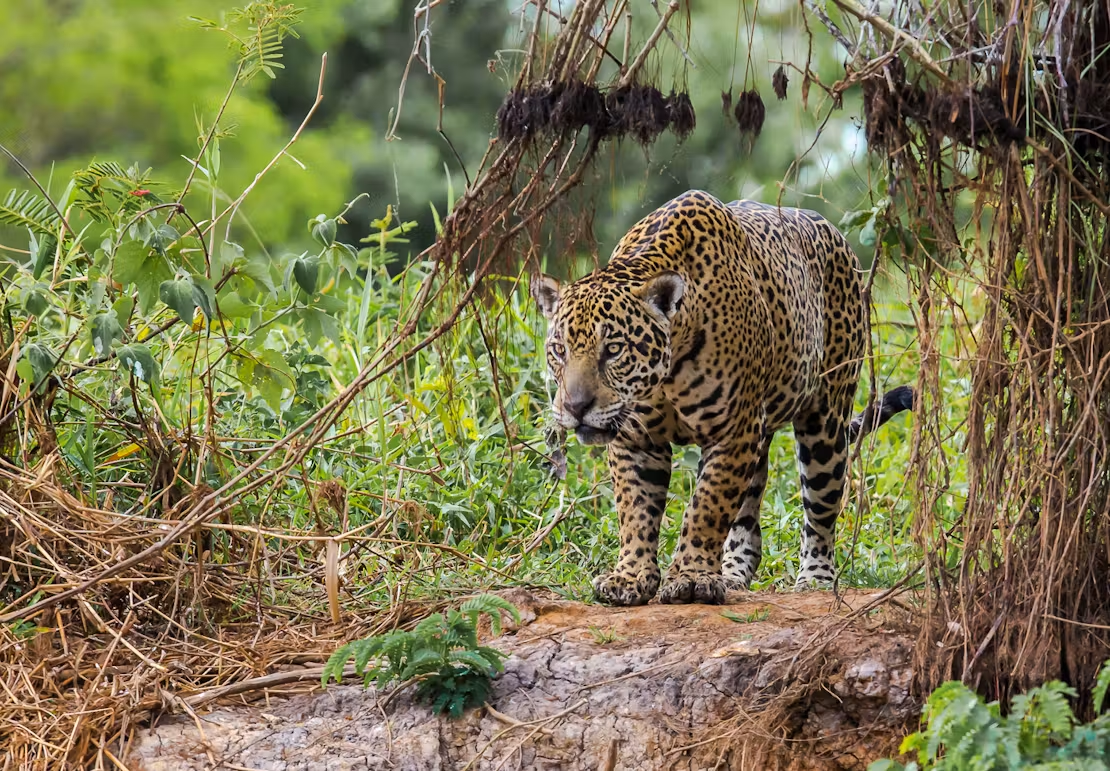
Jaguar facts include where jaguars live, what they eat, their unique hunting abilities, how they compare with other big cats, and why protecting them is essential.
Among all the wild cats on Earth, few animals inspire as much mystery and admiration as the jaguar. Known for its strength, stealth, and beauty, the jaguar has been respected for centuries by cultures throughout the Americas. Indigenous communities have viewed this magnificent predator as a symbol of power, protection, and spiritual connection.
These incredible cats are more than just beautiful animals. Jaguars play a vital role in maintaining healthy ecosystems as apex predators. Their presence helps control prey populations and supports the balance of the environments where they live.
Despite their legendary reputation, jaguars face serious threats today. Habitat loss, human expansion, and illegal wildlife trade have caused their populations to decline across much of their range.
What Is a Jaguar?
The jaguar is one of the world’s largest wild cats and the only big cat native to the Americas. It belongs to the same family as lions, tigers, and leopards but has developed unique characteristics that make it a remarkable predator.
Jaguars are the third-largest cats in the world, after tigers and lions. Adult jaguars can weigh up to around 300 pounds, with powerful bodies designed for climbing, swimming, and hunting.
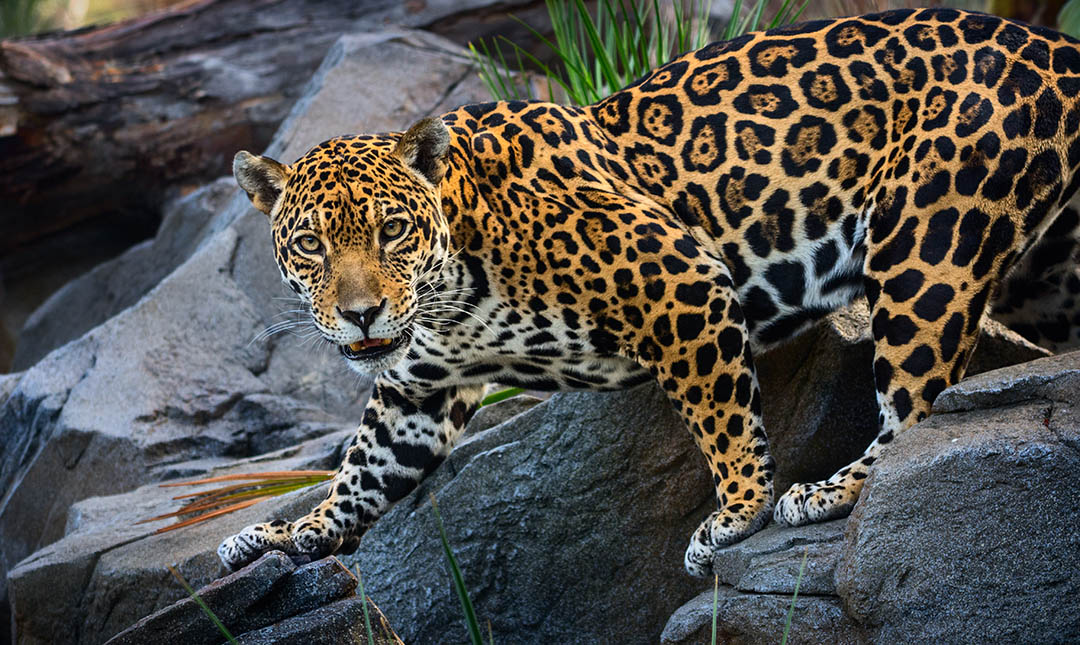
One of the most recognizable features of the jaguar is its spotted coat. Their markings, called rosettes, create a beautiful pattern that helps them blend into forests and grasslands.
Unlike many other big cats, jaguars are known for their extremely powerful bite. Their strong jaws allow them to hunt animals protected by shells or thick skin, making them one of the most successful predators in their habitats.
The name “jaguar” comes from Indigenous languages of South America, reflecting the deep cultural importance of this animal.
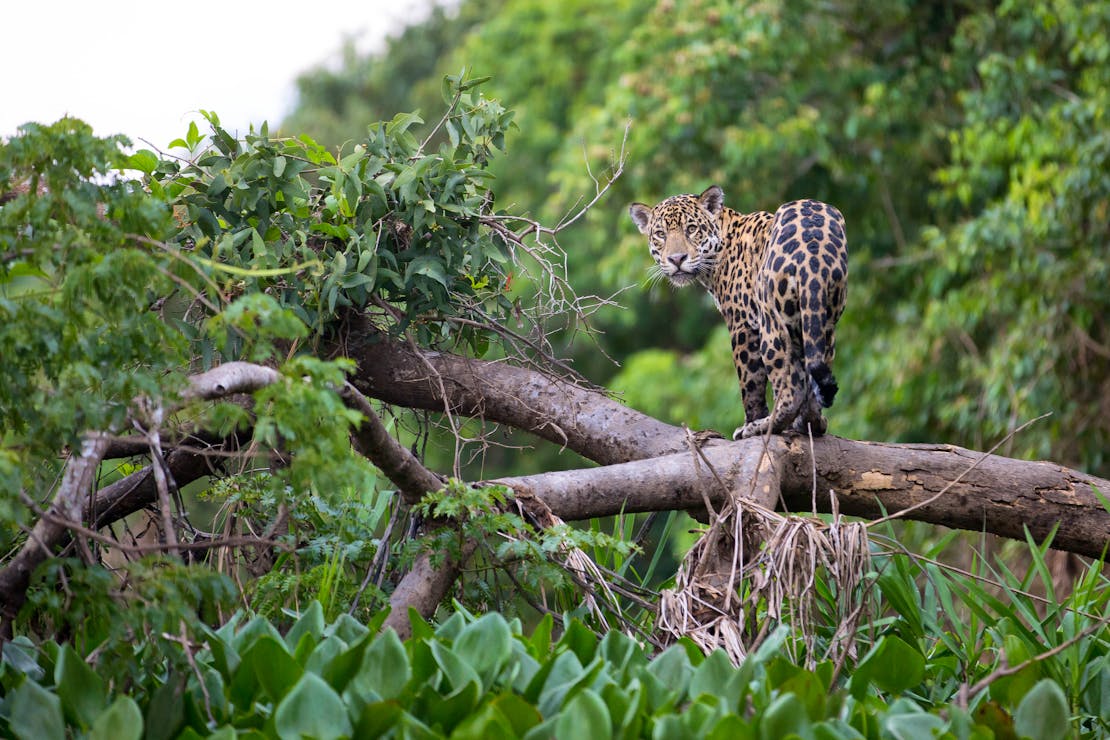
Jaguar Habitat: Where Do Jaguars Live?
One of the most interesting jaguar facts is their incredible ability to adapt to different environments.
Jaguars have historically lived across a wide range of habitats, from parts of the southwestern United States to northern Argentina. Today, most wild jaguars are found in Central and South America.
These adaptable cats can survive in many different ecosystems, including:
- Tropical rainforests
- Wetlands
- Grasslands
- Dry forests
- River valleys
- Mountain forests
The Amazon rainforest contains some of the largest remaining jaguar populations. The dense vegetation provides excellent cover for hunting and raising young.
Jaguars are also closely connected to water. Unlike many other cats, they are excellent swimmers and often live near rivers, lakes, and wetlands.
In areas such as northern Mexico and the southwestern United States, jaguars have adapted to woodland environments and river habitats. These areas provide cooler conditions and important resources for survival.
Jaguar Appearance: How to Identify This Big Cat
Jaguars are often confused with leopards because both have spotted coats. However, there are several important differences.
Jaguar vs Leopard: Key Differences
The easiest way to distinguish a jaguar from a leopard is by looking at their spots.
Jaguar markings are called rosettes. These patterns are usually larger and often contain small spots inside them. Leopard spots are generally smaller and do not usually have central dots.
Jaguars also have a heavier, stronger body structure. They have:
- A broad head
- Powerful shoulders
- Thick legs
- A muscular body
Compared with leopards and cheetahs, jaguars are built more for strength than speed.
While cheetahs rely on incredible acceleration to chase prey, jaguars are ambush hunters that use patience and surprise.
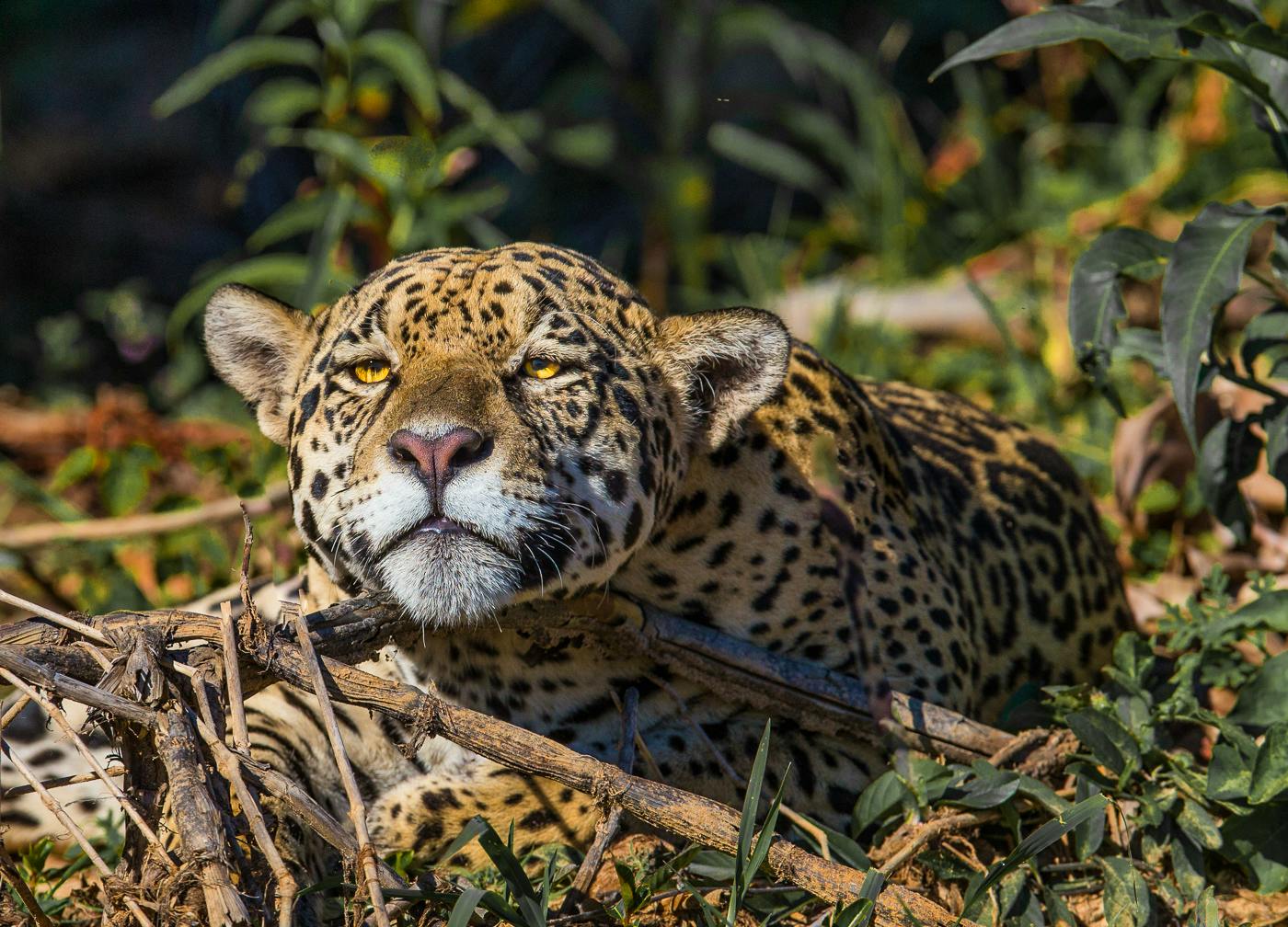
Jaguar Hunting Skills: The Powerful Predator
Jaguars are among the most impressive hunters in the animal kingdom.
Their hunting strategy is based on stealth. Instead of chasing prey over long distances, they quietly approach and attack when the moment is right.
Their powerful jaws are one of their greatest advantages. Unlike many cats that attack by suffocating prey with a bite to the throat, jaguars can deliver a crushing bite that can penetrate skulls or tough shells.
Jaguars hunt a wide variety of animals, including:
- Fish
- Turtles
- Caimans
- Birds
- Monkeys
- Deer
- Small mammals
Their ability to swim gives them access to prey that many other cats cannot reach.
Jaguars are mostly solitary hunters. The only long-term social groups usually involve mothers and their cubs.
Young jaguars stay with their mothers for up to two years, learning essential survival skills such as tracking, hunting, and avoiding danger.
Jaguar Behavior: The Secretive “Ghost Cat”
Jaguars are sometimes called “ghost cats” because they are extremely difficult to observe in the wild.
They are quiet, patient, and excellent at moving through forests without being detected.
Most jaguars are solitary and territorial. They mark their areas using scent, scratches, and other signals to warn other jaguars.
These cats are usually most active during dawn, dusk, or nighttime. Their excellent vision helps them hunt in low-light conditions.
Their secretive lifestyle makes studying wild jaguars challenging, but modern technology such as camera traps has helped researchers learn more about their behavior.
The Role of Jaguars in Nature
Jaguars are not just powerful predators; they are essential parts of their ecosystems.
As apex predators, jaguars help maintain balance by controlling populations of other animals.
Without predators like jaguars, some prey species could become too numerous, affecting plants, forests, and other wildlife.
Jaguars are also considered an umbrella species. This means protecting their habitat helps protect many other species that share the same environment.
When forests are preserved for jaguars, countless other animals benefit as well.
Are Jaguars Endangered?
Although jaguars are not currently extinct, their populations are declining in many regions.
Over recent decades, jaguar numbers have decreased due to several threats.
The biggest challenges include:
Habitat Loss
The greatest threat to jaguars is the destruction and fragmentation of their habitat.
Forests are cleared for:
- Agriculture
- Roads
- Mining
- Human settlements
Because jaguars require large territories to hunt, habitat fragmentation makes survival more difficult.
Illegal Wildlife Trade
Historically, jaguars were hunted for their beautiful fur.
Today, illegal trade continues to threaten them. Some jaguars are killed for their teeth, bones, and other body parts.
Human-Wildlife Conflict
As human communities expand into jaguar habitats, encounters between people and jaguars become more common.
Sometimes jaguars may hunt livestock, creating conflicts with farmers.
Conservation programs work to reduce these conflicts and create ways for humans and jaguars to coexist.
How Can We Help Jaguars?
Protecting jaguars requires global cooperation and awareness.
Important conservation actions include:
- Protecting rainforest habitats
- Creating wildlife corridors
- Preventing illegal hunting
- Supporting conservation research
- Educating communities about jaguar protection
Preserving jaguars also means protecting entire ecosystems. When forests and wetlands remain healthy, thousands of plants and animals benefit.
Every effort to conserve jaguars contributes to maintaining the natural balance of our planet.
Amazing Jaguar Facts You Should Know
Here are some additional fascinating jaguar facts:
1. Jaguars Love Water
Unlike many cats, jaguars are strong swimmers and often hunt in rivers.
2. Jaguars Have the Strongest Bite Among Big Cats
Their jaw strength allows them to crush hard prey items.
3. Jaguars Can Adapt to Many Environments
They can survive in rainforests, wetlands, and dry landscapes.
4. Jaguars Are Mostly Solitary
Adult jaguars usually live and hunt alone.
5. Jaguars Have Cultural Importance
Many Indigenous cultures have viewed jaguars as symbols of strength and protection.

Conclusion: Protecting the Legendary Jaguar
The jaguar is one of the most extraordinary animals on Earth. With its powerful body, intelligent hunting strategies, and mysterious behavior, it represents the incredible diversity of wildlife.
From the rainforests of South America to the forests of Mexico, jaguars have survived for thousands of years. They are not only beautiful predators but also important guardians of their ecosystems.
However, their future depends on conservation efforts. Protecting jaguars means protecting forests, rivers, and countless other species that share their world.
By learning more about these remarkable cats and supporting wildlife protection, we can help ensure that future generations will continue to admire the legendary jaguar.
Sources
Defenders of Wildlife. “An Iconic Big Cat: Fun Facts About Jaguars.”
Wildlife research and conservation resources on jaguar ecology and behavior.