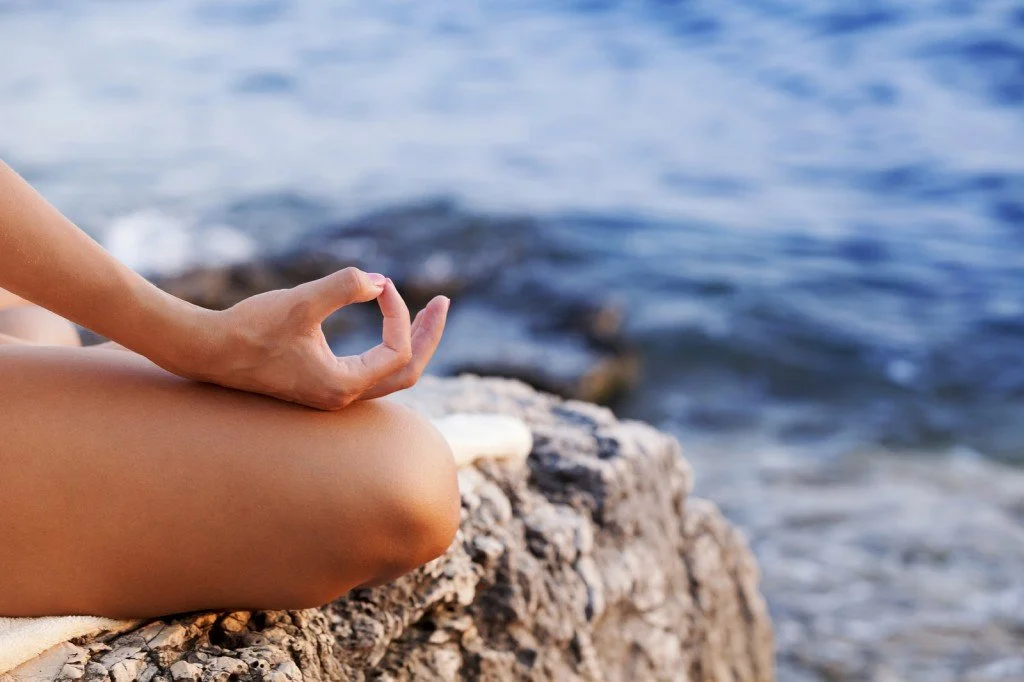
Wellness lifestyle is not simply a trend or a temporary health challenge. It is a long-term approach to living that focuses on creating harmony between the mind, body, and inner self. It encourages people to make conscious choices that support physical health, emotional balance, mental clarity, and personal growth.
In today’s fast-paced world, many people are searching for ways to feel healthier, happier, and more connected with themselves. A busy schedule, constant digital distractions, work pressure, and daily responsibilities can often make people forget one important thing: taking care of their own well-being.
This is where a wellness lifestyle becomes meaningful.
Many people think wellness is only about eating healthy food or exercising regularly. However, true wellness includes much more. It involves mindfulness, self-awareness, quality relationships, stress management, positive habits, and learning to listen to what your body and mind truly need.
Living a wellness lifestyle does not mean being perfect. It means becoming more aware of your choices and continuously moving toward a healthier version of yourself.
In this article, we will explore what a wellness lifestyle means, why it matters, and the essential habits that can help you create a more balanced and fulfilling life.
What Is a Wellness Lifestyle?
A wellness lifestyle is a way of living that supports overall well-being through intentional daily choices. It focuses on the connection between physical health, emotional wellness, mental awareness, and personal fulfillment.
Unlike short-term diets or temporary fitness plans, wellness is a continuous journey. It is about building habits that help you feel stronger, calmer, and more energized over time.
A wellness lifestyle includes several important areas:
- Physical wellness
- Mental wellness
- Emotional balance
- Healthy nutrition
- Regular movement
- Mindfulness practices
- Self-care
- Meaningful relationships
The goal is not to create a perfect life. The goal is to create a lifestyle that helps you feel your best while adapting to changes and challenges.
Why a Wellness Lifestyle Matters
The modern world often encourages people to focus on productivity and achievement while ignoring their own needs. Over time, this imbalance can lead to exhaustion, stress, poor health habits, and emotional struggles.
A wellness lifestyle helps restore balance by encouraging people to slow down and reconnect with themselves.
Benefits of a wellness lifestyle include:
Improved Physical Health
Healthy nutrition, movement, and proper rest support the body’s natural functions.
Better Mental Clarity
Mindfulness and relaxation practices can help reduce mental overload and improve focus.
Increased Energy
When the body receives proper care, energy levels often improve naturally.
Emotional Stability
Wellness habits can help people understand their emotions and respond to challenges more effectively.
Greater Self-Confidence
Taking care of yourself creates a stronger sense of self-worth and empowerment.
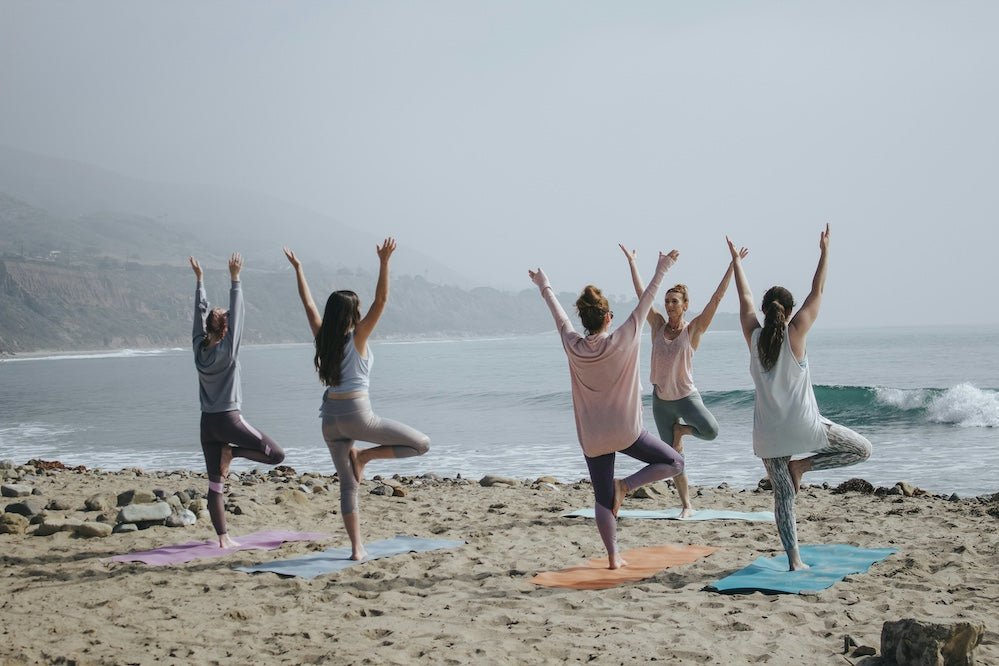
1. Build Self-Awareness and Listen to Your Body
One of the foundations of a wellness lifestyle is learning how to listen to your body.
Many people ignore signals such as:
- Feeling constantly tired
- Poor sleep quality
- Digestive discomfort
- Mood changes
- Lack of energy
These signs may indicate that your body needs more attention.
Self-awareness means noticing how different choices affect your well-being. For example:
- How does certain food make you feel?
- Does your daily routine support your energy?
- Are you giving yourself enough time to rest?
A wellness journey begins with awareness, not judgment.
Nobody creates healthy habits perfectly from the beginning. Mistakes and setbacks are part of the process. Each experience teaches you more about what supports your best self.
2. Practice Self-Compassion Instead of Self-Criticism
A healthy lifestyle is built on kindness toward yourself.
Many people try to improve their health through negative thoughts:
“I failed.”
“I should have done better.”
However, harsh self-criticism often creates stress and makes change more difficult.
A wellness lifestyle encourages a different approach:
- Accept where you are today
- Learn from your experiences
- Make better choices moving forward
- Treat yourself with patience
Self-compassion creates motivation that lasts longer than guilt or pressure.
When you respect yourself, healthy decisions become an act of care rather than punishment.

3. Create Balance Through Relaxation and Self-Care
A common misunderstanding about wellness is that it only requires action: more exercise, more discipline, and more productivity.
However, rest is equally important.
A balanced wellness lifestyle includes both active energy and relaxation.
Relaxation practices may include:
- Taking a warm bath
- Reading a book
- Spending time in nature
- Practicing breathing exercises
- Enjoying quiet moments
- Disconnecting from technology
Rest allows the body and mind to recover.
Without relaxation, even healthy habits can become another source of stress.
True wellness is about balance, not constant effort.
4. Use Meditation to Support Mental Wellness
Meditation is one of the most powerful tools for creating a wellness lifestyle.
Many people avoid meditation because they believe they need special skills or a perfect environment. In reality, meditation can be simple.
Meditation is the practice of bringing awareness to the present moment.
It can help:
- Calm racing thoughts
- Improve concentration
- Reduce stress
- Increase emotional awareness
- Create inner peace
A simple meditation practice can begin with:
- Sit comfortably
- Close your eyes
- Focus on your breathing
- Notice physical sensations
- Allow thoughts to come and go
Even a few minutes each day can create positive changes.
Meditation is not about stopping all thoughts. It is about creating space between yourself and your thoughts.
5. Nourish Your Body with Healthy Nutrition
Nutrition is a major part of a successful wellness lifestyle.
Food is not just about weight or appearance. It provides the energy and nutrients your body needs to function.
A balanced approach to nutrition includes:
- Fresh fruits
- Vegetables
- Whole grains
- Healthy proteins
- Natural foods
- Adequate hydration
Instead of thinking of healthy eating as a strict diet, think of it as a way of supporting your body.
Your body works every day to keep you active, focused, and alive. Giving it quality fuel helps it perform better.
Small improvements can make a big difference:
- Add more vegetables to meals
- Drink more water
- Reduce highly processed foods
- Choose nourishing ingredients
Healthy eating should feel supportive, not restrictive.

6. Make Exercise a Fun Part of Your Lifestyle
Physical movement is another essential element of wellness.
Exercise is not only about changing your appearance. It supports your mood, energy, and overall health.
Movement can help:
- Improve circulation
- Strengthen muscles
- Support mental health
- Increase confidence
- Reduce stress
The best exercise is the one you enjoy.
A wellness lifestyle does not require spending hours in a gym. Activities such as:
- Yoga
- Walking
- Dancing
- Swimming
- Cycling
- Hiking
- Strength training
can all contribute to better health.
When exercise becomes something enjoyable, it becomes easier to maintain long-term.
7. Improve Sleep and Recovery
Sleep is one of the most overlooked parts of wellness.
Many people try to improve their lifestyle while ignoring the importance of rest.
Quality sleep supports:
- Brain function
- Emotional balance
- Immune health
- Energy levels
- Recovery
To create better sleep habits:
- Keep a regular sleep schedule
- Reduce screen time before bed
- Create a calming nighttime routine
- Make your bedroom comfortable
Rest is not wasted time. It is an essential investment in your well-being.
8. Build Positive Relationships
Human connection plays an important role in a wellness lifestyle.
Strong relationships provide:
- Emotional support
- Encouragement
- Happiness
- A sense of belonging
A healthy lifestyle is not only about personal improvement. It is also about the quality of connections you create.
Spend time with people who support your growth.
Meaningful conversations, shared experiences, and kindness can improve emotional wellness.
Sometimes, the simplest moments with others create the greatest sense of happiness.

9. Create a Positive Daily Mindset
Your thoughts influence your emotions and actions.
A positive mindset does not mean ignoring difficulties. It means choosing a healthier way to respond.
Helpful daily practices include:
- Practicing gratitude
- Setting realistic goals
- Celebrating small progress
- Focusing on possibilities
Starting the day with positive intentions can influence your choices.</p>
Simple reminde
rs such as:
“I am capable.”
“I deserve care.”
>>“I can improve step by step.”
can help build confidence and emotional strength.
10. Create a Sustainable Wellness Routine
The best wellness lifestyle is one that fits your real life.
Avoid creating unrealistic expectations.
Instead:
- Start with small changes
- Build consistent habits
- Adjust when needed
- Focus on progress
A sustainable routine might include:
Morning:
- Stretching
- Meditation
- Healthy breakfast
During the day:
- Movement breaks
- Balanced meals
- Mindful breathing
Evening:
- Relaxation
- Journaling
- Quality sleep
Small actions repeated daily create powerful results.
Conclusion: Creating a Wellness Lifestyle That Lasts
A wellness lifestyle is a journey of creating harmony between your mind, body, and everyday choices.
It is about becoming more aware, making healthier decisions, and treating yourself with care.
Through mindfulness, nutritious food, movement, relaxation, positive thinking, and meaningful relationships, you can create a life that feels healthier and more balanced.
Every healthy choice, no matter how small, is a step toward a stronger, happier, and more fulfilled version of yourself.
Wellness is not something you achieve once. It is a lifestyle you continue building every day.
Sources
- Oralux Dental – 5 Secrets to Living a Wellness Lifestyle
- General wellness principles from health and lifestyle research
- Mindfulness, nutrition, exercise, and well-being practices