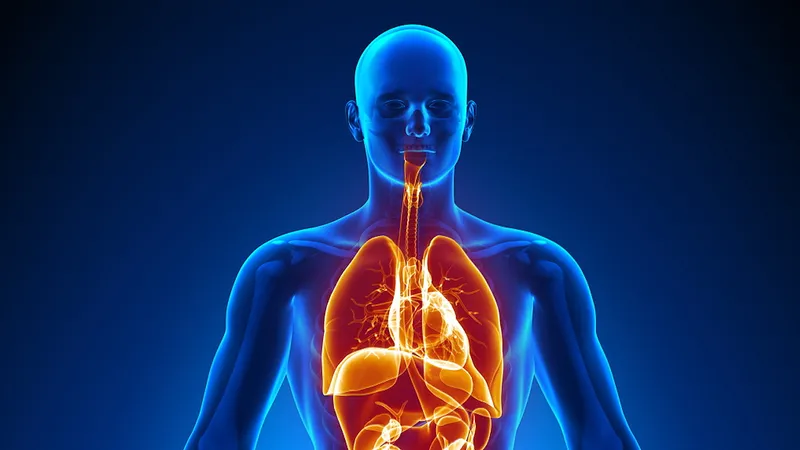
Fun facts about the human body, learn how different organs work together, and discover why your body is far more impressive than you may have imagined.
The human body is one of the most remarkable systems in nature. Every second, billions of cells communicate, organs work together seamlessly, and countless biological processes keep us alive without requiring conscious thought. From the steady rhythm of your heartbeat to the incredible processing power of your brain, your body performs extraordinary tasks every moment of the day.
Scientists continue to uncover new discoveries about how the human body functions, revealing fascinating facts that are both educational and surprising. Some facts explain everyday experiences, while others showcase abilities that seem almost unbelievable—but are completely supported by science.
Why the Human Body Is So Fascinating
The average adult body contains trillions of cells working together like a highly organized city. Every organ, tissue, and system has a specific role that contributes to survival.
Your body constantly:
- Repairs damaged tissues
- Produces energy
- Fights infections
- Processes information
- Regulates temperature
- Pumps blood
- Creates new cells
- Maintains balance
Even while you sleep, these processes continue without interruption.
1. Your Brain Is Mostly Water
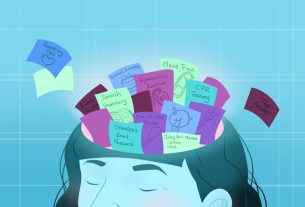
One of the most surprising fun facts about the human body is that the human brain is composed of approximately 75–80% water.
Although the average adult brain weighs about 1.3 to 1.4 kilograms (around 3 pounds), its size doesn’t determine intelligence. Hydration is essential because even mild dehydration can affect concentration, memory, and mood.
2. Your Blood Vessels Could Circle the Earth
If all the blood vessels in an adult body were stretched end to end, they would measure approximately 100,000 kilometers (about 62,000 miles).
That’s enough to wrap around Earth’s equator more than twice.
These vessels continuously transport oxygen, nutrients, hormones, and immune cells throughout the body.
3. Sneezes Travel at Incredible Speeds
Sneezing is your body’s natural defense mechanism for clearing irritants from your nose.
A powerful sneeze can propel tiny droplets at speeds approaching 160 kilometers (100 miles) per hour, although the exact speed varies among individuals and measurement methods.
This impressive reflex helps protect your respiratory system.
4. Your Heart Never Takes a Day Off
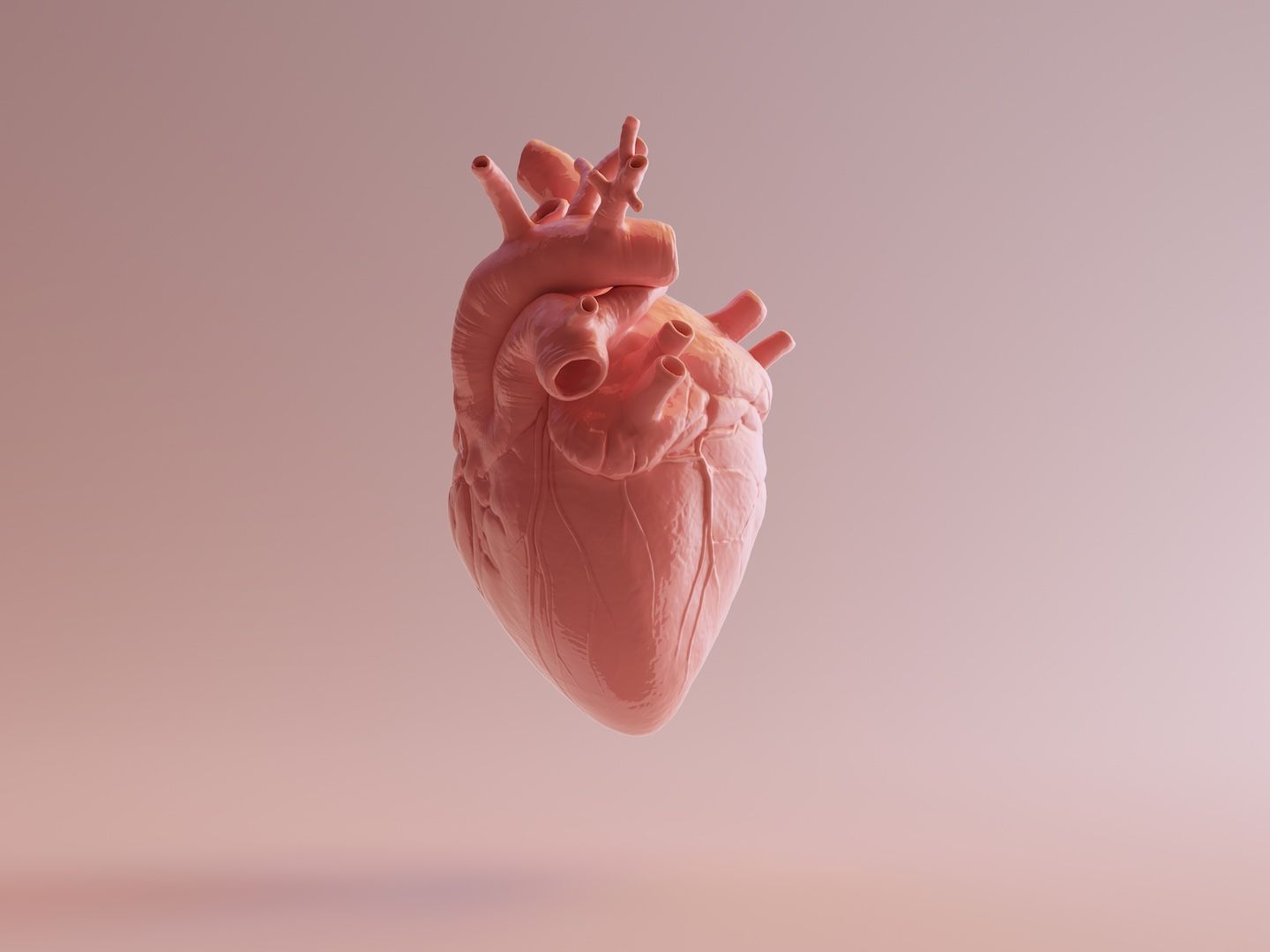
The heart is one of the hardest-working muscles in your body.
Every day it:
- Beats roughly 100,000 times
- Pumps thousands of liters of blood
- Supplies oxygen to every organ
- Works continuously without rest
Despite its workload, the average adult heart is only about the size of a closed fist.
5. Your Mouth Is Home to Billions of Microorganisms
The mouth contains a complex ecosystem of bacteria and other microorganisms that help maintain oral health.
During kissing, partners exchange many microbes, most of which are harmless and naturally part of the healthy oral microbiome.
Good oral hygiene helps keep this ecosystem balanced.
6. Your Bones Are Constantly Renewing
Although adult bones stop growing longer after puberty, they remain living tissue.
Bone cells continuously:
- Remove old bone
- Build new bone
- Repair tiny injuries
- Maintain strength
This process, known as bone remodeling, continues throughout life.
7. Your Skin Constantly Replaces Itself
Your skin is your body’s largest organ.
New skin cells gradually replace older ones, with the outermost layer renewing approximately every month in healthy adults.
This constant renewal helps protect you from injury, bacteria, and environmental damage.
8. Your Brain Stays Busy While You Sleep
Sleep is not a period of inactivity.
During sleep, your brain:
- Organizes memories
- Removes waste products
- Strengthens learning
- Regulates hormones
- Supports emotional health
Quality sleep is essential for both physical and mental well-being.
9. Babies Have More Bones Than Adults
Newborn babies are born with approximately 270 bones.
As children grow, many bones gradually fuse together, leaving most adults with 206 bones.
This fusion provides greater strength and stability.
10. Your Body Produces Plenty of Saliva
Healthy adults produce roughly 0.5 to 1.5 liters of saliva each day.
Saliva helps:
- Digest food
- Protect teeth
- Fight bacteria
- Keep the mouth moist
- Support taste
Without saliva, eating and speaking would become much more difficult.
11. Your Eyes Blink Thousands of Times Daily
Most people blink around 15 to 20 times each minute.
Blinking:
- Lubricates the eyes
- Removes dust
- Protects the cornea
- Maintains clear vision
This automatic action happens without conscious effort.
12. Your Liver Can Regenerate
The liver has an extraordinary ability to regenerate.
If part of the liver is removed due to surgery or injury, the remaining healthy tissue can grow and restore much of its original function under the right conditions.
13. Your Stomach Protects Itself from Acid
Your stomach produces powerful acid to digest food.
To prevent self-digestion, it constantly creates a protective mucus lining that shields its tissues from damage.
14. Your Body Is Made of Trillions of Cells
Scientists estimate the average human body contains around 37 trillion cells.
These include:
- Muscle cells
- Skin cells
- Blood cells
- Bone cells
- Brain cells
Each type performs specialized tasks essential for life.

15. Fingernails Grow Faster Than Toenails
Fingernails typically grow about three times faster than toenails.
Growth rates can vary based on:
- Age
- Nutrition
- Health
- Season
- Genetics
16. Your Nose Can Detect Thousands of Odors
The human sense of smell is more powerful than many people realize.
Your nose contains millions of sensory receptors capable of distinguishing a vast range of scents, helping detect food, smoke, and environmental changes.
17. Muscles Work Together in Every Movement
Your body contains over 600 muscles.
Whether you’re smiling, walking, lifting, or breathing, muscles work in coordinated groups to produce smooth movement.
Even maintaining posture requires continuous muscle activity.
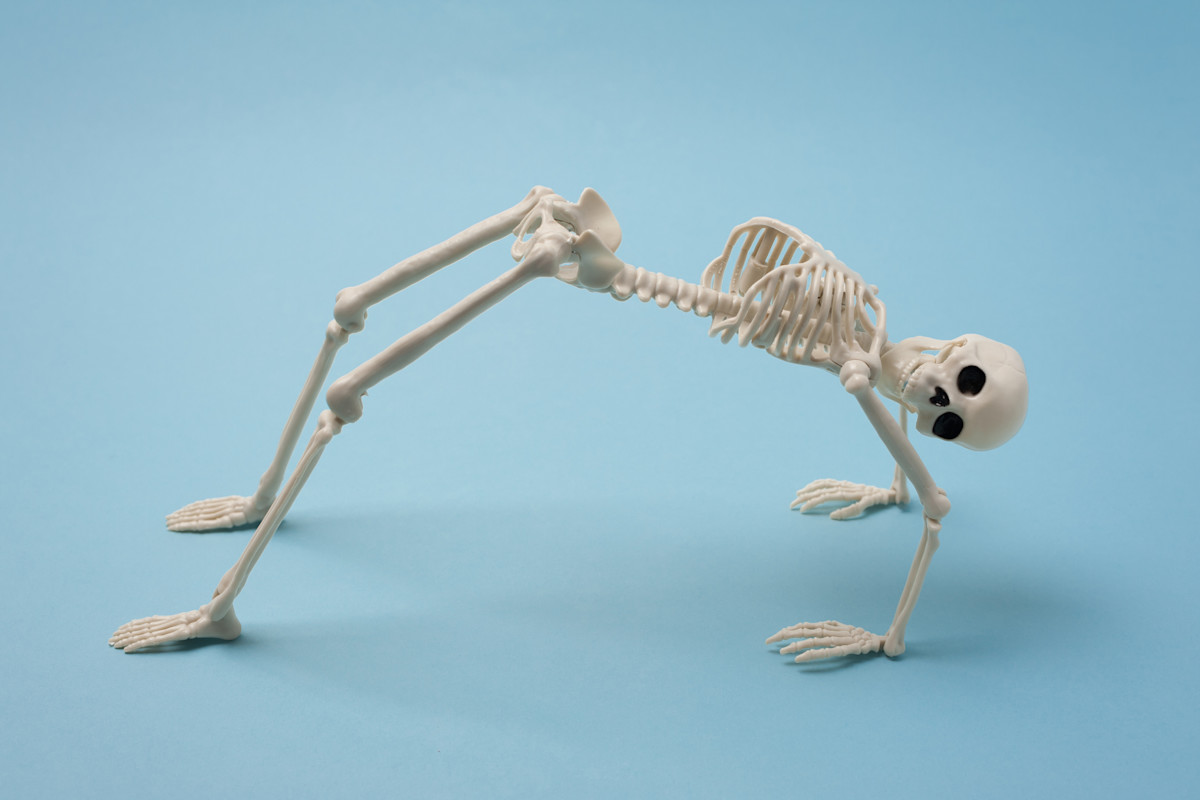
18. Your Skeleton Supports More Than Movement
Bones do much more than provide structure.
They also:
- Protect organs
- Store minerals
- Produce blood cells
- Anchor muscles
- Support balance
Your skeleton is an active, living system.
19. Goosebumps Are an Ancient Survival Mechanism
Goosebumps occur when tiny muscles attached to hair follicles contract.
Although this reflex helped furry ancestors trap warm air and appear larger to predators, it has little practical function in modern humans.
20. Your Immune System Never Stops Working
Every day your immune system identifies and responds to countless bacteria, viruses, and other potential threats.
Specialized white blood cells continuously patrol your body to help prevent illness.
21. Your Lungs Have an Enormous Surface Area
The tiny air sacs inside your lungs create an enormous surface for oxygen exchange.
If spread flat, this surface area would cover tens of square meters—roughly comparable to the floor space of a small apartment.
22. Taste and Smell Work Together
Much of what we think of as “taste” actually comes from smell.
When you have a cold and your nose is congested, foods often seem less flavorful because your sense of smell is reduced.
23. Exercise Changes Your Brain
Regular physical activity benefits more than muscles.
Exercise helps:
- Improve memory
- Boost mood
- Increase blood flow to the brain
- Reduce stress
- Support learning
These benefits occur at nearly every age.
24. Laughter Benefits Your Body
Laughter activates muscles in your face, chest, and abdomen.
It may also:
- Lower stress hormones
- Increase endorphin release
- Improve mood
- Encourage social bonding
While it’s not a cure for illness, laughter contributes positively to overall well-being.

25. Every Human Body Is Unique
Even identical twins have subtle biological differences.
Unique characteristics include:
- Fingerprints
- Voice patterns
- Retinal blood vessel patterns
- Immune responses
- DNA mutations acquired over time
No two people are exactly alike.
Amazing Facts About Human Growth
Your body changes continuously throughout life.
Some fascinating examples include:
- Hair grows in repeating cycles.
- Bones adapt to physical activity.
- Muscles strengthen with exercise.
- The brain forms new neural connections throughout life.
- Skin repairs itself after injury.
The body is constantly adapting to its environment.
Healthy Habits That Help Your Body Perform Its Best
Understanding these fun facts about the human body also reminds us how important healthy habits are.
Support your body by:
- Eating a balanced diet
- Drinking enough water
- Exercising regularly
- Getting sufficient sleep
- Managing stress
- Avoiding tobacco
- Limiting excessive alcohol
- Maintaining good oral hygiene
- Scheduling routine medical checkups
Small daily choices have lasting effects on overall health.
Frequently Asked Questions
What is the most amazing fact about the human body?
Many scientists consider the brain’s complexity one of the body’s greatest wonders. It contains approximately 86 billion neurons that communicate through trillions of connections.
Does your body really replace its cells?
Many cell types renew themselves regularly, such as skin and blood cells. However, different tissues regenerate at different rates, and not every cell in the body is replaced on the same schedule.
How many bones does an adult have?
Most healthy adults have 206 bones, while newborns begin life with more bones that later fuse together during growth.
Why do humans blink?
Blinking keeps the eyes moist, clears away debris, and protects the surface of the eye from irritation and injury.
Can laughter improve health?
Laughter can temporarily reduce stress, promote relaxation, and strengthen social connections, making it a valuable part of emotional well-being.

Final Thoughts
The human body is an incredible masterpiece of biology. Every heartbeat, every breath, and every thought depends on countless systems working together with extraordinary precision. From the remarkable ability of your liver to regenerate to the continuous renewal of your skin and bones, your body is constantly adapting, repairing, and protecting itself.
Learning these fun facts about the human body not only satisfies curiosity but also highlights the importance of caring for your health. By staying active, eating nutritious foods, sleeping well, and maintaining healthy habits, you support the amazing processes happening inside you every single day.
The more we understand how our bodies work, the more we can appreciate the extraordinary machine that allows us to experience, explore, and enjoy life.
Sources
- BODY WORLDS. Fun Facts About the Human Body.
- National Institutes of Health (NIH)
- Cleveland Clinic
- Mayo Clinic
- Harvard Medical School
- American Heart Association
- MedlinePlus