Signs cats display when something isn’t right can help you seek veterinary care before minor issues become major ones.
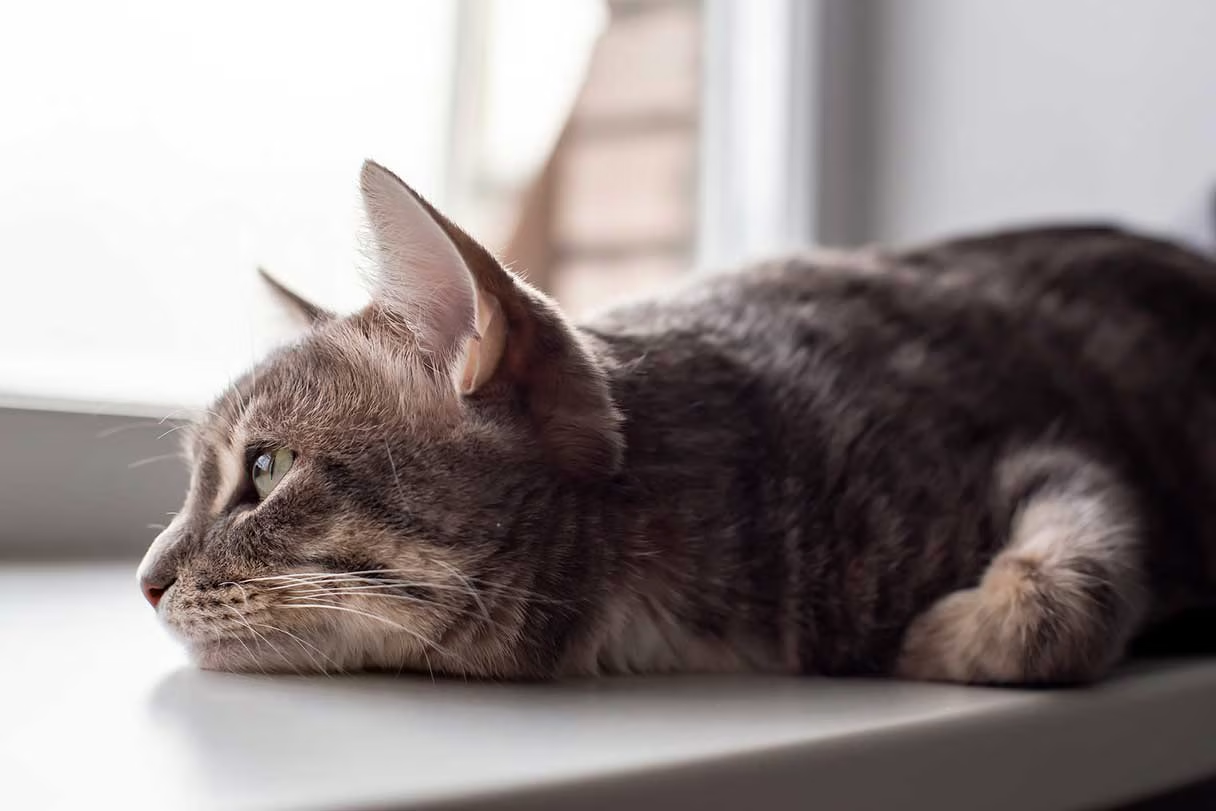
Cats are masters at hiding discomfort. Unlike many other pets, they often continue their daily routines even when they are experiencing pain or illness. This behavior comes from thousands of years of evolution, where appearing weak could make them vulnerable to predators.
Because of this natural instinct, many cat owners don’t notice a health problem until it becomes more serious.
This guide explains the most important warning signs, what they may indicate, and what you can do to keep your feline companion healthy and comfortable.
Why Cats Hide Illness
Cats evolved as both hunters and prey. Showing weakness in the wild could reduce their chances of survival, so they instinctively mask pain and illness.
Even indoor cats retain these instincts. Instead of obvious symptoms, you may only notice subtle behavioral changes such as:
- Sleeping in unusual places
- Eating less
- Becoming less social
- Grooming differently
- Moving more cautiously
Observing your cat’s normal routine is one of the best ways to recognize when something has changed.
1. Changes in Appetite
One of the earliest signs cats may display is a change in appetite.
A healthy cat generally maintains consistent eating habits. If your cat suddenly refuses meals or begins eating far more than usual, there may be an underlying medical issue.
Possible causes include:
- Dental disease
- Digestive disorders
- Kidney disease
- Liver disease
- Hyperthyroidism
- Diabetes
- Stress or anxiety
Cats that stop eating completely for more than 24 hours require prompt veterinary attention because prolonged fasting can lead to fatty liver disease.
What You Can Do
Try encouraging eating by:
- Offering warm, aromatic food
- Feeding smaller meals
- Serving wet food
- Feeding in a quiet location
- Using shallow dishes
- Removing competition from other pets
If appetite does not improve, contact your veterinarian.

2. Drinking More or Less Water
Changes in water consumption are another important warning sign.
Increased drinking may indicate:
- Kidney disease
- Diabetes
- Hyperthyroidism
- Urinary disorders
Decreased drinking can lead to:
- Dehydration
- Kidney complications
- Constipation
Because cats naturally have a low thirst drive, even small changes deserve attention.
How to Encourage Hydration
You can increase water intake by:
- Providing multiple water bowls
- Using a cat water fountain
- Feeding canned food
- Refreshing water daily
- Keeping water away from the litter box
3. Excessive Drooling
Healthy cats rarely drool unless they are extremely relaxed or excited.
Unexpected drooling can signal:
- Dental infections
- Mouth ulcers
- Broken teeth
- Poison exposure
- Foreign objects
- Nausea
If drooling is accompanied by pawing at the mouth, facial swelling, or refusal to eat, immediate veterinary care is recommended.

Prevention Tips
Maintain regular dental care by:
- Brushing your cat’s teeth
- Scheduling dental examinations
- Removing toxic plants
- Keeping household chemicals safely stored
4. Litter Box Changes
The litter box provides valuable clues about your cat’s health.
Watch for:
- Diarrhea
- Constipation
- Blood in urine
- Frequent urination
- Reduced urination
- Straining
- Crying while urinating
- Frequent trips to the litter box
Urinary blockage, especially in male cats, is a medical emergency.
Helping Your Cat
Make litter box use easier by:
- Cleaning boxes daily
- Adding extra litter boxes
- Trying different litter types
- Providing quiet locations
Persistent changes always warrant veterinary evaluation.
5. Grooming Habits Change
Cats spend a significant portion of their day grooming.
Changes in grooming behavior are among the most overlooked signs cats display.
Less grooming may indicate:
- Arthritis
- Obesity
- Dental pain
- Illness
- Depression
Excessive grooming may indicate:
- Allergies
- Fleas
- Skin infections
- Stress
- Anxiety
- Pain
Hair loss, bald patches, or matted fur should never be ignored.
How to Help
Regular brushing helps:
- Prevent mats
- Remove loose hair
- Detect skin problems
- Monitor body condition
6. Low Energy or Lethargy
Cats naturally sleep many hours each day, but persistent lethargy is different.
Signs include:
- Less interest in play
- Reduced activity
- Sleeping significantly more
- Weakness
- Slow movements
Potential causes include:
- Infection
- Fever
- Pain
- Heart disease
- Anemia
- Chronic illness
If your energetic cat suddenly becomes inactive, monitor for additional symptoms.
7. Changes in Vocalization
Every cat has its own communication style.
Unexpected changes may signal discomfort.
Excessive vocalization
May indicate:
- Pain
- Cognitive decline
- Hyperthyroidism
- High blood pressure
- Anxiety
Becoming unusually quiet
May indicate:
- Illness
- Injury
- Stress
- Fatigue
Any sudden change in vocal behavior deserves attention.
8. Vomiting
Occasional hairballs are common.
However, repeated vomiting is not normal.
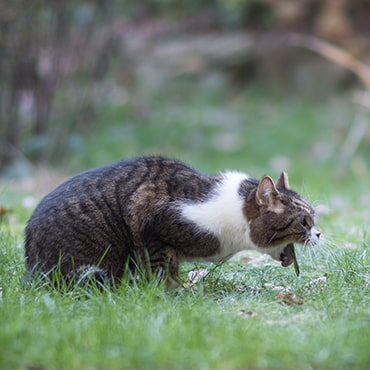
Possible causes include:
- Gastrointestinal upset
- Food intolerance
- Parasites
- Toxins
- Kidney disease
- Intestinal blockage
- Pancreatitis
Seek veterinary care immediately if vomiting is accompanied by:
- Blood
- Severe lethargy
- Dehydration
- Repeated episodes
- Refusal to eat
Temporary Home Care
If approved by your veterinarian:
- Offer small meals
- Provide fresh water
- Feed bland food
- Monitor frequency
Never delay professional care if symptoms worsen.
9. Breathing Difficulties
Breathing problems are among the most serious signs cats can display.
Watch for:
- Rapid breathing
- Open-mouth breathing
- Wheezing
- Labored breathing
- Blue gums
- Persistent coughing
These symptoms may indicate:
- Asthma
- Heart disease
- Lung disease
- Trauma
- Respiratory infections
This situation requires immediate veterinary attention.
10. Hiding More Than Usual
Many sick cats isolate themselves.
If your usually social cat suddenly disappears under beds or inside closets, pay close attention.
Possible reasons include:
- Pain
- Fever
- Stress
- Injury
- Anxiety
Some cats become unusually clingy instead, seeking comfort from their owners.
Knowing your cat’s normal personality is essential.
11. Physical Appearance Changes
Your cat’s appearance often reflects overall health.
Look for:
- Weight loss
- Weight gain
- Hair loss
- Skin irritation
- Swelling
- Eye discharge
- Nasal discharge
- Ear debris
- Bad odors
- Poor posture
Even subtle changes can signal developing illness.
Routine physical checks at home help detect problems early.
Additional Signs Cats May Be Unwell
Besides the major warning signs above, keep an eye out for:
Bad Breath
Persistent foul breath may indicate:
- Dental disease
- Kidney disease
- Diabetes
Limping
Cats often hide orthopedic pain.
Watch for:
- Hesitation to jump
- Difficulty climbing
- Uneven walking
- Reluctance to play
Dilated Pupils
Persistently enlarged pupils may result from:
- Pain
- High blood pressure
- Eye disease
- Poisoning
Behavioral Changes
Changes in personality can be significant.
Your cat may become:
- Aggressive
- Withdrawn
- Fearful
- Restless
- Irritable
Behavior often changes before obvious physical symptoms appear.
When Should You Call a Veterinarian?
Seek veterinary care immediately if your cat:
- Stops eating for 24 hours
- Cannot urinate
- Has difficulty breathing
- Repeatedly vomits
- Has seizures
- Shows severe weakness
- Collapses
- Bleeds excessively
- Is exposed to toxins
Prompt treatment can save your cat’s life.
Preventing Illness in Cats
Many diseases can be prevented or detected early.
Develop healthy habits such as:
- Annual veterinary checkups
- Vaccinations
- Dental care
- Parasite prevention
- Balanced nutrition
- Fresh water
- Weight management
- Daily play and exercise
- Routine grooming
- Monitoring litter box habits
Preventive care is often less expensive and more effective than treating advanced illness.
How to Monitor Your Cat at Home
Keep track of your cat’s normal routines, including:
- Appetite
- Water intake
- Weight
- Bathroom habits
- Energy level
- Grooming
- Social behavior
- Sleeping patterns
Some owners maintain a simple health journal to recognize gradual changes that might otherwise go unnoticed.

Frequently Asked Questions
What are the first signs cats are sick?
The earliest signs often include reduced appetite, hiding, lower energy, grooming changes, and altered litter box habits.
Is vomiting always a sign of illness?
No. Occasional hairballs can be normal, but repeated vomiting or vomiting with other symptoms should be evaluated by a veterinarian.
Why do cats hide when they feel sick?
Hiding is an instinctive survival behavior that helps vulnerable animals avoid predators.
Can stress make a cat appear sick?
Yes. Stress may reduce appetite, alter litter box habits, increase grooming, and change behavior. However, medical conditions should always be ruled out first.
How often should healthy cats visit the veterinarian?
Most healthy adult cats should receive a wellness examination at least once each year, while senior cats often benefit from visits every six months.
Final Thoughts
Understanding the signs cats show when they are unwell is one of the most valuable skills a pet owner can develop. Because cats naturally conceal pain and illness, even subtle changes in appetite, grooming, energy, behavior, or litter box habits can provide important clues that something is wrong.
Early recognition often leads to earlier diagnosis, more effective treatment, and better long-term outcomes. By paying close attention to your cat’s daily routines, providing preventive care, and seeking veterinary advice whenever unusual symptoms appear, you can help your feline companion enjoy a healthier, happier, and longer life.
Remember, no one knows your cat better than you do. If something feels different—even if you can’t quite explain it—trust your instincts and consult your veterinarian. Acting early can make all the difference in protecting the health and well-being of your beloved pet.
Sources
- CareCredit. 11 Signs That Your Cat May Be Sick and What You Can Do.
- American Association of Feline Practitioners (AAFP)
- Cornell Feline Health Center
- American Veterinary Medical Association (AVMA)
- International Cat Care (iCatCare)
If you’d like, I can also Optimize this article further with LSI keywords, FAQ schema, internal linking suggestions, image ALT text, and a Google-friendly Table of Contents to improve SEO performance.