
Animal emotions reveals that many creatures form strong social bonds, show signs of empathy, experience fear, and even display behaviors that resemble grief and compassion.
For a long time, humans believed that emotions were something unique to our species. Feelings such as happiness, fear, sadness, love, and empathy were often considered exclusively human experiences. Animals were sometimes viewed as creatures driven only by instinct, responding to the world without deeper emotional experiences.
However, modern scientific research has changed this perspective. Today, many researchers studying animal behavior, neuroscience, psychology, and biology believe that animals are capable of experiencing a wide range of emotions.
From elephants mourning lost family members to dogs expressing excitement when reunited with their owners, the emotional lives of animals are becoming an important area of scientific discovery.
Understanding animal emotions does more than satisfy curiosity. It changes the way humans view other species and highlights the importance of treating animals with respect and protecting their natural environments.
What Are Animal Emotions?
Animal emotions refer to the internal states and behavioral responses that influence how animals react to their surroundings and interact with others.
Emotions can include:
- Fear and stress
- Happiness and excitement
- Attachment and affection
- Anger and aggression
- Curiosity and playfulness
- Empathy and compassion
Scientists study animal emotions by observing behavior, brain activity, hormones, communication signals, and social interactions.
Because animals cannot describe their feelings with words, researchers must carefully analyze their actions and biological responses.
For example, a dog wagging its tail may show excitement, while an elephant comforting another elephant may suggest empathy. These behaviors provide clues about what animals may be experiencing internally.
The Scientific Study of Animal Emotions
Research on animal emotions has changed dramatically over recent decades.
In the past, scientists often avoided discussing emotions in animals because they feared projecting human feelings onto other species. This concern is known as anthropomorphism — the tendency to interpret animal behavior through a human perspective.
However, researchers now recognize another risk: assuming animals have no emotions at all. This idea, sometimes called anthropodenial, ignores evidence that many animals share biological and behavioral similarities with humans.
Recent surveys of animal behavior researchers show that many scientists believe emotions exist across a wide range of species, including mammals, birds, fish, and even some invertebrates.
Studies suggest that emotional experiences may not be identical to human emotions, but many animals appear to have their own forms of emotional awareness.
Emotional Intelligence in Mammals
Mammals are among the most studied animals when it comes to emotions because their brains share many similarities with humans.
Elephants: The Gentle Giants With Deep Feelings
Elephants are famous for their intelligence, but their emotional lives are equally fascinating.
These animals form strong family relationships and live in close social groups. They recognize individual members of their herd and work together to protect younger elephants.
One of the most remarkable behaviors observed in elephants is their response to loss. When an elephant dies, other elephants may gather around the body, touch it with their trunks, and remain nearby.
Researchers believe these behaviors suggest a complex emotional response related to grief and attachment.
Elephants also show empathy. When one elephant is distressed, others may approach and provide comfort.
Their strong emotional bonds demonstrate that social connections are important throughout the animal kingdom.
Dogs: Companionship and Emotional Connection
Dogs have lived alongside humans for thousands of years, and their ability to understand human emotions is one reason they are such successful companions.
Dogs can recognize human facial expressions, respond to tone of voice, and adjust their behavior based on their owner’s emotional state.
A dog may become excited when its person returns home, seek comfort when afraid, or provide companionship when someone is upset.
Their emotional sensitivity comes from both evolution and their long relationship with humans.
Dogs show that emotional communication can exist between different species.
Primates: Close Relatives With Complex Emotions
Primates such as chimpanzees and orangutans display some of the most human-like emotional behaviors.
They form friendships, compete socially, cooperate, and show signs of empathy.
Young primates learn by observing adults and develop strong family relationships.
Chimpanzees have been observed comforting distressed group members, sharing food, and responding to social conflicts.
These behaviors suggest that emotions play an important role in maintaining relationships within primate communities.
Birds and Emotional Lives
Birds are often underestimated when discussing emotions, but many species demonstrate impressive social awareness.
Crows: Intelligent Birds With Social Bonds
Crows are known for their problem-solving abilities, but their emotional behaviors are equally interesting.
They recognize individual birds and remember past interactions. They can also remember human faces and respond differently based on previous experiences.
Crows may gather around deceased members of their group, a behavior that scientists continue to study.
Their complex social lives suggest that emotions may influence how they interact with their environment.
Parrots: Communication and Connection
Parrots are highly social birds with advanced communication abilities.
Some parrots form strong relationships with humans and other birds. They may show excitement, curiosity, jealousy, and affection.
African grey parrots, in particular, have demonstrated impressive cognitive skills and social awareness.
Their ability to communicate and bond with others reveals a rich emotional world.
Marine Animals and Their Hidden Feelings
The ocean contains many animals whose emotional abilities are still being discovered.
Dolphins: Social Creatures With Deep Relationships
Dolphins are among the most socially complex animals on Earth.
They live in groups, cooperate while hunting, and communicate using a variety of sounds.
Each dolphin develops a unique vocal signal that functions almost like a name. This allows individuals to recognize each other within their social groups.
Dolphins have also been observed helping injured members of their group, suggesting empathy and cooperation.
Their intelligence and social behavior make them one of the most fascinating examples of animal emotions.
Octopuses: The Emotional World of Invertebrates
Octopuses challenge traditional ideas about animal emotions because they are very different from mammals.
Despite being invertebrates, octopuses display impressive learning abilities and curiosity.
They can solve problems, explore their surroundings, and remember experiences.
Some researchers believe their flexible behavior suggests a level of awareness and emotional response.
The study of octopus intelligence shows that complex mental abilities can evolve in unexpected ways.
Do Animals Feel Happiness and Joy?
Many animals show behaviors that appear similar to happiness.
Play behavior is one example.
Young mammals often play by chasing, wrestling, and exploring. Scientists believe play helps animals practice important skills while also providing enjoyment.
Dolphins play in the water, elephants enjoy social interactions, and many animals show excitement when engaging in preferred activities.
While scientists cannot measure happiness exactly as humans experience it, these behaviors suggest positive emotional states exist throughout nature.
Animal Fear and Stress Responses
Fear is one of the most widely recognized animal emotions because it plays an important survival role.
Animals experience fear when facing predators, threats, or dangerous situations.
Fear responses include:
- Running away
- Hiding
- Freezing
- Increased alertness
- Warning others
These reactions are controlled by biological systems that are shared by many species.
Understanding animal fear is important because it helps humans create better approaches to animal welfare and conservation.
Why Understanding Animal Emotions Matters
Recognizing animal emotions changes the way humans interact with wildlife and domestic animals.
If animals can experience fear, attachment, stress, or comfort, then their well-being becomes an important consideration.
Understanding emotions helps improve:
- Wildlife conservation
- Animal care
- Scientific research methods
- Human-animal relationships
It also encourages people to see animals as complex living beings rather than simple creatures responding only to instinct.
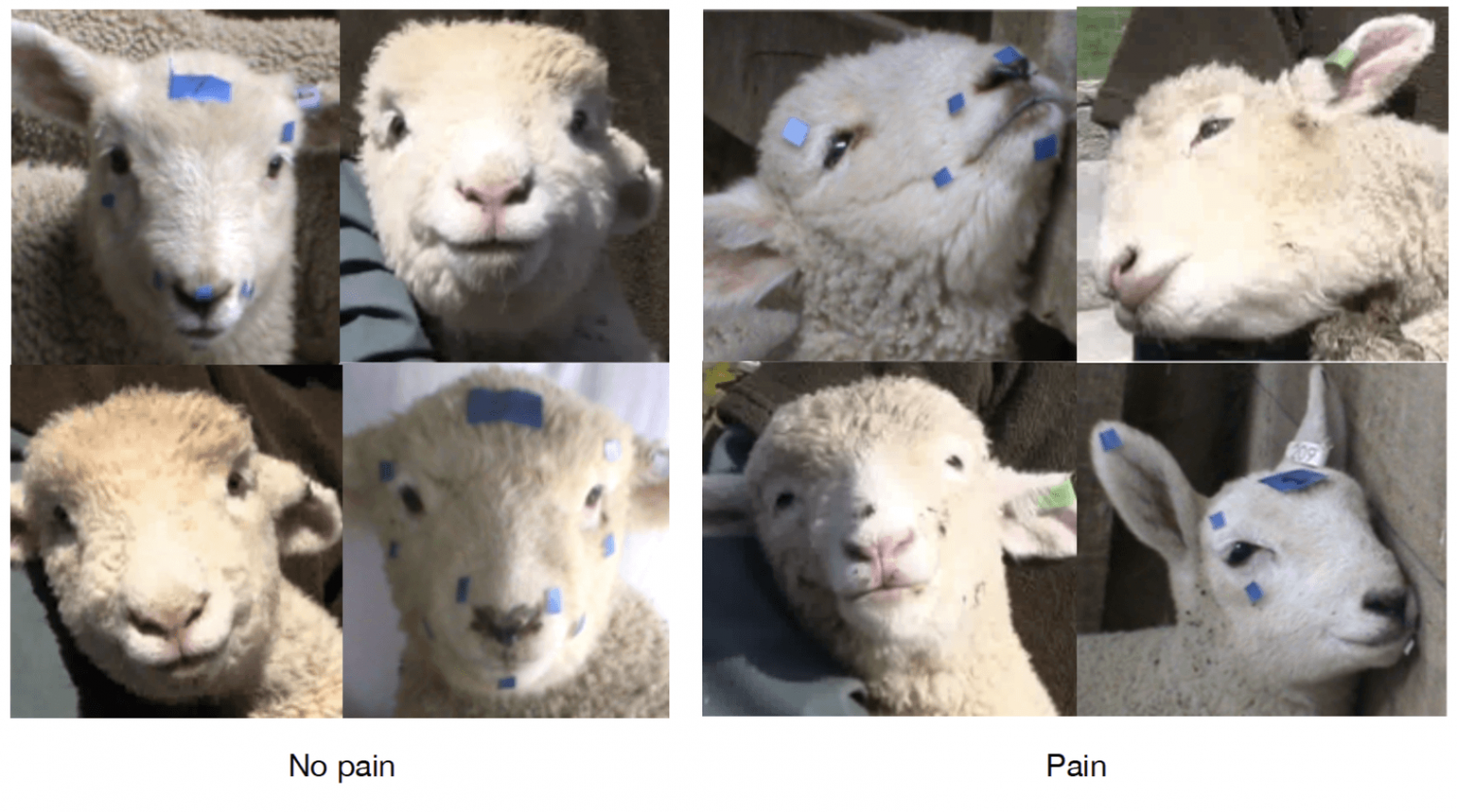
The Future of Animal Emotion Research
Scientists continue to explore the emotional lives of animals using advanced tools such as brain imaging, behavioral studies, and ecological research.
One major challenge is understanding how to measure emotions without assuming animals feel exactly like humans.
Future research may reveal even more about how different species experience the world.
Every discovery reminds us that the boundary between humans and other animals may not be as clear as once believed.
Conclusion: The Emotional World We Share With Animals
The study of animal emotions reveals a fascinating truth: many animals are capable of far more than simple survival behaviors.
Elephants show empathy, dogs build emotional connections, dolphins maintain complex social relationships, birds remember individuals, and even invertebrates demonstrate surprising abilities.
Animals may experience emotions differently from humans, but their behaviors suggest rich inner lives shaped by evolution and social connection.
By understanding animal emotions, we develop greater respect for the creatures that share our planet. The emotional world of animals is not just a scientific discovery — it is a reminder of the deep connections that exist throughout all forms of life.
Sources
Cornell University College of Arts & Sciences. “Researchers Assess Whether Animals Feel Emotion.”
Scientific research on animal behavior, cognition, and emotional responses.