Nuclear historian Alex Wellerstein, a professor at the Stevens Institute of Technology and a recognized authority on nuclear weapons history, has explained in public forums that targeting in a large-scale nuclear exchange would likely focus first on military capability rather than symbolism. In other words, the initial objective in such a scenario would be to reduce an adversary’s ability to respond.
That distinction shifts attention away from population size alone and toward infrastructure: missile fields, bomber bases, submarine facilities, and command centers. Below is a structured review of 15 U.S. cities frequently mentioned in open-source strategic discussions because of their proximity to critical military installations.
1. Great Falls, Montana
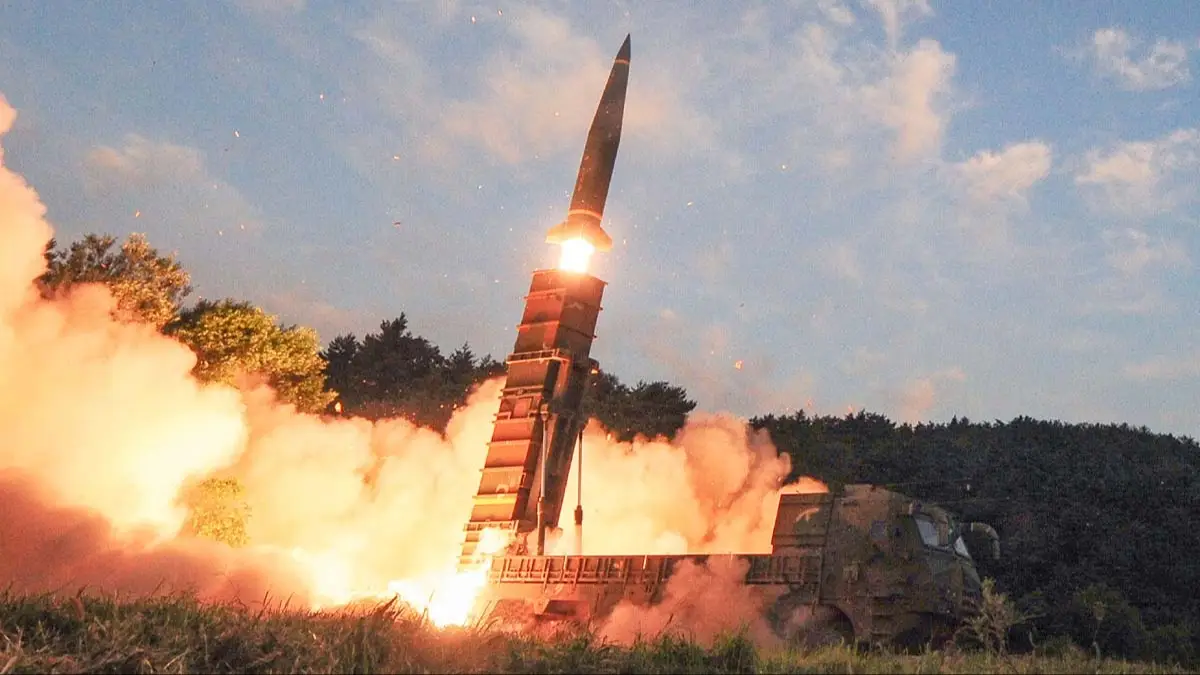
Great Falls has a population of just over 60,000, yet it sits near Malmstrom Air Force Base, one of the three primary U.S. bases that manage Minuteman III intercontinental ballistic missiles (ICBMs). The surrounding region contains hundreds of missile silos spread across rural Montana.
Because land-based ICBMs form one leg of the U.S. nuclear triad, any strategy aimed at neutralizing retaliatory capability would logically focus on these installations.
2. Cheyenne, Wyoming
Cheyenne lies adjacent to F.E. Warren Air Force Base, another key ICBM command hub. Like Malmstrom, it oversees a network of missile silos dispersed across several states. Its relatively small population contrasts with its strategic significance.
3. Ogden and Clearfield, Utah
These neighboring communities are close to Hill Air Force Base, which supports aircraft maintenance and weapons storage operations. While not an ICBM field, Hill plays a role in sustaining strategic air capabilities.
4. Shreveport, Louisiana
Shreveport is near Barksdale Air Force Base, home to B-52 bombers that are part of the air-based leg of the nuclear triad. Long-range bombers provide flexibility in deterrence strategy, making their bases strategically important.
5. Omaha, Nebraska
Omaha is closely associated with Offutt Air Force Base, headquarters of U.S. Strategic Command (USSTRATCOM). This command oversees global nuclear forces, strategic deterrence, and space operations. Command-and-control centers are considered high-priority assets in military planning.
6. Colorado Springs, Colorado
Colorado Springs hosts multiple military installations, including Peterson Space Force Base and the Cheyenne Mountain Complex, historically associated with NORAD’s aerospace defense mission. Facilities tied to early warning and defense coordination hold strategic importance.
7. Albuquerque, New Mexico
Albuquerque is home to Kirtland Air Force Base, which supports nuclear weapons-related operations and research in coordination with national laboratories. Its concentration of specialized infrastructure makes it significant within the nuclear enterprise.
8. Honolulu, Hawaii
Honolulu and the broader Oahu region include major naval and air facilities that support U.S. operations in the Pacific. Hawaii’s geographic location makes it central to Indo-Pacific strategy.
9. Seattle, Washington
Seattle’s proximity to Naval Base Kitsap, which supports ballistic missile submarines, gives it strategic relevance. Submarine-based missiles are the most survivable component of the nuclear triad.
10. Washington, D.C.
As the seat of federal government and defense leadership, Washington, D.C. represents political and command authority. National capitals are frequently cited in theoretical targeting discussions because of their leadership significance.
11–15. Major Economic and Population Centers
New York City, Los Angeles, Chicago, Houston, and San Francisco are often referenced in speculative scenarios not only for population size but for economic and infrastructure influence. Major ports, financial markets, energy hubs, and transportation networks amplify national impact.
It is essential to emphasize that discussions about these cities stem from strategic modeling and open-source military analysis—not from imminent threats or confirmed targeting decisions.
Understanding the Targeting Logic

Modern nuclear doctrine is rooted in deterrence theory. The premise is that mutual vulnerability discourages use. The U.S. nuclear triad—land-based missiles, submarine-launched missiles, and long-range bombers—exists specifically to ensure second-strike capability, meaning that no adversary could eliminate retaliation entirely.
Because of that structure, hypothetical first-strike models often prioritize:
-
Missile fields
-
Bomber bases
-
Submarine facilities
-
Command-and-control centers
-
Early warning systems
Population centers may appear in some theoretical models, but military planners historically distinguish between counterforce (military-focused) and countervalue (infrastructure-focused) strategies. Publicly available doctrine suggests that preventing retaliation would be a primary objective in any strategic exchange.
Why Deterrence Still Dominates
Despite renewed geopolitical tensions, multiple safeguards remain in place globally:
-
Nuclear command-and-control systems with layered authorization
-
International arms control agreements and transparency measures
-
Early warning systems designed to reduce miscalculation
-
Diplomatic backchannels between major powers
Experts across academic and policy communities consistently stress that nuclear weapons are designed primarily to prevent war through deterrence, not to be used in it.
The Broader Reality
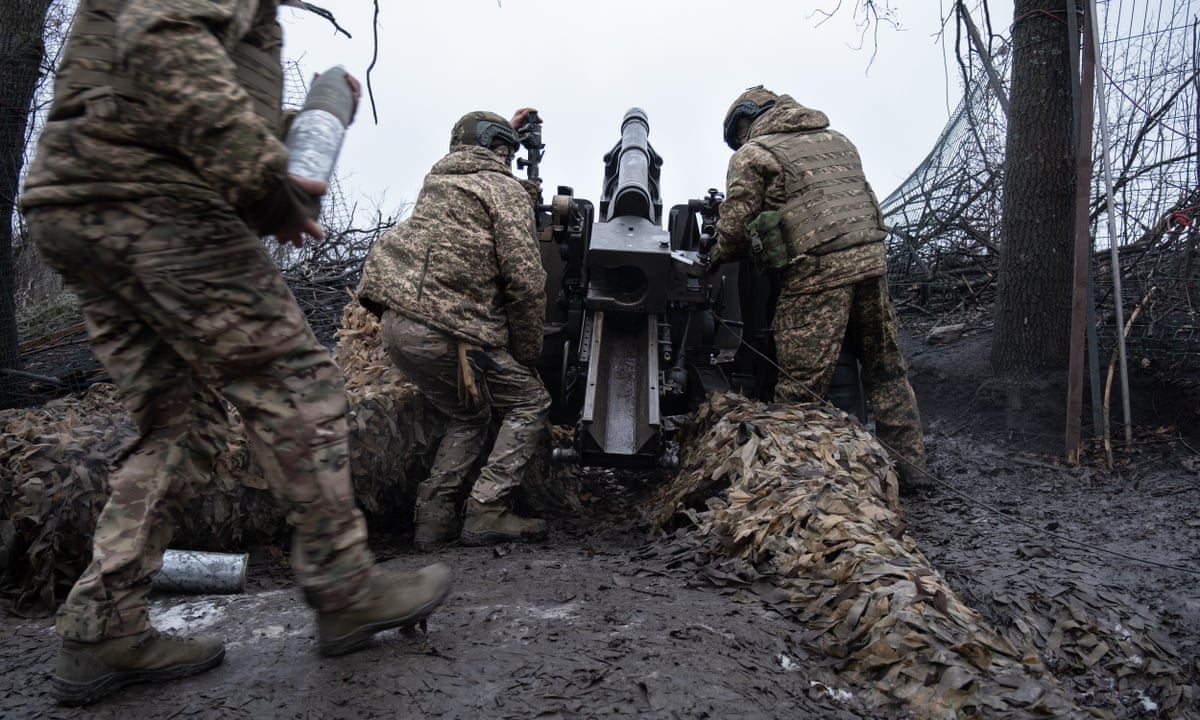
The cities listed above are not chosen because of symbolic headlines or media speculation. They are frequently mentioned because they sit near facilities publicly identified as part of the U.S. strategic deterrent system.
At the same time, it is crucial not to misinterpret analysis as prediction. Strategic assessments describe capability and logic—not intent.
Public anxiety about global conflict often increases during political transitions, military modernization programs, or periods of strained diplomacy. However, nuclear deterrence has remained a central feature of international stability for decades precisely because the consequences of failure would be catastrophic for all parties involved.
Conclusion
Understanding which U.S. cities could be considered strategic targets in a nuclear scenario requires focusing on infrastructure rather than population alone. Locations tied to missile silos, bomber fleets, submarine bases, and national command centers carry elevated strategic importance due to their role in deterrence.
That reality does not mean conflict is imminent. On the contrary, the existence of these systems is intended to prevent escalation.
Strategic analysis can inform public understanding, but it should not overshadow the central fact recognized by historians and defense experts alike: nuclear weapons have been used only once in wartime, and global efforts for more than seven decades have been directed toward ensuring they are never used again.
In an era of heightened rhetoric and shifting alliances, sustained diplomacy, communication, and restraint remain the most important safeguards against catastrophe.